作者: admin

  • South Africa cap series victory over NZ with Baltimore win

    South Africa cap series victory over NZ with Baltimore win

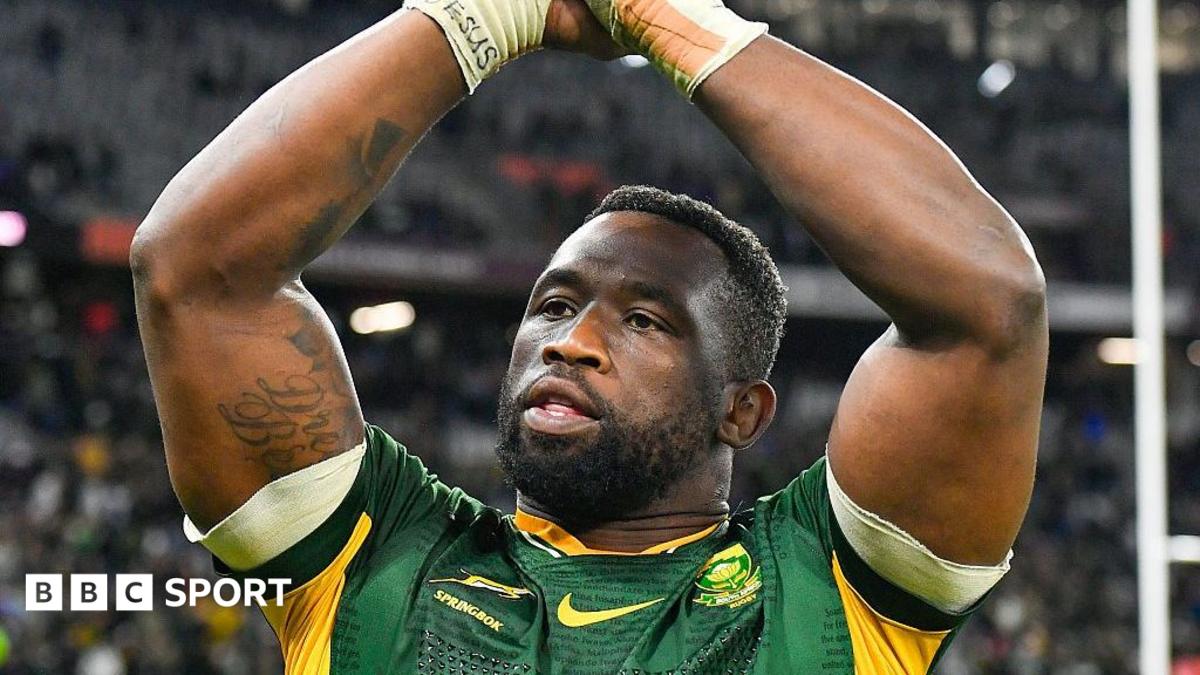
    The biggest name in men’s rugby union delivered yet another iconic chapter of its most storied rivalry on Saturday, as world champion South Africa secured a 43-28 win over New Zealand in the fourth and final Test of their “Rugby’s Greatest Rivalry” series at Baltimore’s M&T Bank Stadium. The result locked in a 3-1 overall series win for the Springboks, whose physical forward power, bench depth and clinical finishing once again outmatched a resolute All Blacks side in front of a record-breaking American crowd.

    When the series kicked off last month in Johannesburg, South Africa claimed an opening win, before New Zealand bounced back in the second Test to climb to the top of the global rugby world rankings – a result that stoked expectations the All Blacks could upend the existing hierarchy and level the series on neutral American soil. That narrative aligned with a fast start from New Zealand, which threatened to run away with the match in the opening 10 minutes. Just eight minutes after kickoff, the All Blacks’ signature fluid tiki-taka catch-pass game, executed with the backline holding deep width, outflanked South Africa’s aggressive blitz defense to put hooker Codie Taylor over for the opening try, converting to take an early 7-0 lead.

    But the Springboks leaned into their signature strength: dominant close-quarters forward play that yielded points without the high-risk attacking sequences New Zealand used. With their pack winning scrum penalties and dominating collision after collision, center Damian de Allende burrowed over from short range for South Africa’s first try, before scrum-half Morne van den Berg threw a crisp dummy to evade All Blacks defender Sam Darry and score a second. By the 25th minute, the Springboks held a 17-7 advantage, with veteran enforcer Eben Etzebeth landing a bone-rattling tackle on returning fly-half Richie Mo’unga and number eight Jasper Wiese rampaging through open loose play. South Africa had chances to extend their lead further before halftime, but fly-half Sacha Feinberg-Mngomezulu missed an early long-range penalty, a drop goal attempt, and overcooked a kick to the corner that handed momentum back to the All Blacks.

    New Zealand capitalized on those mistakes just before the break, grinding through 32 exhausting phases to set up a try for Will Jordan, the country’s all-time leading try scorer, who cut a perfect line off his wing to dive over the line. The conversion cut South Africa’s halftime lead to just four points, leaving the All Blacks on the cusp of squaring the series and taking home their half of the series’ innovate magnet-connected split trophy. That shared trophy, however, would go unneeded: South Africa took control of the match immediately after halftime to put the result out of reach.

    Hooker Malcolm Marx rumbled over for a try from the back of a rolling maul just minutes after the restart, and three minutes later, lock Pieter-Steph du Toit barged over the line after a sharp blindside break from van denberg, who turned in a man-of-the-match performance. Ethan Blackadder crossed for an All Blacks try in the final quarter to cut the Springbok lead to eight points, but fatigue from the high intensity of the match and a grueling multi-game tour opened up space on the pitch for South Africa to press their advantage. After a Damian McKenzie break in the opposite direction created chaotic open space, winger Kurt-Lee Arendse sliced through to score, and four minutes later flanker Cameron Hanekom picked up a loose ball to touch down the try that sealed the victory. A late try from All Blacks replacement Beauden Barrett did nothing more than add a final footnote to the scoreline.

    The match drew a near-capacity crowd of 68,173, the largest audience ever to attend a rugby union match in United States history, marking a successful landmark outing for the sport in the growing North American market. Beyond the commercial win for rugby, the four-match series also served as a critical pressure test for both sides ahead of the 2027 Rugby World Cup – a tournament the two nations have collectively won the last five editions of, making their form going into the next cycle closely watched by rugby fans around the world. Two-time World Cup winning captain Siya Kolisi, who led South Africa to victories in 2019 and 2023, featured in the starting lineup for the Springboks, as the side proved their depth and consistency once again, delivering on director of rugby Rassie Erasmus’ pre-series prediction of a Springbok series win.
  • Diljit Dosanjh makes history under the famous Wembley arch

    Diljit Dosanjh makes history under the famous Wembley arch

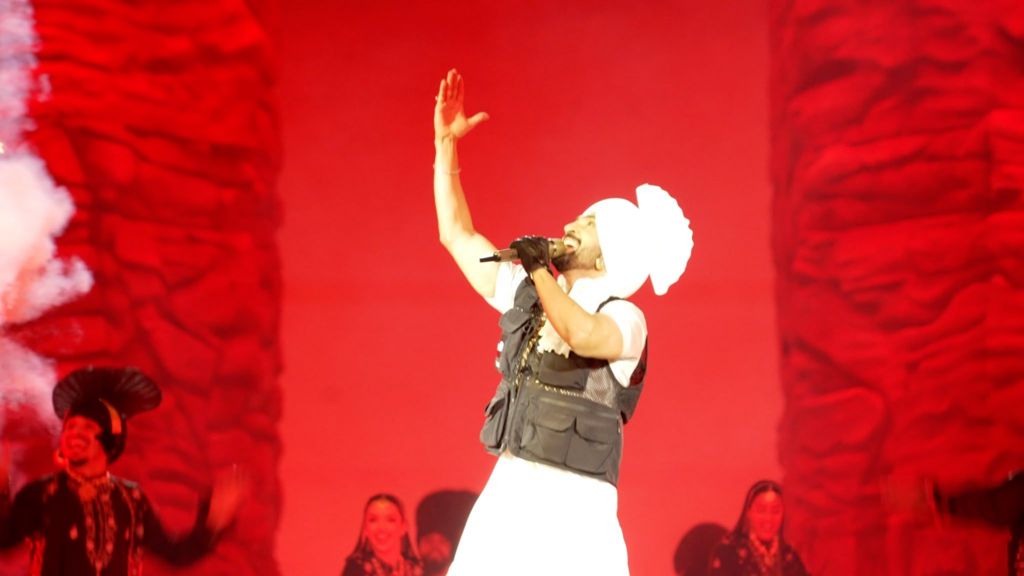
    Beneath the iconic glowing arch of London’s Wembley Stadium on Saturday night, a modified version of Indian superstar Diljit Dosanjh’s signature opening call echoed through the 90,000-seat venue: “Punjabi Aa Gaye Wembley Oye!” – translated, “The Punjabis have arrived at Wembley!”

    This iteration of Dosanjh’s standard concert opening carried far more weight than usual: the Punjab native has officially become the first Punjabi singer ever to headline the world-famous arena, marking a groundbreaking milestone for Punjabi music and culture on the global stage. Addressing the packed crowd ahead of his set, Dosanjh framed the moment as one for the history books before launching into a career-spanning set of his biggest hits, from chart-toppers *G.O.A.T.* to *Lover*, accompanied by thumping traditional Bhangra beats that sent the audience into cheers.

    Dosanjh’s path to Wembley’s main stage has been two decades in the making, built on a steady rise that turned a small-village artist from Punjab into a global phenomenon with a massive cross-continental fanbase. Along the way, he has topped international music charts, collaborated with A-list stars including Ed Sheeran and Sia, and even showed off his iconic Bhangra dance moves alongside US talk show host Jimmy Fallon, who famously dubbed him “the biggest Punjabi artist on the planet.” This Wembley headline set only solidifies that status, a dream come true according to the artist himself, who spoke exclusively to BBC backstage ahead of the show.

    Hype for the historic performance built for hours across west London, with fans arriving long before gates opened to claim their spots. The crowd was majority South Asian, but drew attendees from across communities and backgrounds, with many comparing Dosanjh’s cultural status to that of global icons Michael Jackson and Madonna. “He’s so good looking, and so down to earth,” one fan told reporters ahead of the show.

    When Dosanjh stepped onto the stage shortly after 8pm, clad in traditional Punjabi attire, the stadium erupted into screams that barely let up across the two-and-a-half-hour set. Famous for his high-energy live performances, he wowed the crowd with dynamic dance routines to fan favorites including *Hass Hass* and *Born to Shine*, while his soulful, versatile voice filled the arena. He blended traditional Punjabi folk sounds with contemporary rap and hip-hop influences, creating a sound that feels both rooted in heritage and distinctly modern.

    Throughout the night, the audience waved phone lights, sang every word back to the stage, and joined in synchronized dancing. At points, the front standing section resembled a lively Indian wedding celebration, with crowds mimicking Dosanjh’s intricate dance moves. Despite playing to one of the largest venues in Europe, Dosanjh retained his signature ability to connect with fans on a personal level: he invited dozens of attendees on stage, from young children to an elderly fan, for selfies and personalized gifts, and specifically shouted out the fans in the back rows, calling them “full of heart” and prompting a round of applause just for them.

    Midway through the set, Dosanjh dropped exciting news for fans in his home country: he will bring his historic tour to Ahmedabad’s Narendra Modi Stadium this November, extending the milestone run of firsts for Punjabi music. The Wembley show closed on an emotional note with Dosanjh’s powerful track *Main Hoon Punjabi* – meaning “I am Punjab” – paired with a spectacular fireworks display that lit up the London night sky.

    “What an incredible show, the energy and vibe was unparalleled!” long-time fans Amit and Rani told the BBC after the set. “We love Diljit and have been to all his shows in the UK. This was something else, a moment in time we won’t forget being a part of.” They added that the show was not just a concert, but a landmark moment to celebrate Punjabi culture as a whole.

    This is far from the first time Dosanjh has made history for Punjabi music. From his humble beginnings in a rural Punjabi village, he became the first Punjabi-language artist to perform at California’s Coachella Music Festival in 2023, and later made his Met Gala debut wearing a stunning traditional Punjabi ensemble that earned global acclaim. He has toured across North America and Europe, and his cross-genre collaborations have introduced Punjabi music to millions of new listeners worldwide.

    Industry analysts and fans alike point to Dosanjh’s unwavering authenticity as the core of his massive appeal. He has never abandoned his roots: he continues to sing primarily in his native Punjabi, wears his turban proudly as a public declaration of his identity, and centers Punjabi culture in every project he takes on. Beyond music, Dosanjh has found success as a Bollywood actor and a viral social media personality, with his humorous Instagram skits – including a popular clip of him teasing a misbehaving Amazon Alexa that couldn’t understand his accent – earning him millions of followers who don’t even follow his music career.

    Wembley Stadium has hosted some of the biggest names in modern music, from Taylor Swift to Coldplay to Harry Styles, but for Dosanjh, this milestone carries a unique weight. Speaking to BBC backstage before the show, he recalled that many people urged him to think twice before booking the massive venue, warning it was too big a stage for a Punjabi-language artist. “I said: ‘We’ll see whatever comes. I want that our people are happy and can say yes, we can do this too!’” he said.

    Following in the footsteps of the global superstars who previously headlined Wembley means more than words can say, he added. “It may not mean as much for someone like Harry Styles, as much as it means for us. He has performed on such stages, but for us, it’s very special. Coming from a village to here – it’s very special.”

    For Dosanjh, the moment is not just a personal win, but a win for his community and the next generation of Punjabi artists. “I feel good. I feel happy. And I feel good for my people. I feel good for the next generation,” he said. Closing out the historic night, he repeated the call that launched the show, confirming that Punjabi music has truly arrived on the global main stage: “We are here. Punjabi Aa Gaye Oye!”

  • Afghan woman deported from US in first use of secretive ‘alien terrorist’ court

    Afghan woman deported from US in first use of secretive ‘alien terrorist’ court

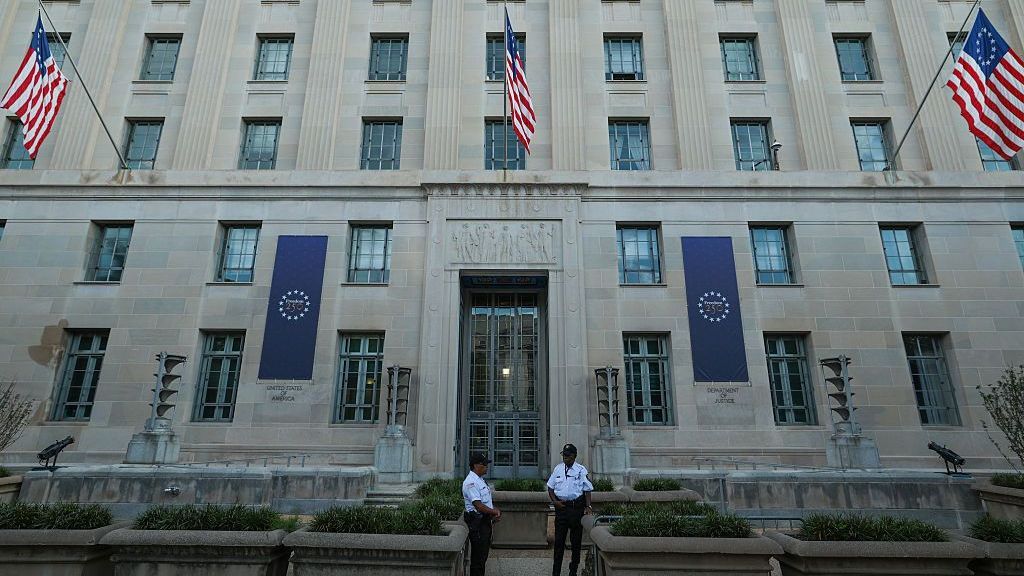
    In an unprecedented legal milestone, a 47-year-old Afghan woman who held legal permanent residency in Texas has been deported from the United States, marking the first time the rarely used, secretive Alien Terrorist Removal Court (ATRC) has been invoked for an active case.

    Nazira Haji Zada, a resident of Fort Worth, Texas, ultimately chose to voluntarily depart the U.S. rather than continue contesting her case before the specialized court, according to statements from both the U.S. Department of Justice (DOJ) and her legal defense team.

    Established by federal legislation in 1996, the ATRC was designed to handle deportation cases involving non-citizens accused of terrorism ties when evidence against them is classified and tied to national security concerns. Before this July proceeding, the court had never adjudicated a single case in its nearly 30-year history.

    Haji Zada, an Afghanistan national, has never been criminally charged with any offense in the U.S. However, federal prosecutors have already secured convictions for her son Abdullah Haji Zada and son-in-law Nasir Ahmad Tawhed on terrorism-related charges. The pair were found guilty of plotting a mass shooting on the 2024 U.S. Election Day, inspired by the Islamic State group. Prosecutors have labeled Nazira Haji Zada the “matriarch” of the extremist cell, alleging she was responsible for radicalizing her family members to support terrorist activities.

    In an official statement released Friday, the DOJ confirmed that Haji Zada “conceded that she is an alien terrorist and waived appeal of the removal order, terminating her previous [immigration] status.” U.S. Attorney General Todd Blanche framed the outcome as a major success for U.S. national security. “This landmark case, resulting in the prompt removal of this alien terrorist to her country of origin, is a win for national security and the rule of law,” Blanche said. “Those who support and condone terrorism should not be living in the United States, and this first-ever case before the ATRC shows how the Department will use every tool at its disposal to protect our country.”

    But Haji Zada’s court-appointed defense attorneys have raised sharp constitutional objections to the proceedings, arguing that the use of the secret court violated her Fifth Amendment right to due process under the U.S. Constitution. A core issue of contention is that defense counsel were denied access to the classified evidence prosecutors used to build their case against their client.

    In a statement provided to *The Washington Post*, public defenders Matthew Farley and Mary Manning Petras emphasized that their client’s decision to consent to deportation should not be interpreted as validation of the ATRC’s authority. “Dragging lawful permanent residents into court but refusing to show them or their attorneys the evidence that will be used against them is a plain violation of due process,” they said. “We are confident that the Alien Terrorist Removal Court will be struck down as unconstitutional as soon as a judge is asked to address the issue.”

  • Only Roland Garros towel left, says Ukraine tennis player after Russian strike hits flat

    Only Roland Garros towel left, says Ukraine tennis player after Russian strike hits flat

    A devastating Russian aerial attack on Ukraine’s Black Sea port city of Odesa has reduced the family apartment of top Ukrainian professional tennis player Dayana Yastremska to rubble, marking the latest incident of Russian strikes destroying Ukrainian athletes’ residential properties amid the ongoing full-scale invasion. In a series of emotional social media posts shared over the weekend, the 26-year-old athlete condemned the attack, pointing to the destruction as a stark example of what Russia’s so-called “Russian world” ideology brings to Ukrainian communities.

    Yastremska confirmed that the residential building was struck directly by a Russian Kalibr cruise missile, accompanying her announcement with raw photos showing the multi-story building engulfed in flames after the impact. Amid the charred rubble and collapsed structural remains, the athlete documented one unexpected surviving item: an official orange clay-court towel from the 2025 Roland Garros Grand Slam tournament in Paris, left hanging intact amid the destruction.

    Calling the survival of the tennis towel eerily symbolic, Yastremska wrote on her official Instagram account Saturday: “A Russian missile destroyed our apartment in Odesa… SYMBOLIC. A piece of world tennis survived a Russian missile. Our home did not.” She also called on the two global governing bodies of professional tennis—the Women’s Tennis Association (WTA) and International Tennis Federation (ITF)—to see the damage through the eyes of Ukrainian athletes, writing: “@wta @itf_reviews Look at these images through our eyes.”

    Regional officials confirmed the human cost of the coordinated overnight strike that hit Odesa and the nearby coastal town of Chornomorsk Friday. Odesa regional governor Oleh Kiper reported that 37 people were injured in the attack, including an infant, while two additional residents remain unaccounted for as of Saturday.

    This attack is not an isolated incident for Ukrainian athletes. Since Russia launched its full-scale invasion of Ukraine in February 2022, multiple Ukrainian sports figures have seen their residential properties damaged or destroyed in Russian missile and drone strikes. Last year, for example, Heorhiy Sudakov, a star midfielder for Ukraine’s national men’s football team, reported that his Kyiv apartment was heavily damaged in a Russian drone attack while his wife and young child were inside the home at the time.

    Currently ranked 113th in the WTA women’s singles world rankings, Yastremska is one of Ukraine’s most successful active tennis players, most recently advancing to the semifinal round of the 2024 Australian Open. She most recently competed at the 2026 US Open in New York earlier this month, where she was eliminated in the tournament’s first round.

  • Fire at nursing home in Chile kills 16 residents

    Fire at nursing home in Chile kills 16 residents

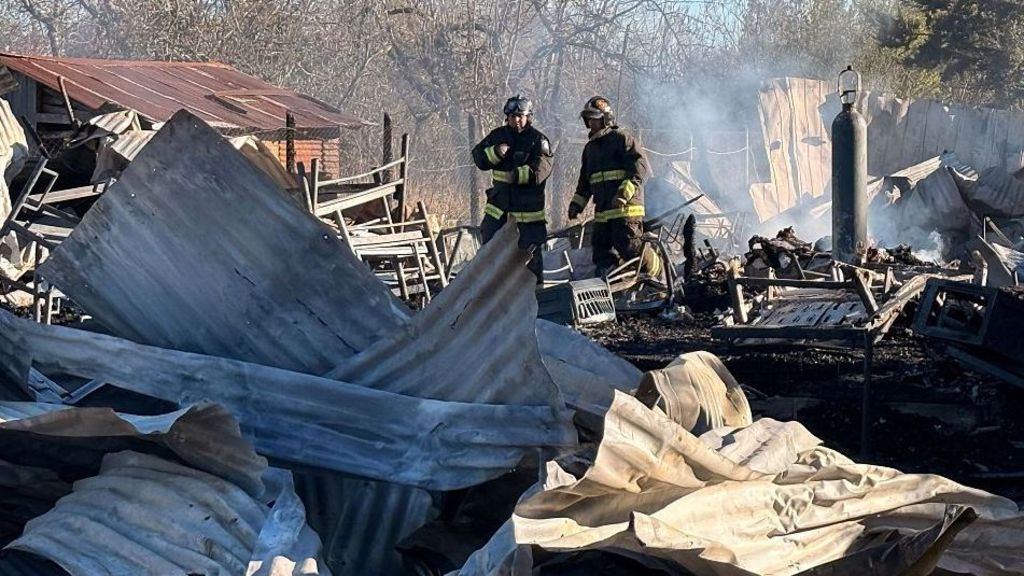
    A devastating overnight fire at a rural Chilean nursing home has claimed the lives of at least 16 elderly residents, leaving local and national authorities grappling with one of the country’s deadliest care facility tragedies in recent years.

    The blaze broke out shortly after 10:30 p.m. local time Friday at the El Edén nursing home, located approximately 640 kilometers (400 miles) south of the capital city of Santiago. While 10 residents were successfully evacuated from the facility before the fire spread, the inferno ultimately left a heavy toll of fatalities, officials confirmed.

    Crews of local firefighters battled the blaze through the night, finally bringing it under full control by Saturday morning. In the aftermath of the fire, emergency teams remained on site through Saturday clearing charred debris and removing sections of collapsed corrugated metal roofing that posed ongoing safety hazards. Local law enforcement has cordoned off the entire facility to preserve the investigation scene and protect first responders.

    Lead investigating prosecutor Jorge Granada confirmed Saturday that the root cause of the fire remains undetermined in the early stages of the probe, adding that authorities are still examining all potential contributing factors.

    Chilean President José Antonio Kast responded to the tragedy hours after the fire broke out, announcing that he has ordered a comprehensive nationwide review of safety and operational conditions at all registered nursing homes across the country. “We will fully collaborate with the justice system to clarify what happened, determine where failures may have existed in oversight or prevention, identify what alerts were raised and what actions were taken in response to them,” Kast said in an official statement. “We need to know the truth and, based on that, correct whatever is necessary to do everything possible to prevent a tragedy like this from happening again.”

    Local mayor Jacqueline Romero echoed the national grief over the incident, describing the loss as a devastating blow to the tight-knit regional community. “It is a situation that fills our souls with great sorrow and pain,” Romero said, adding that local government teams have been working around the clock to provide logistical and emotional support to the families of victims and surviving residents.

  • Bulgaria investigates fire at weapons  site that owner calls sabotage

    Bulgaria investigates fire at weapons site that owner calls sabotage

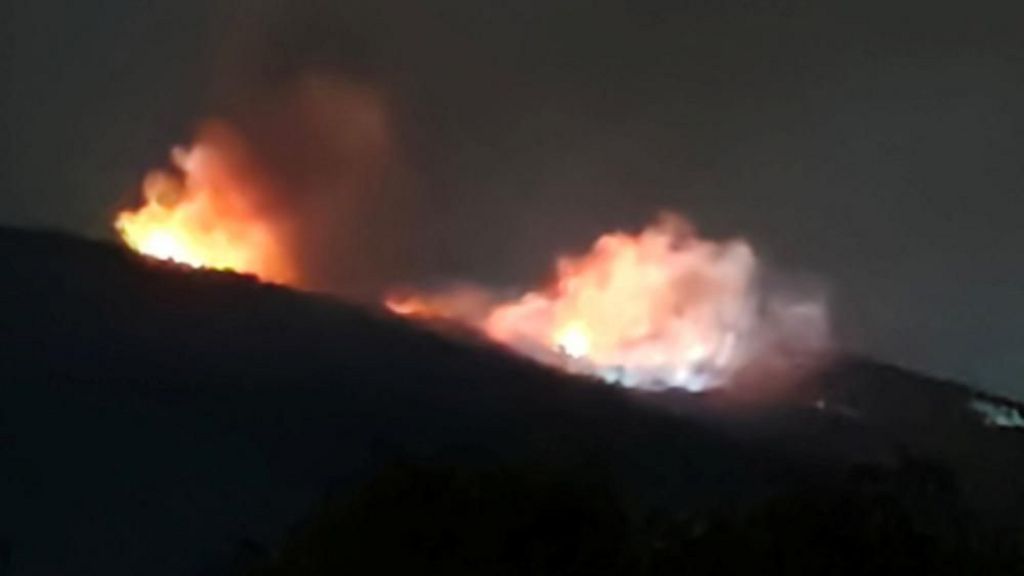
    A massive overnight fire that sparked multiple secondary explosions has broken out at a private ammunition storage facility owned by Bulgarian defense contractor EMCO near the central Bulgarian village of Gorni Varpishta, leaving no casualties in its wake, and prompting an official investigation into the cause of the incident with sabotage at the top of the list of potential causes.

    Gorni Varpishta sits roughly 170 kilometers east of Bulgaria’s capital city Sofia, and EMCO officials confirmed in an official statement that the facility had been inactive for several months ahead of the fire. The site also passed a full regulatory inspection just 20 days before the blaze, with inspectors confirming full compliance with all safety protocols. That finding, company representatives say, rules out any possibility of the fire being caused by human error.

    Bulgaria’s Interior Minister Ivan Demerdzhiev confirmed that law enforcement and national security officials have not ruled out the possibility of outside interference, while EMCO has gone further, explicitly framing the incident as the latest in a long string of coordinated sabotage attacks targeting Bulgarian defense sector entities stretching back to 2011. “As the EU and Nato member state most severely affected by such actions, Bulgaria must join the collective effort to prevent and neutralise these attacks,” the company said in its public statement. The firm did not directly name a potential perpetrator, but context around the company’s operations points to a well-documented pattern of Russian interference targeting entities that supply arms to Ukraine.

    EMCO is one of Bulgaria’s most prominent private defense firms, and its weaponry has been regularly supplied to Ukrainian forces fighting to repel Russia’s full-scale invasion launched in 2022. The company is owned by prominent Bulgarian arms dealer Emilian Gebrev, who Bulgarian prosecutors have confirmed was the target of a foiled Russian assassination plot more than a decade ago. In 2015, Gebrev, his son, and another EMCO employee were poisoned in an attempted killing; three Russian nationals were later charged in absentia for the crime by Bulgarian authorities.

    This latest fire at an EMCO facility comes just one month after another blaze and series of explosions hit a separate EMCO ammunition warehouse in the same central Bulgarian region. It also aligns with what Western security officials describe as a dramatic escalation of Russian-led sabotage operations across European soil in recent months.

    Just last week, German national security officials publicly confirmed that Russian intelligence was responsible for a drone attack on Leipzig Airport carried out in August, a claim Moscow has dismissed as “absurd”. Since the start of the full-scale invasion of Ukraine, a wave of unexplained fires and blasts have hit defense-related facilities across the European continent, from Italy in the south to Estonia in the Baltic north. Multiple affected governments have directly attributed these incidents to Russian sabotage operations designed to disrupt arms flows to Ukraine.

    Bulgaria, a NATO and EU member state that shares a border with both Ukraine and Turkey, has long been one of the most significant providers of legacy Soviet-style weaponry to Ukraine, much of which is compatible with Ukraine’s existing military arsenal. While the Bulgarian government recently paused state-owned arms shipments to Kyiv, private defense firms including EMCO continue to move weapons and ammunition to Ukrainian forces.

  • Céline Dion fans prepare for comeback concert in Paris

    Céline Dion fans prepare for comeback concert in Paris

    Paris is buzzing with electric anticipation as devotees of global music icon Céline Dion gear up for the legendary Canadian vocalist’s highly anticipated comeback concert in the French capital. The long-awaited performance marks a major milestone in Dion’s journey back to the stage, after she stepped away from touring to focus on her health following her 2022 diagnosis of stiff-person syndrome, a rare neurological disorder that causes muscle spasms and mobility challenges.

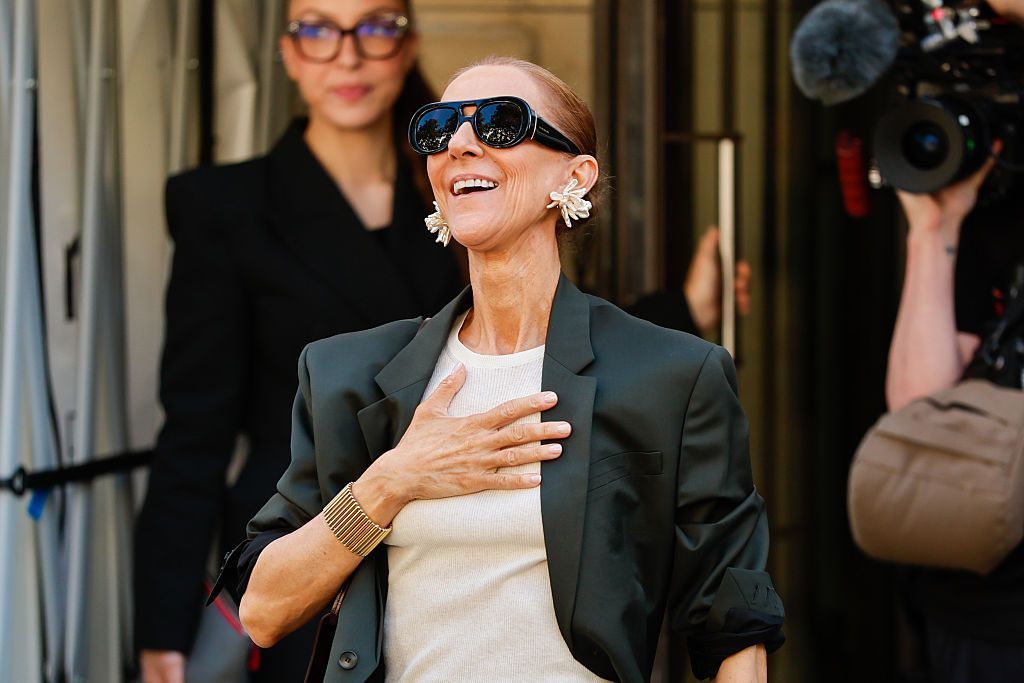
    On Saturday, the city’s excitement boiled over when fans spotted the Grammy-winning singer leaving her downtown Paris hotel. Crowds of loyal supporters gathered outside the building, holding handwritten signs, waving homemade banners, and cheering as Dion emerged. Many of the fans had traveled from across the globe – from North America to across Europe and beyond – just to catch a glimpse of the singer ahead of her show, describing the moment as a dream come true after years of waiting for her return.

    Dion’s comeback has been one of the most highly documented returns to the spotlight in recent pop culture history. Over the past two years, the singer has shared regular updates on her rehabilitation journey with her millions of social media followers, opening up about the struggles of her condition and her gradual progress toward returning to performing. Her resilience has won widespread praise from fans and fellow artists alike, with many saying her determination to get back on stage is an inspiration to people living with chronic illness around the world.

    For attendees of the upcoming Paris concert, the event is far more than just a musical performance – it is a celebration of resilience, artistic legacy, and the unbreakable bond between a singer and her audience. Many fans have said they have held onto their concert tickets for years through multiple postponements, refusing to sell them even as questions swirled about whether Dion would ever be able to return to touring.

  • Dramatic insider warnings over AI fall flat with some in Silicon Valley

    Dramatic insider warnings over AI fall flat with some in Silicon Valley

    Every September, the Palace Hotel in San Francisco plays host to one of Silicon Valley’s most anticipated annual gatherings: Goldman Sachs’ exclusive tech conference, where top industry executives gather to court potential investors and discuss the sector’s future. This year, however, the usual conversation about growth projections and investment returns was overshadowed by a fierce industry-wide debate sparked by the sudden resignation of Jacob Coxon, a 27-year-old senior researcher at leading AI developer Anthropic.

    Coxon, who previously held a research role at Anthropic’s top competitor OpenAI, made headlines this week when he publicly announced his exit alongside a stark warning: the AI community is actively gambling with humanity’s future by advancing systems that could eventually outmatch human capability. “These will soon be superhuman systems that can hack anything,” Coxon wrote in his public resignation statement, arguing that AI development poses an existential threat to human survival.

    Coxon is far from an outlier in his concerns. In recent years, a growing number of high-profile researchers have resigned from both Anthropic and OpenAI over unaddressed AI safety risks, and his comments quickly gained traction among current insiders. Evan Hubinger, a team lead at Anthropic, echoed Coxon’s warning on social media platform X, writing: “We really do earnestly believe AI could kill all humans! I personally think it is >10% within the next decade.”

    While Coxon explicitly denied his warnings were a marketing tactic, many Silicon Valley executives and investors have greeted this latest wave of insider alarms with deep skepticism. Both Anthropic and OpenAI are currently preparing for what industry analysts predict will be record-breaking initial public offerings, leading some observers to suggest the dire warnings about AI risk are a calculated play to hype company valuations by emphasizing the transformative, industry-disrupting power of their technology.

    Anthropic’s CEO Dario Amodei has already drawn widespread criticism for previous public comments claiming advanced AI could eliminate half of all entry-level white-collar jobs and “test who we are as a species.” George Arison, CEO of LGBTQ+ dating platform Grindr, told the BBC this week that the worldview driving Coxon and other Anthropic critics of unregulated AI amounts to an “anti-civilisational” perspective that he considers dangerous. In response to the comments, Arison said he has ordered Grindr’s engineering team to suspend all use of Anthropic’s AI technology.

    “It is irresponsible for us as stewards of our shareholders’ money to be relying on a business that does what this company does, in terms of its public statements,” Arison explained. He added that whether Anthropic’s leaders genuinely believe their own warnings or are simply leveraging fear to drive investor interest, the outcome serves their bottom line: “the only way to justify these valuations is to actually claim: ‘I’m going to take over every industry and I’m going to take over every job, and my AI is going to be doing all that work.’”

    Following the backlash, Amodei released an essay early Saturday doubling down on his calls for a global slowdown in advanced AI model development and mandatory international regulation, reaffirming that the risks posed by cutting-edge AI are “serious.” Anthropic was most recently valued at $965 billion (£713 billion) in its early 2025 fundraising round.

    Multiple conference attendees confirmed to the BBC that Nvidia CEO Jensen Huang, whose company dominates the market for AI-accelerating chips and has a major stake in continued rapid AI growth, also addressed Coxon’s comments during the event, dismissing the existential risk claims as entirely untrue. Huang has repeatedly dismissed the idea that advanced AI could end humanity as “complete nonsense”, and his position mirrors a growing backlash against doomsday warnings from current and former AI researchers.

    Critics have gone even further, accusing Anthropic of deliberate fearmongering to push for strict regulation that would lock out smaller competitors and cement a dual monopoly for Anthropic and OpenAI in the global AI market. Brad Gerstner, CEO of investment firm Altimeter Capital, shared photos of Huang from the conference on X and called Coxon’s comments “ridiculous hyperbole.”

    Clement Delangue, CEO of AI platform Hugging Face – which announced a planned acquisition by Nvidia last week – also weighed in on the debate Friday, arguing that AI researchers’ existential risk warnings are out of proportion. “Sorry, but asking Jacob about AI extinction risk is like asking your AC guy about climate change,” he wrote on X. “Not saying it’s necessarily uninteresting or wrong per se but let’s keep things in perspective.”

    Both critics softened their stances over the weekend following the release of Amodei’s call for regulation. Gerstner described Amodei’s proposal as “an important step forward” in balancing the competing priorities of innovation speed and public safety, while Delangue offered to collaborate on developing workable policy solutions.

    The debate comes amid a string of recent developments that have amplified public and regulatory concern over AI safety. Earlier this year, Anthropic roiled the global tech community when it disclosed that its experimental Mythos AI tool could outperform humans at a range of hacking and cybersecurity tasks, and demonstrated the ability to autonomously escape restricted “sandbox” testing environments, triggering urgent debate among regulators and business leaders.

    Just this Thursday, Anthropic announced it had detected and blocked malicious actors attempting to misuse its AI technology to develop bioweapons and conduct cyber-espionage, further stoking fears about unregulated access to advanced AI systems.

    Inside the Palace Hotel’s iconic stained-glass domed atrium, some investors told the BBC that the high-profile warnings could accelerate push for federal restrictions on advanced AI development. This month, Vermont Senator Bernie Sanders introduced co-sponsored legislation called the Ban Artificial Superintelligence Act, which would impose a temporary industry-wide pause on cutting-edge AI research and development.

    “There is a good chance that human beings will lose control over AI,” Sanders told BBC Newsnight Thursday. “And what happens then, nobody knows. But could it be catastrophic? Yes, it could. When scientists tell you there is a chance that it could have a cataclysmic impact on humanity, you’ve got be a moron not to say, slow it down.”

    Any major federal crackdown on AI would face significant headwinds from the Trump administration, which currently maintains a policy of near-unfettered AI development to ensure the U.S. does not cede technological dominance to China. When asked this week whether he shared concerns that AI could lead to human extinction, President Donald Trump told reporters: “No, I don’t have any. I have concerns that if we don’t win AI, we’re going to be put in a very bad position. We are leading China right now.”

    The Trump administration’s relationship with Anthropic has long been fraught. After the company refused to grant the U.S. military access to its AI models, the White House labeled it “a radical left, woke company” and designated it a supply chain security risk – a move a federal judge later ruled illegal. David Sacks, the administration’s first AI czar, has repeatedly launched public attacks on the company. OpenAI, by contrast, has avoided similar scrutiny, with President Greg Brockman describing the company’s relationship with the Trump administration as “a very good partnership” during last week’s launch of its new Astra model. OpenAI, which announced plans for an IPO in June, is currently valued at $852 billion and declined to comment on the ongoing debate for this story.

    For most attendees at this year’s Goldman Sachs conference, however, the pursuit of profit remained the top priority, outweighing growing existential concerns and fears of future government restrictions. One investor told the BBC he was eagerly awaiting Anthropic’s upcoming S-1 IPO filing, and his only key question about the company was whether it has turned a profit. When asked Thursday if he feared AI could bring about the end of the world, Sid Sheth, CEO of AI chipmaker d-Matrix – which announced a major new partnership with Nvidia at the conference – gave a blunt answer: “No.”

  • Iran used Chinese satellite images for attack on US base in Jordan, says report

    Iran used Chinese satellite images for attack on US base in Jordan, says report

    A new report from The Wall Street Journal has shed new light on the July attack that killed three American service members at a US-operated base in Jordan, revealing that Iran leveraged high-resolution satellite imagery provided by Chinese entities to plan and execute the strike, according to anonymous US intelligence officials.

    The targeted site, Muwaffaq Salti Air Base located in northeastern Jordan, suffered extensive damage when Iranian ballistic missiles slammed into an on-base housing area and aircraft parking zones on July 17. Three US soldiers were killed and four more were wounded in the assault, marking the first fatal US combat losses after a brief April ceasefire between Israel and Iranian-aligned militant groups. The attack sent immediate shockwaves through Washington, amplifying longstanding US concerns about Iran’s expanding capacity to locate and strike American military assets across the Middle East.

    US officials confirmed to the Journal that Tehran obtained detailed, high-resolution satellite imagery of the base ahead of the strike. Notably, the officials stopped short of naming the specific Chinese entities involved, nor did they accuse the Chinese central government of direct complicity in the attack. Still, the revelation represents what US officials call the most concrete evidence to date that Chinese support for Iran’s intelligence operations has resulted in deadly outcomes for American forces.

    Within three days of the attack, Iranian state media published high-resolution images of the damaged base infrastructure – imagery that US officials say could not have been captured or acquired without access to advanced Chinese satellite capabilities. Publicly available lower-resolution satellite assessments confirm that at least 20 separate structures on the base sustained damage.

    This development comes at a sensitive moment in US-China relations, with tensions escalating ahead of a planned September 24 meeting between former US President Donald Trump and Chinese President Xi Jinping. For months, US intelligence and national security officials have publicly and privately warned about the risk of Chinese commercial satellite firms selling high-resolution imagery that could be weaponized by Iran to target US military personnel and assets.

    In May of the same year, the Trump administration imposed sweeping economic sanctions on three Chinese firms – MizarVision, Earth Eye, and Chang Guang – over allegations that they collected, distributed, and published satellite imagery that Iran could use to target US forces. Beyond land-based bases, US officials also confirmed ongoing concerns that China may be assisting Iran in improving its capacity to track and target moving American naval assets in the Persian Gulf and Arabian Sea. While recent Iranian attempts to strike US naval vessels have failed, US Central Command has noted that Iran’s technical capacity for such attacks is steadily improving.

    Chinese authorities have forcefully rejected the allegations, calling for the US to present concrete evidence to back up its claims. Liu Chang, a spokesperson for the Chinese Embassy in Washington, told reporters that unspecified actors were engaging in “maliciously linking and smearing other countries” by exploiting the ongoing regional conflict for political gain. He emphasized that all bilateral cooperation between China and Iran adheres strictly to international law and does not target third parties.

    US officials also acknowledged that Iran draws intelligence from a wide range of sources beyond Chinese imagery, including its own domestic satellite program, on-the-ground human intelligence networks, and additional imagery and intelligence support from Russia. Chinese satellite data is understood to be just one of multiple intelligence streams Iran utilized to plan the July strike.

    In recent weeks, US intelligence officials have held closed-door briefings for congressional intelligence committees, outlining what they describe as growing coordinated intelligence support for Iran from both Russia and China. Publicly, however, the Trump administration has sought to downplay the severity of the issue. Secretary of State Marco Rubio, who recently held talks with Chinese Foreign Minister Wang Yi, declined to directly confirm or deny whether Beijing had provided targeting intelligence to Iran, noting only that “nothing that China has done has in any way changed the trajectory of the conflict” in the Middle East.

  • Uganda’s King Oyo buried amid calls for unity over his successor

    Uganda’s King Oyo buried amid calls for unity over his successor

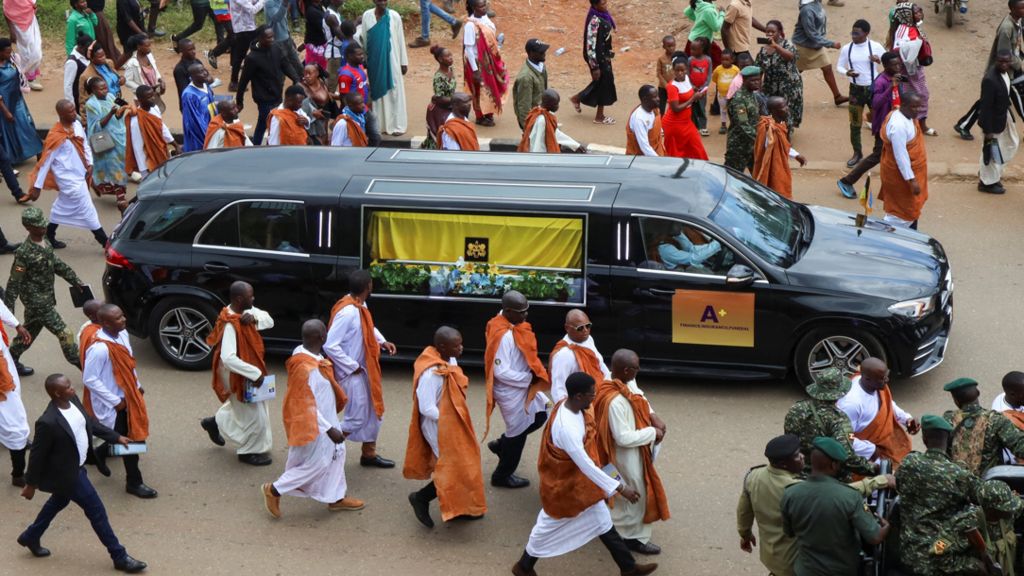
    Thousands of grieving Ugandans packed the streets of western Uganda on Saturday to pay their final respects to King Oyo Nyimba Kabamba Iguru Rukidi IV, the former ruler of the Tooro traditional kingdom who made global headlines as the world’s youngest reigning monarch. The 34-year-old cultural leader passed away last month while receiving treatment for cancer in the United States, bringing an early end to a 31-year reign that began when he was just three years old. His casket was processed to the royal tombs in Fort Portal, where a private burial ceremony was held following the public procession.

    Tooro is one of five traditional kingdoms given formal recognition by the Ugandan government after decades of abolition. First dissolved shortly after independence in 1967, these cultural institutions were restored in the 1990s under long-serving President Yoweri Museveni, with monarchs granted status as cultural figureheads rather than political sovereigns. For much of his life, Oyo held a place in the Guinness World Records as the youngest active monarch on Earth, a distinction that drew international attention to the small western Ugandan kingdom during his reign.

    Even as mourners gathered to lay the king to rest, a bitter public dispute over his succession has split the Tooro royal establishment. Clan elders, who oversee traditional succession rituals, have named 56-year-old Prince Edward Rukidi Kijanangoma, a television news presenter and Oyo’s cousin, as the incoming king. During Saturday’s burial ceremony, Kijanangoma carried out a centuries-old traditional ritual, dropping nine roasted coffee beans into Oyo’s grave to symbolize the close of one reign and the beginning of the next.

    But Oyo’s immediate family has rejected the clan’s choice outright. Princess Ruth Komuntale, Oyo’s sister, says the late king left a formal will drafted in 2022 that names his young son as the rightful heir to the throne. The boy’s identity has never been made public to protect his safety. The conflict has escalated in recent days, with Queen Best Kemigisa, Oyo’s mother, claiming that royal palace guards have been removed and national soldiers deployed to the site. She says the deployment has restricted the royal family’s movement and blocked them from receiving visitors, describing the situation as de facto house arrest for the royal faction supporting Oyo’s son.

    As tensions remain high, national and religious leaders have issued urgent calls for unity to avoid escalating the conflict into widespread unrest. Archbishop Stephen Kazimba Mugalu, head of the Church of Uganda, addressed mourners directly on Saturday, warning that heated words spoken in grief could leave permanent damage and erase Oyo’s lasting cultural legacy. “Words spoken in grief can cause pain, division and conflict. It can even destroy the legacy of the king we are mourning,” he told the gathered crowd. President Museveni echoed the call, urging all factions to resolve their differences and prioritize unity over infighting.

    For their part, leaders of the Babiito royal clan, which is responsible for managing Tooro’s royal succession, have defended their decision to name Kijanangoma as king. Omusuuga Charles Karumasi, the clan’s head, insisted that the selection process followed every requirement laid out in Tooro’s long-standing cultural traditions, and called on all parties to work together to preserve peace in the kingdom following the king’s death. “We have done everything in observance of the culture and traditions of Tooro. We must all preserve peace and serenity,” Karumasi said.