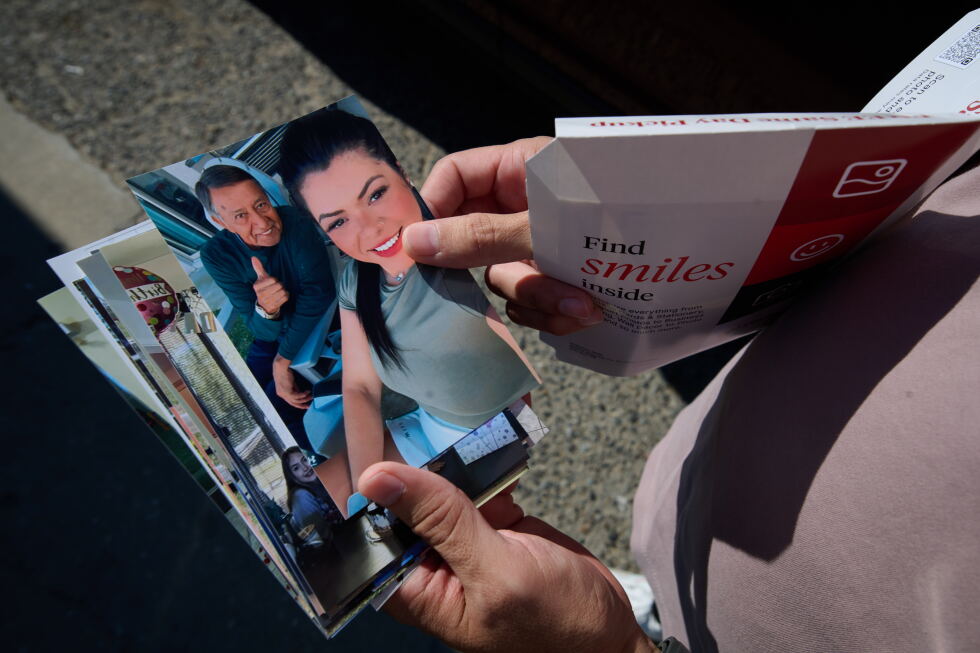
A months-long nightmare for a military family took an unexpected turn this week, when Maisa Lopes Eliaser, the Brazilian wife of an active-duty U.S. Army soldier, was removed from a deportation flight mid-trip and allowed to return home to Louisiana, after spending more than 30 days in federal immigration detention.
作者: admin
-
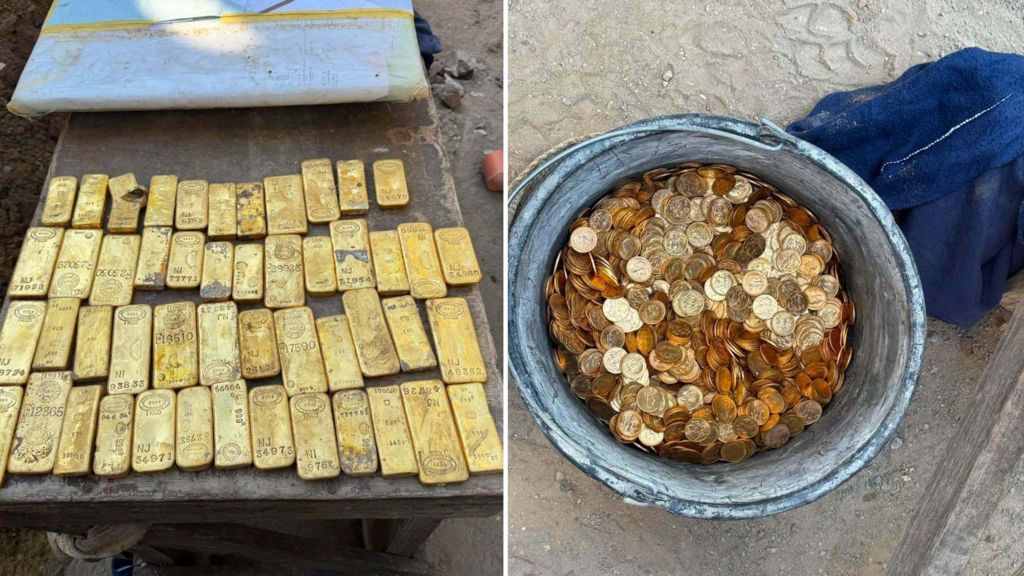
Builders unearth €9m gold loot sealed in walls of Belgian property
A routine home renovation project in the Belgian city of Dendermonde, East Flanders, has turned into one of the most extraordinary treasure discoveries in recent European history, after construction workers uncovered a sealed cache of gold estimated to be worth roughly €9 million (£7.6 million) tucked inside the cellar walls of the property.
The find came earlier this week as the team carried out foundation renovations and drilled to install new sewage lines at the site, which is currently owned by CAW Oost-Vlaanderen, a local welfare charity that provides support services to vulnerable community members. Among the workers who stumbled across the hoard was 18-year-old summer job student Kobe, who described the moment of discovery in an interview with Belgian public broadcaster VRT.
“Our first reaction was actually disbelief, amazement,” Kobe explained. “At first I thought they were €1 coins. But then we also saw a gold nugget lying there. That’s when we realised it was something far bigger than we ever expected.”
Site manager Mario added that the team never considered keeping the hidden treasure for themselves, noting the sheer scale of the hoard made that option impractical, and morally wrong. “There are so many coins and bars – it would be almost impossible,” he said. “Besides, that would be theft.” Kobe echoed that sentiment, adding simply: “€9m – you simply can’t keep that hidden.”
After the discovery, the workers immediately notified Lokale Politie Dendermonde, the local police department, which has since relocated the entire cache of gold bars, coins, and nuggets to an undisclosed secure location. In a public statement, police cautioned amateur treasure hunters against traveling to the active construction site to search for additional gold, confirming the entire property has already been thoroughly searched and “turned upside down” by investigators.
In a lighthearted nod to the viral discovery, Dendermonde police have even updated their official Facebook profile picture to feature an image of one of the recovered gold coins. The department said in a post that it hopes the cache will eventually end up “in the right place” and go on to improve people’s lives.
Geert Hillaert, director of property owner CAW Oost-Vlaanderen, said the charity’s leadership was equally shocked by the find. “My first reaction was surprise and amazement,” he told reporters, adding that the organization hopes if it is entitled to a share of the gold, the proceeds will go toward supporting the charity’s frontline work, where teams face “enormous need we experience daily” supporting local residents.
Under Belgian law, any rightful owner of the hidden hoard has five full years to come forward to stake a legal claim to the treasure, and local prosecutors have already launched a formal investigation to trace the cache’s origin. Investigators have not yet released any details linking the gold to criminal activity, a key factor that will shape how the treasure is distributed if no owner steps forward.
If no legitimate claimant successfully claims the €9 million hoard before the five-year window closes, Belgian civil code dictates that hidden treasure found on another person’s property must be split equally between the person who discovered it and the legal owner of the land where it was found. That means both the construction team that uncovered the gold and the welfare charity that owns the Dendermonde property could walk away with a share worth millions – leaving both parties waiting 1,825 days for a final resolution that could change their futures forever.
-
Israel calls for police to replace military in handling West Bank settlers
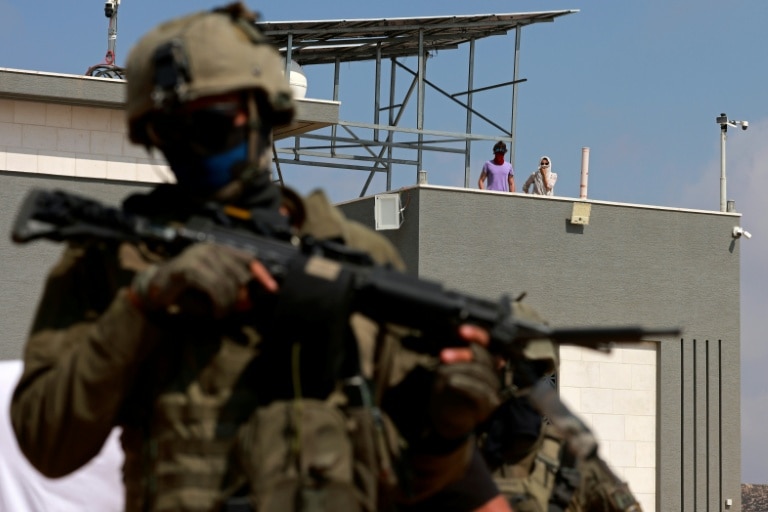
Five days into a disruptive siege that has trapped three Palestinian households in the northern West Bank village of Qusra, Israeli Defense Minister Israel Katz announced a controversial policy shift Friday: he has ordered the Israel Defense Forces (IDF) to draft a plan that would transfer all civil law enforcement authority over Israeli settlers in the occupied West Bank to the national police.
The proposal, which comes amid sustained right-wing criticism of the military for repeated attempts to eject violent, harassing settlers from Palestinian land, would reconfigure security governance in the territory Israel has occupied since the 1967 Six-Day War. Under the new framework, the IDF would retain full security control over Palestinian residents, while refocusing its official mandate on counterterrorism operations and border defense, rather than policing unruly settler groups.
“The IDF’s role is to fight Palestinian terrorism, focus on defending borders and communities against threats… and not chase boys on the hilltops,” Katz stated in an official release, referencing the Hilltop Youth, a radical settler faction widely accused of systemic violence against Palestinian civilians. “The police will prepare and establish an appropriate force to handle civil matters, and will be granted all necessary powers and budgets.” The statement used “Judea and Samaria,” the Biblical terminology preferred by pro-annexation Israeli politicians, to refer to the West Bank.
Analysts widely view the proposed transfer of power as a major step toward de facto Israeli annexation of the occupied Palestinian territory, a policy goal openly endorsed by multiple senior members of Prime Minister Benjamin Netanyahu’s far-right governing coalition. However, Israeli media reports indicate the policy shift is extremely unlikely to be finalized before the country’s national parliamentary elections scheduled for October 27, which current polling projects will be highly competitive.
The announcement arrives against the backdrop of an ongoing siege that began Sunday, when Israeli settlers blockaded access to three Palestinian homes in Qusra, near the city of Nablus. Palestinian residents have reported being completely cut off from food, clean water, and essential medical supplies for nearly a week, even after the IDF made multiple attempts to disperse the blockading settlers. The siege has drawn unusual international backlash, including rare public criticism from the United States, a longstanding ally of Israel.
Even Mike Huckabee, the U.S. Ambassador to Israel and a decades-long outspoken supporter of Israeli settlement expansion, condemned the blockade Thursday. “There is no excuse for such thuggish behaviour,” Huckabee wrote on the social platform X, adding that “Actions by those who carried out this horrific act of terror meant to intimidate and harass this family are disgusting.” Notably, one of the three besieged properties is owned by a U.S. citizen.
On Friday, a small delegation of left-wing Israeli activists and lawmakers managed to deliver critical supplies to the trapped families, after dropping the donations outside the siege zone for Israeli military inspection. “We have succeeded in bringing water, food and medicine to the besieged homes in the village of Qusra,” said Ofer Cassif, a member of Israel’s parliament from the far-left Hadash party. AFP reporters on the ground observed that while settlers were present at the site early Friday, most had left the immediate perimeter of the homes by midday; a new settler tent erected near the properties Friday morning was also removed by the afternoon.
Many participating activists voiced public condemnation of the siege and the Israeli government’s response. “I’m so ashamed of what my people do here to the Palestinians,” 72-year-old retired Israeli prosecutor Naomi Granot told AFP, who joined the aid delivery. “I would like us both people to get together, to get an agreement. What my people are doing here is just awful. It’s unlawful.”
Anton Goodman, acting director of the Israeli human rights NGO Rabbis for Human Rights, accused the IDF of enabling settler violence in the area. “The military has let settler terrorists go wild in this area, take over houses, injure people, stop their livelihoods, enforce no freedom of movement,” Goodman said. In response to the criticism, the IDF said Thursday that it had deployed troops to Qusra “to protect the residents and maintain security in the area.”
Currently, more than 500,000 Israeli settlers live in West Bank settlements, which are widely recognized as illegal under international law, alongside an estimated 3 million Palestinian residents. Since Netanyahu’s right-wing government took office, settlement construction and expansion have accelerated dramatically, while incidents of settler violence against Palestinian civilians have spiked sharply following the October 7, 2023 Hamas attack from Gaza.
-
Europe wildfires: latest developments
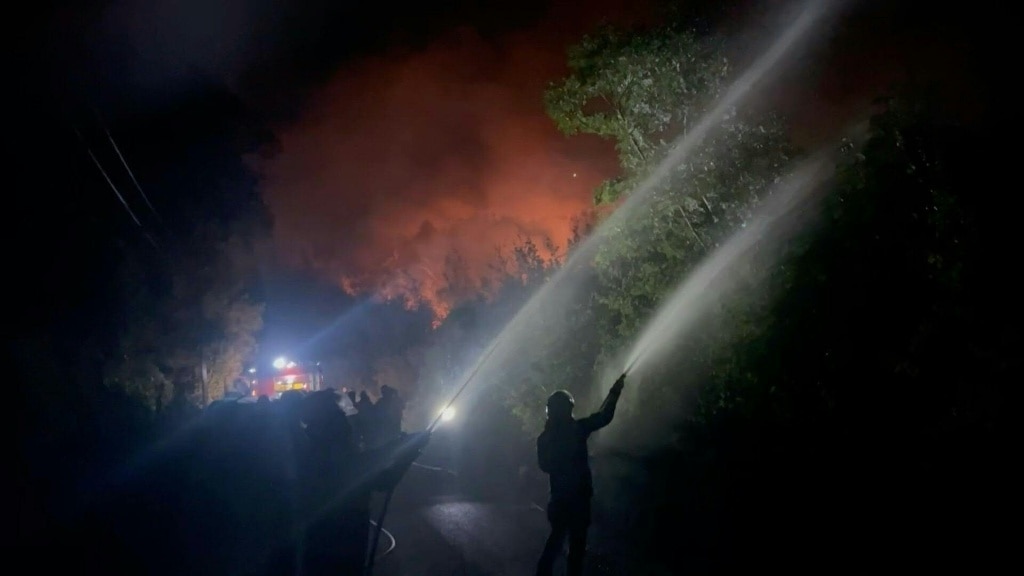
As a brutal summer heatwave continues to grip the European continent, nations across the region are locked in an urgent battle against a rapidly spreading wave of wildfires that have forced mass evacuations, destroyed residential property, and put irreplaceable cultural heritage sites at risk. Scientists have already labeled this summer as one of the hottest in recorded history for Europe, which is warming faster than any other continent on Earth — a trend that has exacerbated drought conditions, turned landscapes into tinderboxes, and created the perfect environment for uncontrollable blazes to ignite and spread. This extreme weather event has already been linked to thousands of heat-related deaths across the continent, and the wildfire risk shows no sign of abating.
According to calculations from Agence France-Presse, Friday offered no reprieve from the sweltering conditions, with an estimated 150 million people across France, Germany, Spain, and Italy forecast to face temperatures exceeding 35 degrees Celsius. Below is a breakdown of the latest wildfire developments across the most affected regions:
In coastal Croatia, firefighting teams are confronting what the nation’s fire chief Slavko Tucakovic described as one of the most destructive wildfires in the country’s modern history. The fast-moving blaze has already consumed dozens of residential homes, left 19 people injured, and forced the evacuation of approximately 2,000 residents from nearby hilltop villages. When access to the area reopened mid-morning, AFP reporters on the scene witnessed the charred remains of multiple burnt-out vehicles along roads near the town of Omis, with some reduced to pools of melted silver metal from the fire’s extreme heat.
In northeastern Spain, a blaze that ignited earlier this week in the Aragon region has already forced 850 people to flee their homes, and is now encroaching on the iconic San Juan de la Pena monasteries. The older of the two 10th-century sites is considered a defining cultural symbol of Aragon, and holds the remains of the medieval kingdom’s first monarchs. As a precautionary measure, all royal remains and historic artifacts have already been moved to safety ahead of the approaching flames.
Western Germany has also been hit hard, with local officials confirming that a single wildfire near the town of Huertgenwald, close to the Belgian and Dutch borders, forced roughly 1,800 residents to evacuate overnight. The blaze exploded in size from just 25 hectares to more than 300 hectares by Friday morning, prompting authorities to deploy military equipment and helicopters to support firefighting efforts. Witnesses reported thick plumes of smoke with ash falling steadily from the sky, describing an overwhelming sense of alarm. Further east in North Rhine-Westphalia, another 100 emergency workers were battling a separate large wildfire near the popular Moehnesee lake.
France, which has already faced dozens of major wildfire outbreaks throughout the 2023 summer season, is now tackling a new blaze in its southwestern Landes department that has burned more than 1,100 hectares of land and forced more than 500 people to evacuate as it approaches the village of Luglon.
The Balkan region is also grappling with expanding blazes, as the record heatwave worsens long-running drought conditions across Montenegro and Albania. Montenegrin emergency crews have been fighting coastal wildfires for several consecutive days, while new blazes were reported just outside of Albania’s capital city of Tirana on Thursday.
In the United Kingdom, National Fire Chiefs Council leadership warned that British firefighters are operating under significant pressure, with multiple simultaneous wildfires spreading across the country amid soaring temperatures and widespread drought. On Thursday, the UK’s hottest day of the year to date, a large blaze near Stourbridge in central England left fields scorched and multiple homes destroyed, and sent three firefighters to hospital for treatment.
In northern Greece, a forest fire approaching two popular coastal tourist resorts prompted a mass evacuation on Thursday, with roughly 500 beachgoers and tourists rescued by a fleet of small fishing and recreational boats. Many evacuees were still wearing swimwear as they were transported to safer nearby beaches, while around 200 people were taken to a larger waiting ship offshore. Hundreds of firefighters remain on the ground working to contain the blaze.
-
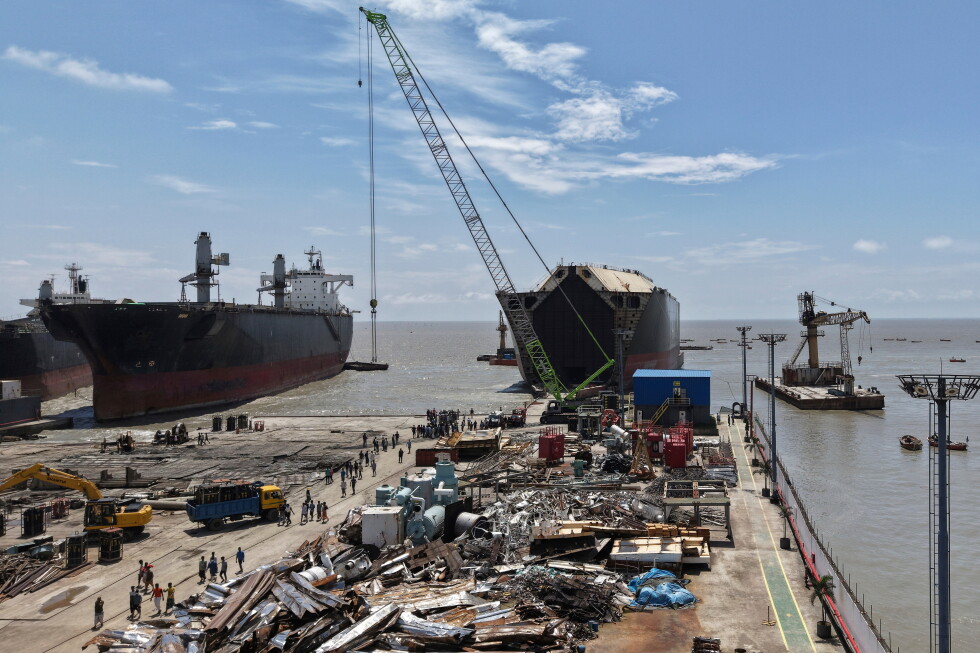
A toxic gas leak at a Bangladesh shipbreaking yard kills at least 8 workers
A tragic industrial accident has shaken Bangladesh’s major shipbreaking sector, after a suspected toxic gas leak at a coastal dismantling facility left at least eight workers dead and multiple others injured on Friday. The incident unfolded at the Ferdous Steel Ship Breaking Yard, located in the Sitakunda region of southeastern Bangladesh, local law enforcement confirmed.
Mohammed Alamgir, a local police inspector, shared initial details with reporters: early reports put the on-site death toll at six, but two additional victims succumbed to their injuries after being evacuated from the accident site for emergency medical care. As of press time, representatives of Ferdous Steel have not responded to requests for comment on the disaster.
According to Bangladesh’s official state news outlet Bangladesh Sangbad Sangstha, Mahbubul Hasan, a senior official with the country’s government factory inspection agency, confirmed that the workers were killed by toxic fumes released from the decommissioned vessel being dismantled at the yard. “Two key lines of inquiry are now open: what triggered the gas release, and whether the facility had implemented sufficient required safety protections for its on-site workers,” Hasan stated, adding that a full official probe is ongoing.
Sitakunda’s coastal strip, located in Chattogram division, is the global heart of the shipbreaking industry: Bangladesh’s sector alone is a multi-billion-dollar enterprise that dominates the global market, handling roughly 36% of all ship scrapping activity worldwide. Around 150 licensed shipbreaking yards operate along the 20-kilometer coastline, generating an annual revenue of $2.46 billion. The industry supplies more than half of Bangladesh’s domestic scrap steel, and provides jobs for tens of thousands of working people across the region.
For years, environmental advocacy groups have raised urgent alarms about working conditions and regulatory gaps in Bangladesh’s shipbreaking sector. Campaigners point out that many end-of-life ships sent to Bangladesh for scrapping originate from Western nations, and carry high levels of pre-existing hazardous waste. They also warn that systemic failures to enforce basic safety protocols and minimum environmental standards put both workers and local coastal communities at constant risk of accidents and long-term health harm.
-
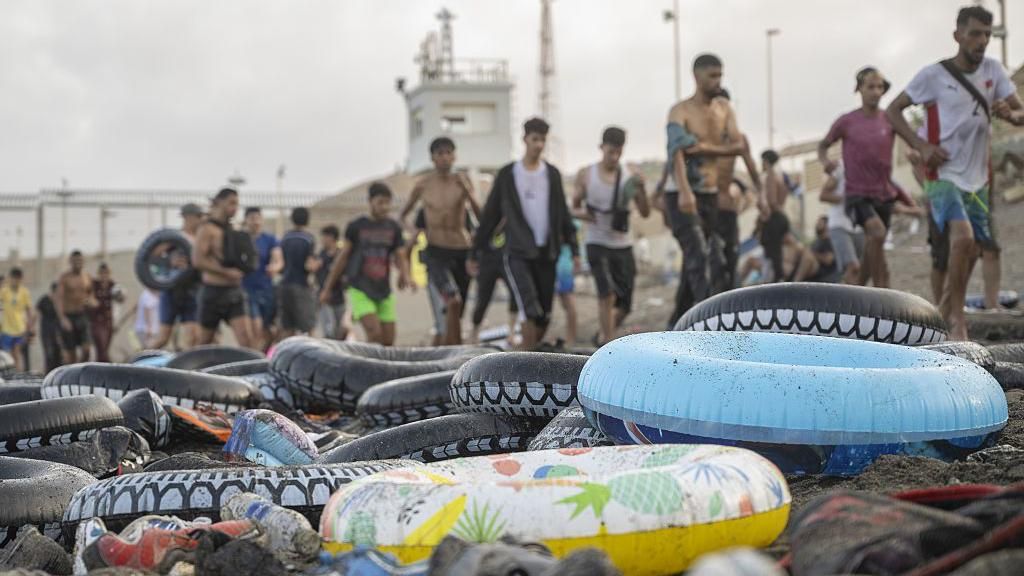
Instagram accounts fuelling Ceuta crisis with paid advice for help to cross
A recent undercover investigation by the BBC’s Top Comment podcast has uncovered a coordinated network of Instagram profiles that spread dangerous misinformation to encourage irregular migration from Morocco to the Spanish North African enclave Ceuta, while charging desperate aspiring migrants hundreds of pounds for fraudulent crossing guidance. The investigation comes in the wake of a devastating mass migration event last month, when approximately 78,000 Moroccan migrants crossed into Ceuta by sea in just a matter of hours. Ceuta’s mayor confirmed that at least 100 migrants died during that chaotic crossing, and the unprecedented crisis has already strained diplomatic relations between Morocco and Spain, as well as sparked internal tensions among European Union member states that share open border policies. While the immediate crisis has de-escalated in recent weeks, the investigation reveals that deceptive social media activity continues to drive renewed attempts at crossing, putting more lives at risk.
To unpack the scope of the operation, the investigation created a fake undercover profile under the name “Mohammed,” a 20-something Moroccan man seeking to emigrate to Europe. The profile was designed to mirror the accounts of young Moroccans who engage with migration-related content on the platform, and it quickly became a target for the network. Within days, the fake account was contacted by an anonymous profile that claimed to have successfully assisted “many people” with crossing, and demanded an upfront payment of 5000 Moroccan dirhams — equal to roughly £400 — in exchange for crossing instructions. The smuggler even offered guidance on entering Ceuta via underutilized sewer pipes, and confirmed that dozens of interconnected Instagram profiles run similar smuggling operations, requiring payment via bank transfer through a specific money service. When asked if a refund would be issued if the crossing failed, the account went silent, and later deleted multiple messages sent to the undercover profile. Notably, the same account had previously told the BBC’s official Instagram account that it does not encourage irregular migration to Ceuta, a disclaimer repeated across multiple profiles in the network.
The investigation identified dozens of profiles that spread what the BBC terms “mirage content” — heavily edited or manipulated posts that paint a drastically false picture of the crossing and Ceuta itself. Many of these posts show migrants swimming casually across the border Strait or walking freely through Ceuta’s streets, framing the short swim around the border fence as safe and simple. In reality, crossing often takes far longer than advertised, and dozens of migrants have drowned attempting the journey. A striking example uncovered was an original viral video posted in Spanish that sought to deter migration, with the caption “Ceuta can’t take it anymore,” showing two women in wetsuits walking through the city. Moroccan and Arabic-speaking accounts sharing the video cropped out or altered the caption, leaving only footage of the women walking unimpeded to mislead viewers.
Many posts also falsely claim that Ceuta serves as a reliable gateway to mainland Europe, despite Spanish authorities returning roughly 75,000 of the 78,000 recent arrivals back to Morocco. Most of the profiles follow a consistent template: nearly 40 of them use variations of the term “Haraga” (a colloquial Maghrebi Arabic term referring to irregular migrants who destroy identity documents to avoid deportation) in their name or handle, often use a Spanish flag as a profile picture, and include the calling codes for Morocco and Spain in their bio. Account data suggests most are operated from Morocco, with a smaller number potentially based in Spain or Italy. While many were created years ago, their Ceuta-focused content has exploded in popularity in recent weeks.
The network has mastered the art of manipulating Instagram’s algorithm to amplify their deceptive content. By posting aspirational, emotion-driven content that portrays the crossing as an easy path to a better life in Europe, the profiles generate high levels of engagement, which the algorithm prioritizes and pushes to more users. The BBC investigation found that after the undercover fake account followed just a handful of these profiles, its feed became flooded with migration encouragement content. Most accounts direct interested users to private WhatsApp groups or off-platform communication channels to arrange payments, turning algorithmic reach into a steady stream of paying clients. This is not an isolated issue, investigators note: the network is a clear example of how bad actors can game social media algorithms to cause severe real-world harm.
At the time of publication, the BBC reports that new posts are actively advertising another mass crossing attempt this coming weekend, a move that threatens more preventable deaths and further inflames already tense diplomatic relations between Morocco and Spain. After the BBC shared its findings with Meta, Instagram’s parent company, multiple problematic profiles have already been removed from the platform. In a statement to the BBC, a Meta spokesperson said: “We have a team monitoring the situation in Ceuta in real time and removing content that violates our policies – including content that offers to provide, facilitate or seek human smuggling services.”
-
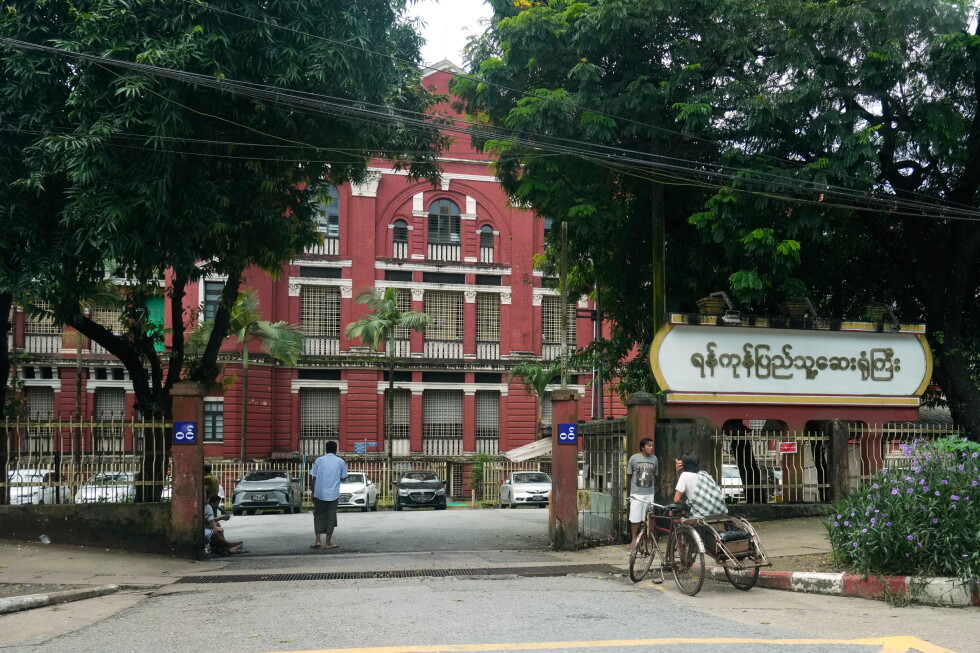
Myanmar faces rise in diarrhea as monsoon flooding continue to worsen in many parts of the country
BANGKOK – Myanmar’s most populous urban center, Yangon, is facing a worrying spike in acute diarrhea cases that has compounded the cascading crises facing the conflict-wracked nation already reeling from widespread severe flooding and years of civil unrest, state media confirmed Friday.
State-run publication Myanma Alinn reported that over the four-day period ending Friday, 182 diarrhea patients were admitted to Yangon General Hospital, with 93 of those patients testing positive for pathogens known to cause the gastrointestinal illness. The official report did not name the specific pathogens detected, nor did it confirm whether any cases were cholera, a highly contagious waterborne disease that can turn fatal if left untreated.
However, local independent Myanmar news outlet Eleven Media previously reported Wednesday, citing Aye Mya Thae Phyu, a lawmaker representing Yangon’s Latha township, that the positive test results were confirmed to be cholera. On Thursday, the military government’s information team also confirmed to reporters that one 92-year-old patient has died from the disease.
In comments published by the state newspaper, Aung Lin Aye, deputy medical superintendent of Yangon General Hospital, acknowledged that case numbers have climbed sharply in recent days. The hospital has reallocated resources to prioritize life-saving treatment and prevent additional fatalities, he added.
According to the report, Nanda Win, director of the Yangon Regional Department of Public Health, noted that most cases are concentrated in Yangon’s downtown Chinatown district, a dense hub packed with street food vendors, restaurants, and bars. Unsafe takeaway food from street vendors and contaminated drinking water used by these small businesses are the most likely sources of the outbreak, Nanda Win said, while adding that new case numbers have started to trend downward in recent days.
Another state-owned publication, *Global New Light of Myanmar*, reported that public health authorities have ordered street food vendors selling high-risk items to suspend operations for three days to slow the spread of the pathogen. Three Chinatown food and beverage establishments confirmed the mandatory three-day closure to the Associated Press in on-the-record interviews.
Acute gastrointestinal outbreaks are a recurring annual threat for Yangon during the monsoon season, when heavy rains often contaminate local water supplies. World Health Organization data shows that in 2024 alone, more than 2,200 people were hospitalized with acute watery diarrhea in Yangon, resulting in 15 recorded deaths.
This latest public health emergency emerges as widespread monsoon flooding continues to displace communities across large swathes of Myanmar, adding another layer of hardship to a population already exhausted by more than three years of armed conflict. The conflict erupted in 2021, when the military seized power in a coup that ousted the elected civilian government led by Aung San Suu Kyi, triggering a nationwide civil war that has crippled the country’s healthcare system and economy.
-
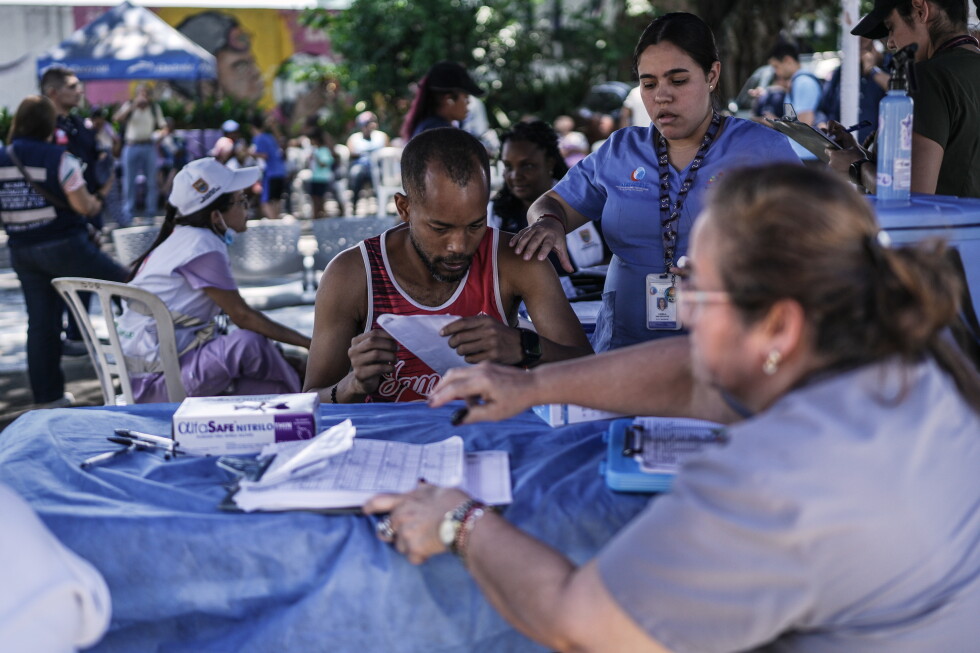
How to help after Colombia’s devastating earthquake
Weeks after a pair of destructive earthquakes killed hundreds and displaced thousands across neighboring Venezuela, Colombia has been struck by its own deadly seismic event that has left communities reeling and humanitarian organizations scrambling to deliver life-saving aid across a vast, hard-to-reach affected area.
The 7.4 magnitude quake, which struck Monday, shook a huge stretch of western Colombia, shaking densely populated urban hubs including Cali and Pereira and cutting through remote, mountainous terrain in the department of Chocó. As of Thursday evening, official government data put the confirmed death toll above 280, with thousands more injured and nearly 11,000 residential structures completely destroyed. Search-and-rescue teams have pulled almost 350 survivors from the rubble, but hundreds of people remain unaccounted for, leaving families waiting anxiously for news of their loved ones.
Colombian President Abelardo de la Espriella has pledged a large-scale, coordinated governmental response to the disaster. However, with urgent needs stretching across hundreds of miles of varied terrain, international and local aid organizations are set to play critical roles in delivering shelter, essential supplies, and long-term economic support to displaced and impacted families.
Unlike earthquake response efforts in Venezuela, where the interim government’s chaotic and under-resourced relief work faced widespread public criticism, Colombia’s more robust democratic and civic institutions are expected to streamline coordination between state and non-state actors. Even so, the far larger geographic scope of the Colombian disaster has created unique logistical barriers that challenge even well-established institutional frameworks.
“Institutional capacity does not remove the humanitarian need,” explained Catalina Vargas, country director for the global humanitarian organization CARE in Colombia. “The most severely affected area, Chocó, is also one of the most isolated and underserved parts of the country, so access remains the binding constraint regardless of the strength of national institutions.”
As relief efforts ramp up, disaster response leaders are urging donors to give cash rather than unsolicited physical goods, to give on-the-ground groups maximum flexibility to meet shifting needs. Abe Diaz, head of disaster relief at tech and retail giant Amazon, which is delivering pre-requested supplies to partner organizations on the ground, noted that unneeded donated goods create unnecessary burdens for overstretched response teams.
“Unrequested product donations overwhelm communities and force responders to divert resources from life-saving work just to sort and store unwanted supplies,” Diaz said.
To support potential donors, a wide range of vetted international and local organizations currently active in relief efforts have opened fundraising channels:
### U.S.-based organizations operating on the ground
– **All Hands and Hearts**: The group has already delivered critical search-and-rescue equipment including jackhammers and pickaxes to the Pereira fire department, alongside blankets and rehydration supplies for displaced families.
– **CARE**: With decades of established programming in Colombia, the group’s immediate response focuses on cash-based food assistance, emergency supply kits, and protection and emotional support for impacted households.
– **Direct Relief**: The global health-focused organization is funding local medical response teams and preparing to ship requested prescription medications and essential healthcare supplies to treatment facilities across the affected region.
– **GEM**: Working alongside local partner groups, GEM is distributing essential survival kits containing food, clean drinking water, and hygiene products.
– **Operation Blessing**: The faith-based organization’s initial relief work centers on delivering food, water, and solar lanterns to people displaced from their homes.
– **Save the Children**: With more than 40 years of work in Colombian communities, the group has already launched psychosocial support services and established multiple safe, child-friendly spaces in impacted areas.
– **World Central Kitchen**: The food security nonprofit is providing fresh meals and clean water to displaced people, first responders, and volunteers, including in isolated mountain communities that are hard for other groups to reach.### High-profile benefit concert planned for earthquake relief
A host of Latin music’s biggest stars, including Marc Anthony, Luis Fonsi, Chayanne, Feid, and Jay Wheeler, will headline an international benefit concert for both Colombia and Venezuela earthquake relief on Sunday, August 16 at 6 p.m. EDT, hosted at Miami’s Kaseya Center. The concert will be broadcast live across multiple platforms, including Univision, ViX, WAPA, TelevisaUnivision radio stations, iHeartLatino, and Venevision Play for viewers in Venezuela. Viewers can donate during the broadcast by scanning an on-screen QR code, texting UNIDOS to 707070, or visiting the Univision.org website. All proceeds will go to five relief organizations: All Hands and Hearts, CARE, GEM, TECHO, and World Central Kitchen.### Colombia-based organizations accepting international donations
– **Abaco Colombia**: An association of 26 food banks operating across the country, the group is distributing emergency food rations to impacted families across all affected regions, and accepts online donations.
– **Cruz Roja Colombiana (Colombian Red Cross)**: Local teams are leading search-and-rescue operations, providing emergency medical and psychosocial care, and meeting other critical needs, with online donation options available.
– **Fundación Solidaridad por Colombia**: This community-focused foundation supports youth programming, nutrition access, and community development, and is partnering with GEM to deliver relief supplies and food to displaced people in Pereira and surrounding areas. It accepts donations via PayPal.
– **Fundación Semillas de Oportunidades**: Based in Quibdó, the heart of impacted Chocó department, the foundation supports youth through art and sports programming, and is currently aiding affected families of young people across the region, accepting donations via PayPal.
– **Manos Visibles**: A network of organizations focused on advancing racial and territorial equity, the group is collaborating with a local trade school to restore at least 100 damaged homes in the port city of Buenaventura, with online donation options available.
– **Presentes Corporation**: A 43-year-old Colombian organization focused on building community resilience, the group is partnering with Miami-based nonprofit Give to Colombia to facilitate cross-border donations from U.S. supporters through its *Colombia Se Levanta (Colombia Rises)* fund, which accepts online donations.
– **Refugio Huellas de Amor (Pereira) and Huellitas Callejeras Barranquilla**: Both animal welfare organizations are supporting impacted and rescued animals in disaster zones, and accept donations via PayPal.This reporting was contributed by Associated Press staff writer Megan Janetsky from Mexico City. AP’s coverage of philanthropy and nonprofits is supported through a collaboration with The Conversation US, with funding from Lilly Endowment Inc. The AP maintains sole editorial control over all content.
-
Zambia suspends vote counting in election over reports of violence and the theft of ballot papers
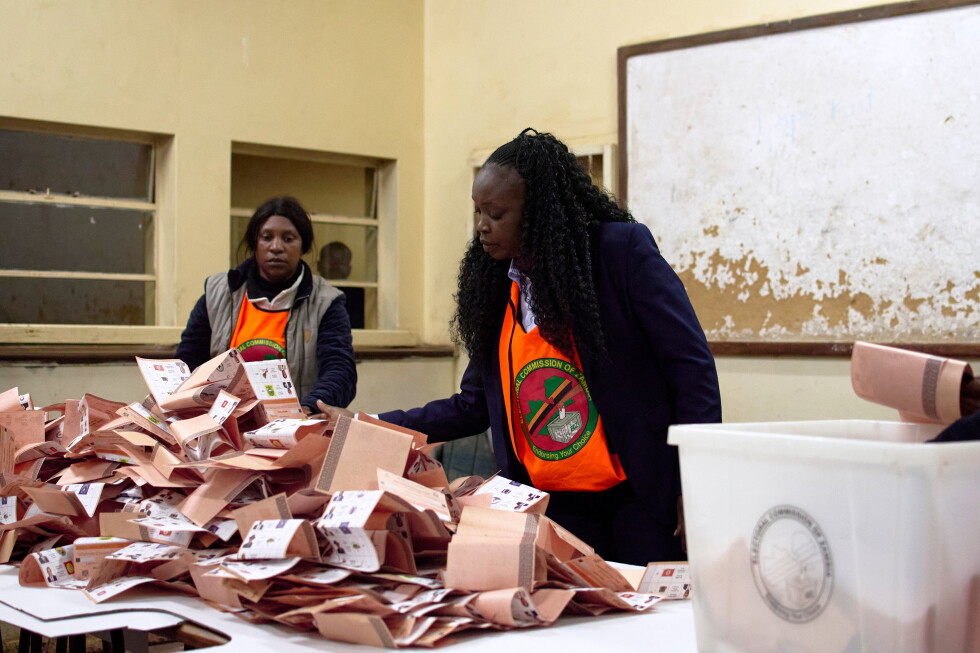
LUSAKA, Zambia — Zambia’s national electoral governing body has abruptly halted the counting of ballots in the country’s hotly contested presidential election on Friday, responding to widespread reports of physical assaults on polling staff and the unauthorized removal of a number of ballot boxes and papers from counting centers.
The Electoral Commission of Zambia announced the immediate suspension in an official statement, citing the rapidly deteriorating security landscape and persistent credible threats of violent unrest across multiple counting sites as the core justifications for the decision. According to the commission’s announcement, the halt will remain in place for a 24-hour period, after which electoral officials will re-evaluate the on-ground security conditions to determine whether counting can safely resume.
The presidential election, held Thursday across the copper-rich southern African nation, has incumbent President Hakainde Hichilema running to secure a second five-year term in office. Hichilema faces competition from 13 opposition challengers, with Brian Mundubile — leader of a unified coalition of major opposition parties — standing out as the incumbent’s most formidable competitor for the presidency.
While Zambia has built a reputation for holding largely peaceful democratic elections over recent decades, the lead-up to this year’s vote has been marked by rising political tensions. The opposition and independent human rights organizations have levelled criticism at Hichilema’s administration ahead of polling, claiming the government has implemented restrictive measures to suppress dissenting political voices.
In one high-profile incident in the pre-election period, Mundubile’s opposition coalition accused Hichilema’s government of orchestrating a raid by law enforcement agents on the alliance’s national campaign headquarters just days before voting was scheduled to begin. The coalition has stated that the raid was a deliberate, politically motivated action intended to disrupt its campaign operations and disadvantage its candidates ahead of the poll.
This development comes as part of ongoing coverage of African political events from the Associated Press, with full updates available via the AP Africa news hub.
-
Zambia suspends vote counting nationwide citing violence
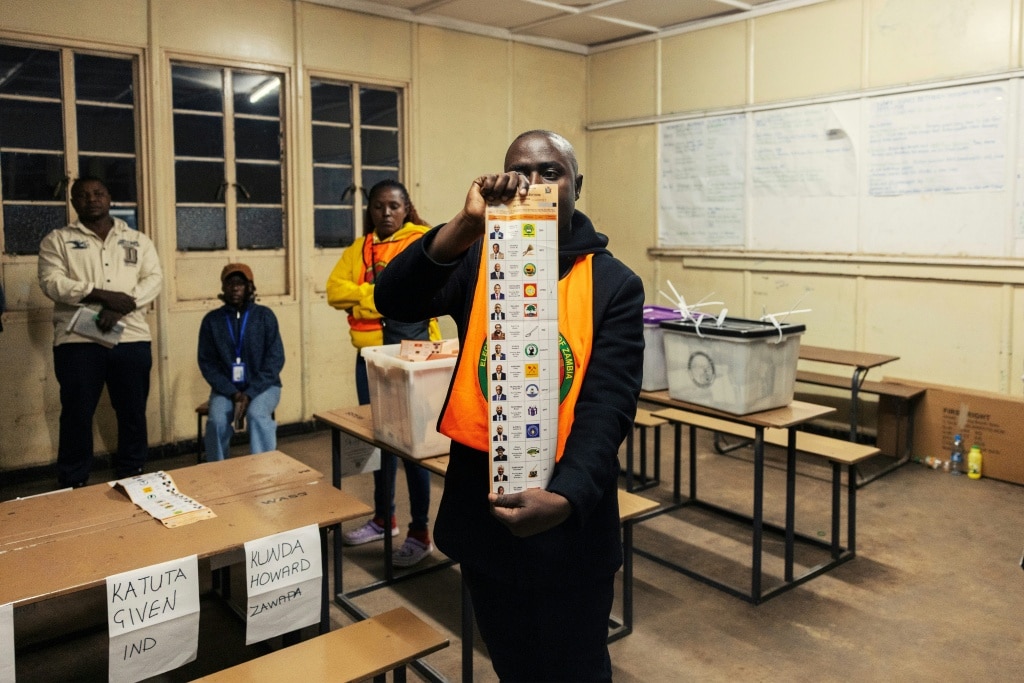
The Electoral Commission of Zambia announced a nationwide suspension of presidential and parliamentary vote counting on Friday, just one day after the country held its general election, following widespread reports of election-related violence across multiple districts. The copper-rich southern African nation, which has been grappling with deep-seated economic hardship that dominated the election campaign, now faces an unexpected delay in finalizing official results that were originally scheduled for release by Monday.
Fourteen candidates contested the presidency, with incumbent Hakainde Hichilema, who has held office since 2021, facing off against main opposition challenger Brian Mundubile, a 55-year-old former minister from the previous Patriotic Front administration. Brown Kasaro, Zambia’s chief electoral officer, explained the abrupt suspension, noting that the violence has specifically targeted election workers, and in several cases, perpetrators have stolen marked ballots from sealed ballot boxes. Kasaro added that the electoral commission will re-evaluate the suspension within a 24-hour window to determine next steps for resuming the counting process.
Even before official results could be tabulated, both leading candidates made competing claims about the outcome of the vote. Mundubile, who ran under the banner of the newly formed National Restoration Party for Unity and Progress (NRPUP) backed by a coalition of opposition groups, declared an outright first-round victory on Friday. “We have won this election both at presidential level and majority seats in parliament,” Mundubile stated, adding that his campaign views the ongoing delay to the transparent announcement and verification of presidential results with grave concern. For his part, Hichilema said his campaign team has received encouraging early voting trends, and took to social media to urge all Zambian citizens to “remain peaceful, patient and patriotic as we await the official outcome from those entrusted with managing the vote.”
Alongside the presidential race, Zambian voters also cast ballots for 226 parliamentary seats, and counting for that contest has also been suspended. Around 8.7 million voters were registered to participate in this election cycle.
The election comes against a backdrop of both Zambia’s long democratic history and growing concerns over political space. Zambia has a proud track record of peaceful democratic power transfers, with every change of the presidency since the return of multi-party politics in 1991 achieved through free and fair elections. However, the Hichilema administration has faced increased international scrutiny over claims that it has narrowed space for political dissent, even as it pursues commitments to robust economic recovery. On the eve of voting, Zambia’s Human Rights Commission announced it was “actively monitoring arrests and detentions involving political candidates, supporters, journalists and other actors” to prevent election-related rights abuses.
In pre-election security operations, Zambian interior ministry confirmed that security forces had already arrested multiple suspects accused of plotting to interfere with the electoral process. While authorities did not disclose the total number of arrests, they confirmed three former senior government officials are in custody, charged with providing technical services aimed at disrupting the electoral system. A 56-year-old Kenyan national was also detained in connection with the plot. Additionally, three other individuals, including a former provincial minister, were found in possession of more than 7.3 million kwacha (approximately $388,000) in unaccounted funds and have been summoned to assist with ongoing investigations.
Economically, Zambia remains one of the world’s richest countries in mineral reserves, holding abundant deposits of not just copper but also cobalt, nickel and manganese, yet it continues to face persistent systemic challenges including widespread poverty, chronic unemployment, and skyrocketing food prices. According to World Bank data, more than 70 percent of Zambia’s 22 million population survives on less than three U.S. dollars per day. The previous administration under late former president Edgar Lungu left the country in sovereign default after years of unsustainable heavy borrowing. Since taking office, Hichilema’s government has secured a landmark international debt restructuring deal, restored a suspended International Monetary Fund lending program, and returned the country to positive economic growth, earning broad praise from global lenders and international investors. Hichilema, a 64-year-old former business tycoon who won the presidency on his sixth electoral attempt, campaigned on a platform of continued job creation and an ambitious national infrastructure expansion drive to secure a second and final five-year term. Mundubile entered the presidential race only in May, a late entry that injected significant uncertainty into a contest that long been viewed as likely to end in an incumbent victory, as his party draws its core support from the ranks of the former ruling Patriotic Front.