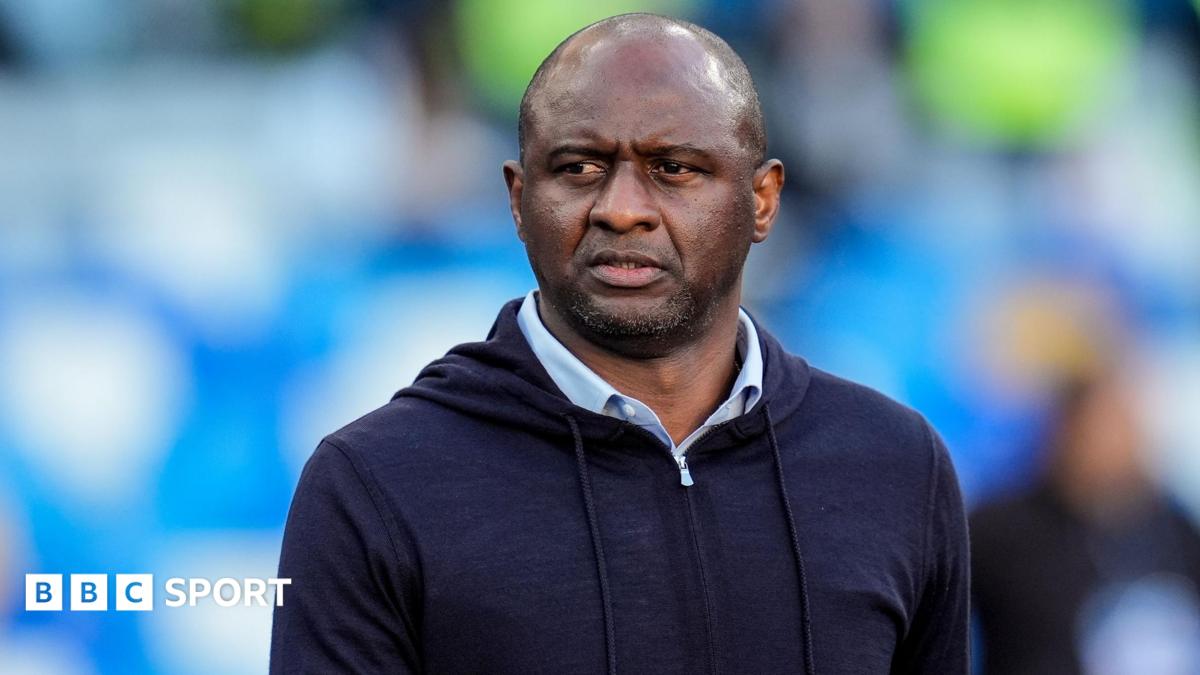
Senegal’s search for a new head coach of its men’s national football team, the Teranga Lions, has ended with the tentative selection of legendary former French midfielder Patrick Vieira – but multiple overlapping off-field crises have cast deep doubt over whether the 50-year-old will ever officially take charge. The Senegal Football Federation (FSF) confirmed Vieira had been unanimously approved at a Monday board meeting to fill the vacancy left by the sacked Pape Thiaw, beating out competing candidates including former Netherlands star Patrick Kluivert, ex-France coach Patrice Carteron, and former Senegal internationals Habib Beye and Oumar Daf. However, no contract has been signed, no official introduction date has been set, and negotiations over administrative and contractual terms remain ongoing. The situation is further complicated by unresolved friction over Thiaw’s dismissal: the former coach was fired after Senegal’s round of 16 exit at the 2022 FIFA World Cup, but the Senegalese government – which provides full funding for the national team – never formally approved the decision. Thiaw is currently pursuing claims for nearly $815,000 in unpaid wages and contractual bonuses, leaving a financial cloud hanging over the role. Compounding the FSF’s internal chaos, the Court of Arbitration for Sport (CAS) is set to deliver a ruling by Friday on a legal challenge to the 2023 election of the current FSF leadership, a dispute that has dragged on for more than a year. With the FSF board lacking government backing and public support, and facing the potential that CAS could invalidate its leadership entirely, the federation still faced urgent pressure to fill the vacant coaching post: Senegal is scheduled to kick off its 2027 Africa Cup of Nations Group J qualifying campaign with an away fixture against Mozambique on September 23, followed just days later by a match against Ethiopia. If CAS rules the current FSF administration illegitimate, Vieira’s entire appointment could be thrown out. Beyond the institutional chaos, Vieira brings his own mixed track record to the role. One of the most decorated midfielders of the modern era, Vieira enjoyed a legendary playing career that included three Premier League titles and four FA Cups with Arsenal, 107 caps for France, and winner’s medals at the 1998 FIFA World Cup and 2000 UEFA European Championship. Born in Dakar in 1976 to a Gabonese father and Cape Verdean mother, Vieira lived in Senegal until he was 8 years old before moving to France, and never cut his ties to his country of birth. Most notably, he was a key early investor in the Diambars Institute, one of Africa’s top youth football academies that has produced stars including Idrissa Gana Gueye, Bamba Dieng and Abdoulaye Seck – players who formed the core of Senegal’s back-to-back Africa Cup of Nations title runs in 2021 and 2023. Ironically, Vieira’s only ever on-pitch meeting with Senegal as a player came in the opening match of the 2002 World Cup, when the defending champion French side suffered a famous 1-0 upset defeat to the Teranga Lions, led that day by current coaching predecessor Pape Thiaw and captain Aliou Cisse. While Vieira’s playing legacy is unrivaled, his managerial career has yet to match that success. He began his top-flight coaching career in 2016 with MLS side New York City FC, guiding the club to two consecutive playoff berths but falling in the conference semi-finals both times, including a lopsided 7-0 aggregate loss to Toronto FC. He next moved to Ligue 1 side Nice, earning two consecutive mid-table top-half finishes before being sacked in December 2020. He then took over at Premier League club Crystal Palace in 2021, earning praise for his attacking playing style and leading the side to a 12th place league finish and an FA Cup semi-final appearance in his first season. But a 11-match winless league run in the 2022-2023 season saw him sacked in March 2023, with the club three points above the relegation zone. A subsequent spell at Ligue 1’s Strasbourg ended in a mid-table finish, and his most recent job at Serie A’s Genoa ended in a November 2024 mutual departure, with the club winless and sitting at the bottom of the league table. For Vieira, a potential appointment to lead Senegal would be a full-circle return to his birth country, but it would also come at the end of one of the most successful eras in Senegalese football history. After winning their first ever AFCON title in 2022, the Teranga Lions claimed a second consecutive title in January 2024, though that trophy remains the subject of a CAS dispute after Thiaw pulled his team off the pitch in protest of a controversial late penalty awarded to host Morocco. The squad now faces a transition period, with a new generation of young talent waiting to step into the void left by veteran stars including Sadio Mane, Kalidou Koulibaly, Edouard Mendy and Idrissa Gana Gueye. Whether Vieira will ever get the chance to lead that transition remains very much up in the air, as multiple legal and contractual battles play out in the coming days.
作者: admin
-
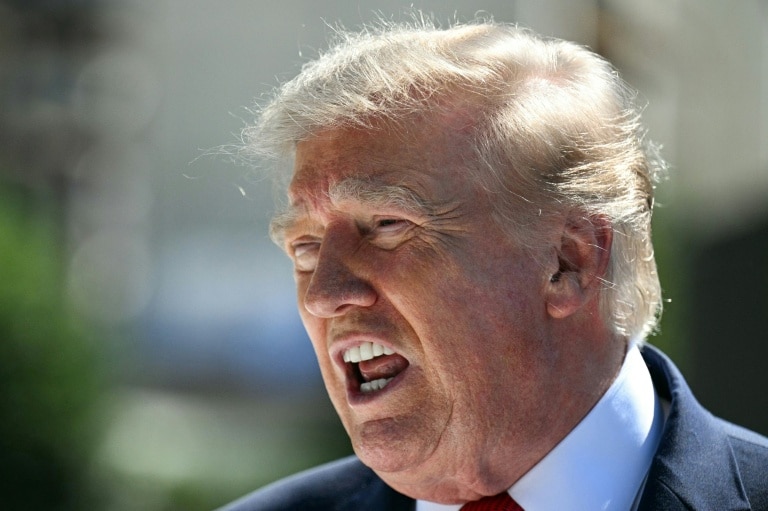
Trump says will meet North Korea’s Kim later this year
In a surprising on-the-record briefing with reporters Wednesday, former and current U.S. President Donald Trump confirmed plans to hold a long-awaited meeting with North Korean leader Kim Jong Un before the end of 2026, marking the first face-to-face encounter between the two leaders since Trump began his second presidential term. The confirmation came as Trump answered questions from journalists during a walking tour of a newly constructed helipad on the White House grounds, offering little additional logistical detail beyond his basic commitment to the summit.
Unconfirmed reporting from The Wall Street Journal has since shed light on potential timing, indicating the meeting could be scheduled to align with Trump’s already planned November trip to China for the Asia-Pacific Economic Cooperation (APEC) leaders’ summit, a convenient arrangement that would avoid adding a separate, high-stakes diplomatic journey to the president’s already packed fall schedule.
In a striking departure from the vague, generalized assessments of North Korea’s nuclear program that have become standard for sitting U.S. presidents, Trump offered an unusually specific count of Pyongyang’s atomic stockpile, stating that Kim currently holds 57 “very powerful” nuclear weapons. The president went on to acknowledge that the proliferation of North Korea’s nuclear program should never have been allowed to progress to its current state, a comment that implicitly criticizes the policy choices of previous administrations. Even so, he emphasized that the current reality of North Korea’s nuclear status cannot be ignored, and framed his longstanding personal rapport with Kim as a unique asset for U.S. diplomacy.
The announcement of the planned meeting comes at a particularly fraught moment for U.S. foreign policy, as Trump is currently leading active military operations against Iran, a campaign he has explicitly justified on the grounds of blocking Tehran from developing its own nuclear weapons. Trump defended the apparent contradiction of pursuing diplomacy with a nuclear-armed North Korea while waging war to stop Iran from acquiring the same capability, arguing that the two scenarios are fundamentally separate. “I can’t let Iran have a nuclear weapon. And I know Kim Jong Un very well, and he’s going to be fine,” Trump told reporters, drawing a clear distinction between his approach to the two nations rooted in his personal relationship with the North Korean leader.
Wednesday’s confirmation is the latest in a series of steps Trump has taken to reset U.S. engagement with North Korea. Just two days prior, the president issued an order scaling back what he described as “inappropriate and hostile” joint military exercises between the United States and South Korea, a decision he explicitly tied to his “good relationship” with Kim. The two leaders held three historic summits during Trump’s first term in office, a period of unprecedented personal diplomacy that included Trump’s famous remark that the two had “fell in love” after exchanging a series of what he called “beautiful letters.” No meeting has taken place since Trump returned to the White House for his second term, though in recent weeks the president has dropped increasing hints that behind-the-scenes communications have resumed. When pressed Wednesday, however, he declined to explicitly confirm whether letter exchanges between the two leaders are currently ongoing.
The report of renewed communication drew a measured response from Kim Yo Jong, the powerful sister of Kim Jong Un and one of the North Korean regime’s most prominent senior officials. Speaking Wednesday, she stated that she was “unaware” of any reported correspondence between her brother and President Trump, but nonetheless noted that diplomatic ties between the two leaders remain “excellent,” leaving the door open for future high-level engagement.
-

Two detained after French influencer’s scorched body found in vineyard
A shocking murder case has rocked southern France, after authorities officially confirmed that a burned body found in a local vineyard belongs to 29-year-old French social media influencer Sonia Bellina, with two men already taken into custody in connection with the killing.
The case first emerged on August 12, when a local farmer made the grim discovery: a charred body abandoned between rows of grapevines in Saint-Gilles, a small village located near the city of Nîmes. Law enforcement immediately launched a formal murder probe, but for several days, investigators could only confirm that the remains belonged to a young woman, requiring additional forensic testing to pinpoint a positive identification. Over the following week, Bellina’s name spread rapidly across social media and French news outlets, with her family and an anonymous woman claiming to be her sister publicly stating they were certain the remains were Bellina’s long before official confirmation.
Cécile Gensac, the chief prosecutor for Nîmes, released an official statement on Wednesday confirming that DNA testing and cross-investigative work had formally verified Bellina’s identity. She noted that the influencer’s name had already been widely circulated in public discourse over the prior 48 hours ahead of the official announcement. At the time of her death, Bellina was visiting family in southern France, just one month ahead of her upcoming 30th birthday. She had built a following of roughly 260,000 followers on the short-video platform TikTok.
Gensac confirmed that two men had been placed into police custody on Wednesday, citing substantial evidence linking the pair to either direct or indirect involvement in Bellina’s death. No further details about the suspects, their connection to the influencer, or a potential motive have been released to the public as the investigation remains active.
Mourad Battikh, the legal representative for Bellina’s family, has described the killing as a murder of uncommon brutality, telling broadcaster RTL that Bellina’s body was discarded in the vineyard like common garbage. Even before official identification, the case sparked widespread speculation and unfounded rumors across social media platforms, which have added immense strain to the grieving family. In an interview with local outlet Midi Libre, the anonymous woman claiming to be Bellina’s sister said the family has been subjected to unconscionable harassment, including hurtful online comments claiming Bellina deserved her violent death.
Battikh has issued a firm warning that the legal team will not tolerate any defamatory or harmful online content about Bellina or her family, noting that all published statements will be reviewed, and inappropriate posts will be reported to authorities as appropriate. In a formal press statement, Battikh emphasized that the Bellina family is navigating an unspeakably traumatic ordeal. “They request respect for their privacy and their grief and will not be making any further statements,” he added.
-
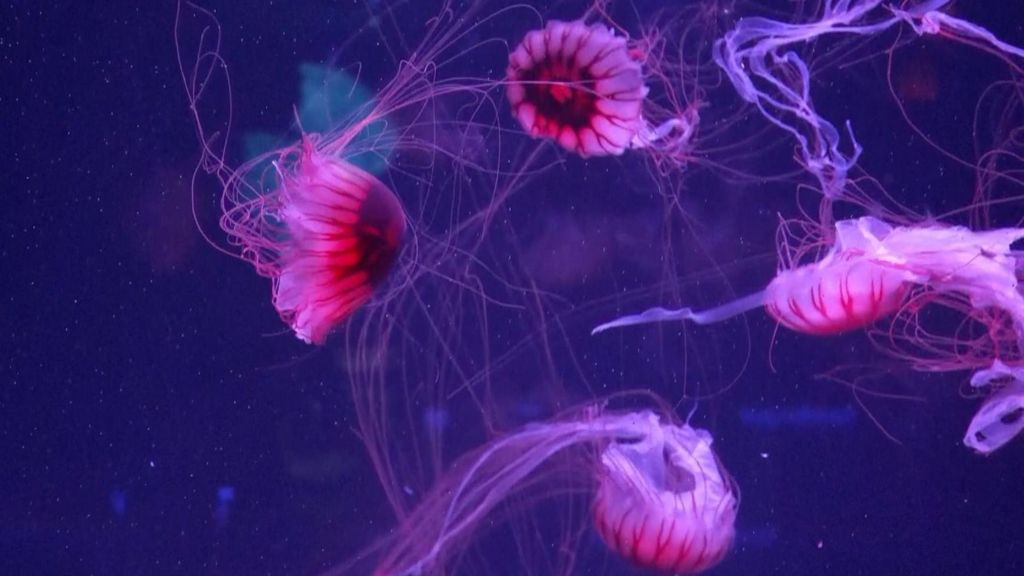
Jellyfish mesmerise in their own museum in Florida
Nestled in the coastal city of Pompano Beach, Florida, a one-of-a-kind cultural attraction has opened its doors, inviting visitors to dive into the captivating world of one of the ocean’s most fascinating creatures. The newly launched Jellyfish Museum stands as the first institution in the United States entirely devoted to showcasing these graceful, gelatinous marine predators that have drifted through the world’s oceans for hundreds of millions of years.
Unlike traditional aquariums that spread jellyfish exhibits among dozens of other marine displays, this niche museum centers every inch of its space on highlighting the extraordinary diversity, beauty, and biological uniqueness of jellyfish species from across the globe. Curators and marine biologists worked together to design immersive habitats that let visitors watch these pulsating creatures drift through illuminated water, their translucent bodies creating a mesmerizing, almost otherworldly visual experience.
Organizers behind the project say the museum fills a long-unmet niche for marine enthusiasts and casual tourists alike, combining recreational wonder with subtle educational outreach about jellyfish’s critical role in marine ecosystems. For visitors, the attraction offers a serene, visually striking escape that sets it apart from crowded coastal destinations, turning a simple visit into an unforgettable encounter with these ancient ocean dwellers.
-
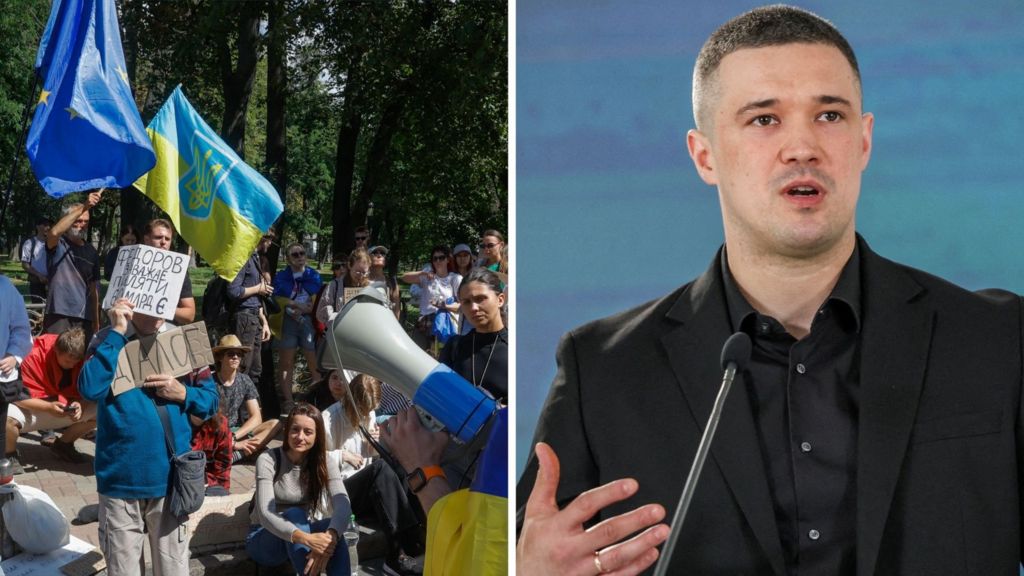
Why is Ukraine’s ex-defence minister calling for wartime elections?
A surprising call from Ukraine’s former Minister of Defence Mykhailo Fedorov has reignited fierce debate across Ukrainian political circles over the possibility of holding national elections while the country remains locked in a full-scale defensive war against Russian invasion.
Fedorov, who stepped down from his defence post earlier this year and currently serves as a deputy head of the President’s Office, has publicly pushed for wartime balloting, but has so far failed to address the most pressing, practical concerns that come with organizing a democratic vote amid active conflict.
Ukraine has been under martial law since Russia launched its full-scale invasion in February 2022, and current Ukrainian law prohibits national elections while martial law remains in effect. Key barriers to holding a vote include the fact that millions of Ukrainians have been displaced internally or fled abroad as refugees, large swathes of the country’s eastern and southern territory remain under Russian occupation, and ongoing Russian missile and drone strikes threaten public safety at any large-scale gathering of voters.
Political analysts note that the call for wartime elections has sparked division among Ukrainian policymakers. Some argue that holding a vote would demonstrate the strength of Ukraine’s democratic institutions even amid war, reinforcing the country’s pro-Western credentials and maintaining the legitimacy of state leadership. Others warn that rushing to hold an election under current conditions would produce a result that does not reflect the will of the entire Ukrainian people, and would divert critical resources and attention away from the war effort that remains the country’s top priority.
As of yet, Ukraine’s presidential administration and parliament have not announced any plans to move forward with lifting the martial law election ban or organizing national balloting before the current war concludes.
-
Two collapses in four days – what’s happening to Musiala?
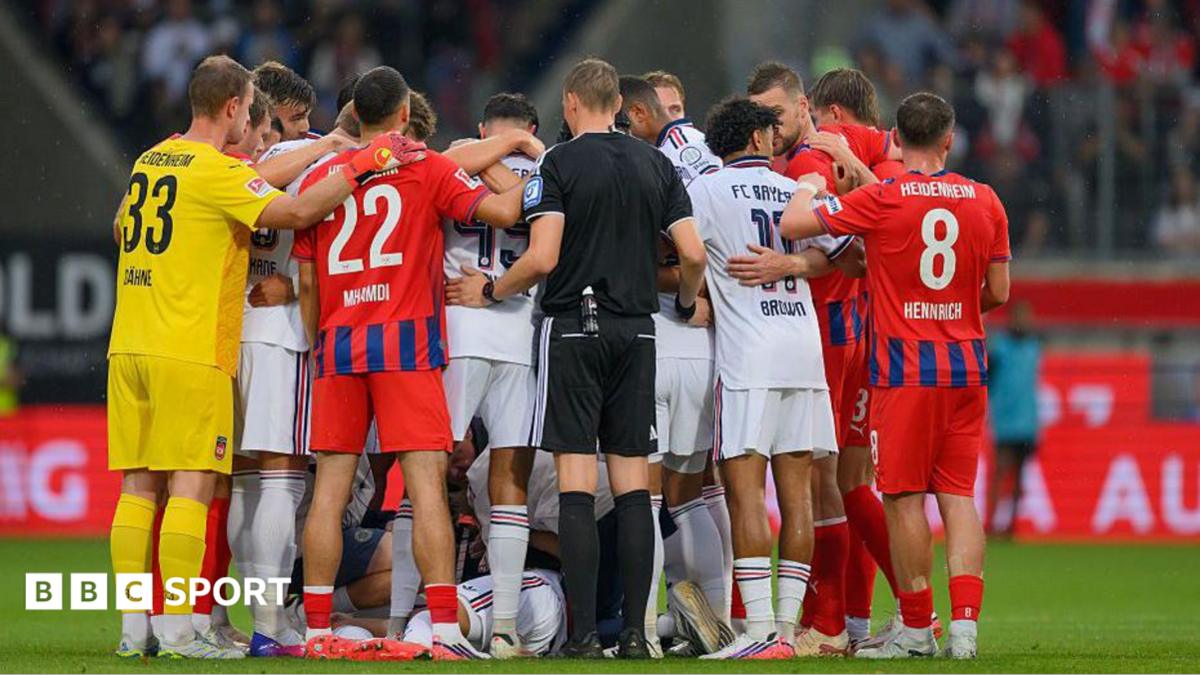
Bayern Munich and Germany attacking star Jamal Musiala has opened up about a manageable neurological condition after experiencing a second on-pitch collapse in just four days during the club’s pre-season friendly fixture against 1. FC Heidenheim. The 23-year-old, one of the most promising young talents in European football, had entered Tuesday’s match as a second-half substitute, but lasted only eight minutes before falling unconscious in an incident that mirrored his collapse against RB Leipzig four days prior.
Teammates, including new England captain and Bayern star Harry Kane, immediately surrounded Musiala to offer comfort after the incident. In the wake of the second collapse, Musiala took to Instagram to confirm he is living with easily treatable absence seizures, which stem from a form of neurological dysfunction.
Bayern Munich’s hierarchy confirmed the club had been aware of Musiala’s underlying condition prior to the 2026 FIFA World Cup, but the issue had never before impacted his ability to compete on the pitch. “We have known about the problems for some time, but the incident against Leipzig last weekend was the first time it happened in front of a crowd and visible to everyone,” club honorary president Uli Hoeness told Sky Sports. “We hoped the medication he started would keep it under control and that it would not reoccur so quickly. When it happened again four days later in exactly the same way, I was shocked.”
The club’s decision to clear Musiala for play just days after his first collapse drew criticism from fans, but Bayern officials have moved quickly to defend their process, stating that leading neurologists and medical specialists provided written clearance that the German international could safely participate in high-level professional football. Hoeness added: “Without that written confirmation, we would have been negligent. Now that we have it, we can rest a little easier, but this is uncharted territory for us. I rarely struggle for words or solutions, but we will have to navigate this new situation step by step.”
Kane, who joined Bayern from Tottenham Hotspur in 2023, says the entire first-team squad is rallying around their star teammate. “Jamal is going through a tough period right now,” Kane told BBC Sport. “He has opened up about his small condition on social media, and our only focus right now is supporting him. This is something not everyone goes through, but many people have managed it successfully before, and he is doing everything possible to get himself in the best position possible. He is an incredibly talented player, a huge part of this squad, and everyone here – from the players to the staff, to his friends and family – is fully behind him. I saw first-hand how hard he worked to recover from his injury last season, and we will all be here to help him through this.”
To contextualize Musiala’s condition, medical experts explain that absence seizures are a form of generalized seizure that most commonly impacts children and young adults, split into two categories: typical and atypical. Dr. Meneka Sidhu, a consultant neurologist at London’s National Hospital for Neurology and Neurosurgery, notes that typical absence seizures usually last only a few seconds, with affected individuals often appearing to be daydreaming or staring blankly. During an episode, patients experience varying levels of awareness loss, which can lead to loss of balance and unresponsiveness. Atypical absence seizures last longer, and may come with involuntary movements such as hand fidgeting, eyelid fluttering or lip smacking, and can also cause patients to fall.
While repeated episodes over a 24-hour period can be an indicator of epilepsy, the condition is widely manageable with prescription medication. “For anyone living with epilepsy, identifying triggers is a key part of management,” Dr. Sidhu explained. “For elite athletes, possible triggers can include hyperventilation and dehydration. When the condition is properly treated, there is no reason absence seizures should prevent anyone from competing in sport at any level.”
Musiala is far from the first elite athlete to manage this condition. Northampton Saints and England rugby union star Tommy Freeman began experiencing absence seizures at age 14, and after an epilepsy diagnosis, he continues to compete at the highest level of the sport while managing his condition with daily medication.
The recent collapse is just the latest in a string of unfortunate setbacks for Musiala over the past 18 months, a period that has limited his on-pitch contribution for Bayern despite his standing as one of the club’s highest-paid players alongside Kane. His 2024-25 Bundesliga campaign was cut short by injury in April 2025, and just over a week later he was involved in a serious road traffic accident. He recovered in time to feature at the 2025 FIFA Club World Cup, but suffered a broken leg and dislocated ankle in the quarter-final against Paris Saint-Germain, an injury that ruled him out for 196 days.
A metal plate was inserted to support his recovery, and Musiala played through the 2026 World Cup in North America with the plate still in place, making four appearances for Germany before it was removed in July 2026. The subsequent surgery limited his pre-season training ahead of the 2026-27 campaign.
German football expert Constantin Eckner notes that the string of injuries and now this new neurological issue have already impacted Musiala’s value and on-pitch output. “Musiala has barely featured over the past 18 months,” Eckner explained. “He came back for the Club World Cup but broke his leg in a collision with Gianluigi Donnarumma, and spent six months playing through pain with a metal plate in his foot while dealing with persistent ankle issues. Naturally, his performances have not lived up to his usual standard, and he already faced a tough start to the new season given he missed large parts of pre-season training following the plate removal. Now this is another unexpected stumbling block.”
Eckner added that Bayern’s £43 million summer signing of Moroccan attacking midfielder Ismael Saibari was partly made to offset the ongoing risk of Musiala’s fitness issues. “Musiala is one of Bayern’s top earners alongside Kane, but his contribution over the past 18 months has been nowhere near matching that,” he said. “He is still young, and his situation can absolutely turn around, but right now, it would be unrealistic for any club to trigger his nine-figure release clause that becomes available next summer.”
-
Deadly attacks on aid workers and contractors surge in South Sudan as UN urges protection
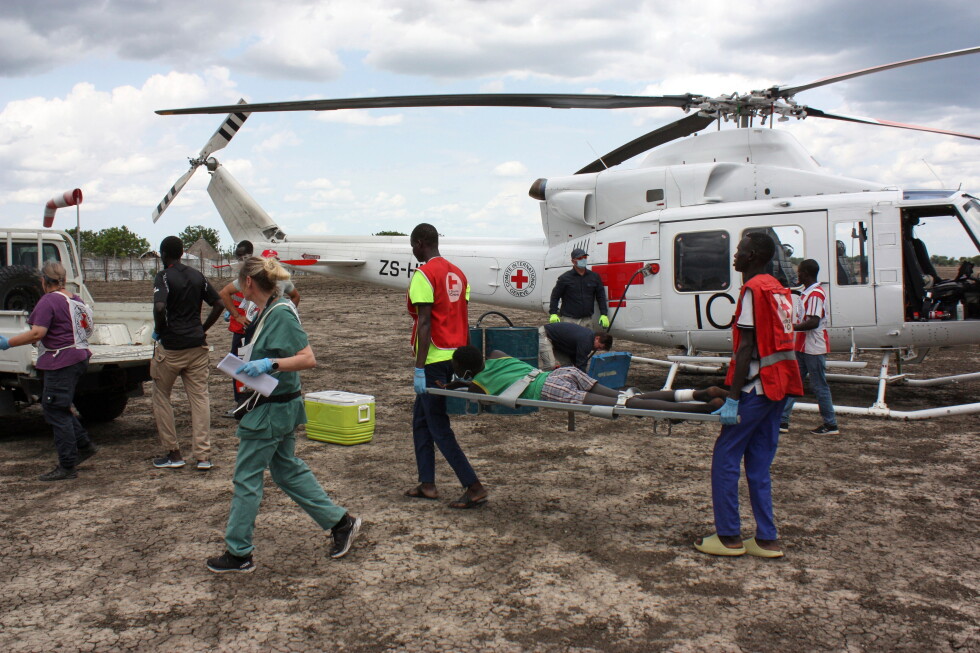
JUBA, South Sudan — South Sudan has already hit a grim, tragic milestone for violence against aid providers this year. The United Nations’ top humanitarian official in the country confirmed Wednesday that at least 36 humanitarian workers and contractors have been killed in attacks across the nation since January, a death toll that has already exceeded the 31 workers killed in all of 2025. This surge in fatal violence cements South Sudan’s position as one of the world’s most dangerous places for people delivering life-sustaining aid to vulnerable communities.
In a formal statement released to mark World Humanitarian Day, Ramanathan Balakrishnan, the U.N. Humanitarian Coordinator for South Sudan, pushed back against framing these deaths as abstract data points. “These are not just statistics,” he emphasized, calling for urgent accountability for every attack. “Every killing must be investigated, and those responsible held accountable. The continued loss of humanitarian personnel, overwhelmingly South Sudanese nationals, is unacceptable.”
Data from the United Nations Mission in South Sudan (UNMISS) underscores the dramatic escalation of risks facing aid operations this year. Between January and July, more than 450 separate incidents of violence targeting humanitarian workers and critical aid infrastructure were recorded across the country — more than double the number of violent incidents reported during the same 12-month period last year.
The resurgence of open armed conflict between South Sudan’s national government forces and opposition armed groups has forced multiple international and local aid organizations to relocate their staff and operations from high-risk areas. This withdrawal has further cut off already isolated vulnerable populations from critical support, at a time when the country of roughly 12 million people continues to grapple with overlapping, long-running crises. Since gaining independence from Sudan in 2011, South Sudan has been trapped in cycles of civil conflict, compounded by accelerating climate change impacts that have devastated agricultural production and food security.
Humanitarian groups across the globe have issued a unified call to action, demanding that the South Sudan government and all signatory parties to the 2018 peace agreement — negotiated to end the country’s decade-long civil war — fulfill their obligations to protect aid workers, launch full and transparent investigations into all attacks on aid personnel, and guarantee safe, unhindered access for aid teams to reach communities in need.
U.N. projections paint a devastating portrait of need across the country this year. An estimated 10 million South Sudanese — more than 80% of the total population — will require life-saving humanitarian assistance in 2026. Among that group, more than 7.5 million people are currently facing critical levels of acute food insecurity, putting them at high risk of starvation and malnutrition-related death.
The crisis has been deepened by crippling funding shortfalls that have already forced cuts to critical programming. Just last week, the United Nations High Commissioner for Refugees (UNHCR) and the World Food Programme (WFP) issued a joint warning that more than 650,000 refugees and asylum seekers residing in South Sudan are at imminent risk of losing access to life-sustaining food, nutrition support and other essential aid due to a severe lack of donor funding.
-
Why positive cocaine test could mean end of Kyrgios’ career
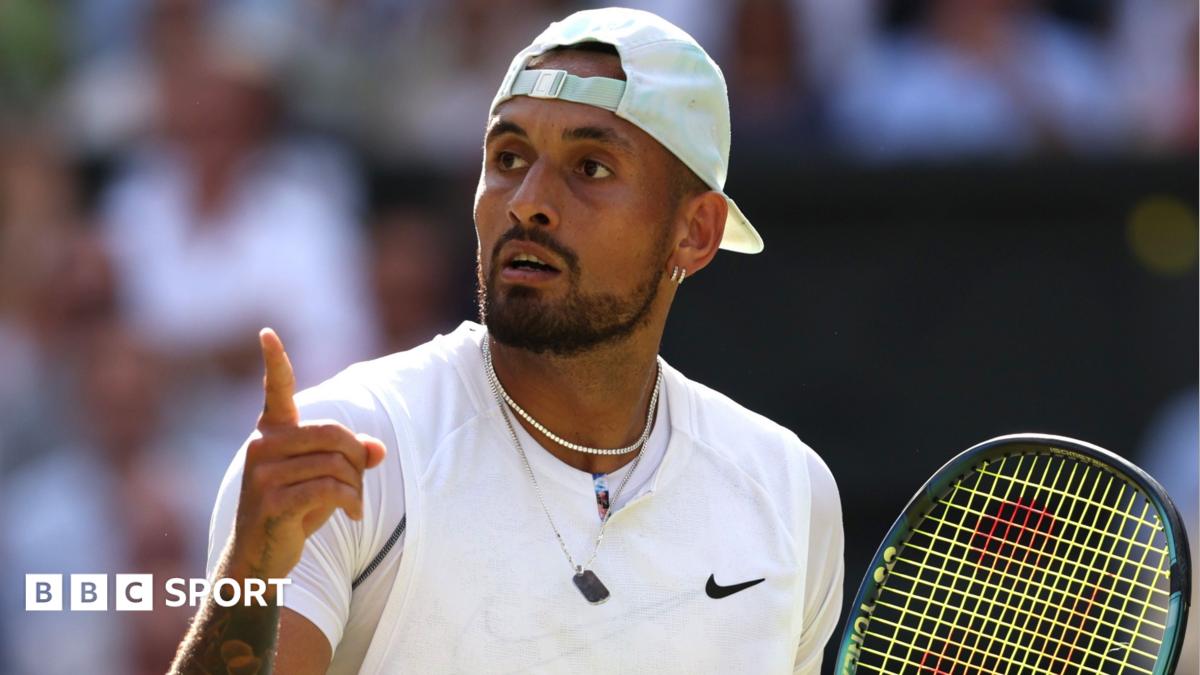
Australian tennis star Nick Kyrgios, whose turbulent career has been marked by spectacular on-court highs and repeated off-court controversies, has been issued a mandatory provisional suspension after testing positive for a cocaine metabolite during June’s Mallorca Open. The 31-year-old, who has spent the past two years battling multiple serious injuries that have sidelined him from consistent competition, is attempting yet another comeback when the positive result was returned.
In a public statement posted to his social media channels, Kyrgios acknowledged the positive test as a “huge mistake” and accepted full accountability for the outcome. He opened up about the intense mental toll that recent years of injury and the reality of approaching the end of his professional tennis career have taken on him, writing, “Coming to terms with being near the end of my career has been harder than I ever imagined.” This admission aligns with a long-stated prediction he made years earlier: that there was “zero chance” he would continue competing on the ATP Tour into his 30s.
Under the anti-doping rules governing professional tennis, Kyrgios is barred from competing in any sanctioned events until his case is fully resolved. While the maximum possible penalty for the violation is a four-year competition ban, regulatory rules cap the suspension at just three months if the player can successfully prove that the cocaine was consumed outside of competition, and not for performance-enhancing purposes.
Kyrgios, a seven-time ATP Tour singles champion and 2022 Australian Open men’s doubles title winner alongside close friend Thanasi Kokkinakis, has long been one of the most polarizing figures in global tennis. He first rose to international prominence at age 19 during his 2014 Wimbledon Centre Court debut, when he pulled off a legendary upset over then-world No. 1 Rafael Nadal. Eight years later, he reached the peak of his singles career, advancing to the 2022 Wimbledon singles final where he finished runner-up to Novak Djokovic.
At his best, Kyrgios is widely regarded as one of the most talented and exciting shot-makers in the sport, renowned for his flamboyant style, explosive serve, and natural on-court athleticism. But his career has been overshadowed by repeated behavioral controversies and well-documented mental health struggles.
The first major public disciplinary incident came in 2015, when Kyrgios received a suspended 28-day ban for making lewd comments about Stan Wawrinka’s girlfriend during a professional match in Montreal. The following year, he was hit with an eight-week ban for unsportsmanlike conduct and a documented “lack of best effort” at the Shanghai Masters, a penalty that was eventually reduced to three weeks after he agreed to undergo counseling with a sports psychologist.
2019 stands as the lowest point of Kyrgios’s professional career, a period he has described publicly as the “nadir” of his time in tennis. That year, he was defaulted mid-match at the Italian Open for throwing a chair onto the competition court, and later fined $113,000 for verbally abusing umpire Fergus Murphy during a tournament in Cincinnati. The ATP eventually issued a suspended 16-week ban for a pattern of verbal abuse directed at officials and spectators over the preceding 12 months.
In interviews for the Netflix documentary series Break Point, Kyrgios opened up about the deep personal struggles that defined that period of his life. “I was drinking, abusing drugs. I lost my relationship with my family, pushed all my close friends away,” he said. He also revealed that childhood bullying over his size and heritage left lasting mental health scars, that he wore long compression sleeves to cover self-harm scars on his arm, and that he spent time in a London psychiatric hospital to work through his mental health challenges.
In the years since that low point, Kyrgios has continued to make headlines for off-court incidents. In 2023, he pleaded guilty to assaulting his ex-girlfriend Chiara Passari during a public argument in Canberra, and was spared a criminal record after a magistrate ruled the incident was a “single act of stupidity or frustration.” Two years ago, he publicly distanced himself from controversial influencer Andrew Tate, who is currently fighting extradition to the UK on charges of rape and sex trafficking, telling the BBC he had taken significant steps to cut ties with Tate.
Kyrgios, currently ranked world No. 919 after extended injury breaks, has announced he will step away from public competition for the next 28 days to focus on personal work, saying he aims to “do the work and come back better.” The formal adjudication of his doping case could take multiple months to complete, a process that comes as Kyrgios has been an outspoken critic of tennis’s current anti-doping system. He has repeatedly called the system “awful,” and publicly argued that top players Jannik Sinner and Iga Swiatek received overly lenient punishments in their recent high-profile doping cases. Following Sinner’s acceptance of a three-month ban for a positive clostebol test, Kyrgios wrote online: “Sad day for tennis. Fairness in tennis does not exist.”
For Kyrgios, who once questioned whether he would ever play into his 30s, the outcome of this ongoing process will determine whether he gets the chance to continue his professional career beyond this point. The BBC notes that support for mental health challenges is available through BBC Action Line and the Samaritans free helpline for anyone affected by the issues raised in this report.
-
‘Missing’ Baptiste serving prison sentence in Morocco
A celebrated former British sprint gold medalist turned top athletics coach, long reported missing after vanishing abruptly from his work ahead of major 2026 championships, is actually serving a 10-month custodial sentence in Morocco following a conviction for sexually assaulting a minor, BBC Sport can exclusively confirm.
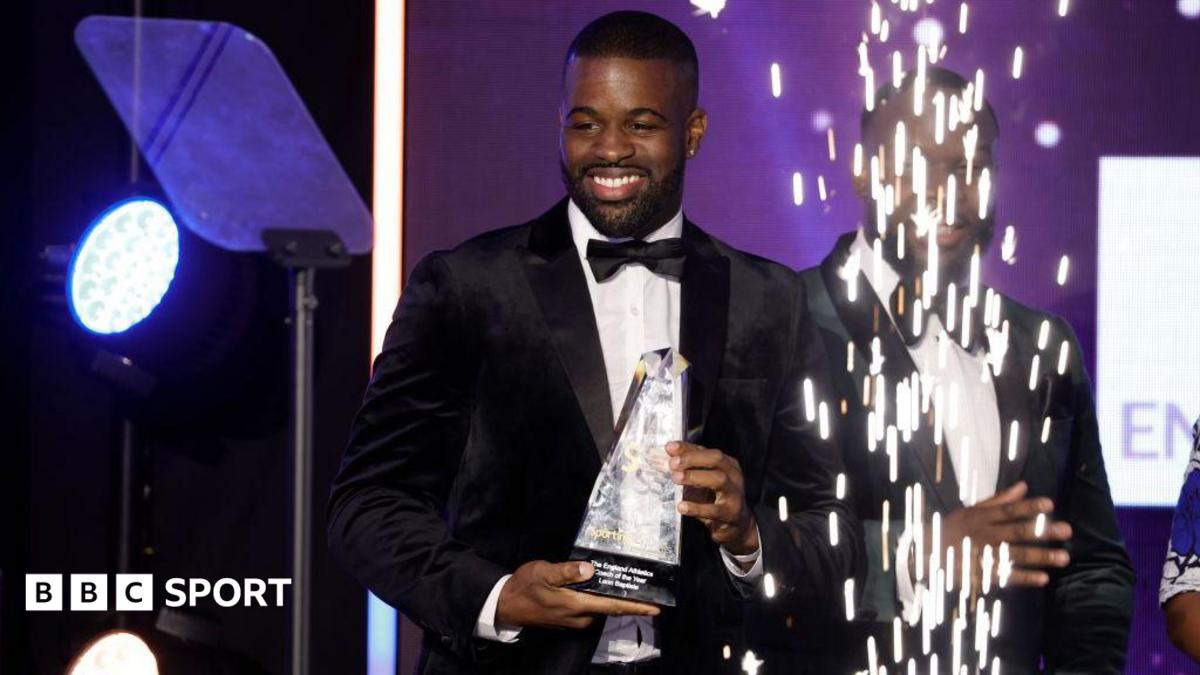
Forty-one-year-old Leon Baptiste, who claimed 2010 Commonwealth Games gold in both the 200m and 4x100m relay before retiring at 28 due to chronic knee injuries, had built a respected post-competition career as a consultant sprint coach for UK Athletics, working with a cohort of elite British sprinters ahead of this summer’s Commonwealth Games and European Athletics Championships. That career came to an abrupt, unexplained end more than three months ago, when Baptiste cut off all contact with the athletes he trained and his colleagues at the national governing body.
In May, Baptiste sent only a brief message to his group of trainees saying he would step away from training sessions “for a while”, with no further details provided to explain his sudden exit. Over the past weekend, multiple media reports emerged naming Baptiste as a missing person, claiming he had disappeared without a trace while traveling in Morocco. On Tuesday, athletes received a short email of resignation on Baptiste’s behalf, which only cited unspecified health issues as the reason for his departure.
When BBC Sport launched an investigation into the conflicting reports surrounding Baptiste’s whereabouts, officials from the Moroccan Ministry of Justice confirmed the full details of the case, correcting widespread misinformation about his disappearance. “Claims that Leon Baptiste vanished under suspicious circumstances in Morocco are inaccurate and do not match the facts of the case,” a senior ministry source told BBC Sport. “This foreign national was not missing, nor did he disappear unexpectedly. He is currently held in Marrakech’s Al-Oudaya Prison, serving a custodial sentence handed down by Moroccan judicial authorities following his conviction on a misdemeanor charge.” The source also confirmed Baptiste is in good health, contradicting the resignation’s claim of ill health.
A spokesperson for the Moroccan Public Prosecution Office subsequently corroborated the conviction, the nature of the charge, and Baptiste’s current detention. In Moroccan law, a victim is classified as a minor if they are under 18 years of age. Baptiste traveled to Marrakech in May alongside three other retired British athletes, all of whom have since returned to the United Kingdom, multiple sources familiar with the trip confirmed. BBC Sport attempted to contact those three traveling companions for comment, but received no response. Baptiste’s immediate family has been aware of his imprisonment since the conviction, and the UK Foreign Office has confirmed it is providing consular support to the British national detained in Morocco, and maintains regular contact with Moroccan authorities.
Baptiste’s sudden disappearance left a cohort of leading British sprinters without their primary lead coach in the critical training period ahead of this summer’s high-profile championships. Those affected include Olympic bronze medalist Charlie Dobson and Paralympic silver medalist Zac Shaw. To mitigate the disruption, veteran sprinter Adam Gemili, a four-time European champion, and former relay specialist Martyn Rooney stepped in to provide additional coaching support for the displaced athletes. Even with the last-minute support, multiple sources close to the affected training group told BBC Sport that Baptiste’s unplanned exit heavily disrupted their training routines in a key pre-competition window, leaving many athletes ill-prepared for the upcoming events and frustrated by the lack of transparency around their coach’s departure.
UK Athletics has been contacted for comment on the situation, but has not yet issued a public statement. Baptiste was honored as England Athletics Coach of the Year at the 2023 Sporting Equals awards, just two years before his arrest and conviction.
-
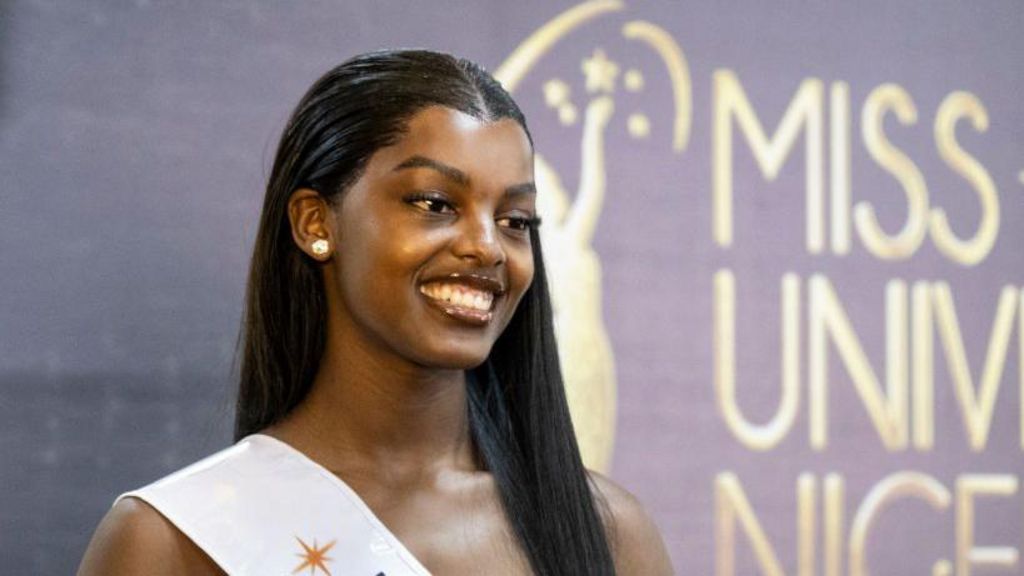
‘I was born in South Africa’, says beauty queen facing legal bid to deport her
A high-profile citizenship and deportation case involving 25-year-old beauty queen Chidimma Adetshina has been delayed until February 2027, leaving ongoing questions about her legal status in South Africa unresolved for the near future. The controversy first erupted in 2024, when Adetshina advanced to the finals of the Miss South Africa pageant, sparking public scrutiny over her family background and immigration eligibility.
With a mother of Mozambican descent and a Nigerian father, Adetshina has consistently maintained that she was born in Soweto, a major township outside Johannesburg, and raised in Cape Town, meaning South Africa has always been her home. But South African authorities launched an investigation into her citizenship after contesting her eligibility for the pageant, ultimately revoking her South African national identity documents and travel papers in 2024, on the grounds that her mother, Anabela Rungo, had previously obtained South African citizenship through identity fraud. Rungo had her own citizenship revoked by officials in 2025.
Under South African law, birth on national soil does not automatically grant citizenship to a child; at least one parent must hold South African citizenship or permanent residency for that status to be conferred. Following the revocation of her documents, Adetshina was classified as a prohibited person, prompting her to leave South Africa for Nigeria. There, she accepted an invitation to compete for the Miss Universe Nigeria title, which she went on to win.
Earlier this year, Adetshina was arrested on charges of unlawfully reentering South Africa through a border crossing with Mozambique. She was later released from custody on a formal warning. South Africa’s Department of Home Affairs has argued that Adetshina’s own actions confirm her non-citizen status: when she was in Nigeria, she applied for a South African travel visa and obtained Nigerian passports for herself and her young son, a step officials say would not have been necessary if she were a South African national.
Outside the Cape Town courthouse this week, anti-migrant activists from the group March and March led a protest calling for Adetshina’s deportation. After Adetshina exited the building following the ruling, many demonstrators chased her vehicle as she left the premises. Speaking to reporters after the hearing, Adetshina pushed back against both the government’s case and the public hostility against her. She stated that authorities have targeted her and attempted to use her case as a warning to other migrants, calling her treatment unfair.
Adetshina added that she has followed all formal legal processes to have her citizenship status officially reviewed, and she rejected attempts to allow xenophobia and misinformation to shape how people in immigration situations are treated. The court granted the postponement to give Adetshina’s legal team time to finalize her judicial review challenging the Home Affairs deportation order. Until the next hearing in 2027, Adetshina will remain out of custody and at liberty in South Africa.