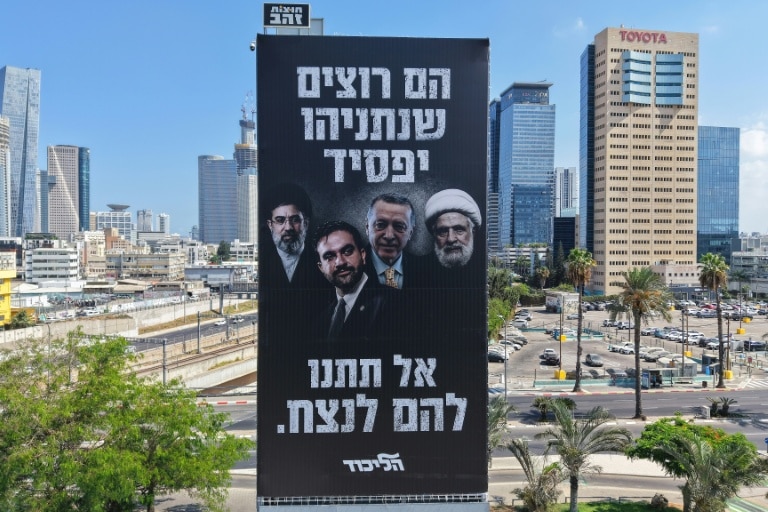
As Israel’s tightly contested October 27 general election approaches, Prime Minister Benjamin Netanyahu has ramped up his political rhetoric by positioning Turkey as a new key adversary, a strategy that risks inflaming long-simmering regional tensions and creating friction with key Western allies. The controversial move comes as Netanyahu fights to hold onto power after more than two years of aggressive military campaigns against perceived hostile actors across the Middle East, with growing domestic criticism that he has failed to deliver on his core security promises.
作者: admin
-
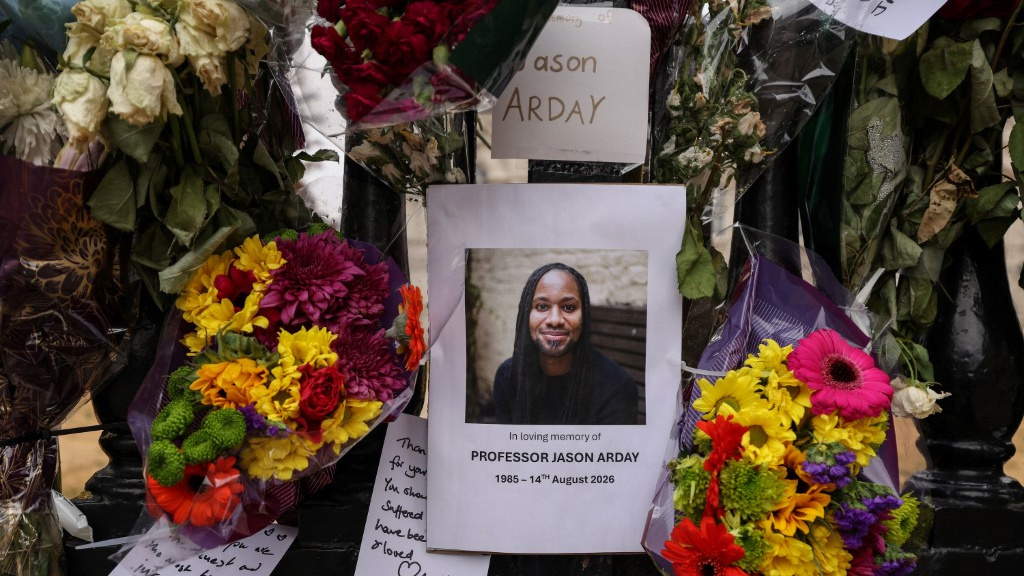
Jason Arday’s marathon challenge and football claims found to be true after his death
The death of 42-year-old Cambridge University sociologist Jason Arday, found dead in south London last Friday, has sparked renewed scrutiny of the relentless media and online campaign that targeted him in his final weeks, after a new independent analysis has confirmed that many of the most widely mocked claims about his life and achievements are verifiably true.
Arday resigned from his professorship at Cambridge and his fellowship at Jesus College earlier this month, shortly after the university launched an independent investigation into his appointment following widespread plagiarism allegations. For weeks, public discourse centered on claims that Arday had fabricated large portions of his personal biography and professional credentials, with two of his assertions drawing particular scorn: that he completed 30 marathons in 35 days for charity in 2010, and that he once played semi-professional football.
An in-depth analysis by Middle East Eye (MEE) has confirmed both claims are accurate, with contemporaneous local news reports, firsthand witness accounts, and club records backing up Arday’s statements. Coverage from multiple London local outlets including the Richmond and Twickenham Times and My London documented Arday’s 2010 charity challenge from its announcement through to its completion. Then a 24-year-old master’s student working as a part-time lecturer, Arday launched the 30-marathon effort to raise funds for two UK charities: Shooting Star Children’s Hospice and homeless advocacy organization Shelter.
Local media tracked his progress step-by-step: the first completed marathon was reported on July 20, 2010, with a published photo of Arday mid-run, and an August 13 update from Your Local Guardian confirmed he was within reach of his 30-marathon goal. Kim Darton, then fundraising director at Shooting Star, even cycled alongside Arday for his 24th marathon, later telling outlets he was stunned by the academic’s determination and called the effort inspiring. Arday ultimately crossed the finish line on August 25, 2010, after training for months on a grueling schedule that included 14 miles of running daily split between early morning and late night shifts around his teaching work. He completed the challenge despite developing a hairline fracture in his leg, a detail misrepresented by later critical coverage that incorrectly labeled the injury a full broken leg to mock Arday’s claim.
Sarah Carney, a long-time friend of Arday, confirmed the challenge’s authenticity in an interview after his death, stating she joined Arday for the second half of his final marathon and has photos documenting the effort.
“These runs were true. He wasn’t an ordinary person. He was extraordinary,” Carney told reporters.
MEE also confirmed Arday’s claim of semi-professional football experience, finding he was listed as a first-team goalkeeper for two semi-pro English clubs: Walton and Hersham FC and Lewisham Borough FC, with a match report from October 2018 referencing his involvement.
Other widely criticized claims from Arday have also been found to be more credible than recent media coverage suggested. His assertion that he had helped raise £5 million for charity over a 20-year period was mocked as an obvious exaggeration, but Arday always clarified the total represented collective fundraising across multiple campaigns he organized, not money he raised alone. Analysis from Byline Times found the total is plausible, as the combined gross income of charities Arday worked with exceeds £1.4 billion. Even the claim that Arday falsely claimed authorship of an unpublished book has been partially validated: the work, *Being Young, Black and Male: Challenging the Dominant Discourse*, is listed as a forthcoming title from major academic publisher Palgrave Macmillan, even if it has not yet been released.
The most divisive unproven claim is Arday’s assertion that he could not speak full sentences until he was 11 years old, a statement that has drawn conflicting accounts from former classmates. While some former schoolmates have disputed the claim, others have backed it up, including Caroline Russell-Clark, the mother of a former teammate, who recalled Arday having severe learning difficulties and not speaking regularly until he was a teenager.
The core of the original scandal surrounding Arday centered on plagiarism allegations, first raised by Dr. Nathan Cofnas, a self-described proponent of “racial realism” who wrote in February 2024 that Black people would “disappear from almost all high-profile positions outside of sports and entertainment” without affirmative action. The initial accusation targeted Arday’s 2015 PhD thesis completed at Liverpool John Moores University, which launched its own investigation into the claims earlier this year. The university concluded in March that any citation issues were the result of “honest and reasonable error”, noting that Arday’s supervisory team was depleted during his doctorate and he only received one formal supervision session over the course of his degree. Textual overlap in his thesis was found to be within acceptable ranges for the academic standards of the time, and MEE’s analysis found Arday explicitly credited the work of other scholars whose work was referenced, including lead scholar Paula Zwozdiak-Myers, in other sections of the document.
New plagiarism allegations emerged in recent months, which Arday denied before his death. He acknowledged that early work had formatting and citation gaps, noting in a recent interview that his later work improved significantly once he could afford a professional proofreader to review his writing.
In the days after Arday’s death, tributes have poured in from across academia and politics, with many figures noting that Arday spent his career opening doors for underrepresented young scholars. A vigil held in London’s Trafalgar Square on Monday drew an estimated 30,000 mourners, where Labour MP Bell Ribeiro-Addy told the crowd Arday’s legacy lay in the access he created for others.
“He held doors open behind him. He kept them open and thousands of us walked through. That is why this place is full tonight,” Ribeiro-Addy said.
Oxford University academic Dr. Rebecca Syed Sheriff, who worked with Arday, remembered him as a warm, supportive colleague dedicated to centering the experiences of marginalized young people in research. “He always had good ideas, always genuinely interested in the experiences of young people who would not usually be seen in research,” she said.
Cambridge Chancellor Lord Chris Smith has publicly characterized the campaign against Arday as a “racist feeding frenzy”, echoing widespread criticism of how media outlets amplified unproven allegations as fact before any investigation was completed. In his resignation statement earlier this month, Arday stressed that his decision to step down should not be misread as an admission of guilt for the claims made against him.
“[This move] should not be mistaken for an acceptance of the narratives that have surrounded me,” he wrote at the time.
Mental health support resources are available for anyone struggling with distress: in the UK, the Samaritans can be reached at jo@samaritans.org or 116 123, while people in the U.S. can contact the National Suicide Prevention Lifeline, with additional global resources listed at befrienders.org.
-
Two accused of drug trafficking after UK-Nigeria investigation
A major joint investigation by law enforcement agencies in the United Kingdom and Nigeria has uncovered a large-scale international drug trafficking operation, leading to charges against two UK residents and multiple arrests in Lagos, Nigeria.
The UK arrests came on 5 August, after officers seized more than 180 kilograms (nearly 397 pounds) of cocaine from an undisclosed location in the country. The two suspects, 50-year-old Oladipupo Atandare from Dagenham and 44-year-old Latifat Yusuf from Hornchurch, were taken into custody immediately following the seizure.
Three days after their arrest, the pair appeared before Barkingside Magistrates Court, where they were remanded in custody pending further proceedings. Their next court hearing is scheduled for 7 September at Snaresbrook Crown Court.
The Metropolitan Police, the UK’s leading law enforcement force for the London area, confirmed that the charges against Atandare and Yusuf currently relate only to the cocaine seizure made on UK soil. However, active investigations are ongoing into a separate, similarly sized cocaine discovery made by Nigerian authorities earlier this month.
On 12 August, Nigerian officials announced they had seized 184.5 kilograms of cocaine with an estimated street value of £20 million. The drugs were found hidden inside brown cardboard boxes at a courier shipping facility in Nigeria’s largest city, Lagos.
Multiple suspects have been taken into custody in Nigeria as part of the probe, including a logistics company employee directly linked to the shipment and a high-profile social media influencer with nearly 700,000 Instagram followers.
The influencer, 49-year-old Afolabi Kazeem Micheal, who brands himself online under the alias “KC Luxury”, has built a public persona as a successful entrepreneur trading in gold and high-end luxury goods. His social media channels are filled with content showcasing his supposed lavish lifestyle, including multiple flashy high-performance vehicles. Despite this public image, Nigeria’s National Drug Law Enforcement Agency (NDLEA) has named Micheal as the Nigerian “arrowhead” – the top operational leader – of the transnational drug trafficking cartel behind the smuggling plot. As of press time, Micheal has not issued any public response to the allegations against him.
Cross-border collaborations between UK and Nigerian law enforcement remain ongoing as investigators work to unpick the full structure of the criminal network and identify all participants in the operation.
-
‘Playing with fire’: Israel’s Syria strike tests Turkey after Mecca defence pact
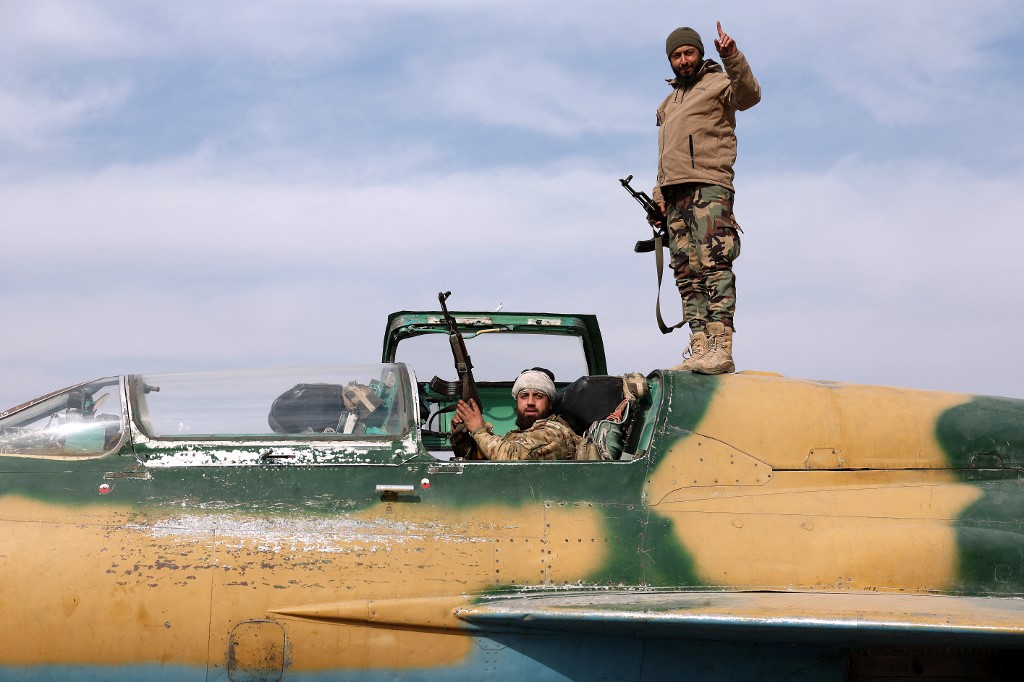
On a Tuesday in mid-August 2026, multiple Israeli airstrikes hit the inactive Abu al-Duhur military airbase in northern Syria, just 70 kilometers from the Turkish border. The targeted attack, carried out days after the signing of the landmark Mecca defense agreement between Turkey, Saudi Arabia, and Pakistan, has ignited a wave of diplomatic fallout and competing narratives across the Middle East, with Ankara dismissing the strike as a pre-election political stunt by Israeli Prime Minister Benjamin Netanyahu.
Netanyahu, who is currently in the thick of a heated domestic election campaign, has already positioned Turkish President Recep Tayyip Erdogan as a key adversary of Israel in his campaign messaging, alongside New York Mayor Zohran Mamdani. But beyond electoral posturing, regional analysts and government insiders say the strike carries larger strategic aims: it appears designed to weaken Ankara’s standing as a reliable ally to the new Syrian government and disrupt the emerging regional security architecture that Turkey has spearheaded.
Shortly after the attack, the Syrian government issued a formal condemnation, confirming that eight precision strikes targeted the airbase’s runway early that morning. The facility has long been non-operational, and initial statements from unnamed Israeli officials were inconsistent, starting with claims that new Syrian President Ahmed al-Sharaa was backing pro-Iranian proxy forces from the site, before the official Israeli narrative shifted dramatically.
In an official statement, the Israeli Prime Minister’s Office claimed that Israel and Syria had struck an understanding to maintain the existing security status quo, which it said Syria was about to break by allowing Turkish troops to deploy to the base near Aleppo. Multiple unconfirmed reports further claimed the strikes hit just after a Turkish official delegation had left the site, as Ankara prepared to take full control of the facility.
But Syrian officials pushed back strongly on these claims in comments to Middle East Eye, clarifying that only a small Turkish technical team had been deployed to repair the base’s runway and control tower, with no Turkish military personnel present on site at the time of the attack. One Syrian official noted that the last reconstruction team had departed the site two days before the strikes, adding that Turkey’s broader work across Syria is focused on helping rebuild a strong, capable national Syrian army to defend the country’s territorial integrity, with no activities targeting Israel. “Turkey doesn’t take over every base it helps repair,” the official emphasized.
Independent data aligns with this account: open source tracking from MEE Osint Track and aggregated data from the Armed Conflict Location & Event Data Project (ACLED) shows that Israel has maintained a consistent campaign of strikes across Syria since the fall of the Bashar al-Assad government, with 1,722 verified, deduplicated strike incidents recorded between January 2025 and August 18, 2026. Ankara for its part has already closed dozens of small outposts across northern Syria and only operates a small number of established, permanent bases in the region. Even if Turkey were to station personnel at Abu al-Duhur, officials note the base’s proximity to the Turkish border means any presence would not shift the regional aerial balance of power, contradicting Israeli claims of a growing threat.
A major point of contention that has raised alarm across the international community is Israel’s failure to use the dedicated military hotline established with Turkey in 2025, a mechanism designed specifically to prevent accidental military clashes and escalation. Turkish officials say this deliberate choice was no oversight: it was a deliberate provocation.
U.S. Envoy to Turkey and Syria Thomas Barrack echoed these concerns in comments to an Israeli media outlet, warning that the strike carried a severe risk of spiraling into direct military conflict between Israel, Turkey, and Syria. “Turkish forces were not aware that the Israeli aircraft were en route to that specific Syrian base, nor of their intended purpose, and therefore could potentially have been inclined to scramble their own jets in the belief that they themselves were under attack,” Barrack explained.
Ankara’s official response framed the attack explicitly as a pre-election gambit by Netanyahu, with the Turkish presidency’s communications office accusing the Israeli prime minister of pursuing expansionist, destabilizing policies across the region to boost his domestic polling. Multiple Turkish government insiders, speaking on condition of anonymity, expanded on this assessment, noting the strike serves dual strategic purposes beyond just winning votes.
The Mecca defense agreement, signed just days before the strike, has created domestic political pressure on Netanyahu, the insiders explain, even as the new trilateral security pact has been welcomed by the U.S. administration of President Donald Trump, which currently backs al-Sharaa’s Syrian government. By striking the base, Israel is sending a clear message that it rejects the new regional security framework being built by Ankara, and will continue to carry out strikes across Syria whenever it sees fit. “It is a way of telling Erdogan that they won’t let him feel comfortable in Syria,” one insider said, noting that Erdogan recently announced plans to visit Damascus later this year — his first trip to the Syrian capital since the fall of Assad.
The strike also acts as a test of the Trump administration’s commitment to the new regional order, insiders add, and officially confirms what many in Ankara have suspected: Israel views Turkey’s long-term presence in Syria as an existential threat. One insider warned that rising tensions ahead of Turkey’s 2028 general election could deepen the rift between the two countries, raising the risk of a major military incident similar to the 2015 downing of a Russian fighter jet by Turkish forces.
While one Turkish source familiar with military operations noted that Turkish radar systems can track Israeli aerial activity as far south as Jordan, and that Ankara was not caught completely off guard — with some speculation that U.S. officials provided advance warning of the strike — Turkish officials still warn Israel is gambling with regional security. “They are playing with fire,” one senior Turkish official said. Barrack has called for the immediate activation of a new deconfliction mechanism that includes Syria, Turkey, and Israel to prevent further escalation, but it remains unclear if Israel will agree to new confidence-building measures following the strike.
-
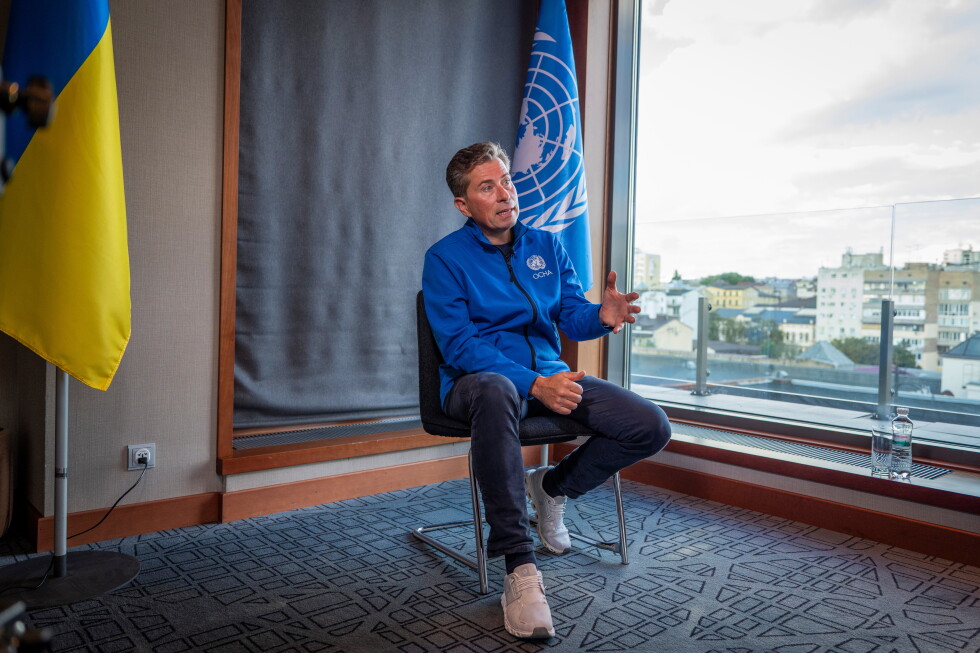
UN aid chief warns Russian drones threaten civilians and aid work in Ukraine
During an interview with The Associated Press on Wednesday, United Nations Under-Secretary-General for Humanitarian Affairs Tom Fletcher issued a stark warning following his on-the-ground visit to the frontline city of Kherson in southern Ukraine: the growing use of drones targeting civilians and aid workers has created a lethal and growing barrier to delivering life-saving support to vulnerable communities across the country.
Kherson, split by the Dnipro River which forms the active frontline between Russian-held territory on the eastern bank and Ukrainian-controlled land on the west, offered Fletcher a first-hand look at the daily danger facing local populations. He described the experience as “quite chilling,” noting that kamikaze and reconnaissance drones regularly cross the river to target civilian homes, passenger vehicles and public transit systems. The constant threat of attack has not only put local residents at extreme risk but also severely disrupted the ability of humanitarian teams to reach those most in need.
Fletcher’s comments came just after he took part in a memorial service for two humanitarian workers killed in the line of duty in Ukraine. He emphasized that drones pose an immediate, indiscriminate threat to both civilian populations and the aid workers deployed to support them, even noting that clearly marked humanitarian vehicles, which are protected under international humanitarian law, have been repeatedly targeted in attacks. These incidents have forced aid organizations to scale back operations in high-risk areas, leaving countless vulnerable people cut off from critical support.
Local humanitarian groups, which carry out more than two-thirds of all aid projects funded through Ukraine’s national humanitarian fund, face the greatest exposure to these risks. Fletcher shared that these local organizations have repeatedly raised alarm that they lack adequate protection to carry out their critical work.
Beyond the immediate threat of drone attacks, Fletcher also outlined major long-term challenges facing humanitarian operations in Ukraine, particularly ahead of the approaching winter season. He noted that the U.N. requires more than $2 billion to fund its prioritized emergency response for Ukraine in 2024, with damage to critical civilian infrastructure — including electric grids, water systems and natural gas networks — raising the risk that millions of Ukrainians could face life-threatening conditions similar to those seen during the harsh winter of 2022-2023.
Global humanitarian funding shortages have compounded these challenges, as the U.N. has been forced to narrow its priorities amid plummeting donor contributions. The organization now estimates that 92 million people across the globe face catastrophic humanitarian need, up from an initial projection of 87 million, driven by new crises including the Ebola outbreak in Central Africa, the deadly earthquake in Venezuela, and spreading conflicts in multiple regions. To address all these urgent needs, the U.N. is seeking $23 billion in total donor funding, and as of yet has only raised roughly half that amount.
While Ukraine’s humanitarian program is comparatively better funded than many other global crises, with approximately 70 to 75 percent of its top-priority funding target met, Fletcher stressed that even full funding would only address a fraction of the country’s overall humanitarian needs. He added that fundraising has become far more difficult in recent months, as donor governments have increasingly reallocated public spending to defense priorities and domestic programs rather than international aid.
“We’re in a more transactional world, I would say a more selfish world,” Fletcher said. In response to this shift, he noted that the U.N. now has a heightened responsibility to prove it is using limited taxpayer resources efficiently and strategically, demonstrating to donor nations that funds are being allocated sensibly, wisely and to the highest-priority needs.
In a separate grim assessment released alongside his comments, the U.N. confirmed that 907 aid workers were killed, injured or kidnapped in violent attacks globally in 2023, and more than 1,000 aid workers have been killed in the line of duty over the past three years. Fletcher admitted that the current response from the international community gives him no confidence that those responsible for attacks on aid workers will be held accountable. He called for expanded accountability that goes beyond prosecuting only the individuals who directly carry out attacks, saying “I want to see investigations into the people who fired the weapon or flew the drone.”
-

‘Breakthrough’ mRNA cancer drug curbs melanoma in large trial
In a transformative development for cancer care, pharmaceutical firms Merck and Moderna announced Wednesday that their personalized messenger RNA (mRNA)-based cancer therapy delivered promising positive results in a large-scale late-stage clinical trial, successfully reducing the recurrence of melanoma. The breakthrough finding has sent shockwaves through the global medical and financial communities, pushing Moderna’s share price up 145% to $154 and lifting Merck’s stock by more than 12% to $152.
The experimental treatment, named intismeran autogene, leverages the same foundational mRNA technology that powered the development of highly effective Covid-19 vaccines nearly a decade after the platform was first mainstreamed by the pandemic. While researchers have spent decades working to adapt mRNA technology for cancer treatment, this trial marks the first time an mRNA-based cancer drug has delivered positive outcomes in a large, phase-three level clinical study.
“Today marks an extraordinary milestone for Moderna, for mRNA science and, most importantly, for patients with cancer,” Moderna Chief Executive Stephane Bancel emphasized in an official statement.
The roughly one-year trial enrolled 1,137 participants who had undergone surgical removal of melanoma tumors. Patients were split randomly into two groups: two-thirds received the new personalized mRNA therapy in combination with pembrolizumab, the current gold-standard treatment for melanoma, while the remaining third received only pembrolizumab. The companies confirmed they will unveil full trial data at an upcoming international oncology conference and have already begun preparing regulatory submissions to seek formal approval for the treatment.
Independent oncology experts have welcomed the results as a watershed moment for cancer immunotherapy. Lennard Lee, an oncologist and assistant professor at the University of Oxford who was not involved in the trial, called the outcome “very encouraging” and noted that the full dataset is now eagerly anticipated by the global research community.
Marco Gerlinger, a professor of oncology at London’s Barts Cancer Institute, echoed the praise, pointing out that the results do more than benefit melanoma patients – they serve as long-awaited “proof of principle that personalised cancer vaccines work.” “I think it is fair to call it a breakthrough in the development of new cancer immunotherapies,” Gerlinger said, while adding that the initial press announcement lacked granular full-trial details that will be critical for further assessment.
Unlike traditional one-size-fits-all cancer treatments, the personalized mRNA therapy works by first collecting a tissue sample from a patient’s tumor, mapping its unique genetic mutational “fingerprint,” then designing a custom mRNA treatment targeted to that specific signature. Similar to Covid-19 mRNA vaccines, the treatment delivers synthetic molecular instructions wrapped in microscopic lipid bubbles that enter the body’s cells and trigger them to produce specific targets that train the immune system to recognize and attack cancer cells.
First conceptualized decades ago, mRNA technology rose to global prominence during the Covid-19 pandemic, when Moderna and Pfizer-BioNTech rolled out highly effective vaccines that dramatically reduced rates of severe illness and death from the virus. Since then, researchers have raced to adapt the platform to a wide range of other diseases, with cancer being the most high-priority area of research.
Melanoma is among the most aggressive forms of skin cancer, with more than 330,000 new cases diagnosed across the globe in 2022 alone. Looking ahead, Bancel confirmed that the two companies will continue expanding research into intismeran autogene, testing it in combination with pembrolizumab and other existing anti-cancer therapies, as well as a standalone treatment, across a wide range of tumor types and disease stages. Upcoming trials will explore the therapy’s effectiveness for lung, bladder, and kidney cancers in addition to melanoma, opening the door for a potential revolution in personalized cancer care.
-
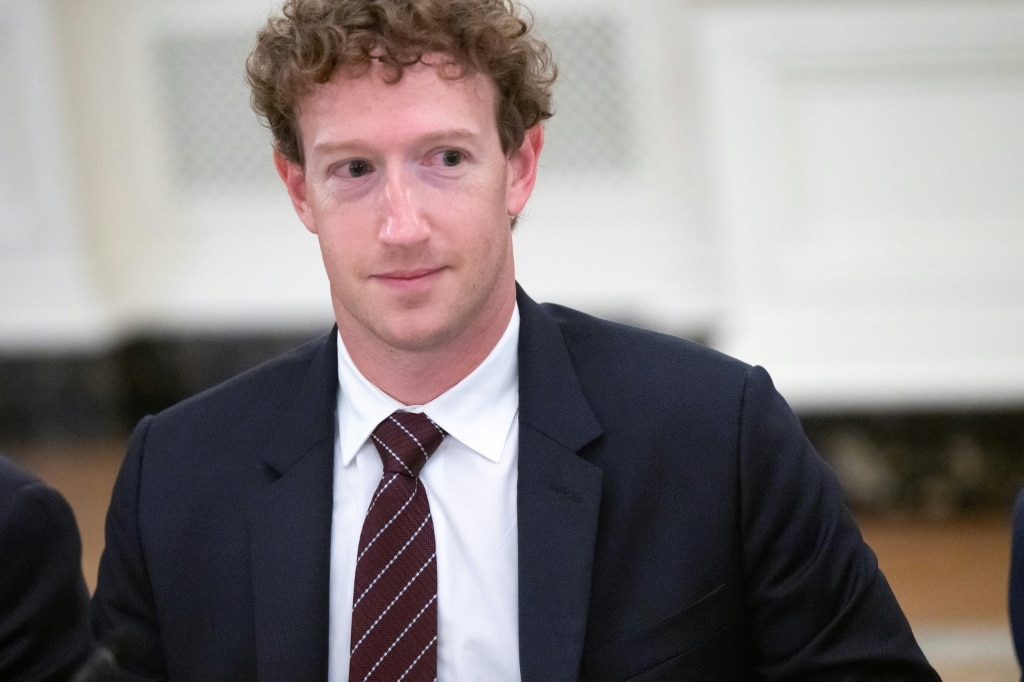
Some of Meta’s safety tools were ‘designed to fail’: witness
In a landmark California trial that could reshape the global social media industry, a former top Meta engineering director delivered explosive opening testimony Wednesday, alleging that key user safety features on the company’s flagship platforms Facebook and Instagram were intentionally built to underperform, directly contradicting Meta’s public claims of prioritizing teen well-being. The six-week trial, brought by a coalition of U.S. states, accuses the social media giant of deliberately designing its products to hook young users, harvest their personal data, and deceive the public about the harms of prolonged platform use. A ruling against Meta could result in up to $200 billion in penalties, force sweeping overhauls to its core profit-driven business model, and send ripple effects across the entire global technology sector.
Arturo Bejar, the first witness to take the stand, said his experience inside the company confirms Meta has long prioritized ad revenue over user safety by designing systems to keep users scrolling for as long as possible. In a direct rebuke of Meta’s opening defense claims that the company has invested heavily in tools to mitigate harms for young users, Bejar called out the 2021 Instagram feature “Take a Break” — which sends users reminders to step away from endless scrolling — as a textbook example of a safety feature designed to be ineffective. The feature, like many other safety tools Meta highlights publicly, is an opt-in function, requiring users to actively seek it out and enable it rather than activating it automatically for all users. Bejar noted that other harm-mitigation tools, including features meant to curb infinite scrolling and limit compulsive notification pings, were also made optional to avoid reducing user engagement. “Notifications are built and designed in order to bring people back, so they spend more time and get more revenue. They’re not designed for mental health… or the safety of the person,” Bejar told the court.
Meta’s legal team pushed back against the accusations during opening statements Tuesday. Lead Meta lawyer Paul Schmidt acknowledged that some users, including teenagers, have negative experiences on the platforms, but maintained the company has taken meaningful steps to develop safeguards to reduce those risks. “There can be no dispute that Meta has both recognized that people can struggle with their use of social media and tried to come up with tools to help them,” Schmidt said. Court documents show Meta attempted to block Bejar from testifying just days before the trial began, but the presiding judge rejected the company’s motion.
Legal and public health experts have widely framed this case as social media’s “Big Tobacco moment” — drawing a parallel to the 1990s blockbuster litigation between U.S. tobacco companies and dozens of states that resulted in billions in penalties and sweeping industry-wide marketing reforms. Like that historic case, this trial centers on claims of a multibillion-dollar corporation hiding public health harms and targeting vulnerable youth to grow its bottom line. Colorado Attorney General Phil Weiser noted Tuesday that the case comes after years of congressional inaction on social media regulation, leaving states to pursue accountability. “The tobacco and social media cases both involve public health, and in some cases, marketing to kids that hurt kids,” Weiser said.
California lead prosecutor Megan O’Neill laid out the states’ case during opening statements, framing Meta’s business model as inherently built around addicting users to maximize engagement and data collection. O’Neill said Meta “exploited how kids’ brains work” to keep young users hooked on its platforms. Court filings list Meta founder and CEO Mark Zuckerberg and Instagram head Adam Mosseri as expected star witnesses, though California Attorney General Rob Bonta declined to confirm Tuesday whether Zuckerberg will be called to testify. Ahead of the trial, Meta repeatedly denied all allegations, saying it has collaborated with parents, child safety experts, and law enforcement to build appropriate protections for young users.
-
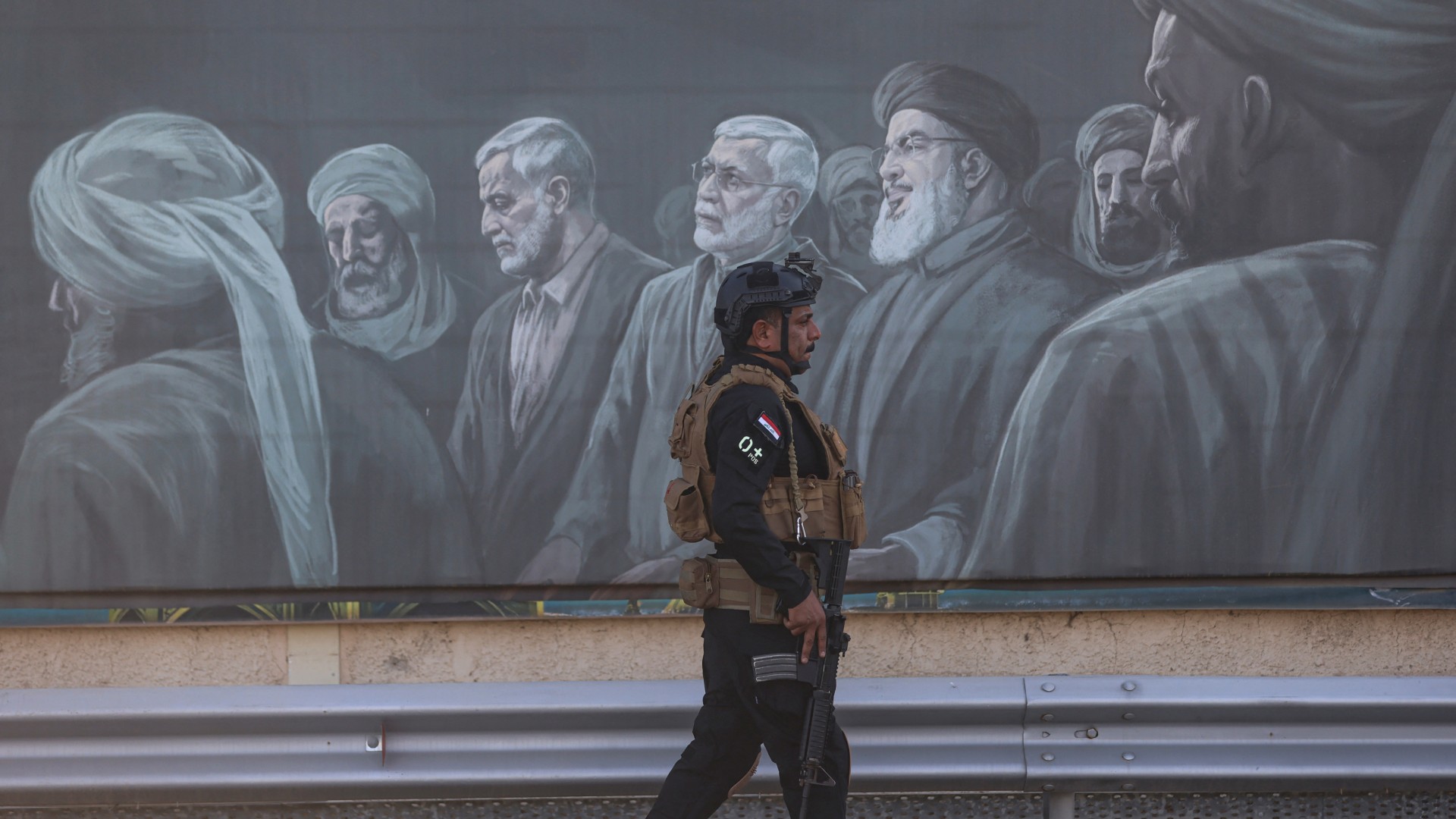
Iran issues warning against Arab states aiding US, as UAE cuts economic ties
Tensions across the Persian Gulf have spiked sharply this week, as Iran issued a stark public warning to neighboring Gulf states just hours after the United Arab Emirates announced it was severing all economic ties with Tehran, deepening a conflict that has already roiled the strategic region for months.
Ali Abdollahi, chief of staff of Iran’s armed forces, delivered the warning Wednesday in comments carried by Iran’s state-run Mehr News Agency. Abdollahi emphasized that any form of support or logistical assistance provided to what he labeled the “aggressor United States military” would be treated as direct participation in Washington’s ongoing military operations against Iran.
He questioned the plausibility of the large contingent of U.S. military aircraft — including critical refueling planes — operating from bases across the Gulf region without the explicit knowledge and approval of host nations, adding that Iranian intelligence maintains full situational awareness of all activity in the area. “Gulf countries should know that we are fully aware of the situation,” Abdollahi said.
The warning comes in the wake of a series of escalating moves between the UAE and Iran that began earlier this week. On Tuesday, Abu Dhabi claimed that Iran had launched two ballistic missiles toward its coastline, with one projectile landing inside UAE territorial waters and the other falling in international waters. Iran’s foreign ministry spokesman Esmaeil Baghaei issued an immediate categorical rejection of the UAE’s accusation, denying any Iranian missile launch toward the country.
Shortly after the missile claim, the UAE announced it would suspend all trade, commercial and financial transactions with Iran until further notice. “In light of regional escalations… all trade, commercial exchanges, and financial transactions with Iran have been halted until further notice,” said UAE foreign ministry official Afra al-Hameli.
This latest break in economic ties marks a significant deepening of the rift between the two nations. Prior to the outbreak of the regional war in late February, the UAE — home to a large, long-established Iranian diaspora community — was one of the largest trading partners for Iran, which has been crippled by sweeping U.S. economic sanctions for years. Since the war began, which followed the launch of heavy joint attacks on Iran by the U.S. and Israel, the UAE has already implemented a series of punitive measures against Tehran, including recalling its ambassador from Tehran and closing Iran-linked educational institutions and a medical facility in the Emirates. In the early months of the conflict, Iran responded with heavy strikes on targets across the UAE.
Beyond the escalating bilateral tensions between Iran and Gulf states, new reporting this week has shed light on a potential major shift in U.S. military posture in the region. The Washington Post reported Tuesday that the Trump administration is actively evaluating a full withdrawal of U.S. troops from the Gulf, in the wake of repeated Iranian drone and missile attacks on large U.S. military bases located in the region. The policy review is being led by the Pentagon’s policy office, which has described the ongoing war as “a once-in-a-generation chance for the Pentagon to reconsider its presence in the region.” The outlet added that U.S. officials have already signaled they may not rebuild damaged Iranian-attacked bases to their pre-war operational capacity. This reporting corroborates an earlier investigation published in June by Middle East Eye, which cited current and former U.S. officials predicting a major overhaul of the long-standing U.S. basing framework in the Gulf. Former senior U.S. officials have publicly floated the prospect of a troop drawdown for months.
The shifting U.S. posture and rising regional tensions were further highlighted by an incendiary social media post from President Trump earlier Tuesday. Trump shared an altered map of the Strait of Hormuz — the strategic global energy chokepoint through which roughly one-fifth of the world’s oil and liquefied natural gas passes — labeled “NEW U.S. Territory” on his Truth Social account.
The post drew immediate mockery and pushback from Iranian officials. Mohsen Rezaei, secretary of Iran’s Supreme National Security Council, wrote on X that the disconnect between Washington’s failure to reopen the strait and its claim to sovereignty over it is wider than the 11,265-kilometer distance between Washington D.C. and the waterway. “Welcome to the post-American order in the Persian Gulf,” Rezaei added.
Iran’s top nuclear and foreign policy negotiator Mohammad Bagher Ghalibaf reaffirmed Tehran’s position Tuesday, stating that the Strait of Hormuz would remain closed to international shipping until the U.S. fulfills its previously agreed commitments outlined in a bilateral memorandum of understanding, including the lifting of Iran’s naval blockade.
The fallout from escalating tensions has also reached East Asia. South Korean Foreign Minister Cho Hyun confirmed Wednesday that President Trump’s recent order to scale back joint U.S.-South Korea military drills includes implicit pressure on Seoul to commit greater support to the U.S.-led war on Iran. Cho noted that Trump’s order covers multiple overlapping priorities, including messaging toward North Korea and an effort to break the current stalemate in the Iran war, but added that neither South Korean nor U.S. national security officials had advance warning of the president’s announcement.
-
Gold mine hit by deadly landslide in CAR near border with Cameroon
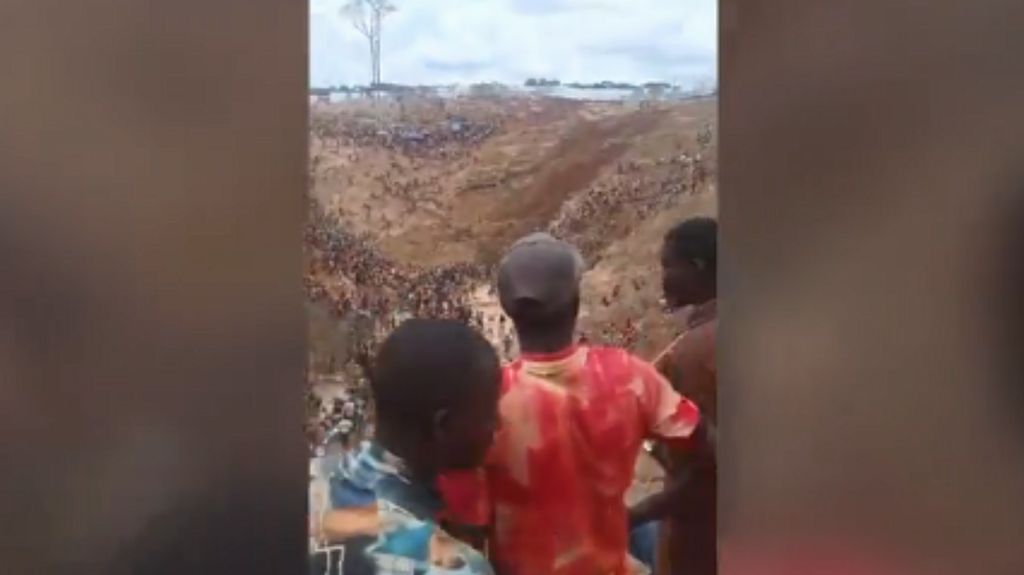
A devastating landslide that struck an informal gold mining site in Zamboï, western Central African Republic (CAR) near the Cameroonian border, has claimed the lives of more than 100 people, a regional official has confirmed to the BBC.
Widely circulated user-generated videos from the disaster zone capture the moment a steep slope collapsed onto a large gathering of artisanal miners working at the site, as bystanders scrambled to escape to higher ground to avoid being swept into the rubble.
Adamou Abdon, mayor of Garoua-Boulaï, a border town located on the Cameroonian side of the frontier, told reporters the disaster unfolded in the afternoon on Tuesday. As rescue teams continue working to clear debris and reach trapped people, there is widespread concern that the final death toll will climb higher than current counts.
As of the latest update, authorities have recovered 107 bodies from the collapsed mining area, Abdon confirmed. The exact trigger for the landslide remains under preliminary investigation, but early accounts from survivors point to structural failure within the mine.
“The entire ground just caved in, burying dozens of people where they stood,” Cedric Mbango, a miner who survived the disaster, told Agence France-Presse (AFP). “Even now, as we speak, more people remain trapped under the rubble.”Officials from Cameroon have confirmed that at least three of the fatalities are Cameroonian nationals, according to statements from Grégoire Mvongo, governor of Cameroon’s East Region, carried by Cameroonian state media. Mvongo added that the remains of the three victims are being repatriated to Cameroon for burial, while injured survivors in Zamboï are receiving emergency medical care.
Survivors requiring hospital treatment have been transported to a medical facility in Baboua, a CAR town located roughly 50 kilometers (31 miles) from the remote mining site, AFP reports.
Central African Republic national authorities have launched a formal investigation to determine the root cause of the collapse. Preliminary statements from the public prosecutor’s office in Baboua, obtained by AFP, suggest the disaster was likely caused by the failure of multiple unregulated underground tunnels miners were using to access gold deposits.
Artisanal small-scale mining, a low-tech, labor-intensive form of mineral extraction, is the primary source of household income for tens of thousands of people across this border region. But decades of unregulated mining activity have created extremely dangerous working conditions: miners regularly operate without safety oversight, and the informal pits are rarely structurally reinforced or properly sealed when abandoned. Local geology and weather patterns amplify the risk, as frequent torrential rainfall weakens already unstable soil around the mining sites, making collapses and landslides a recurring hazard.
For more reporting from across the African continent, the BBC invites audiences to visit BBCAfrica.com, and follow BBC Africa on social media platforms including Twitter, Facebook and Instagram.
-
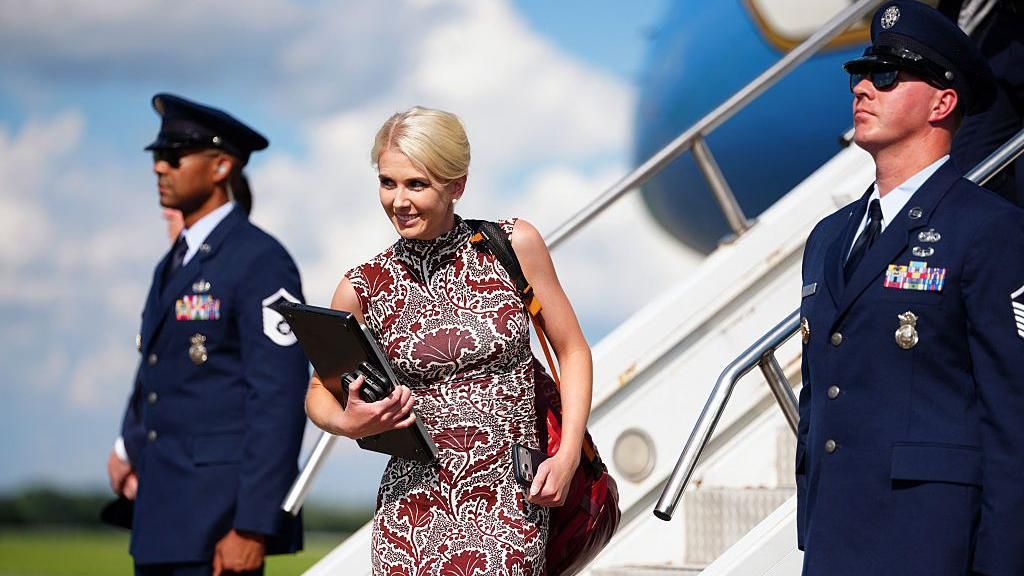
Who is Natalie Harp, Trump’s right-hand woman?
In the inner circle of U.S. President Donald Trump, few aides have maintained as constant a presence at his side over the past several years as 35-year-old Natalie Harp. One of Trump’s longest-tenured and most trusted staff members, Harp holds a roster of high-stakes responsibilities, including drafting and posting the president’s Truth Social updates. This week, she has been catapulted back into the national spotlight after Democratic Georgia Senator Jon Ossoff — a consistent critic of Trump — name-checked her in a speech that quickly went viral across social media platforms.
Ossoff’s viral remarks targeted what he called Trump’s “travel with Natalie on their apparently defenceless flying palace gifted by the Emir of Qatar”, a jab that referenced the new Air Force One aircraft as well as recent reporting that Harp was part of the small contingent that joined Trump when he secretly switched planes mid-departure from Turkey last month. Against this new swirl of attention, here is a full breakdown of the Trump aide that insiders have described both as a critical gatekeeper and the president’s personal “comfort blanket.”
A native of California born into a conservative Christian household, Harp took an unconventional path into politics that aligned perfectly with Trump’s own unorthodox approach to the White House. She first rose to national prominence by crediting Trump with saving her life during his first presidential term. When Trump signed the Right to Try Act into law, the legislation expanded patient access to experimental medical treatments — a change that allowed Harp to access a novel therapy for her bone cancer after conventional chemotherapy failed.
Harp shared her story widely with supporters in Trump’s Make America Great Again (MAGA) movement, rapidly building a following within the faction. By 2020, she had earned a seat on the advisory board for Trump’s re-election campaign, and delivered a high-profile address at that year’s Republican National Convention. “When I failed the chemotherapies that were on the market, no one wanted me in their clinical trials,” Harp told the crowd. “They didn’t give me the right to try experimental treatments, Mr President. You did, and without you, I’d have died waiting for them to be approved.” In response, Trump publicly praised her, saying “She lit up the television screen like very few people I have ever seen do it.”
After Trump lost his 2020 re-election bid, Harp took a job hosting a political program at One America News Network (OAN), a conservative media outlet. During her time at OAN, she established a reputation as one of Trump’s most fierce public defenders and a prominent voice repeating unsubstantiated claims of widespread 2020 election fraud. She departed the network in 2022 to join Trump’s third presidential campaign, and followed him back to the White House after his 2024 election victory.
Little is known about Harp’s private life, with almost all public reporting on her relationship with Trump coming from anonymous sources cited in journalistic books by prominent Trump reporters including Maggie Haberman, Jonathan Swan and Michael Wolff. Today, her official White House title is executive assistant to the president — a role typically categorized as a junior administrative position focused on logistics, scheduling, communications coordination and routine but critical secretarial work.
By all accounts from insiders, however, Harp has redefined the role, and her influence and public profile far outpace that of any previous person holding the position, including Madeleine Westerhout who served in the same role during Trump’s first term. White House reporters routinely spot Harp standing just feet from Trump in the Oval Office, and she joins him on almost all domestic and international trips, including aboard Air Force One. “She’s always around,” one anonymous source close to the White House told the BBC. “Literally, always.”
Among White House staff and the press corps, Harp has earned the informal nickname “the human printer”, because she regularly carries a portable printer to produce physical hard copies of news articles and social media posts for Trump, who prefers reading print over digital content. This proximity gives Harp outsized influence over what information and updates reach the president, according to a second source familiar with White House operations. That influence has led multiple insiders to label her a “gatekeeper” to the president, as well as his personal “comfort blanket.”
Beyond controlling information flow, Harp acts as Trump’s personal social media scribe, drafting and posting content to his Truth Social account at his direction. A photo that spread widely after Ossoff’s speech captured Harp typing a Truth Social post in Trump’s distinct rhetorical style, as the president dictated to her while watching a 2024 campaign speech by Vice President Kamala Harris.
Amid the new public focus on Harp, the White House has publicly characterized her as a “trusted and valued” member of the president’s senior team, though Trump has rarely spoken about her on camera. Ossoff was not the only Trump critic to highlight Harp’s presence on the secret plane swap out of Turkey, which occurred after U.S. intelligence reportedly received information about a potential threat from Iran.
Prominent Trump reporter Maggie Haberman, who has covered Trump’s presidencies extensively, addressed the question of why Trump brought Harp along on the flight during an appearance on MSNBC. “Because she is sort of his binky, for lack of a better way of putting it, a comfort blanket,” Haberman explained. Haberman and Swan also reported in a 2024 New York Times article that Harp once wrote in a personal note to Trump: “You are all that matters to me.”
When CNN reporter Kristen Holmes asked Trump about Ossoff’s viral comments earlier this week, the White House responded with unusual fury on its official X (formerly Twitter) account, labeling Holmes “a disgraceful, humiliating embarrassment to her alleged profession.” A follow-up post directed at Holmes added: “Someday, your children will come across your disgusting and inhumane question. They will be sickened and embarrassed to have a parent be so callous and vindictive.”