作者: admin

  • Kyrgios admits ‘huge mistake’ after failing test for cocaine

    Kyrgios admits ‘huge mistake’ after failing test for cocaine

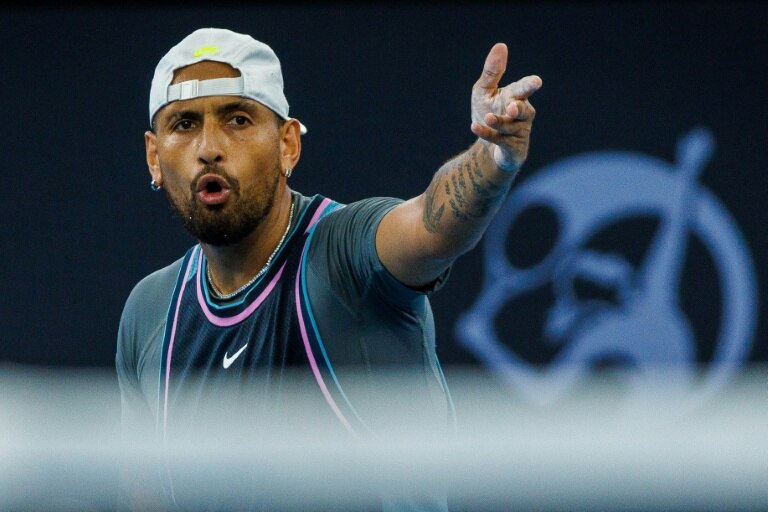
    One of men’s tennis most talented yet turbulent figures, Australian Nick Kyrgios, has accepted a provisional suspension and publicly acknowledged he made a catastrophic error after testing positive for cocaine at an ATP Tour event last summer.

    The 31-year-old, who catapulted to global fame with a run to the 2022 Wimbledon singles final, tested positive for the banned substance following a competition at the Mallorca Open on June 22, 2026. According to an official announcement from the International Tennis Integrity Agency (ITIA), a World Anti-Doping Agency (WADA)-accredited lab confirmed the presence of benzoylecgonine, a primary cocaine metabolite, in Kyrgios’ test sample on July 17.

    In a candid social media post on Instagram Wednesday, Kyrgios took full accountability for his actions, issuing a public apology to everyone affected by his choice. “I made a huge mistake,” he wrote. “I’m sorry to my fans, my family, my sponsors and everyone close to me. Above all, I’m sorry to the kids who follow me. I know the example this sets and I’m deeply disappointed in myself.”

    Kyrgios’ career has long been defined by extraordinary on-court talent offset by persistent off-court challenges, disciplinary questions, and a crippling string of injuries. Known for his blistering first serve and powerful ground strokes, he claimed seven ATP Tour singles titles and climbed to a career-high world ranking of 13 in 2016. His career highlight remains his 2022 Wimbledon run, where he upset top-ranked opponents to reach the championship match before falling in four sets to Novak Djokovic.

    Widely regarded as one of the few players on tour capable of beating every member of tennis’ legendary “Big Four” — Djokovic, Roger Federer, Rafael Nadal, and Andy Murray — Kyrgios never managed to translate his raw potential into consistent top-level success, derailed by repeated injuries across nearly every major part of his body. He has undergone multiple surgeries, the most significant being a full reconstruction of his right wrist in 2024 that sidelined him for extended periods. Today, he holds a world ranking of 919 and has competed in barely any top-tier singles events in recent years; his highest-profile appearance of 2025 was an exhibition “Battle of the Sexes” match against women’s world No. 1 Aryna Sabalenka late last year. Back in January, he publicly acknowledged he would never return to the playing form he reached at the peak of his career.

    On Wednesday, Kyrgios opened up about the cumulative physical and mental toll his years of injuries have taken, noting that walking away from the sport that has defined his entire adult life has been an agonizing process. Still, he emphasized that his long-term struggles do not excuse his positive test. “None of that excuses what I did,” he said. “However the good news is that this has given me a wake-up call. I’m sorry, I’ll do the work and come back better.”

    The ITIA confirmed that Kyrgios’ provisional suspension has been in effect since August 4. For the duration of his suspension, he is barred from competing, coaching, or even attending any event organized or sanctioned by the ATP, WTA, Grand Slam tournaments, the International Tennis Federation, or any national tennis governing body.
  • Head-on collision between bus and lorry in Brazil kills more than 20

    Head-on collision between bus and lorry in Brazil kills more than 20

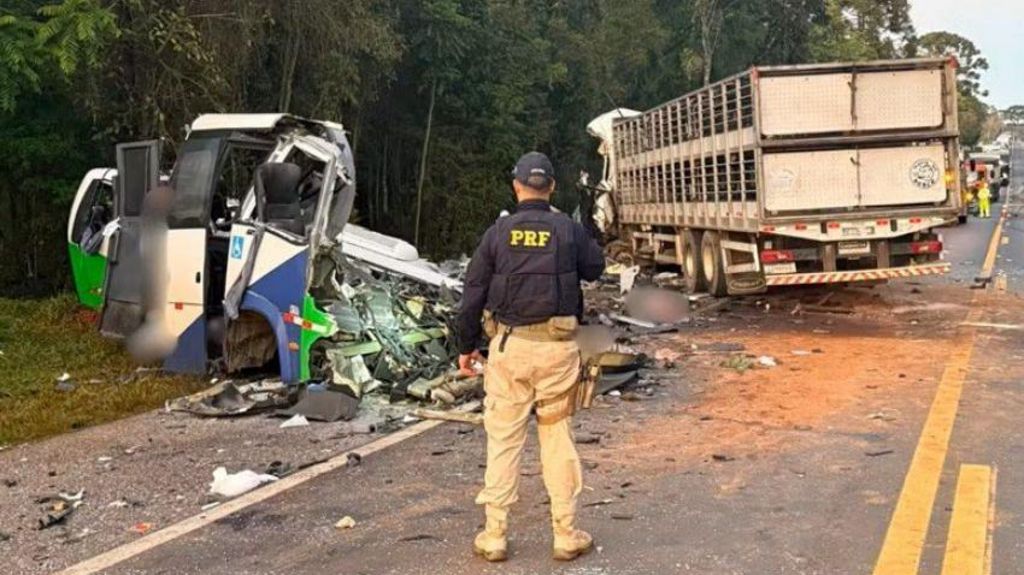
    A devastating early-morning collision between a minibus and a heavy goods lorry has left at least 21 people dead and four others hospitalized with injuries in the southern Brazilian state of Paraná, local government officials confirmed this week.

    The fatal crash unfolded at approximately 4:30 a.m. local time (7:30 a.m. GMT) along the BR-373 highway at the 209-kilometer marker, according to Brazil’s Federal Highway Police, which released a handout image of the emergency response at the scene.

    Investigations into the exact cause of the collision are already underway, authorities confirmed. In the immediate aftermath of the incident, the entire highway stretch was closed to through traffic to allow forensic investigation teams and law enforcement officers to fully process and document the crash site.

    Preliminary reporting from local media outlets outlines that the minibus involved was owned and operated by public health authorities from the nearby city of Imbituva. At the time of the crash, the vehicle was en route to the larger city of Ponta Grossa, roughly 60 kilometers away, carrying patients and their family members who were scheduled to attend routine medical appointments.

    Fatal road accidents are a persistent and pressing public safety crisis across Brazil. Data from a 2024 World Bank analysis shows that more than 34,000 people lost their lives in road traffic collisions across the country in 2023 alone, with motorcyclists accounting for the largest share of fatalities. Public safety researchers have repeatedly linked the high national fatality rate to three common reckless driving practices: excessive speeding, driving under the influence of alcohol, and distracted driving caused by mobile phone use behind the wheel.

    This latest crash marks another major deadly road incident in Brazil this year. Back in February, 15 pilgrims died when their bus crashed en route to a religious festival in the northeastern state of Ceará, underscoring the ongoing scale of the country’s road safety challenge.

  • Helicopter crashes at Mount Ololokwe in Kenya, killing six people

    Helicopter crashes at Mount Ololokwe in Kenya, killing six people

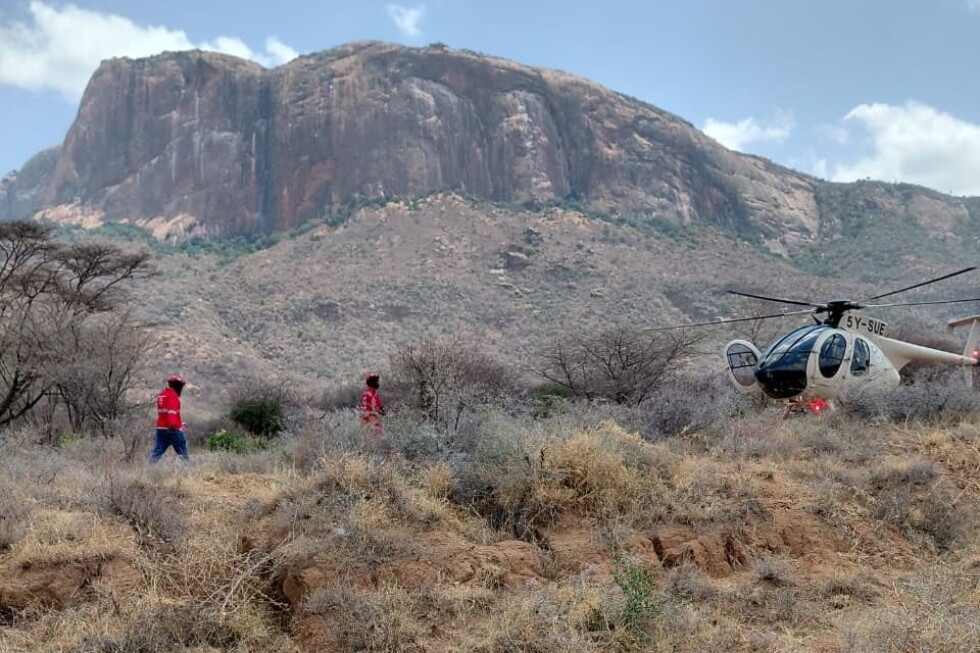
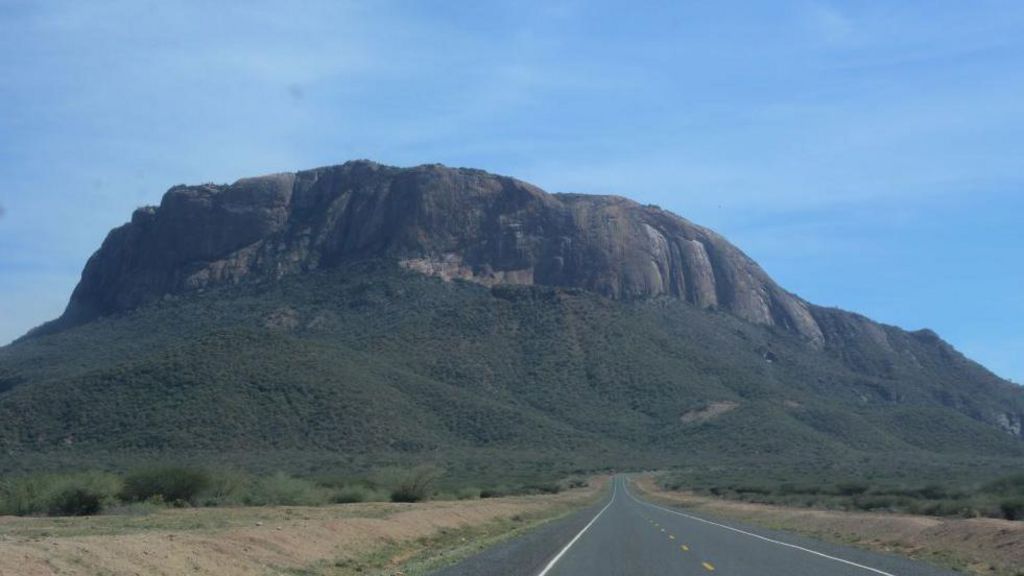
    A devastating aviation accident has claimed the lives of all six people on board a helicopter that went down in Kenya’s central Samburu County, at the iconic Mount Ololokwe located within a protected wildlife reserve, national air accident investigators confirmed in a statement to the BBC.

    Officials from the Kenya Aircraft Accident Investigation Department have announced that formal identification of the crash victims is still ongoing, though local media reports have indicated that the aircraft was carrying a group of tourists when the incident occurred.

    According to the Kenya Civil Aviation Authority (KCAA), the crash occurred at approximately 9:13 a.m. local time, which corresponds to 6:13 a.m. Greenwich Mean Time. The helicopter was operating a scenic sightseeing flight, departing from a wildlife conservancy in Losaiba and en route to Ewaso Nyiro, a major river that runs alongside multiple of Kenya’s famous national game reserves.

    Visual evidence shared across social media platforms shows thick plumes of smoke rising from the crash site on the slopes of Mount Ololokwe. First responders from the Kenya Red Cross told the BBC that rough terrain has blocked ground access to the accident zone as of initial reports, so unmanned aerial drones are currently being deployed to map the site and gather preliminary on-the-ground information.

    KCAA confirmed that the aircraft involved in the accident is a Eurocopter EC130 B4, and that the agency is currently leading coordination of emergency response and recovery operations. The regulatory body added that Kenya’s Ministry of Transport alongside the Aircraft Accident Investigation Department will take charge of the full probe into what caused the crash, to determine the full circumstances surrounding the incident.

    This latest crash adds to a troubling pattern of aviation accidents in Kenya, where helicopter incidents have occurred with alarming frequency in recent years. Just this past February, a crash in Nandi County, located in the Rift Valley region, left six people dead, including a sitting Kenyan member of parliament. In 2024, Kenya’s top military leader General Francis Omondi Ogolla was killed when an army helicopter carrying 11 passengers went down in western Kenya, with only two people on board surviving the impact. As far back as June 2021, at least 10 Kenyan soldiers lost their lives when their helicopter crashed during landing operations near the capital city of Nairobi.

  • Spared execution eight times, oldest inmate in US dies at 101

    Spared execution eight times, oldest inmate in US dies at 101

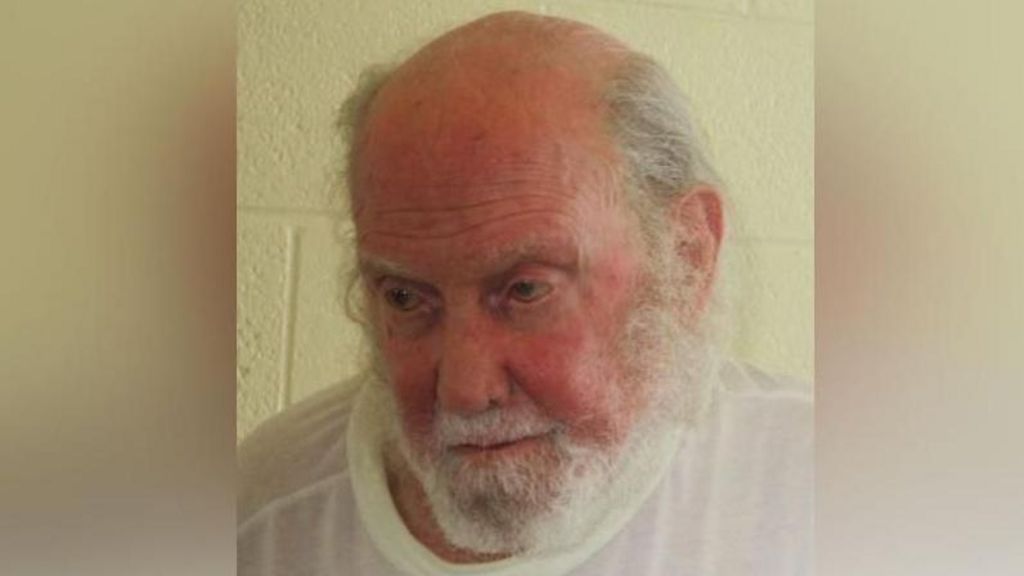
    For nearly 76 years behind bars, Francis Clifford Smith faced death eight times, each time walking away from a scheduled execution to hold the title of the United States’ longest-serving incarcerated person before passing away at 101 years old. Throughout his decades in custody, those close to him say he never once wavered from claiming he was wrongfully convicted of a 1949 murder.

    Smith’s saga began in 1949, when the 25-year-old former petty offender was accused of killing Grover Hart, a night watchman at a Connecticut yacht club. He was arrested alongside a second suspect, who accepted a plea deal in exchange for testifying against Smith. A jury found Smith guilty of first-degree murder in 1950, and he was sentenced to death. Over the decades that followed, however, credible doubts emerged about his conviction: multiple key witnesses later withdrew their original statements, another incarcerated person confessed to the murder in custody, and even the lead interrogation officer Major Leo Carroll publicly told the Board of Pardons he did not believe Smith was present at the killing at all.

    During his decades at Osborn Correctional Institution, Smith became a well-known figure among staff and fellow inmates for his quiet habit of sneaking bread out of the cafeteria to feed wild birds around the prison grounds. “He would stuff as much bread as he could fit in his clothing,” Andrius Banevicius, public information officer for the Connecticut Department of Correction, recalled. “Everyone kind of turned a blind eye to it because they knew he was just feeding the birds.” The small, gentle routine earned Smith the nickname “The Birdman of Osborn.”

    Beyond his continuous sentence, Smith experienced three brief breaks from incarceration: he escaped in 1967 and was recaptured after 12 days; he was granted a one-day Christmas furlough in 1974 and returned voluntarily the next morning; and he won parole in 1975, spending 10 months in free society before a petty larceny and weapons charge sent him back to prison for a parole violation. For decades after that, Smith repeatedly declined offers to pursue new parole opportunities, only accepting supervised release to a specialized justice system care home for elderly inmates in 2020.

    Smith’s death in his sleep at the 60 West care facility in June, from natural causes related to old age, has thrown a sharp spotlight on a growing national and international crisis: the rapid graying of prison populations. Long-term incarceration is well-documented to cause accelerated aging, with many people who spend decades behind bars developing age-related health conditions 20 to 30 years earlier than their non-incarcerated peers. “We frequently say that a person coming from a long period of incarceration can be 60 but have the health status of a 90-year-old,” David Skoczulek, spokesman for 60 West, explained. Smith, who developed age-related cognitive decline in his final years, received specialized end-of-life care through MissionCare Health, one of the few programs in the U.S. focused on geriatric care for formerly incarcerated people.

    Data underscores the scale of the aging inmate crisis. A 2025 study found that the population of incarcerated people aged 55 and older in the U.S. grew by nearly 400% between 1991 and 2021. The U.S. Census Bureau projects that by 2030, at least one in three incarcerated people across the country will be over the age of 50. This crisis is not unique to the U.S.: Dr. Stephanie Prost, a researcher focused on older adults in carceral settings at the University of Louisville, notes that similar trends are unfolding in Australia and England, though the U.S. faces a far larger scale of the issue due to its high mass incarceration rate.

    Prost and other criminal justice researchers are advocating for targeted “smart decarceration” policies to address the crisis, including expanding compassionate release, medical parole, and elderly parole initiatives. These policies prioritize releasing aging inmates who have complex, costly medical needs that are impossible to adequately address in traditional, rigid prison environments, where elderly inmates often struggle with common age-related conditions such as mobility impairment, incontinence, and hearing loss. Even when parole is granted, however, experts point out that few care facilities are willing to accept convicted elderly inmates, leaving very few options for people like Smith outside of traditional prison walls.

    After his death, Smith was cremated per his wishes. Though he had little contact with remaining family in his final days, Skoczulek confirmed that staff at 60 West ensured his end-of-life care was dignified and aligned with his requests, closing a 76-year chapter that began with a disputed conviction and ended as a stark case study of America’s unfolding aging prison crisis.

  • Queen Camilla says was ‘difficult’ keeping King Charles’ cancer private

    Queen Camilla says was ‘difficult’ keeping King Charles’ cancer private

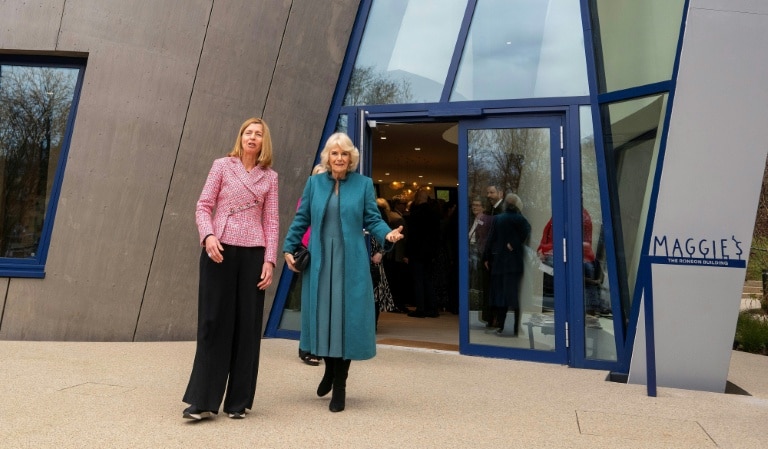
    In a rare, candid conversation recorded for a leading UK cancer support organization, Britain’s Queen Camilla has pulled back the curtain on the personal struggle of keeping King Charles III’s 2024 cancer diagnosis private in the days immediately after it was revealed to the royal family. The revelation comes in a short collaborative documentary produced by Buckingham Palace and Maggie’s, the cancer support charity of which Camilla has served as president for years. The 7-minute conversation, filmed at Camilla and Charles’ London residence Clarence House with Maggie’s Chief Executive Laura Lee, was uploaded to YouTube on Tuesday, and it offers an intimate look at the royal household’s first weeks after the diagnosis.

    Buckingham Palace first publicly announced Charles’ shocking cancer diagnosis in February 2024, confirming that the 77-year-old monarch had immediately begun a regular course of treatment. To this day, the Palace has never released details about the specific type of cancer Charles is being treated for, out of respect for his privacy. Camilla explained in the interview that she was scheduled to open Maggie’s new Royal Free centre shortly after Charles received his diagnosis, at a time when the public had not yet been told of his condition.

    “Nobody could say anything at the time. That was quite difficult,” Camilla told Lee. “I almost said something but, you know, I felt that it wasn’t the time to say. I was just longing to let it out but obviously I couldn’t.” The queen added that visiting the Maggie’s centre while carrying the private news of her husband’s diagnosis deepened her appreciation for the vital work the charity does across the United Kingdom. Maggie’s currently operates 27 free support centres located on the grounds of major NHS hospitals, offering emotional and practical support to people living with cancer and their loved ones.

    “(I) looked at everybody who was suffering and all the relations and I think it made me realise even more how important these places were,” Camilla said.

    Despite his diagnosis, King Charles has refused to step back from his royal duties, and gradually resumed a full public schedule within months of beginning treatment. In a pre-recorded televised address to the nation last December, Charles shared an encouraging update on his health: thanks to early detection, successful medical intervention and his adherence to clinical guidance, his ongoing treatment regimen will be scaled back starting in 2026. Camilla praised her husband’s resolve in the face of his diagnosis, noting that his commitment to his role as head of state never wavered even in the earliest days of his treatment.

    “Nothing stopped him. He just said: ‘This is my way. I’m going to cope with it,’” Camilla said.

  • Safari helicopter crashes in northern Kenya, killing 7 people, including 5 Americans

    Safari helicopter crashes in northern Kenya, killing 7 people, including 5 Americans

    A devastating aviation accident unfolded Wednesday morning in a remote wilderness region of northern Kenya, leaving no survivors among the seven people aboard a safari charter helicopter, authorities have confirmed. The tragedy has claimed the lives of five U.S. citizens, alongside high-profile victims including a top U.S. media executive and Ecuador’s national intelligence director.

    According to the Kenya Civil Aviation Authority, the crash occurred at 9:13 a.m. local time, as the aircraft traveled between Loisaba Conservancy, a popular protected wildlife area, and the Ewaso Nyiro region in Samburu County. Officials confirmed the manifest included six passengers and one local pilot, and Samburu County Police Commander David Nkoroi confirmed late Wednesday that all occupants died at the crash site.

    The wreckage came to rest in the rugged foothills of Mount Ololokwe, a scenic, remote tourist destination popular with international safari travelers. The aircraft, identified as a Eurocopter EC130 B4, is owned by local aviation operator Lady Lori Helicopters and was operating a charter trip for luxury travel firm &Beyond, carrying guests on a safari excursion. Following the crash, local operator Tropic Air Kenya deployed two of its own helicopters to support search and recovery operations, after an initial correction clarified Tropic Air was not the owner or operator of the crashed aircraft.

    U.S. authorities have formally confirmed that five of the deceased hold American citizenship. “The U.S. Embassy is in touch with local authorities and is providing consular assistance,” the State Department said in a statement. “We extend our deepest condolences to the families and loved ones on their loss.”

    Among the U.S. victims is José Suárez, 55, president and general manager of multiple Telemundo stations across Florida. Suárez was an executive with Telemundo, the U.S.-based Spanish-language media network owned by NBCUniversal. In a joint statement, leaders from NBCUniversal and Telemundo expressed their profound grief over the loss. “We are heartbroken to learn the tragic news that José was killed in a helicopter accident in Kenya,” the statement read.

    Ecuadorian officials also confirmed the identity of another high-profile victim: Michele Sensi-Contugi, director of Ecuador’s National Intelligence Center. A close confidant and associate of Ecuadorian President Daniel Noboa, Sensi-Contugi was traveling to Kenya as a tourist alongside his wife, Stephany Hollihan, who also died in the crash. Hollihan held dual U.S. and Ecuadorian citizenship, and the couple leaves behind two children. “In this moment of deep sorrow, the government extends its heartfelt condolences to his family, loved ones and close associates,” Ecuador’s presidency said in a statement posted to X.

    Officials have not yet released the full identities of all victims, and investigations into the cause of the crash are still in the early stages. The crash adds to a growing pattern of fatal aviation accidents in Kenya, a nation whose multi-billion dollar tourism industry relies heavily on small air carriers to shuttle visitors between remote wildlife and wilderness destinations that are inaccessible by road. In February of this year alone, another fatal helicopter crash in the hilly region of western Kenya killed six people, including a sitting Kenyan legislator.

  • ‘Catastrophic’ hotel mix-up at the heart of Australia’s mushroom murder appeal

    ‘Catastrophic’ hotel mix-up at the heart of Australia’s mushroom murder appeal

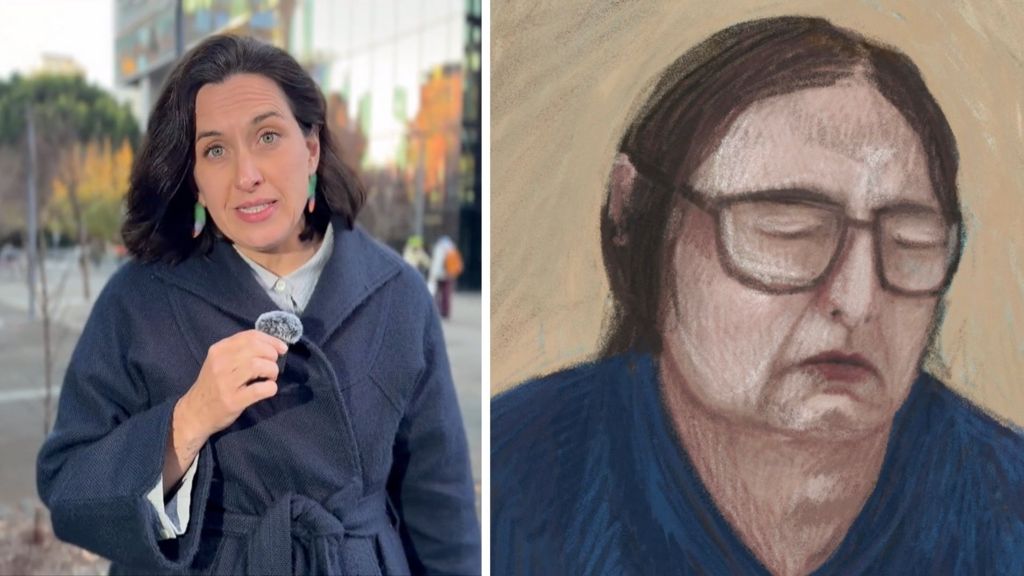
    A high-profile Australian murder conviction known widely as the ‘mushroom murder’ case is now the subject of a major appeal, with the defendant’s legal team arguing that a critical, unprecedented error during the trial invalidated the guilty verdict. Erin Patterson, the woman convicted in the poisoning death linked to toxic death cap mushrooms served at a family lunch, is seeking to have her conviction overturned on the grounds of a deeply problematic procedural misstep. According to Patterson’s defense lawyers, the entire trial process was compromised by what they describe as a ‘catastrophic’ hotel mix-up that put the jury in the same accommodation as the prosecution’s legal team and one of the prosecution’s most critical witnesses. This close, unplanned proximity between decision-making jurors and parties involved in building the case against Patterson has raised serious questions about whether the jury remained impartial throughout the proceedings. Legal experts note that core judicial guidelines require strict separation of juries from prosecution teams and witnesses to prevent any unintended interaction, informal communication, or perceived bias that could alter the outcome of a criminal trial. The appeal is now drawing significant national attention, as observers wait to see whether the courts will rule that the procedural error was serious enough to warrant a retrial or overturn the original conviction entirely.

  • Iran and UAE ties sour, and other major developments in the Middle East

    Iran and UAE ties sour, and other major developments in the Middle East

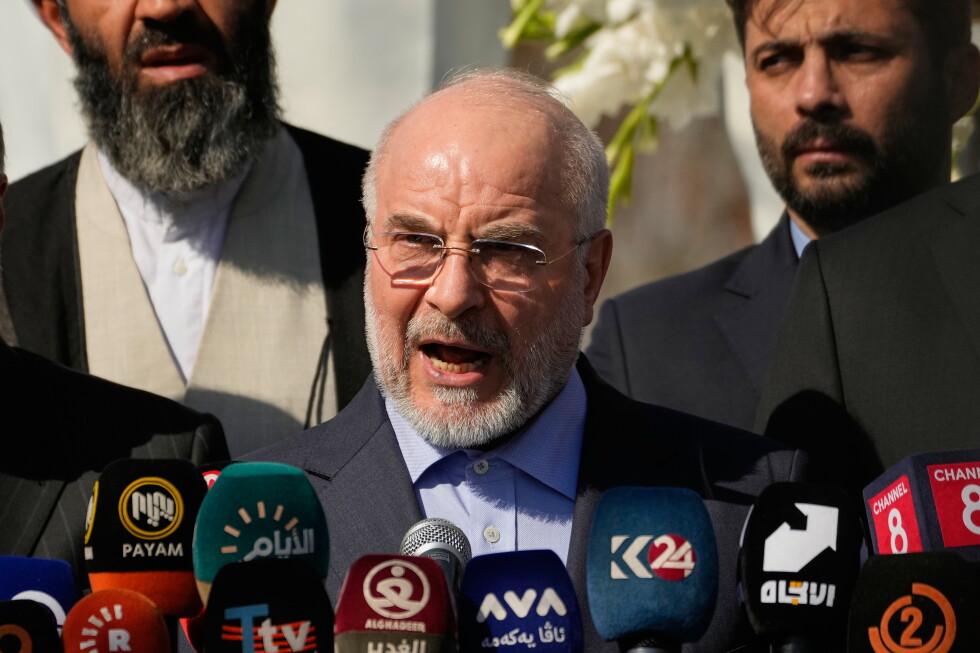
    A wave of escalating geopolitical friction rippled across the Middle East on Wednesday, as three interconnected developments deepened uncertainty over regional stability amid already heightened hostilities between Iran and Western-aligned powers. The latest unrest comes weeks after the United States and Israel launched military operations against Iran starting February 28, with no diplomatic breakthrough between Tehran and Washington on the horizon to de-escalate broader tensions. The most acute new clash emerged between Iran and the United Arab Emirates, after Abu Dhabi accused Tehran of launching two ballistic missiles aimed at commercial maritime navigation that ultimately landed in the Persian Gulf on Tuesday. The alleged incident marked the first reported attack targeting UAE territory in several weeks, following a sustained period of frequent missile and drone strikes on Emirati assets by Iranian-aligned forces in the wake of the U.S.-Israel campaign against Iran. Within hours of the accusation, the UAE government announced an immediate suspension of all bilateral trade with Iran, framing the move as a necessary response to regional escalations that threaten both international and regional peace and security. This suspension came less than a week after Abu Dhabi had already accused Iran of launching drone attacks on two state-owned Emirati oil company tankers transiting the critical Strait of Hormuz, one of the world’s most vital oil chokepoints. Iran has forcefully rejected the latest missile accusation, with Foreign Ministry spokesperson Esmail Baghaei condemning the UAE’s claim during his weekly press briefing on Wednesday. Baghaei argued that the Emirati accusation violates core principles of good neighborliness, and undermines ongoing diplomatic efforts to build mutual trust between regional states and prevent further expansion of hostilities across the Middle East. Parallel to the UAE-Iran rift, a diplomatic standoff between France and Iran escalated into reciprocal expulsions of diplomatic personnel this week. On Wednesday, the French Foreign Ministry announced it would expel two Iranian embassy staff based in Paris, a direct response to Iran’s expulsion of two French diplomats from Tehran just two days prior. French Foreign Minister Jean-Noël Barrot accused Iranian authorities of premeditated action, saying Tehran fabricated false claims of foreign interference against the expelled French diplomats to justify their expulsion. Barrot added that Iranian security forces carried out a deliberate assault on the two French diplomatic staff last month, and criticized Tehran for failing to launch a credible investigation into the incident. Iranian state media, meanwhile, reported that the expelled French diplomats had been caught participating in a secret meeting with individuals linked to a major foreign infiltration and interference case in the country. The two Iranian diplomats ordered expelled by Paris are scheduled to leave the French capital in the coming days. Amid these cross-regional tensions, Iran’s top parliamentary speaker and chief nuclear negotiator Mohammad Bagher Qalibaf touched down in Baghdad Wednesday for a scheduled three-day official visit, where he is set to hold talks with senior Iraqi government officials and leaders of Iran-aligned political factions. Iraq has walked a precarious diplomatic tightrope for years, seeking to maintain functional diplomatic and economic ties with both Washington and Tehran, a balancing act that has grown far more complicated amid the latest escalation of open conflict between the U.S. and Iran. Iran-aligned Iraqi militias have claimed and carried out repeated drone attacks targeting U.S. military bases and diplomatic assets across Iraq and neighboring regions, putting enormous political pressure on the Iraqi government to respond. During his first public remarks in Baghdad Wednesday, Qalibaf praised Iran-aligned militias — which he referred to as the “Iraqi resistance” — framing them as a core pillar of Iraq’s national power. “After years of experience in Iraq, the resistance has gone beyond the borders of the two countries and has become an influential force at the regional and global levels,” Qalibaf told reporters. The comments underscore Iran’s long-standing strategy of building influence across the Middle East through allied armed groups and political proxies, including Lebanon’s Hezbollah and Yemen’s Houthi movement, which have played key roles in regional conflicts for decades. The latest round of tensions has fueled widespread international concern that the region could slide back into full-scale open conflict after weeks of relative quiet in attacks on Gulf states. Diplomatic efforts to restart nuclear talks between Iran and the United States remain stalled, with no formal negotiations scheduled in the near term. The Associated Press contributed reporting from correspondents based in Beirut, Tehran, Paris and Baghdad.

  • Liberia agrees to accept 1,200 foreign deportees from the US

    Liberia agrees to accept 1,200 foreign deportees from the US

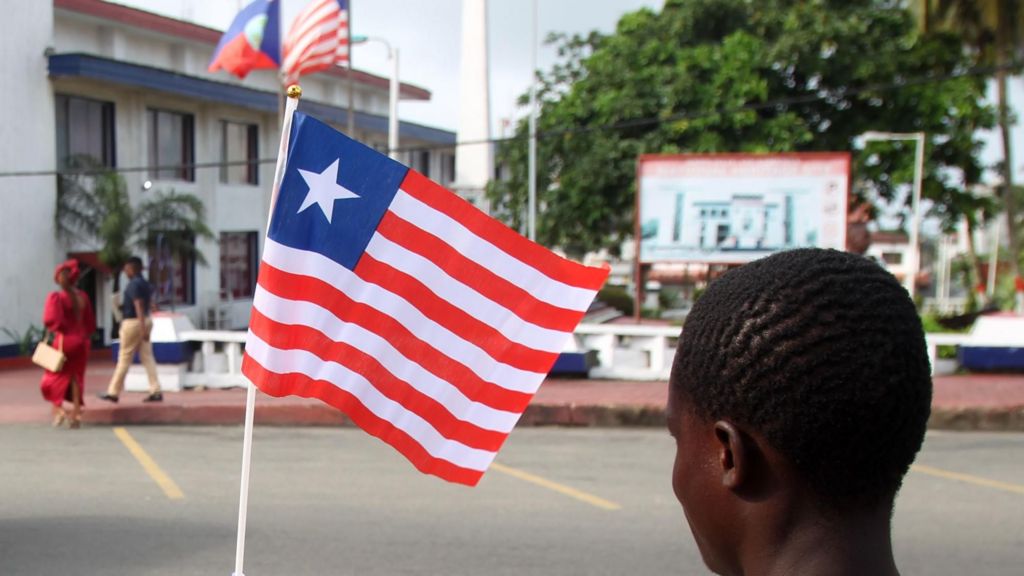
    As the second Trump administration ramps up its nationwide crackdown on unauthorized immigration, the West African nation of Liberia has signed a landmark agreement to host up to 1,200 foreign nationals deported from the United States over the coming 12 months, marking one of the largest third-country deportation deals Washington has secured to date.

    Third-country deportation arrangements, which have become a core policy tool for the current US administration, typically involve moving deportees who cannot be legally returned to their countries of origin — often due to formal protection from deportation on grounds of persecution, conflict, or human rights risks — to a neutral host nation. At this stage, no public information has been released confirming whether any of the 1,200 people bound for Liberia hold active international or US protection orders that would bar their removal to their home countries.

    In an official statement, Liberia’s Information Minister Jerolinmek Piah clarified that the government is receiving all deportees as invited guests rather than criminal detainees. An inaugural group of 20 deportees is scheduled to arrive in Liberia this Thursday, Piah confirmed, adding that all arrivals will be free to leave the country at their own discretion or submit formal applications for asylum if they wish to remain. Piah emphasized that none of the deportees being sent to Liberia have criminal records or are facing active criminal prosecution in either the United States or Liberia.

    The decision to accept the deportees aligns with Liberia’s foundational identity as a safe haven for displaced people, Piah explained. Founded in the early 19th century as a resettlement settlement for freed African-American slaves and emancipated Black people from the United States and Caribbean, Liberia has a decades-long tradition of offering shelter to people fleeing persecution, war, and systemic violence. “To reject these third country nationals would be acting against our best interest,” Piah said of the policy. “This is entirely a humanitarian arrangement.”

    Piah also pushed back against widespread speculation that Liberia received financial compensation for agreeing to the deal, stating clearly that the government “not demanded or received any compensation or promise of rewards in exchange for its consent to participate in the programme.” He did confirm, however, that the United States will provide technical and operational support to help Liberia manage the arrivals and broadly strengthen the country’s national migration management system. No details have been released about the national origins of the deportees bound for Liberia.

    Since taking office in January 2025, the Trump administration has already deported dozens of migrants to third countries across Africa and beyond, and multiple African nations have already signed similar agreements to host US deportees that cannot be returned to their home countries. These nations include Ghana, Equatorial Guinea, Eswatini, the Democratic Republic of Congo, and Sierra Leone.

    The US has publicly defended these third-country arrangements as fully compliant with international and domestic law, but the policy has drawn sharp criticism from global human rights groups, which argue the deals lack transparency and often end with deportees being forcibly sent back to the high-risk countries they originally fled. Ghana has already been hit with multiple legal challenges over accusations it has violated international human rights law by forcing US-deported migrants to return to the countries they fled. In Eswatini, government officials confirmed this week that two migrants deported from the US to the southern African kingdom have already voluntarily returned to their home countries of Mauritania and the Democratic Republic of Congo. Last year, Eswatini confirmed it received $5.1 million (£3.8 million) from the Trump administration for its participation in the scheme, a disclosure that sparked widespread condemnation from rights advocates.

    As of Wednesday, the US State Department has not issued any public comment on the new agreement with Liberia.

  • Apparent human remains found in US reservoir as water levels hit record low

    Apparent human remains found in US reservoir as water levels hit record low

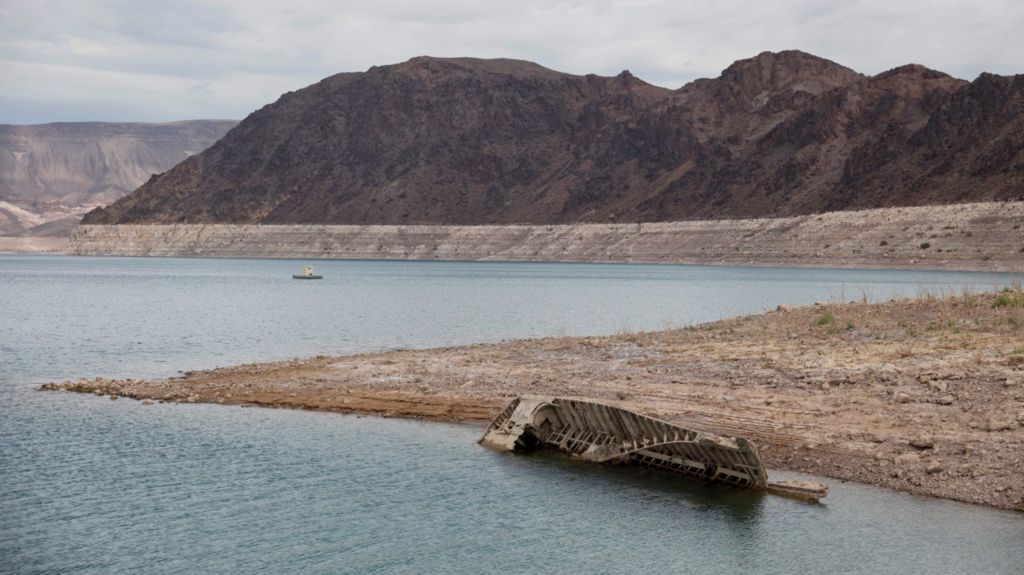
    For more than two decades, the United States’ largest reservoir, Lake Mead, has faced a steady, alarming decline in water levels, driven by an intensifying drought that has gripped the American West. In the latest unexpected consequence of this accelerating dry spell, authorities have recovered what are believed to be human remains from the reservoir’s shores, a discovery that traces directly to the retreating waters.

    The US National Park Service confirmed that it was alerted to the apparent skeletal remains at Boulder Beach, located on the Nevada side of the Lake Mead, which straddles the state’s border with Arizona, on August 16. In an official statement shared with CBS, the BBC’s US partner outlet, the agency confirmed that park rangers joined investigators from the Las Vegas Metropolitan Police Department to respond to the site and secure the remains. As of the latest update, the case remains open and under active investigation, with no further details on the identity or timeline of the remains available to the public.

    The discovery was made by two recreational visitors: Dianelis Molina Cruz and her friend Noel De Leon. Cruz told local CBS affiliate KLAS that the find happened by chance while her companion was exploring the rocky shoreline. “My friend was playing with the rocks in the lake, and then he grabbed the jaw. And when he looked, he saw the teeth and everything,” Cruz recounted. De Leon noted that the extremely low water levels made the discovery possible, adding, “The water looks very low compared to where it should be. As the water goes down, the skeletons come up.”

    Lake Mead’s water levels have been in consistent decline since 2000, a trend that has accelerated sharply in recent years as drought conditions worsen across the western United States. Last week, the US Bureau of Reclamation reported that the reservoir’s water level fell to 1,040 feet (317 meters) above sea level, a new record low that dips well below the previous low set in July 2022. According to the US Drought Monitor, nearly all of Clark County, Nevada, where most of Lake Mead is located, is currently classified as being in moderate drought. Climate scientists have repeatedly linked the deepening drought across the American West to human-caused climate change, which has amplified average temperatures and prolonged dry spells across the region.

    This discovery at Lake Mead is far from an isolated event. Across the globe, record-breaking summer heat and persistent drought have driven water levels down in rivers and reservoirs, uncovering long-submerged artifacts, remains, and landscapes that have been hidden for decades.

    Earlier this month in Hungary, the remains of two German World War II soldiers were recovered from the Danube River in Budapest, alongside a largely intact Wehrmacht military motorcycle. Further downstream in Serbia, additional World War II remnants, including the broken hull of a watercraft, have emerged from the Danube’s retreating waters in recent weeks. In the United Kingdom, low water levels at a reservoir in Rutland have exposed the ruins of Nether Hambleton, a village that was intentionally demolished and flooded in the 20th century to create the reservoir that now covers its original site.

    As climate change continues to drive rising global temperatures and more frequent extreme drought events, experts warn that more unexpected discoveries of both modern and historical remains are likely to occur as water levels continue to drop across the world’s major freshwater bodies.