作者: admin

  • New study proposes scientific basis for improving concrete reinforcement in desert environments

    New study proposes scientific basis for improving concrete reinforcement in desert environments

    A groundbreaking study from Chinese researchers has overturned conventional wisdom about sandstorm damage, revealing that moderate wind and sand erosion can actually enhance the structural integrity of concrete surfaces in desert environments. The collaborative research between the Northwest Institute of Eco-Environment and Resources (NIEER) under the Chinese Academy of Sciences and Lanzhou Jiaotong University provides a scientific basis for improving reinforcement methods for infrastructure in arid regions.

    Published in the prestigious journal Composites Part B: Engineering, the study investigated the interface performance of wind-and-sand-eroded concrete when reinforced with carbon fiber-reinforced polymer (CFRP). Unlike previous research that focused on ideal flat interfaces, this pioneering work simulated various wind-sand environments through mechanical testing and microscopic analysis.

    Lead researcher Liu Benli from NIEER explained the counterintuitive findings: “Moderate abrasion forms a microstructure conducive to the bonding of the reinforcing layer. In vivid terms, the process resembles a sculptor carving rough textures into stone for subsequent reinforcement.” The research demonstrated that wind and sand impact creates microscopic grooves on material surfaces, providing natural anchoring points for coatings and protective materials that significantly enhance interfacial bonding.

    The quantitative results were striking: sand erosion increased the interface ultimate bearing capacity of CFRP-concrete specimens by 31 percent and amplified surface roughness by a factor of 10 compared to uneroded specimens. The research team also developed predictive models for interfacial bearing capacity and bond-slip relationships that incorporate abrasion effects, showing strong alignment with experimental data.

    According to Zhang Kai, associate professor at Lanzhou Jiaotong University’s School of Civil Engineering, the study represents a significant advancement: “For the first time, we’ve achieved quantitative correlation between environmental conditions and interface performance. Engineers can now precisely predict material load-bearing capacity based on wind and sand intensity.” This breakthrough enables the scientific utilization of sandstorms as a ‘natural power’ to sustain infrastructure in desert regions, potentially transforming how engineers approach construction and maintenance in challenging environments.

  • Gallop towards luck with Fujian’s Lantern Festival

    Gallop towards luck with Fujian’s Lantern Festival

    The southeastern Chinese province of Fujian has reimagined its traditional Lantern Festival celebrations through a groundbreaking digital initiative featuring animated mascots Fu Fu Zai and Hua Hua Mei. These charismatic characters, accompanied by the symbolic Lucky Horse, guide participants through an immersive virtual journey across six culturally significant Fujian landmarks where lantern displays illuminate the night skies.

    This innovative approach to cultural preservation combines cutting-edge digital storytelling with time-honored traditions, allowing global audiences to experience Fujian’s rich cultural heritage remotely. The interactive experience showcases elaborate lantern installations at historically important sites while maintaining the communal spirit of the ancient festival through digital means.

    The initiative represents a significant evolution in how traditional Chinese festivals are celebrated and shared in the digital era, demonstrating how technology can enhance rather than replace cultural practices. By creating accessible virtual experiences, organizers have expanded the festival’s reach beyond physical boundaries while preserving the authentic atmosphere of lantern-viewing gatherings that have characterized the celebration for centuries.

    This digital transformation of traditional festival activities reflects broader trends in cultural preservation and technological integration within Chinese society, offering new models for celebrating heritage while adapting to contemporary technological landscapes.

  • UK considers sending Royal Navy warship to Cyprus

    UK considers sending Royal Navy warship to Cyprus

    The British government is actively contemplating the deployment of Royal Navy’s HMS Duncan, a Type 45 Destroyer, to the Mediterranean Sea following heightened security concerns around RAF Akrotiri in Cyprus. This consideration emerges in response to increasing regional instability and recent drone incursions that targeted the British airbase.

    Defense authorities confirm that while no final decision has been formalized, HMS Duncan is undergoing preparatory measures for potential deployment. The Type 45 Destroyer represents one of the Royal Navy’s most technologically sophisticated warships, equipped with advanced air defense capabilities that could significantly enhance the protective perimeter around the Cyprus installation.

    This strategic evaluation follows direct criticism from Cypriot officials regarding inadequate air defense coverage as Middle East conflicts continue to escalate. The urgency was underscored when a drone struck RAF Akrotiri’s runway, though Ministry of Defence reports characterized the damage as minimal.

    Currently, the Royal Navy maintains no major warship presence in the Mediterranean theater. Of Britain’s six Type 45 Destroyers, three remain in various readiness stages while the others undergo maintenance procedures. The potential deployment signals a recalibration of Britain’s defensive posture in the region.

    The discussion of naval reinforcement coincides with France’s announced plans to relocate air defense systems to Cyprus, highlighting multinational concerns about regional stability. French military representatives confirmed their armed forces are adjusting regional deployments in coordination with defense partners, though UK officials declined to comment specifically on allied nations’ military movements.

    Prime Minister’s spokespersons emphasized that Britain has already committed substantial defensive resources to Cyprus, including radar systems, air defense technologies, and F-35 fighter jets. However, questions persist regarding the adequacy of existing protections against evolving threats.

    HMS Duncan recently completed intensive training exercises off the Welsh coast, successfully countering simulated swarm drone attacks and virtual missile threats exceeding 200 mph. These drills demonstrate the vessel’s preparedness for contemporary naval challenges, should deployment orders be issued.

  • ‘We back ourselves’: Underdogs New Zealand eye T20 World Cup final

    ‘We back ourselves’: Underdogs New Zealand eye T20 World Cup final

    Ahead of their crucial T20 World Cup semi-final confrontation, New Zealand’s cricket team embraces its underdog status while expressing unwavering self-confidence against South Africa. Captain Mitchell Santner articulated this mindset during a press briefing at Kolkata’s Eden Gardens, emphasizing their readiness for high-stakes elimination matches.

    Santner openly acknowledged South Africa’s formidable form, referencing their commanding seven-wicket victory over New Zealand during the group stage and subsequent impressive performances against cricket powerhouses India and West Indies. Despite this, the New Zealand skipper highlighted the unique dynamics of single-elimination fixtures where previous records become irrelevant.

    The statistical backdrop reveals contrasting tournament journeys: South Africa enters undefeated while New Zealand secured their semi-final berth narrowly through net run-rate after suffering two defeats, including a Super Eights loss to England. Historically, both nations share the distinction of never capturing a World Cup title in either T20 or 50-over formats, adding psychological dimensions to their encounter.

    New Zealand brings extensive knockout experience to the match, marking their fourth semi-final appearance in the last five T20 World Cups. They reached the 2021 final before falling to Australia, while South Africa achieved their inaugural final earlier this 2024 edition before losing to India.

    Santner noted the parallel narratives between the teams, referencing South Africa’s recent heartbreak and emphasizing that match outcome would depend on adaptability and execution rather than historical context. The captain admitted New Zealand hasn’t yet delivered a complete performance throughout the tournament, suggesting untapped potential that could prove decisive if unleashed during the semi-final.

    Regarding team composition, fast bowler Matt Henry’s return from paternity leave remains uncertain pending a fitness assessment after his arrival in Kolkata Tuesday evening. Santner confirmed the team anticipates South Africa maintaining their successful lineup, presenting a consistent challenge that New Zealand believes they can overcome through strategic adaptation and peak performance timing.

  • What China’s response to the U.S. attack on Iran says about its foreign policy

    What China’s response to the U.S. attack on Iran says about its foreign policy

    As military tensions escalated between the United States, Israel, and Iran, China maintained a characteristically measured diplomatic stance. Following initial hostilities, Beijing’s Foreign Ministry expressed “profound concern” while advocating for immediate ceasefire and renewed dialogue. Foreign Minister Wang Yi subsequently characterized the strikes as “unacceptable” while reinforcing calls for peaceful resolution through diplomatic channels.

    This response pattern reflects China’s established approach to international conflicts—verbal condemnation without direct intervention. Analysts note Beijing’s strategic prioritization of long-term interests over immediate geopolitical engagement. Particularly significant is the anticipated state visit by U.S. President Donald Trump scheduled for early April, which Chinese leadership views as more consequential than Middle Eastern hostilities.

    Despite China’s growing military capabilities—including joint exercises with Iran and its first overseas military base in Djibouti—experts confirm Beijing remains reluctant to project power beyond its immediate periphery. The country has demonstrated diplomatic ambition through mediating the 2023 Iran-Saudi Arabia rapprochement, but avoids military entanglements, viewing U.S. interventions in Afghanistan and Iraq as cautionary examples.

    Energy security considerations further complicate China’s position. As Iran’s largest oil importer (approximately 1.4 million barrels daily, representing 13% of seaborne imports), China has nonetheless developed substantial resilience through diversified suppliers and strategic reserves. Analysts indicate potential disruptions would have marginal short-term impact, with Russian crude offering readily available alternatives.

    More concerning to Beijing are potential disruptions to Strait of Hormuz transit routes and attacks on LNG facilities in Gulf states, as demonstrated by QatarEnergy’s production halt following recent attacks. While China possesses defense trade relationships with Iran, including missile technology transfer, experts unanimously dismiss possibilities of direct military assistance, citing Beijing’s overwhelming interest in avoiding confrontation with the United States and its allies.

  • Lion dances roar across the US

    Lion dances roar across the US

    The vibrant tradition of Chinese lion dancing is experiencing a remarkable cultural migration across the United States, moving from traditional Chinatown celebrations into mainstream American business and community events. This ancient art form, dating back over a millennium, is now captivating diverse audiences far beyond its cultural origins.

    In Houston, Texas, the phenomenon is particularly evident. Sam Lara, a fashion coach at a local Walmart store, first encountered lion dancing at MD Anderson’s Boot Walk to End Cancer, an annual fundraising event that draws thousands of international participants. Captivated by the performance, Lara photographed the dancers’ contact information and eventually connected with Shi Xing Hao, master of the Houston Shaolin Kung Fu Academy.

    The connection led to an innovative cultural partnership. When Walmart underwent comprehensive remodeling in 2024, Lara arranged for lion dances to headline the grand reopening ceremony. The store cleared merchandise to create performance space for the acrobatic lions, whose energetic jumping and flipping routines brought what Lara described as ‘good energy’ and something ‘very different that you don’t see in many places.’

    The community response was overwhelmingly positive, with both Asian associates and customers appreciating the cultural recognition. The performances proved so successful that Walmart has continued the tradition for subsequent Lunar New Year celebrations.

    Shi Xing Hao, whose team practices the southern Foshan style originating from Guangdong province, explains the tradition’s deep cultural significance: ‘Chinese New Year marks winter turning to spring, when people historically became susceptible to illness. Ancient beliefs held that negative energy punished communities, so lion dances developed to chase away the evil spirit Nian.’

    The cultural exchange includes symbolic gestures that transcend language barriers. Lara recalled being deeply moved when Shi presented him with lettuce after a performance—a traditional gesture representing good fortune, as the Chinese word for lettuce sounds similar to ‘get rich.’

    This cultural integration demonstrates how ancient traditions are finding new resonance in America’s diverse communities, creating bridges between cultures through shared celebration and mutual appreciation.

  • 26 Doctors without Borders workers remain unaccounted for in South Sudan a month after attacks

    26 Doctors without Borders workers remain unaccounted for in South Sudan a month after attacks

    NAIROBI, Kenya — In a distressing development from South Sudan’s conflict zones, Doctors Without Borders (MSF) has reported that 26 of its medical personnel remain unaccounted for following violent attacks on their facilities in Jonglei State one month ago. The incidents occurred on February 3rd when government forces bombed an MSF hospital in Lankien while unidentified assailants raided another medical facility in Pieri.

    Both targeted facilities were situated in opposition-controlled territories where intensified fighting has displaced approximately 280,000 civilians since December. Medical staff were forced to evacuate alongside local populations into remote rural areas where aerial bombardments and armed clashes continue to create dangerous conditions.

    The humanitarian organization expressed grave concerns over the missing staff members, noting that communication remains impossible due to both security constraints and limited network connectivity across the region. Colleagues who have managed to establish contact describe scenes of widespread destruction, extreme hardship, and ongoing violence.

    This attack represents part of a alarming pattern of violence against humanitarian operations in South Sudan. MSF facilities have been targeted ten times within the past twelve months, significantly undermining healthcare delivery in conflict-affected regions. The organization’s head of mission in South Sudan, Yashovardhan, emphasized that medical workers must never be targets and expressed profound concern for both staff and affected communities.

    The current violence escalation began in December when opposition forces captured multiple government outposts in north central Jonglei, prompting a government counteroffensive in January that reclaimed most lost territory. Displaced civilians near the Ethiopian border have reported horrific violence and severe shortages of basic necessities during their flight to safety.

  • Mafia boss behind notorious murders in Italy dies behind bars in Milan

    Mafia boss behind notorious murders in Italy dies behind bars in Milan

    Benedetto Santapaola, one of Italy’s most feared Mafia leaders known as “il cacciatore” (the hunter), has died at age 87 while serving a life sentence in Milan’s San Paolo hospital prison ward. The notorious crime boss spent over three decades incarcerated under Italy’s strictest security measures following his 1993 capture.

    Santapaola rose through the ranks of Sicily’s Cosa Nostra during the 1970s, establishing himself as a dominant figure in Catania’s criminal underworld. His criminal legacy includes convictions for orchestrating numerous high-profile assassinations, most notably the 1992 Capaci massacre that killed anti-Mafia prosecutor Giovanni Falcone, his wife, and three police officers. Weeks later, he engineered the murder of another prominent judge, Paolo Borsellino, along with his security detail.

    The mobster was ultimately convicted in 2006 for his role in both bombings that shocked the nation and triggered sweeping legal reforms. Earlier convictions included the 1984 murder of journalist Pippo Fava and the killing of rival mobster Alfio Ferlito alongside three officers during a prison transfer in 1982.

    Santapaola spent his final years under Article 41bis, a special prison regime created specifically to isolate Mafia bosses following the 1992 judicial killings. The stringent measures were designed to prevent incarcerated criminals from directing external operations. Despite multiple investigations, authorities never definit established who ordered the fatal bombings that claimed Falcone and Borsellino’s lives.

    His death marks the end of an era for Italian organized crime, closing a chapter on one of the country’s most brutal Mafia careers that exemplified the violent clash between the state and Sicilian organized crime syndicates.

  • Gasoline and diesel prices spike overnight as anxious drivers fill up tanks

    Gasoline and diesel prices spike overnight as anxious drivers fill up tanks

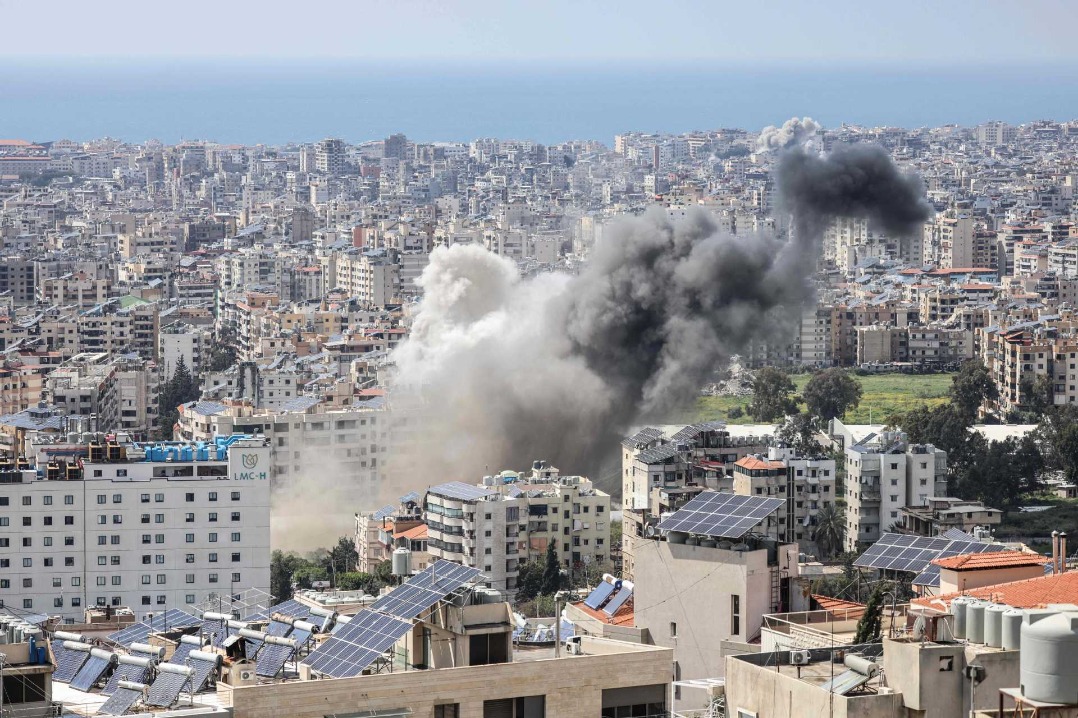
    A severe energy crisis is unfolding worldwide as escalating Middle East hostilities trigger dramatic spikes in fuel prices and widespread supply chain disruptions. The conflict has effectively paralyzed critical oil shipments through the Strait of Hormuz, the vital maritime passage handling approximately 20% of globally traded oil, sending shockwaves through international markets.

    In the United States, motorists experienced an abrupt 11-cent overnight surge in gasoline prices, pushing the national average to $3.11 per gallon according to AAA data. This increase compounds existing seasonal price pressures as refineries transition to more expensive summer-grade fuel blends designed to reduce evaporation in warmer temperatures.

    Europe faces particularly acute challenges, with diesel prices skyrocketing 27% since Friday—an increase of approximately 62 cents per gallon. Lengthy queues formed at French filling stations where diesel reached approximately €1.846 per liter (equivalent to $7 per gallon), as consumers rushed to secure diminishing supplies.

    Energy analysts warn the situation may deteriorate further depending on conflict duration. ‘The worst impacts are currently concentrated in Europe due to its status as a net importer,’ explained Susan Bell of Rystad Energy. ‘Europe’s already constrained diesel supply has experienced substantial price increases.’

    The price surge immediately affected American consumers like Anne Dulske of Jackson, Mississippi, who paid $15 more than usual to fill her tank. ‘It’s going to affect everything in our lives,’ she remarked. ‘It’s very scary, and it hits closer to home than people think.’

    Despite the U.S. being a net oil exporter, consumers remain vulnerable to global market fluctuations. Patrick DeHaan of GasBuddy noted that while further increases are likely, prices reaching $4 per gallon remain ‘quite improbable based on current developments.’

    Regional disparities are emerging, with import-dependent states experiencing more severe impacts. California faces particular vulnerability as it relies on refined fuel imports from South Korea, China, and occasionally the Middle East. ‘We have an energy security problem in California. It’s not looking good for us,’ stated USC’s Shon Hiatt, noting that constrained Middle Eastern supplies could prompt China to prioritize domestic needs over exports.

    The crisis intensified as benchmark U.S. crude jumped 8.6% to $77.36 per barrel while Brent crude rose 6.7% to $81.29—both reaching annual highs. President Trump addressed the situation, predicting prices would eventually ‘drop lower than even before’ while ordering naval escorts for tankers and offering political risk insurance for Persian Gulf shipments.

    Business operators expressed growing concern, with landscaping professional Brody Wilkins noting, ‘We use gas nonstop. I don’t know how long this is supposed to last, but I hope not very long.’ The price increases are already affecting household budgets, with Massachusetts resident Erin Kelly calling the nearly $4 per gallon prices ‘hefty’ and noting simultaneous increases in grocery costs.

  • War with Iran strains the US-UK relationship as Starmer and Trump disagree

    War with Iran strains the US-UK relationship as Starmer and Trump disagree

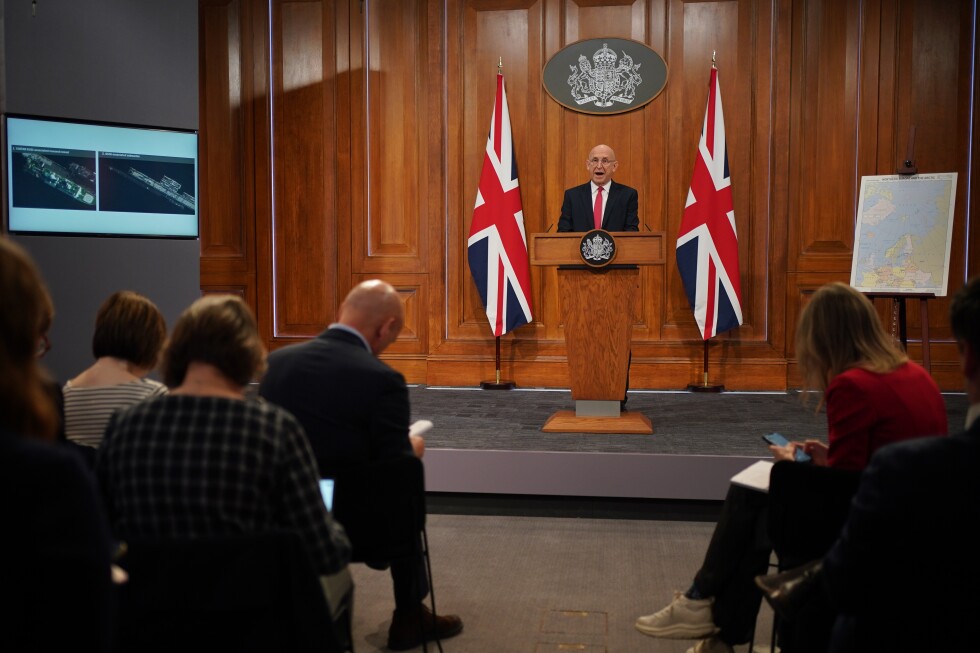
    A significant diplomatic rift has emerged between the United States and United Kingdom as President Donald Trump publicly criticized Prime Minister Keir Starmer’s cautious approach to joint military operations against Iran. The tension represents a notable deterioration in the traditionally robust Anglo-American alliance that Starmer had diligently cultivated since Trump’s return to office in 2025.

    In a candid interview with British tabloid The Sun, Trump expressed disappointment with Britain’s stance, contrasting it favorably with other European allies. “The UK has been much different from others,” Trump stated, adding that “It’s very sad to see that the relationship is obviously not what it was.” This public admonition follows Starmer’s initial refusal to permit American aircraft to utilize British bases for offensive strikes against Iranian targets, though he later authorized limited use for defensive operations targeting ballistic missile facilities.

    The divergence centers on fundamental philosophical differences regarding international law and military intervention. Starmer, drawing upon his legal background as former chief prosecutor for England and Wales, emphasized that “Any UK actions must always have a lawful basis and a viable, thought-through plan” during his address to the House of Commons. His reference to avoiding “regime change from the skies” constituted a subtle but clear critique of Trump’s more aggressive stance.

    This confrontation extends beyond the immediate Iran conflict, with previous tensions emerging over Trump’s controversial proposal regarding Greenland and Britain’s decision to transfer the Chagos Islands to Mauritius. Foreign policy experts note that the current administration in Washington has effectively abandoned consistency with international law, creating a fundamental incompatibility with Starmer’s principled approach to governance.

    The disagreement has generated mixed reactions within European leadership circles. While NATO Secretary General Mark Rutte expressed full support for Trump’s actions, Spanish Prime Minister Pedro Sánchez condemned the strikes as “unjustifiable and dangerous.” Domestically, Starmer faces pressure from conservative opponents who argue that Britain should stand firmly with its American allies, even as public opinion remains skeptical of military escalation.

    Despite the public friction, British officials maintain that the special relationship remains fundamentally strong, with Foreign Office Minister Stephen Doughty asserting that the alliance “has endured, it continues to endure, and it will endure into the future on both economic and security fronts.”