The United States has given authorization for non-emergency diplomatic personnel and their family members to depart its Abuja-based embassy in Nigeria, a move triggered by what Washington describes as a rapidly worsening nationwide security landscape.
Released on Wednesday, the updated State Department travel guidance also urges all American citizens to rethink any planned trips to Nigeria, pointing to pervasive threats of terrorism, spontaneous civil unrest and widespread kidnapping. At least 23 high-risk Nigerian states have been bumped to the agency’s strictest warning category, which strictly prohibits any travel to those affected regions.
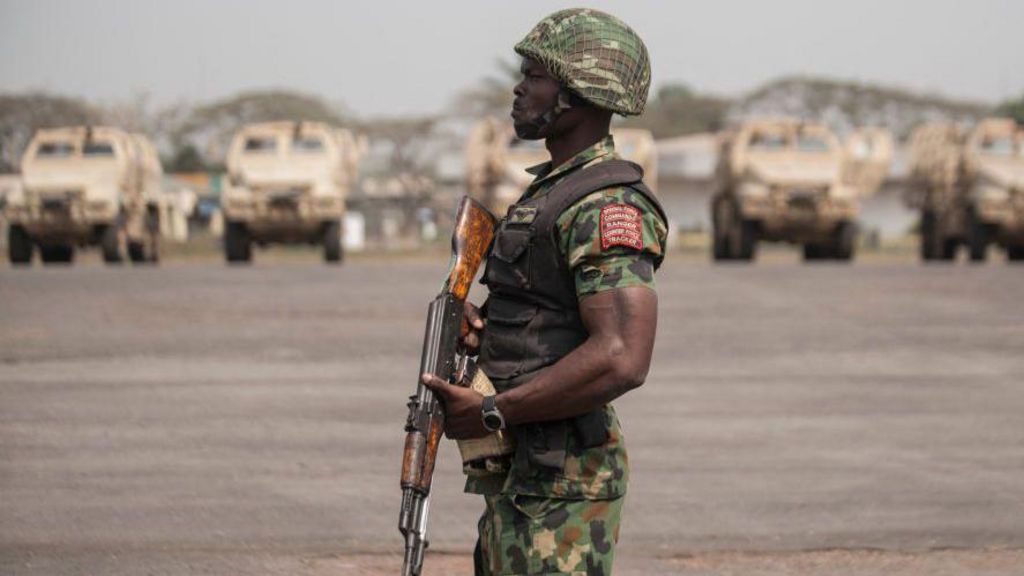
This new advisory lands in the middle of a sharp uptick in fatal attacks across multiple parts of the West African nation, and it comes even as the US and Nigeria have expanded their long-standing bilateral security partnership in recent years. For years, Washington has collaborated closely with Abuja on counter-terrorism operations, maritime domain security, cross-border intelligence sharing and military training. Most recent joint efforts have included targeted surveillance and reconnaissance support, plus the provision of aircraft and helicopters that Nigerian forces now deploy against Islamist insurgents and violent armed factions.
The decision to draw down non-essential embassy staff lays bare a stark disconnect: deep strategic military cooperation between the two nations has not translated to improved safety for ordinary civilians navigating daily life across large swathes of Nigeria. The travel advisory explicitly warns US citizens that violent attacks can strike with little to no advance warning in public gathering spots, including open-air markets, hotels, houses of worship, educational institutions and major transportation hubs.
As of Thursday, the US embassy in Abuja has not released details on when the departing staff will leave the country, nor has it clarified whether the order applies exclusively to American personnel or extends to Nigerian staff employed at the mission. Nigerian federal authorities have also not yet issued an official public response to the new directive.
In previous cases, Nigerian officials have pushed back against similar high-level travel warnings, arguing that such blanket advisories overlook tangible security gains made in some regions and risk unfairly damaging the country’s global reputation. There are growing local concerns that this latest warning will deal an additional blow to Nigeria’s already fragile economic recovery goals: the government is currently actively courting foreign direct investment, and restrictions could discourage diaspora travel, derail planned international conferences and disrupt ongoing international development projects across the country.
US officials also pointed to a growing dangerous trend in the country: increasing collaboration between transnational extremist groups and local criminal gangs, a shift that has significantly complicated counter-insurgency and stability efforts across Nigeria. While the country as a whole remains classified at Level 3 (“reconsider travel”) in the updated advisory, the 23 states upgraded to Level 4 (“do not travel”) include multiple northwestern and central states: Plateau, Jigawa, Kwara, Niger and Taraba. They join long-standing Level 4 states in the northeast, including Borno and Yobe, which have borne the brunt of a 15-year Islamist insurgency.
Weeks of recurrent violence linked to armed banditry, intercommunal clashes and retaliatory attacks have killed dozens of civilians in Plateau and Benue states alone in recent weeks. In the northeast, Boko Haram and its offshoot, the Islamic State West Africa Province (ISWAP), continue to launch regular attacks on civilian communities, military convoys and humanitarian aid workers, with the worst violence concentrated in Borno.
As violence spreads beyond long-established conflict hotspots and public frustration with government inaction grows among Nigerian citizens, many see the US travel warning as a stark wake-up call: urgent action is needed to restore full security across the country and rebuild public and investor confidence, both domestically and internationally.