作者: admin

  • Some West African farmers turn to TikTok as part of agriculture’s changing image

    Some West African farmers turn to TikTok as part of agriculture’s changing image

    DAKAR, Senegal — A digital agricultural revolution is unfolding across West Africa as farmers leverage social media platforms like TikTok to transform traditional farming practices and market access. What began as entertainment platforms have evolved into vital business tools for millions of agricultural producers throughout the region.

    Pape Fall, a Senegalese farmer, exemplifies this transformation. Initially using TikTok for football highlights and humorous content, Fall now conducts most of his business through the platform. His profile features looped videos showcasing cucumber harvests set to Senegalese rap music, complete with availability details and contact information. This digital approach has enabled him to directly connect with buyers, bypassing traditional intermediaries.

    The phenomenon represents a significant shift in how agriculture is perceived and practiced in a region historically plagued by food insecurity and poverty. While foreign funding reductions from U.S. and other international donors have exacerbated challenges, social media has emerged as an unexpected solution, providing both educational resources and market opportunities.

    According to Abbie Phatty-Jobe, digital agriculture specialist at U.K.-based research firm Caribou, “Social media is democratizing access to information for farmers.” Caribou’s research, the first to examine regional farmers’ TikTok usage, has helped establish a network of 24 agricultural influencers across 11 African countries, reaching approximately 5 million people with content that translates scientific research into practical farming advice.

    The platform’s impact extends beyond marketing. Fall credits TikTok tutorials with improving his cultivation techniques, specifically mentioning advice from a Moroccan farmer about cucumber stem management that significantly increased his yields. This knowledge exchange occurs across continents, with farmers from North Africa to Asia sharing best practices.

    Regional preferences vary significantly: West African farmers favor TikTok’s video format and local language support, while East African producers prefer Facebook’s text-based posts due to higher literacy rates. Successful entrepreneurs like 29-year-old Nogaye Sene have built substantial businesses through these platforms, with Instagram and TikTok generating 70% of her clients for farmland management services targeting both local residents and diaspora investors.

    However, challenges persist. Sene warns of widespread online scams involving fake farming consultants, while researcher Nicolas Paget notes that approximately 80% of farmers lack smartphones capable of running these applications. Even those with access face prohibitive data costs, with West African data packages being more expensive than European equivalents.

    Despite these barriers, the organic adoption of existing social platforms appears more effective than customized solutions. As Paget observes, “Farmers are using existing apps in very creative ways and adapting them to their needs”—a testament to the innovative spirit driving agricultural digitalization in West Africa.

  • Texas tests party fault lines as US midterms begin

    Texas tests party fault lines as US midterms begin

    The American political landscape entered a pivotal phase as Texas Republicans advanced to a runoff election, revealing profound internal divisions within President Donald Trump’s party during Tuesday’s primary elections. This electoral battleground has emerged as a critical testing ground for both major parties as they strategize for the remainder of Trump’s second term and prepare for November’s consequential congressional elections.

    Voters across the Lone Star State participated in selecting U.S. Senate candidates through contests that effectively measure the political temperament of the electorate. These races serve as a barometer for whether voters prioritize legislative experience and stability or favor candidates who embody political confrontation, even when such positioning might compromise general election viability.

    The primary season commenced with Texas anchoring the initial slate of contests, accompanied by simultaneous elections in North Carolina and Arkansas. These early votes will significantly influence the impending struggle for congressional control. The November general election will determine all 435 House seats and 35 Senate positions, ultimately deciding whether President Trump will govern with a cooperative legislative branch or face a Democratic majority capable of blocking presidential initiatives and launching investigative proceedings.

    Republicans begin this electoral cycle defending a narrow 53-47 Senate majority and an exceptionally slim House advantage. Democratic strategists seek to leverage any public backlash against the Trump administration’s policy agenda to regain legislative power.

    According to Peter Loge, Professor of Political Communication at George Washington University, “Donald Trump remains the central figure in all these primary contests, regardless of individual candidates’ preferences.”

    The electoral proceedings occurred shortly after the United States entered armed conflict alongside Israel against Iran, though political analysts remain uncertain whether this geopolitical development will substantially affect voter turnout or sentiment during the early campaign period.

    In the marquee Texas contest, four-term Republican Senator John Cornyn faced a formidable challenge from Texas Attorney General Ken Paxton, a dedicated Trump ally who has cultivated substantial grassroots support despite enduring multiple ethics controversies and a 2023 impeachment trial. Major news networks projected that neither candidate achieved the required 50 percent threshold, forcing a May runoff election. Cornyn has cautioned party members that nominating Paxton could potentially jeopardize a Senate seat that Republicans cannot afford to lose in November.

    Meanwhile, Democratic primary voters weighed strategic alternatives between U.S. Representative Jasmine Crockett’s confrontational approach and state representative James Talarico’s appeal to moderate conservatives. Crockett maintains her combative style can energize Democratic turnout in a state where the party hasn’t won statewide office in three decades, while Talarico positions himself as capable of attracting disaffected Republicans and independent voters.

    The potential for extended runoff campaigns raises concerns about prolonged intraparty conflicts and the depletion of crucial financial resources needed for the general election battles ahead.

  • South Korea woman and doctors guilty of murder after killing newborn baby

    South Korea woman and doctors guilty of murder after killing newborn baby

    A Seoul court has delivered a groundbreaking verdict, convicting a woman and two medical professionals of murder following a controversial late-term abortion procedure. The case centers on a pregnancy termination at 36 weeks that resulted in the death of a newborn placed in a medical freezer.

    The defendant, identified only as Ms. Kwon, received a three-year suspended sentence with 200 hours of mandatory community service. The attending surgeon was sentenced to four years imprisonment while the hospital director received a six-year term. Both medical professionals were immediately taken into custody following Wednesday’s verdict.

    This legal proceeding has exposed South Korea’s ongoing regulatory vacuum regarding abortion procedures. Despite the Constitutional Court striking down the nation’s abortion ban in 2019, lawmakers have failed to establish clear legislative guidelines. This has created a legal gray area where abortions technically remain accessible but without official gestational limits or procedural regulations.

    The court heard disturbing testimony that after delivering the viable infant via Caesarean section, medical staff placed the newborn in a freezer where it died. Prosecutors revealed the hospital subsequently falsified medical records to indicate a stillbirth. Evidence presented showed the medical facility had allegedly received approximately 1.4 billion won while performing abortions on over 500 patients, many recruited through brokers.

    During proceedings, Kwon testified she became aware of her pregnancy at seven months and sought termination due to financial instability and concerns about potential fetal abnormalities from alcohol and tobacco use during pregnancy. However, the court determined she had been informed of the baby’s healthy condition through ultrasound and heartbeat monitoring, and understood the procedure would result in a live birth.

    In sentencing remarks, the judge acknowledged the societal context, noting that while the crime warranted severe punishment, leniency was appropriate given the absence of support systems for women in such circumstances. The ruling highlights the urgent need for legislative action to address South Korea’s abortion regulatory framework, which remains in limbo five years after the constitutional court mandate for reform.

  • Japanese court upholds order to dissolve Unification Church

    Japanese court upholds order to dissolve Unification Church

    In a landmark judicial decision with profound implications for religious regulation in Japan, the Tokyo High Court has affirmed a lower court’s ruling to dissolve the controversial religious organization known as the Unification Church. This verdict represents the first instance of Japan’s judicial system ordering the dissolution of a religious entity under the country’s legal framework.

    The case originated from extensive investigations by Japan’s Education and Culture Ministry, which presented evidence demonstrating systematic manipulation of followers through psychological coercion. The ministry’s findings revealed that church leadership employed sophisticated manipulation techniques to pressure members into making exorbitant financial contributions, often driving families into severe financial distress.

    The judicial scrutiny intensified dramatically following the 2022 assassination of former Prime Minister Shinzo Abe. The perpetrator, Tetsuya Yamagami, explicitly cited his family’s financial devastation caused by the church’s donation practices as motivation for the attack. Yamagami, who received a life sentence in January and has since appealed, held personal grievances against Abe due to the politician’s perceived connections with the organization.

    Subsequent parliamentary investigations uncovered extensive networks between the church and numerous conservative lawmakers, raising questions about political influences and prompting broader examinations of religious-political relationships in Japanese society.

    The dissolution order effectively revokes the church’s tax-exempt privileges and mandates asset liquidation, though the organization may continue limited operations. While Wednesday’s ruling takes immediate effect, the church retains the right to appeal to Japan’s Supreme Court, potentially prolonging the legal battle.

    The Unification Church, founded by the late Sun Myung Moon who was venerated as a messianic figure by followers, has long faced criticism for its unconventional teachings and aggressive fundraising methodologies. Investigators documented numerous instances where members were coerced into purchasing excessively priced items through exploitation of spiritual anxieties.

  • Nepalis are set to vote in the first election after protests ousted the previous government

    Nepalis are set to vote in the first election after protests ousted the previous government

    KATHMANDU, Nepal — Nepal stands at a pivotal political crossroads as millions of citizens prepare to participate in transformative parliamentary elections this Thursday. These landmark polls mark the first national vote since a massive youth-led uprising toppled the previous administration, signaling a profound shift in the Himalayan nation’s political landscape.

    Security measures have been significantly enhanced nationwide, with authorities deploying thousands of temporary police officers alongside regular forces. Army troops, typically restricted to barracks, are now conducting street patrols and securing polling stations. The government has instituted a three-day public holiday to facilitate voter mobility, while educational institutions and public buildings have been repurposed as voting centers spanning from remote Himalayan villages to southern plains communities.

    Youth voters are positioned to fundamentally reshape the electoral outcome, with over one million new registrants added since the 2022 national election. Many first-time voters participated in last year’s protests that ultimately unseated former Prime Minister Khadga Prasad Oli. Independent political analyst Bhojraj Pokharel, Nepal’s former chief election commissioner, notes: “This election represents a seismic shift in our electoral history—all political entities, both established and emerging, are prioritizing youth engagement.”

    The electoral landscape reflects widespread public demand for change, with voters expressing frustration toward traditional political structures. Many cite governance failures and systemic corruption as primary concerns. Swastika Lamichane, a 28-year-old office worker, summarizes the prevailing sentiment: “Citizens seek primarily corruption containment and effective governance rather than extravagant promises.”

    This election features a competitive three-way contest between the newly formed National Independent Party (established 2022) and the historically dominant Nepali Congress and Communist Party of Nepal (Unified Marxist–Leninist). The emerging party’s prime ministerial candidate, Balendra Shah—a rapper-turned-politician who gained prominence during the 2025 youth protests and later won Kathmandu’s mayoral race—has attracted substantial crowds during campaigning, particularly among younger demographics seeking alternatives to traditional politics.

    Meanwhile, monarchist factions are anticipating potential parliamentary gains, citing perceived growing public sympathy for the former king. Thousands of monarchy supporters recently rallied around ex-king Gyanendra Shah, advocating his restoration as constitutional head of state and celebrating his symbolic role for Nepal’s Hindu majority. However, analysts suggest immediate royal restoration remains improbable due to limited broad-based support.

    The incoming administration will confront formidable challenges including addressing protest-driven demands, combating entrenched corruption, and navigating delicate diplomatic relations with neighboring powers India and China. As Guna Raj Luitel, editor of prominent newspaper Nagarik, observes: “Public expectations substantially exceed available resources, presenting considerable difficulties for the new government in fulfilling aspirational objectives.”

  • X suspends revenue sharing for undisclosed AI war videos

    X suspends revenue sharing for undisclosed AI war videos

    In a significant policy shift, social media platform X has announced stringent measures against creators who disseminate artificially generated conflict footage without proper disclosure. The Elon Musk-owned company revealed Tuesday that participants in its Creator Revenue Sharing program will face 90-day suspensions for posting AI-generated videos of armed conflicts without clear labeling.

    The decision emerges amid escalating geopolitical tensions involving the United States, Israel, and Iran, where synthetic media poses unprecedented challenges to information integrity. Nikita Bier, X’s Head of Product, emphasized the critical need for authentic battlefield information during wartime, noting that current AI technologies have made it “trivial to create content that can mislead people.”

    This policy reversal marks a notable departure from X’s previous stance on content moderation. Since Musk’s $44 billion acquisition of the platform (formerly Twitter) in October 2022, the company has systematically dismantled most misinformation policies, characterizing them as forms of censorship. The new framework introduces escalating penalties, with repeat offenders facing permanent removal from the revenue program that distributes advertising earnings to eligible creators.

    Enforcement will leverage multiple detection methods, including Community Notes (the platform’s crowd-sourced fact-checking system), metadata analysis, and technical signals embedded within AI-generated content. The company confirmed ongoing refinements to both policies and technical infrastructure to enhance trust during critical global events.

  • Iran war disrupts global ocean freight and air cargo supply chains beyond oil

    Iran war disrupts global ocean freight and air cargo supply chains beyond oil

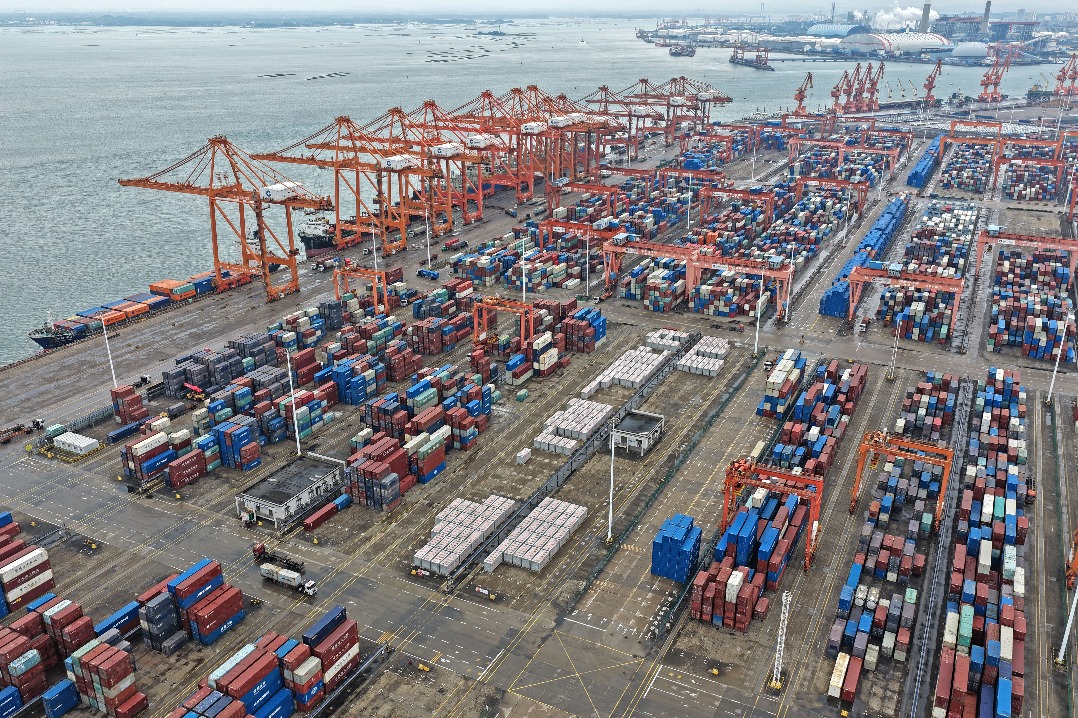
    The escalating conflict in Iran has triggered a critical disruption to global supply chains, extending far beyond the immediate suspension of oil tanker movements through the strategically vital Strait of Hormuz. Maritime and aerial logistics corridors are experiencing severe paralysis, threatening widespread shortages and inflationary pressures on goods ranging from Asian semiconductors and Indian pharmaceuticals to Middle Eastern fertilizers and petrochemicals.

    Maritime tracking data from Clarksons Research indicates approximately 3,200 vessels, representing 4% of global ship tonnage, are currently immobilized within the Persian Gulf. An additional 500 ships remain in holding patterns outside the Gulf near ports in the United Arab Emirates and Oman. Industry experts warn these disruptions create a domino effect throughout global logistics networks. ‘The supply chain functions like an interconnected train system,’ explained Michael Goldman of CARU Containers. ‘When one segment becomes derailed, it inevitably impacts numerous other components within the system.’

    In response to the crisis, the United States has initiated contingency measures. President Trump announced the U.S. International Development Finance Corp. would provide subsidized political risk insurance for vessels transiting the Persian Gulf, with the U.S. Navy prepared to escort oil tankers through the Strait of Hormuz if necessary.

    The conflict’s impact extends beyond maritime routes, with air cargo operations experiencing parallel disruptions. Closed airspace and airports across UAE, Qatar, Bahrain, Kuwait, Iraq, and Iran have grounded both passenger and cargo aircraft. This particularly affects high-value and time-sensitive shipments, including pharmaceuticals from India and electronics from Asia, which account for approximately 35% of global trade value despite representing less than 1% of freight volume by weight.

    Shipping companies are implementing extensive rerouting strategies, diverting vessels around Africa’s Cape of Good Hope—a detour adding 10-14 days to transit times and approximately $1 million in additional fuel costs per vessel. These extended routes, combined with newly implemented war risk surcharges and rising fuel prices, are driving substantial cost increases throughout global supply chains.

    Despite the unprecedented nature of the current disruption, industry representatives note the logistics sector has developed resilience through recent challenges including COVID-related shortages and previous regional conflicts. ‘The industry essentially operates on disruption management,’ Goldman observed, indicating adaptability while acknowledging the severity of the present crisis.

  • Armed man shot by police after fleeing Sunshine Coast crash in Woombye

    Armed man shot by police after fleeing Sunshine Coast crash in Woombye

    A tense armed confrontation unfolded on Queensland’s Sunshine Coast today, culminating in police shooting a man allegedly brandishing a firearm. The incident began just before midday when authorities responded to reports of a single-vehicle crash on the Sunshine Motorway on-ramp at Sippy Downs.

    According to Queensland Police statements, the driver fled the initial crash scene, triggering a pursuit that continued approximately 10 kilometers north to Woombye. The situation escalated dramatically on Nambour Connection Road when the suspect exited his vehicle and advanced toward officers while allegedly armed with a gun.

    Police confirmed discharging their weapons during the confrontation, resulting in the suspect sustaining a gunshot wound to his arm. Immediate first aid was administered at the scene before Queensland Ambulance Service personnel transported the man to Sunshine Coast University Hospital. Medical authorities described his injury as serious but reported his condition as stable.

    Eyewitness accounts painted a chaotic scene, with Claire Smith telling the ABC she observed at least four officers surrounding the suspect and heard two distinct gunshots. ‘It just looked like he was taunting the police,’ Ms. Smith recounted, adding that the spectacle of a man waving a firearm amid drawn police weapons seemed profoundly out of place in the typically tranquil community of Woombye.

    The incident caused significant disruption to local traffic, with westbound lanes of Nambour Connection Road temporarily blocked as multiple marked and unmarked police vehicles converged on the area. The investigation remains ongoing as authorities work to determine the full sequence of events leading to the officer-involved shooting.

  • ‘Blessed to be yelled at’: The Roosters ‘fanboy’ who has the toughest and best job in rugby league

    ‘Blessed to be yelled at’: The Roosters ‘fanboy’ who has the toughest and best job in rugby league

    The Sydney Roosters’ newest playmaker Benaiah Ioelu embodies the dream-come-true narrative that fuels rugby league’s enduring appeal. At just 22 years old with only 12 NRL appearances, Ioelu finds himself in the pivotal dummy-half role during Reece Robson’s injury absence, tasked with distributing ball to established stars Sam Walker and Daly Cherry-Evans.

    Ioelu’s journey to the NRL spotlight contrasts sharply with teenage prodigies who burst onto the scene. His path required persistent development and unwavering commitment, making his current position alongside childhood heroes particularly meaningful. The young hooker openly acknowledges his ‘fanboy’ status, recalling how he once watched these same players from the stands and now shares the training paddock with them.

    The Samoa international maintains that his profound appreciation for the game enhances rather than hinders his performance. His perspective remains grounded through strong faith and family support, particularly through conversations with his mother who preserved memories of his grassroots beginnings. Ioelu’s approach combines tactical simplicity learned from veteran players with spiritual resilience that helps him navigate professional pressures.

    Coach Trent Robinson’s decision to start Ioelu ahead of Connor Watson demonstrates confidence in the young gun’s ability to handle high-stakes situations. His recent trial game experience alongside Cherry-Evans provided crucial preparation for the regular season ahead. Ioelu’s story represents both personal achievement and the Roosters’ strategic development of depth within their roster, ensuring competitive stability despite injury challenges.

  • Israel targets Iran’s security forces and leadership as Iran presses attacks across the region

    Israel targets Iran’s security forces and leadership as Iran presses attacks across the region

    DUBAI, United Arab Emirates — The Middle East conflict entered a dangerous new phase Wednesday as coordinated U.S.-Israeli airstrikes targeted Tehran and multiple Iranian cities, marking the fifth day of intense warfare. The attacks represent a significant escalation in the ongoing confrontation between the Western-allied forces and the Islamic Republic.

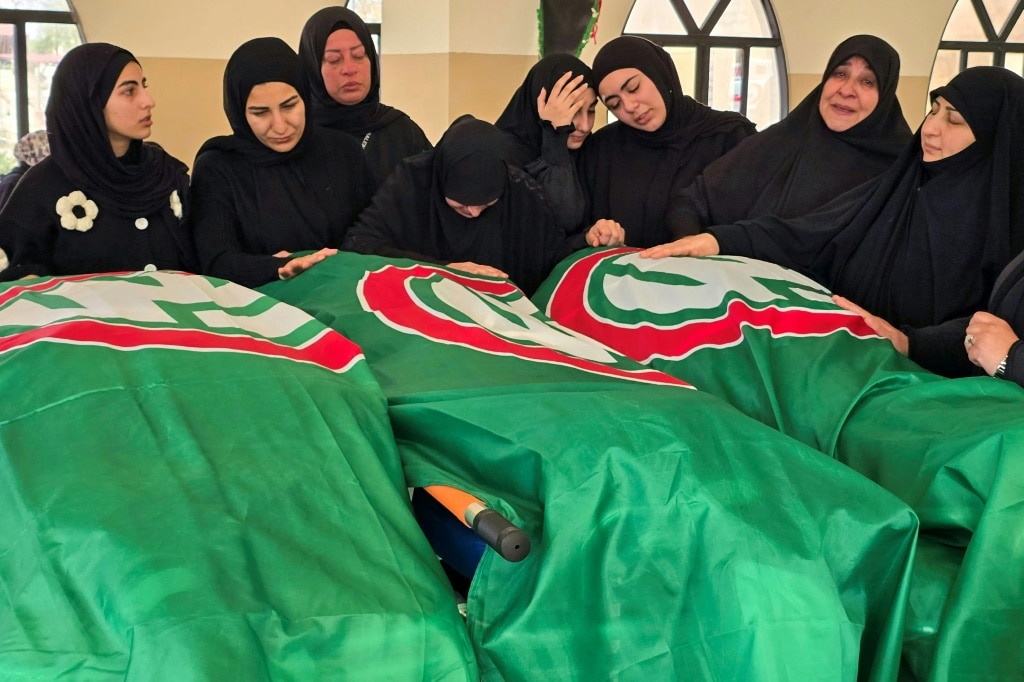
    Residents of Iran’s capital awoke to thunderous explosions as Israeli F-35 stealth fighter jets engaged Iranian Air Force aircraft and struck strategic locations throughout the city. Iranian state television broadcast images of destroyed buildings in central Tehran, while the religious center of Qom and several other cities also came under attack. The bombardment was so intense that authorities postponed mourning ceremonies for Supreme Leader Ayatollah Ali Khamenei, who was killed earlier in the conflict.

    The Israeli military confirmed shooting down a piloted Iranian YAK-130 fighter jet over Tehran and activating air defense systems to intercept missile barrages targeting Jerusalem and other locations. Meanwhile, regional tensions expanded as an Iranian naval frigate, the IRIS Dena, was reported in distress off the coast of Sri Lanka, prompting rescue operations for 32 crew members.

    The economic consequences of the conflict continued to mount with Brent crude prices surging to $84 per barrel—a 15% increase since hostilities began—as Iran maintains its strategic control over the Strait of Hormuz. Global financial markets have experienced significant volatility amid concerns that rising oil prices could destabilize the world economy.

    Regional infrastructure has become increasingly targeted, with Saudi Arabia reporting additional attacks on its Ras Tanura oil refinery, though without significant damage. U.S. diplomatic facilities in Saudi Arabia and the United Arab Emirates have also faced drone attacks, leading the State Department to authorize evacuation of non-emergency personnel.

    According to U.S. Navy Adm. Brad Cooper, head of U.S. Central Command, allied forces have struck nearly 2,000 targets with over 2,000 munitions, severely degrading Iran’s air defenses and destroying hundreds of ballistic missiles, launchers, and drones. The conflict has expanded beyond Iran’s borders, with attacks reported in Lebanon, Qatar, Bahrain, and Iraq involving Iranian-backed militant groups.

    The human toll continues to rise with at least 787 confirmed fatalities in Iran and 11 in Israel, according to official reports. Casualties have also been reported in Kuwait, the United Arab Emirates, and Bahrain, including six U.S. Army Reserve soldiers killed in Kuwait.

    Political uncertainty grips Iran as leadership scrambles to select a successor to Khamenei, while Israeli Defense Minister Israel Katz declared that whoever assumes the supreme leader position would become “a target for elimination.” The conflict shows no signs of abatement as both sides continue their military operations with increasing intensity.