作者: admin

  • Mojtaba Khamenei, son of Ali Khamenei, selected as Iran’s new supreme leader

    Mojtaba Khamenei, son of Ali Khamenei, selected as Iran’s new supreme leader

    TEHRAN – In a landmark decision that will shape Iran’s political future, the country’s Assembly of Experts formally announced the election of Mojtaba Khamenei as the Islamic Republic’s third Supreme Leader on Sunday. The announcement concludes a critical succession process triggered by the death of former leader Ali Khamenei.

    The clerical body confirmed the appointment through an official statement, highlighting the “decisive vote of the respected representatives” that resulted in Mojtaba Khamenei’s ascension to Iran’s highest authority position. The 57-year-old assumes leadership during a period of significant regional tension and domestic challenges.

    The transition follows the death of the previous Supreme Leader, Ali Khamenei, who was killed during joint U.S.-Israeli military strikes across Iran on February 28. The unprecedented attack created a power vacuum that required immediate resolution according to Iran’s constitutional procedures.

    Mojtaba Khamenei, born in 1969, has maintained a relatively low public profile compared to other political figures but has been widely regarded as a influential behind-the-scenes operator within Iran’s power structure. His selection represents continuity in the Islamic Republic’s leadership while positioning a new generation to guide the nation’s religious and political direction.

    The Supreme Leader wields ultimate authority over Iran’s foreign policy, military operations, and religious matters, making this transition particularly significant for regional stability and international relations. The Assembly of Experts, composed of 88 Islamic scholars, conducted the selection process in accordance with Iran’s constitutional framework governing leadership succession.

  • Europe rallies around Cyprus during Iran war as Macron visits to show support for island

    Europe rallies around Cyprus during Iran war as Macron visits to show support for island

    French President Emmanuel Macron embarked on a diplomatic mission to Cyprus on Monday, following his decision to deploy advanced military assets to the Eastern Mediterranean. This strategic move comes in response to a recent Shahed drone attack on a British air base in Cyprus, marking the first such incident on European territory.

    The French frigate Languedoc has been dispatched to waters surrounding Cyprus to enhance the island nation’s anti-drone and anti-missile capabilities. Additionally, Macron has authorized the deployment of ground-based defense systems to further fortify Cyprus’ security. The nuclear-powered aircraft carrier Charles de Gaulle is expected to join these forces in the coming days.

    During his visit, Macron will convene with Cypriot President Nikos Christodoulides and Greek Prime Minister Kyriakos Mitsotakis at Cyprus’ primary air base, where four Greek F-16 fighter jets have been stationed. The leaders aim to strengthen regional security coordination among European partners.

    Macron has maintained active diplomatic engagement, including discussions with Iranian President Massoud Pezechkian on Sunday, urging restraint to prevent further escalation in the Middle East. Cypriot officials confirmed the intercepted drone originated from Lebanon, with speculation pointing to Hezbollah, Iran’s proxy group, as the likely perpetrator.

    Despite the military reinforcement, all parties have emphasized their commitment to preventing conflict expansion. Christodoulides has repeatedly stated that Cyprus will not participate in any military operations. The Lebanese government has condemned the attack and ordered security agencies to crack down on non-state groups conducting such operations.

  • Adelaide star Darcy Fogarty claims opal, smashes monster drive on unique desert golf course

    Adelaide star Darcy Fogarty claims opal, smashes monster drive on unique desert golf course

    In an extraordinary twist during a promotional golf event, Adelaide Crows forward Darcy Fogarty discovered opals potentially worth thousands of dollars while playing at the unique Coober Pedy Opal Fields Golf Club. The Australian Rules footballer participated in the inaugural Coopers Mild Ale Coober Pedy Classic alongside St Kilda’s Rowan Marshall and NRL star Valentine Holmes, who ultimately won the tournament.

    The desert course, described by Fogarty as ‘like playing on Mars,’ presented unprecedented challenges with its complete lack of grass and gibber-covered terrain. Players had to transport patches of grass to hit from during their rounds across the distinctive outback landscape.

    Despite the unconventional setting, Fogarty demonstrated impressive golf prowess, launching a remarkable 326-meter drive down the desert fairway, though he credited a ‘howling breeze’ for assisting the monumental shot. The event highlighted Coober Pedy’s remarkable reciprocal rights agreement with the prestigious St Andrews golf course, allowing locals theoretical access to the Scottish landmark.

    While Holmes claimed the inaugural ‘Orange Jacket’ as tournament champion, Fogarty’s discovery of valuable opals during the round created the most memorable moment. Guided by local expert Steve, the AFL forward identified distinctive rocks that yielded the precious gemstones, prompting jokes about immediate retirement from professional sports.

    The promotional event offered participants a chance to win a round on Gleneagles King’s Course in Scotland, blending Australia’s rugged outback charm with international golf prestige in a unique sporting crossover.

  • Jury selection to begin in South Florida for 4 charged in 2021 assassination of Haitian president

    Jury selection to begin in South Florida for 4 charged in 2021 assassination of Haitian president

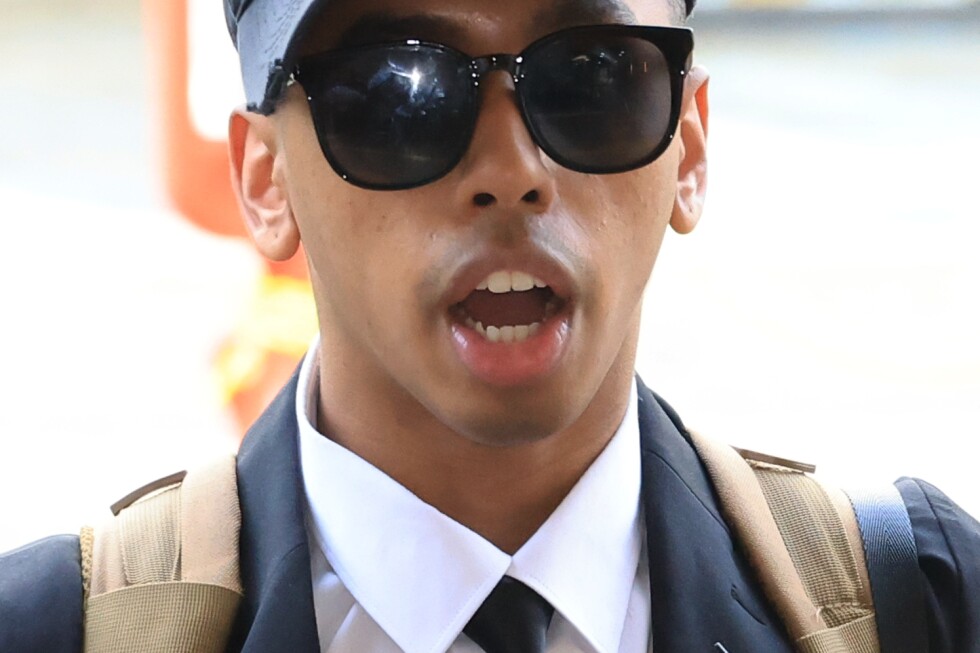
    MIAMI – Jury selection commenced Monday in a landmark U.S. federal trial involving four individuals charged with orchestrating the 2021 assassination of Haitian President Jovenel Moïse. The defendants—Arcangel Pretel Ortiz, Antonio Intriago, Walter Veintemilla, and James Solages—face charges of conspiracy to kidnap or kill the former head of state, among other related counts. All have entered not guilty pleas and confront potential life imprisonment if convicted.

    A fifth suspect, Christian Sanon, was medically excused from the current proceedings and will be tried separately at a later date. The trial, originally slated for last year, was postponed by U.S. District Judge Jacqueline Becerra due to complexities in evidence disclosure and the substantial volume of case materials.

    According to investigative reports, South Florida served as the operational hub for planning and financing the coup attempt. The conspirators initially intended to install Sanon, a dual Haitian-American citizen, as Moïse’s successor. However, they later pivoted to supporting Wendelle Coq Thélot, a former Haitian judge who died in January 2025 while evading capture.

    Five co-conspirators have already received life sentences after pleading guilty, while a sixth individual received a nine-year term for supplying body armor to the group unaware of the assassination plot.

    President Moïse was killed on July 7, 2021, when approximately two dozen foreign mercenaries—primarily Colombian nationals—stormed his private residence near Port-au-Prince. The attack left First Lady Martine Moïse wounded, requiring emergency medical evacuation to the United States.

    Court documents reveal that Ortiz and Intriago led Counter Terrorist Unit Federal Academy and Counter Terrorist Unit Security (CTU), while Veintemilla headed Worldwide Capital Lending Group. Both organizations, based in South Florida, allegedly coordinated financing and recruitment efforts. Worldwide Capital extended a $175,000 credit line to CTU, with funds directed toward ammunition purchases and operational expenses in Haiti.

    Meanwhile, judicial proceedings in Haiti against 20 additional suspects—including 17 Colombian soldiers and three government officials—remain stalled due to rampant gang violence, death threats, and systemic failures within the country’s judicial infrastructure.

  • Iran war sends shockwaves through African fuel market and economies

    Iran war sends shockwaves through African fuel market and economies

    NAIROBI, Kenya (AP) — The escalating military confrontation with Iran has unleashed a dramatic surge in global oil prices, creating severe economic headwinds for African nations. With the continent relying heavily on imported petroleum products, economists warn of impending fuel cost increases, accelerating inflation, and renewed currency instability across multiple markets.

    Energy analysts emphasize Africa’s particular vulnerability to supply chain disruptions originating in the Middle East, a region responsible for substantial portions of global crude flows. “Africa’s status as a net importer of oil products leaves it exceptionally exposed to geopolitical shocks of this nature,” explained Nick Hedley, an energy transition research analyst at Zero Carbon Analytics.

    The current crisis mirrors patterns observed following Russia’s full-scale invasion of Ukraine in 2022, when spiking crude prices combined with weakening currencies drove transport fuel costs up by more than 25% in South Africa within six months. The strategic significance of the Strait of Hormuz—a narrow shipping corridor handling approximately one-fifth of global crude shipments—adds further sensitivity to oil market dynamics.

    Impact distribution across Africa appears uneven. While Kenya and Uganda report stable supplies despite market turbulence, major crude producers like Nigeria and Ghana face complex economic equations. Though these nations export crude oil, they import most refined petroleum products, potentially limiting benefits from higher global prices.

    Brendon Verster, senior economist at Oxford Economics, identified the dual threat: “The immediate risks stem primarily from climbing oil prices and depreciating exchange rates as investors shift capital toward safe-haven assets like the U.S. dollar.”

    Sustained price elevation could generate revenue windfalls for Africa’s major oil exporters. Nigeria, which exports approximately 1.5 million barrels daily, has structured its medium-term fiscal framework around prices between $64 and $66 per barrel through 2028. Current prices exceeding $100 per barrel—if maintained—would significantly boost revenues for Angola, Algeria, and Libya.

    For ordinary citizens, however, the immediate effect translates to heightened living costs. “This represents a serious concern,” Hedley noted, emphasizing that most food and goods across Africa travel by road. “Increased fuel expenses rapidly propagate into broader inflation and diminish household purchasing power.”

    The crisis particularly threatens nations operating under International Monetary Fund programs, as energy import bills drain scarce foreign exchange reserves. Analysts identify Sudan, The Gambia, Central African Republic, Lesotho, and Zimbabwe among the most vulnerable economies.

    Longer-term perspectives suggest the crisis may accelerate calls for energy diversification. Kennedy Mbeva, research associate at the University of Cambridge’s Centre for the Study of Existential Risk, stated: “It demonstrates strategic imperative for African nations to ensure long-term energy security and sovereignty.” Achieving this balance will require navigating short-term fiscal pressures while making sustained investments in clean energy and green industrialization.

  • ‘Better than MJ’: Josh Giddey closes in on Michael Jordan’s historic Bulls record

    ‘Better than MJ’: Josh Giddey closes in on Michael Jordan’s historic Bulls record

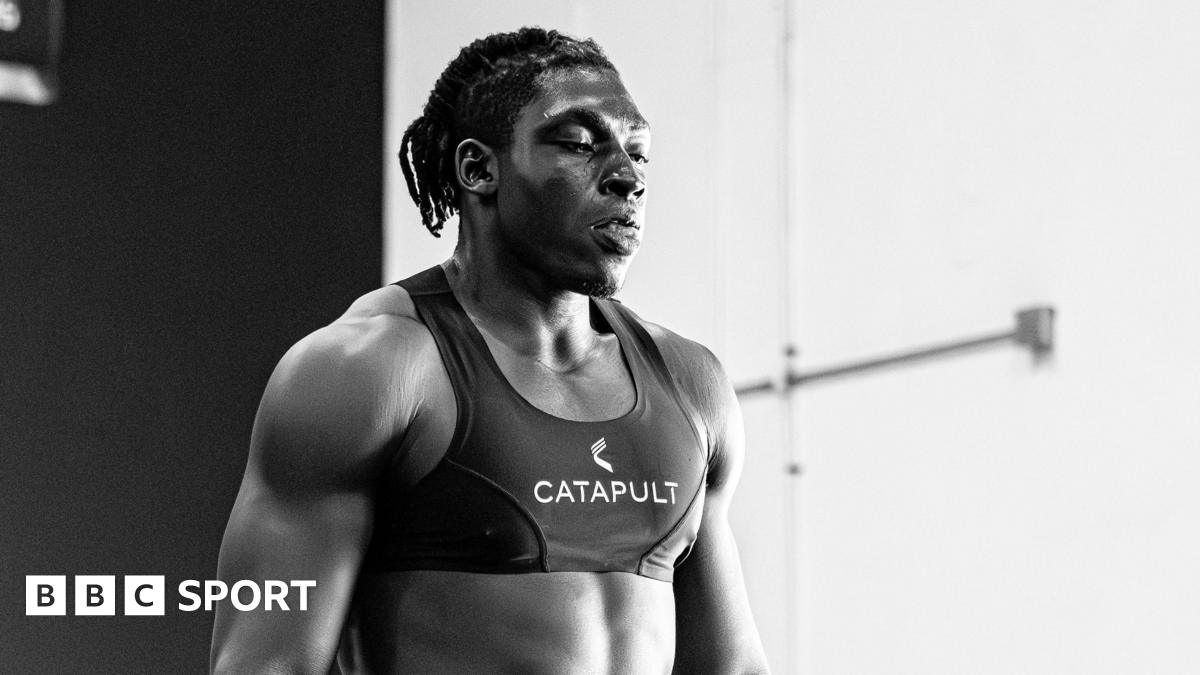
    Australian basketball sensation Josh Giddey is rapidly approaching one of Michael Jordan’s most formidable Chicago Bulls records, positioning himself for what could become one of the most surprising statistical achievements in modern NBA history. The 23-year-old guard has now surpassed Bulls legend Scottie Pippen to claim second place on the franchise’s all-time triple-double list.

    Giddey recorded his 16th triple-double for Chicago in Monday’s matchup against the Sacramento Kings, contributing 15 points, 12 rebounds, and 10 assists despite his team’s 126-110 defeat. This accomplishment places him directly behind only Michael Jordan, who accumulated 28 triple-doubles during his legendary tenure with the Bulls.

    The statistical comparison between the two players reveals Giddey’s remarkable efficiency in achieving this milestone. While Jordan needed 930 regular-season games to establish his record, Giddey has reached his 16 triple-doubles in just 112 appearances for the franchise. This pace suggests the Australian international could potentially challenge Jordan’s long-standing record within the coming seasons.

    Giddey’s recent performance comes after a brief absence due to an ankle injury, demonstrating his resilience and immediate impact upon returning to the lineup. His consistent all-around contributions have been a rare bright spot for the struggling Bulls, who have won only two games since February and currently sit 12th in the Eastern Conference standings, mathematically eliminated from playoff contention.

    The team’s next challenge comes against the Golden State Warriors on Wednesday, where Giddey will continue his pursuit of basketball history while attempting to help his team finish the season on a positive note.

  • Japan prepares for deployment of its first home-developed long-range missile

    Japan prepares for deployment of its first home-developed long-range missile

    Japan has initiated the deployment of its first domestically developed long-range missiles, marking a significant escalation in the nation’s offensive military capabilities. The advanced Type-12 land-to-ship missiles, manufactured by Mitsubishi Heavy Industries, began arriving at Camp Kengun in Kumamoto Prefecture during a covert midnight operation that drew immediate local protests.

    The deployment, confirmed by Chief Cabinet Secretary Minoru Kihara, will be completed by March’s end. The move comes as Japan accelerates its military modernization timeline by one year in response to growing regional security concerns, particularly regarding China’s activities around Taiwan.

    The newly upgraded missiles represent a substantial capability enhancement, with an operational range extending to approximately 1,000 kilometers (620 miles)—a fivefold increase over the original 200-kilometer version. This extended range places mainland China within striking distance, fundamentally altering Japan’s defensive posture.

    Local opposition has been vocal, with dozens of protesters gathering outside the military camp holding banners that read ‘Stop long-range missile deployment.’ Kumamoto Governor Takashi Kimura expressed frustration over the lack of transparency, noting his administration learned of the deployment through media reports rather than official channels.

    Defense Minister Shinjiro Koizumi has outlined additional deployment plans, with Camp Fuji in Shizuoka scheduled to receive the missiles later this year. Further military enhancements include deploying midrange surface-to-air missiles on Yonaguni Island, located just east of Taiwan, by March 2031.

    The military expansion aligns with Prime Minister Sanae Takaichi’s stated policy that Chinese military action against Taiwan could warrant Japanese response. Her administration is pursuing comprehensive defense reforms, including developing unmanned combat systems and potentially lifting restrictions on lethal arms exports to strengthen international defense cooperation.

  • ‘Get some joy’: Broncos won’t go easy on future teammate as Kotoni Staggs issues stark warning to Jonah Pezet

    ‘Get some joy’: Broncos won’t go easy on future teammate as Kotoni Staggs issues stark warning to Jonah Pezet

    Emerging playmaker Jonah Pezet finds himself at the center of a strategic battleground as his current team, the Parramatta Eels, prepares to face his future club, the Brisbane Broncos. The highly anticipated Round 2 NRL clash on Thursday night carries significant weight for both teams, each seeking redemption after disappointing opening-round performances.

    Pezet, who is slated to join the Broncos on a long-term deal in 2026 after a single season with the Eels, faces immediate pressure from his prospective teammates. Brisbane’s game plan explicitly targets Pezet’s defensive capabilities, with forward Jordan Riki and center Kotoni Staggs leading the charge on his edge of the field.

    This tactical approach mirrors the strategy employed by Pezet’s former Melbourne Storm team, who comprehensively defeated Parramatta in Round 1. During that match, Storm players relentlessly tested the young halfback, forcing him to make 21 tackles while missing two as Melbourne forward Joe Chan dominated with 198 meters gained and a try.

    The Broncos enter the contest reeling from a surprising 26-0 shutout against Penrith Panthers, completing just 62% of their sets. Despite concerns about a potential premiership hangover exacerbated by Payne Haas’s decision to join South Sydney next year and a World Club Challenge loss to Hull KR, Brisbane players remain confident.

    Staggs dismissed suggestions of a championship slump, stating, ‘They were better on the night and we just didn’t play our game. It was round one and we’ll get better from that.’ The center emphasized the team’s focus on internal improvement rather than external circumstances, acknowledging that ‘teams always come after us’ as defending premiers.

    The matchup represents a critical early-season test for both clubs, with the Broncos particularly eager to demonstrate their championship mettle remains intact despite the roster changes and early setbacks.

  • Iran threatens regional retaliation if fuel facilities attacked again

    Iran threatens regional retaliation if fuel facilities attacked again

    Iran’s Khatam al-Anbiya Central Headquarters issued a stark warning on Sunday, threatening retaliatory measures across the region if attacks on its fuel and energy facilities persist. The declaration came in response to coordinated US-Israeli strikes that targeted multiple fuel storage sites in Tehran and Alborz province on Saturday night, causing temporary disruptions to fuel supplies and raising significant environmental health concerns.

    Spokesman Ebrahim Zolfaghari, addressing reporters through the Iranian Students’ News Agency, accused the United States and Israel of conducting ‘brutal assaults’ against Iran’s critical energy infrastructure and civilian service centers. He emphasized that these actions represented unacceptable aggression against both national assets and civilian populations.

    Zolfaghari called upon Muslim nations throughout the region to intervene and pressure Washington and Jerusalem to cease their ‘cowardly and inhumane operations.’ He delivered an unequivocal ultimatum: ‘Should these attacks continue, parallel retaliatory actions will be implemented across the region. If Western powers believe they can withstand oil prices exceeding $200 per barrel, they may proceed with this dangerous game.’

    This escalation follows the devastating February 28 joint operations by Israeli and American forces that struck multiple Iranian cities, resulting in the death of Supreme Leader Ali Khamenei, several family members, senior military officials, and numerous civilians. Iran subsequently launched extensive missile and drone counterstrikes targeting Israeli territory and US military installations throughout the Middle East, significantly heightening regional tensions and threatening broader conflict escalation.

  • Australians must prove they are over 18 to access porn under new laws

    Australians must prove they are over 18 to access porn under new laws

    Australia has implemented groundbreaking legislation requiring digital platforms to enforce rigorous age verification systems for accessing adult-oriented content. Effective immediately, services including pornography websites, R-rated gaming platforms, and sexually explicit AI chatbots must implement robust age checks or face substantial financial penalties.

    The new regulatory framework, administered by Australia’s eSafety Commission, mandates the use of advanced verification methods such as facial recognition technology, digital ID systems, and credit card validation. This represents a significant escalation from the previous honor system where users simply clicked confirmation boxes.

    Commissioner Julie Inman Grant emphasized the necessity of these measures, drawing parallels to physical age restrictions: ‘We maintain strict age verification at venues serving alcohol, adult entertainment establishments, and gambling facilities, yet digital spaces have historically lacked equivalent protections.’

    The implementation follows Australia’s recent social media ban for users under 16, continuing the government’s aggressive approach to online child protection. Research conducted by the eSafety Commission revealed alarming statistics: approximately 33% of children aged 10-17 have encountered sexual content online, while over 70% have been exposed to high-impact violence, self-harm materials, and disordered eating content.

    However, the legislation faces substantial criticism from cybersecurity experts and digital rights advocates. Dr. Rahat Masood of the University of New South Wales warns that technologically proficient youth can easily circumvent these measures using VPNs, parental credentials, or alternative platforms. ‘These verification laws may establish barriers but are unlikely to completely prevent determined young people from accessing restricted content,’ Masood stated.

    Privacy concerns represent another significant challenge. Aylo, parent company of major pornographic platforms including RedTube and YouPorn, has temporarily blocked Australian users despite pledging compliance. The corporation expressed concerns that the legislation might inadvertently drive users toward unregulated platforms while creating data privacy vulnerabilities.

    Professor Seth Lazar of Australian National University criticized the approach as ‘extremely misguided from both technological and liberal perspectives,’ advocating instead for enhanced parental control technologies that support rather than replace parental judgment.

    The Australian initiative mirrors similar efforts internationally, including the United Kingdom’s implementation of age verification laws with penalties reaching £18 million or 10% of global revenue for non-compliant platforms.