作者: admin

  • Katy Perry loses trademark case against Australian designer Katie Perry

    Katy Perry loses trademark case against Australian designer Katie Perry

    In a definitive legal resolution to a protracted intellectual property battle, Australia’s High Court has delivered its final verdict favoring Australian fashion designer Katie Taylor, operating under her birth name Katie Perry. The Wednesday ruling represents the latest development in a complex legal saga that has spanned nearly a decade and a half between the designer and international pop sensation Katy Perry.

    The judicial panel determined that Taylor’s clothing enterprise, established in 2007, neither damaged the celebrity’s reputation nor created marketplace confusion regarding brand identity. The court specifically noted that Katy Perry’s formidable celebrity status in Australia effectively eliminated any reasonable possibility of consumer confusion between the two entities.

    Legal proceedings originated when Taylor, who formally adopted her birth name professionally in 2015, initiated trademark infringement litigation against the recording artist in 2023. The designer successfully argued that merchandise sales during Perry’s 2014 Australian concert tour violated her established trademark rights. That initial victory was subsequently overturned through appellate proceedings in 2024, which resulted in the cancellation of Taylor’s trademark registration.

    The current judgment reinstates the designer’s legal position through meticulous examination of the commercial timeline. Documentation revealed Taylor registered her business name and filed trademark applications in 2007, preceding the widespread Australian recognition of the California-born performer. From 2008 onward, the designer maintained consistent market presence through local vendor events, e-commerce operations, and social media channels under the Katie Perry branding.

    Taylor expressed profound relief following the verdict, characterizing the experience as “an incredibly long and difficult journey” while emphasizing the broader implications for small business protections. “Today confirms what I always believed,” she stated, “that trademarks should protect businesses of all sizes.”

    The court acknowledged that while the singer’s legal representatives had initially challenged Taylor’s trademark application in 2009, they subsequently withdrew their opposition without further action. Notably, testimony confirmed the designer had no prior awareness of the recording artist when establishing her fashion label, first learning of Katy Perry’s existence only when hearing the hit single “I Kissed A Girl” on Australian radio in mid-2008.

    In rendering its majority decision, the judiciary emphasized that the extraordinary level of fame associated with the pop star effectively created categorical distinction in the public consciousness. The ruling determined that no reasonable Australian consumer would likely associate Taylor’s clothing products with the celebrity, even given the phonetic similarity of the names.

    This case represents another high-profile intellectual property dispute in the entertainment industry, highlighting ongoing tensions between celebrity branding rights and established business operations utilizing similar nomenclature.

  • World shares are mixed as investors watch for release of oil reserves and crude heads higher

    World shares are mixed as investors watch for release of oil reserves and crude heads higher

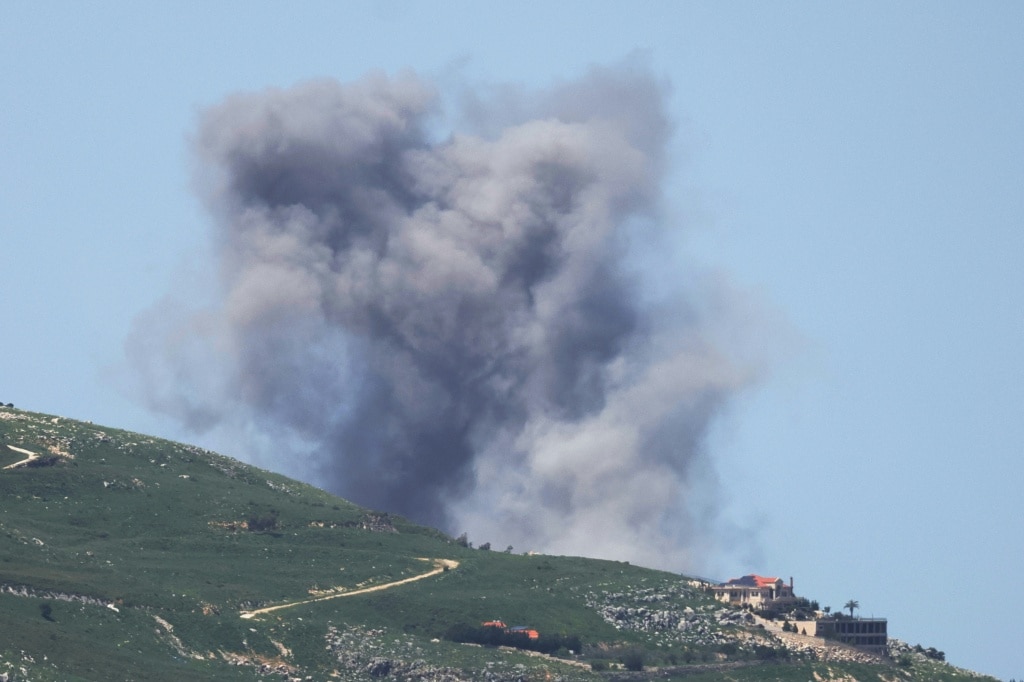
    Financial markets worldwide exhibited fragmented performance on Wednesday as the recent rally lost momentum and crude prices resumed their upward trajectory amidst escalating Middle East tensions. The persistent military conflict involving Iran continues to generate substantial uncertainty across global exchanges, with energy markets experiencing particularly pronounced fluctuations.

    Benchmark oil prices demonstrated significant volatility, with Brent crude advancing 2.6% to $90.11 per barrel while U.S. benchmark crude climbed 3.2% to $86.08. These movements occurred despite prices remaining substantially below Monday’s peak near $120, which had represented the highest level since 2022.

    European markets registered broad declines, with Germany’s DAX index retreating 1.6% to 23,600.11 and France’s CAC 40 dropping 1% to 7,980.45. Britain’s FTSE 100 similarly declined by 1% to 10,307.63.

    Asian markets presented a more varied landscape. Japan’s Nikkei 225 advanced 1.4% to 55,025.37, while South Korea’s Kospi gained 1.4% to 5,609.95 after earlier surging more than 3%. China’s Shanghai Composite rose 0.3% to 4,133.43, contrasting with Hong Kong’s Hang Seng index which dipped 0.2% to 25,898.76. Australia’s S&P/ASX 200 increased 0.6% to 8,743.50, with Taiwan’s benchmark surging 4.1% while India’s Sensex declined 1.5%.

    The geopolitical situation intensified as the United States reported neutralizing more than a dozen Iranian minelaying vessels, prompting Tehran’s vow to block regional oil exports completely. This development threatens the critical Strait of Hormuz, through which approximately 20% of global oil shipments typically transit.

    Oracle Corporation emerged as a notable outperformer, with shares surging 12% in premarket trading following better-than-expected quarterly results that showed both earnings and revenue increasing by 20%.

    Market analysts note that historical patterns show equities typically recover relatively quickly from military conflicts, provided oil prices don’t remain elevated for extended periods. The current environment of extreme price swings reflects deep uncertainty about whether this pattern will hold, raising concerns about potential stagflation scenarios where economic growth stagnates amid persistently high inflation.

  • ‘Swinging into action:’ The Saudi Arabian pipeline designed to bypass Hormuz

    ‘Swinging into action:’ The Saudi Arabian pipeline designed to bypass Hormuz

    In a decisive response to Iran’s effective closure of the Strait of Hormuz, Saudi Arabia has initiated full operational deployment of its strategic East-West Pipeline, a critical infrastructure project originally conceived during 1980s Gulf tensions. Saudi Aramco CEO Amin Nasser confirmed the pipeline is achieving its maximum daily capacity of seven million barrels, providing crucial alternative routing for Gulf oil exports bypassing the blocked waterway.

    The 750-mile pipeline, stretching from Abqaiq oil field to Yanbu port on the Red Sea, represents Saudi Arabia’s transformation into the producer of last resort during the current crisis. While providing economic relief to Saudi coffers and buying tactical time for US President Trump’s campaign against Iran, experts emphasize the system’s limitations. The Yanbu terminal can only handle approximately 4.5 million barrels daily—insufficient to compensate for the 18 million barrels of oil and 4 million barrels of refined products normally traversing Hormuz.

    The market faces a compounded crisis: not merely a crude shortage but a critical deficit in refined products including diesel and jet fuel. Energy analyst Ellen Wald notes the pipeline cannot simultaneously fulfill crude export contracts and product demand, while Global Risk Management’s Arne Rasmussen identifies this as primarily a ‘distillate crisis’ particularly affecting European markets dependent on Middle Eastern refineries.

    New vulnerabilities emerge as exports shift to the Red Sea, bringing Houthi forces into strategic consideration. Despite maintaining a fragile truce with Saudi Arabia, these Iran-aligned militants control access through the Bab el-Mandeb strait—a potential chokepoint for redirected shipments. Iran’s calibrated escalation, avoiding permanent damage to Saudi infrastructure while inflicting broader economic pain, demonstrates sophisticated conflict management that could change dramatically should Saudi Arabia directly enter the conflict.

    With G7 nations debating strategic reserve releases and oil prices exhibiting extreme volatility, the East-West Pipeline provides temporary relief rather than comprehensive solution to a crisis threatening global economic stability.

  • That purple Hawaii vacation lei likely came from Thailand, and some lawmakers want to change that

    That purple Hawaii vacation lei likely came from Thailand, and some lawmakers want to change that

    HONOLULU — A cultural paradox is unfolding in Hawaii’s iconic lei industry, where the vibrant purple orchid garlands presented to tourists are predominantly imported from Thailand rather than cultivated locally. This revelation has sparked significant legislative action and cultural concern throughout the Aloha State.

    Hawaiian lawmakers are currently advocating for measures to support locally-grown lei production, including potential labeling requirements that would distinguish Hawaii-made garlands and restrictions on state agencies purchasing imported lei. The movement stems from deep cultural connections to the lei tradition, which has symbolized the spirit of ‘aloha’ and Hawaiian identity for generations.

    Kuhio Lewis, CEO of the Hawaiian Council nonprofit organization, expressed cultural embarrassment about the current import dependency. ‘You don’t come to Hawaii and not at least have a flower or a lei,’ Lewis stated. ‘For us to now be importing is not good.’

    The cultural significance of lei in Hawaii extends far beyond tourist souvenirs. These floral garlands represent love and connection in Hawaiian culture, used in celebrations ranging from graduations to legislative ceremonies. A unique tradition involves presenting pregnant women with open-ended strands rather than closed necklaces due to cultural beliefs about umbilical cord symbolism.

    State Representative Darius Kila, who is Native Hawaiian, has been at the forefront of legislative efforts to address the issue. Although his initial bill requiring state officials to purchase a percentage of locally-grown lei failed, a related Senate bill remains active. This legislation proposes establishing a work group to study whether local flower-growers can meet rising demand and make recommendations for protecting the indigenous industry.

    The Senate bill explicitly addresses concerns about cultural appropriation, noting that ‘the growing commercialization of lei and lei materials has led to increased use of imported plant materials and manufactured components that are marketed using Hawaiian language, imagery, and place names,’ potentially misleading consumers and undermining local cultural practitioners.

    In Honolulu’s Chinatown, the heart of Hawaii’s lei industry, vendors like Francis Wong of Jenny’s Lei and Flowers note that locals consistently prefer fragrant local flowers such as pikake jasmine, tuberose, and puakenikeni. However, seasonal shortages and cost considerations make imported Thailand orchids a practical necessity for many businesses.

    Monty Pereira, general manager of Watanabe Floral—Hawaii’s largest florist selling approximately 250,000 lei annually—expressed concern that restrictive legislation might inadvertently harm the tradition it seeks to protect. ‘The bigger threat is making it so expensive that the people of Hawaii cannot afford to enjoy something that’s culturally significant to us,’ Pereira warned, noting that popular lei already command prices up to $150 for special occasions.

    The debate continues as Hawaii balances cultural preservation with economic reality, seeking solutions that honor tradition while maintaining accessibility to this cherished cultural practice.

  • Craig Freeman sent to stand trial over murder of wife Melinda Freeman in 1991

    Craig Freeman sent to stand trial over murder of wife Melinda Freeman in 1991

    In a dramatic legal development, a Melbourne gardener charged with the historic murder of his wife has opted to expedite proceedings, bypassing a traditional committal hearing and sending his case directly to trial. Craig Freeman, 63, formally entered a plea of not guilty during his appearance at Melbourne Magistrates Court on Tuesday, more than thirty years after the death of Melinda Freeman in October 1991.

    The case, which had remained unsolved for decades, saw a breakthrough last November when authorities charged Mr. Freeman with murder. The defendant has consistently maintained his innocence, claiming he discovered his wife’s lifeless body at the top of the staircase in their Whittlesea residence upon returning home, with the property apparently ransacked.

    Prosecution authorities present a contrasting narrative, alleging that Mr. Freeman fatally assaulted his spouse with a blunt instrument during a specific timeframe between 6:00 PM and 7:30 PM on the evening of October 4, 1991. According to court documents, prosecutors contend that following the alleged incident, the accused proceeded to socialize with friends in Kinglake, accompanied by the couple’s young son.

    Magistrate Stephen Ballek has committed the matter to the Supreme Court of Victoria, scheduling the next appearance for March 26. Pending trial, Mr. Freeman remains released on bail under stringent conditions that prohibit interstate travel, mandate continued residence with his current wife Terri Freeman, and require twice-weekly reporting to local law enforcement authorities.

    The decision to fast-track proceedings represents a significant acceleration in a case that has lingered without resolution for generations, ensuring that courtroom proceedings will commence without the customary preliminary hearing process.

  • Democratic senator says Trump on ‘path toward deploying’ US troops in Iran

    Democratic senator says Trump on ‘path toward deploying’ US troops in Iran

    A stark warning has been issued by Democratic Senator Richard Blumenthal, who expressed grave concerns following a classified Senate Armed Services Committee briefing on Tuesday. The senator asserted that the current administration appears to be advancing toward deploying American ground forces in Iran, marking one of the most explicit indications of President Trump’s potential strategic direction in the ongoing conflict.

    The context for these apprehensions is underscored by Reuters reporting, citing anonymous sources, that at least 150 U.S. service members have sustained injuries in operations against Iran, with eight fatalities confirmed in the Gulf region. This military campaign, officially designated ‘Operation Epic Fury,’ has proceeded without a publicly articulated clear rationale from the President himself, drawing significant criticism.

    Democratic lawmakers have vehemently challenged the administration’s approach, condemning the President for initiating military action without seeking congressional authorization—a constitutional prerogative of the legislature—and for failing to define clear strategic objectives. This criticism is particularly pointed given Trump’s previous condemnations of U.S. military engagements and regime-change operations in the Middle East.

    Senator Blumenthal, with fifteen years of Senate tenure, described the briefing as one of the most unsatisfactory he has attended, stating, ‘I emerge from this briefing as dissatisfied and angry, frankly, as I have from any past briefing.’ He emphasized his profound concern for American lives, specifically the potential deployment of ‘our sons and daughters on the ground in Iran.’

    Further complicating the geopolitical landscape, Blumenthal accused Russia of actively and intensively aiding Iran ‘with intelligence and perhaps with other means,’ and suggested China might also be providing assistance.

    The White House response, delivered by Press Secretary Karoline Leavitt, dismissed the Democrats’ concerns as ‘disingenuous.’ Leavitt defended the President’s prerogative as Commander-in-Chief not to rule out any options and reiterated the administration’s objective to prevent Iran from acquiring a nuclear weapon. While denying the operation is explicitly a regime-change endeavor, Leavitt acknowledged that achieving U.S. objectives might ‘inadvertently cause a change in regime,’ and stated it is in the best interest of the U.S. and its allies to no longer have ‘a radical terrorist in charge of Iran.’

    This stance appears at odds with recent diplomatic efforts. Reports indicate that U.S.-Iran negotiations mediated by Oman last month were nearing a potentially acceptable agreement regarding Tehran’s nuclear program. However, it is alleged that Trump’s unconventional negotiating team, comprising peace envoy and real estate mogul Steve Witkoff and his son-in-law Jared Kushner (who holds no formal government role), lacked the technical expertise to recognize significant concessions made by Iran, potentially derailing a diplomatic resolution.

  • ‘Stealth hit’ Pokemon game sends Nintendo shares soaring

    ‘Stealth hit’ Pokemon game sends Nintendo shares soaring

    Nintendo Co. experienced a significant stock market surge on Wednesday, propelled by the unexpected success of its latest life-simulation game ‘Pokemon Pokopia.’ The title has captivated both critics and consumers, achieving an impressive Metacritic score of 89 while triggering widespread retail sell-outs globally since its March 5 release.

    Financial analysts have identified the game as a crucial driver behind Nintendo’s 9% share price increase during mid-morning trading. Atul Goyal, senior analyst at Jefferies investment bank, characterized the title as an ‘immediate viral stealth hit’ that effectively bridges the divide between dedicated gamers and casual audiences. This critical acclaim represents the highest aggregate review score in the Pokémon franchise’s three-decade history.

    The game’s timing appears particularly fortuitous given previous criticisms regarding the Switch 2 console’s launch lineup. Nintendo’s next-generation device, launched in June 2025 as the world’s fastest-selling games console, now demonstrates strengthened software support through Pokopia’s success.

    Social media platforms have erupted with positive comparisons to Nintendo’s previous life-simulation phenomenon ‘Animal Crossing,’ which gained massive popularity during the COVID-19 pandemic. Influencer Ashley Duncan described the experience as ‘therapy,’ while the Pokemon Daily Post account (with approximately 90 million followers) noted: ‘For COVID we had Animal Crossing. For WW3 we have Pokopia.’

    The game’s premise builds upon Pokémon’s foundational concept—originally inspired by Japanese childhood bug-collecting traditions—while introducing village rejuvenation mechanics that expand the franchise beyond its traditional battle-focused gameplay. This evolution continues Nintendo’s successful strategy of expanding its iconic franchises across multiple media formats, including anime series, feature films, trading card games, and the augmented reality application ‘Pokemon Go.’

    Concurrent with Pokopia’s success, investor enthusiasm was further bolstered by the release of the final trailer for the anticipated ‘Super Mario’ movie sequel, featuring an all-star cast. The original Nintendo Switch console now ranks as the second best-selling video game system of all time, trailing only Sony’s PlayStation 2, largely due to the phenomenal success of titles including Animal Crossing.

  • AFL 2026: Hawthorn ycoach Sam Mitchell issues ‘eye test’ challenge to players after GWS loss

    AFL 2026: Hawthorn ycoach Sam Mitchell issues ‘eye test’ challenge to players after GWS loss

    Hawthorn Football Club faces a critical test of character in Friday night’s high-stakes AFL showdown against traditional rivals Essendon. Coach Sam Mitchell has issued a forceful challenge to his players following their disappointing Opening Round performance against an understrength GWS Giants, demanding both scoreboard improvement and spiritual redemption.

    Mitchell’s coaching philosophy centers on what he terms ‘the eye test’ – a qualitative measure of performance that transcends mere statistics. He explicitly stated his desire for Hawthorn supporters to leave the stadium feeling proud of their team’s effort and identity, regardless of the final result.

    ‘The fundamental question isn’t just about winning,’ Mitchell elaborated. ‘It’s about whether our members and fans can wear their Hawthorn jumpers home with genuine pride in how we competed. Achieving that standard typically correlates with winning football games.’

    The coach offered a blunt assessment of their 27-point loss to GWS, acknowledging that no Hawthorn player could feel satisfied with their individual or collective performance. This admission sets the stage for a compelling bounce-back narrative against their arch-nemesis.

    Adding significance to the occasion, heart-and-soul utility player Blake Hardwick prepares for his 200th senior appearance. Mitchell described the milestone man as his ‘safety blanket’ – a versatile problem-solver deployed to address various game situations, from scoring droughts to defensive lapses.

    ‘His toughness is legendary within our system,’ Mitchell noted of Hardwick. ‘Medical reports frequently detail concerning injuries, yet his response is always the same: he’ll be fine. He embodies the resilient teammate every coach desires and every opponent respects.’

  • Lack of grand, compelling narrative behind Iran war poll numbers

    Lack of grand, compelling narrative behind Iran war poll numbers

    In a striking departure from historical precedent, President Donald Trump’s military engagement in Iran faces substantial domestic opposition from its inception. Speaking on March 5, 2026, Trump asserted his intention to influence Iran’s leadership transition, even suggesting potential ground troop deployment to achieve his objectives. This stance places him within a longstanding tradition of American presidents—from Franklin Roosevelt and Harry Truman to George W. Bush and Barack Obama—who have initiated conflicts to either dismantle adversarial regimes or bolster allied governments overseas.

    However, current polling data reveals a significant divergence from historical patterns. A recent CNN survey indicates 59% of Americans oppose the Iran conflict, a consistent trend across multiple polls since hostilities began. This opposition stems primarily from the absence of a compelling, purpose-driven narrative that has historically justified American military interventions.

    Historical analysis demonstrates that successful military campaigns typically feature powerful unifying stories. During the 1930s-40s, the tangible threat of fascism spreading across Europe and the attack on Pearl Harbor created national consensus for World War II engagement. Similarly, the post-9/11 era generated overwhelming public support for interventions in Afghanistan (88% in 2001) and Iraq (70% in 2003) through narratives centered on preventing future terrorist attacks.

    Contemporary perception data reveals why no similar narrative has emerged regarding Iran: a March 2026 Marist poll shows 55% of Americans consider Iran either a minor threat or no threat at all, with only 44% viewing it as a major threat—down from 48% in July 2025. This contrasts sharply with the 64% who perceived Iraq as a ‘considerable threat’ before the 2003 invasion.

    Iran’s diminished geopolitical standing contributes to this perception. Following the 12-Day War with Israel in summer 2025 that reportedly damaged nuclear facilities, loss of key regional allies, collapsing proxy networks, economic struggles, and domestic protests, Iran appears considerably weakened rather than an existential threat.

    The administration’s messaging failure exacerbates this narrative vacuum. Unlike Roosevelt’s extensive pre-WWII speeches or Bush’s two-year buildup to Iraq, Trump devoted minimal attention to Iran in his State of the Union address and provided inconsistent justifications for military action. Consequently, 54% disapprove of his Iran handling, 60% believe he lacks a clear plan, and 60% disapprove of his overall foreign policy approach.

    This has created unusual political fractures, with Democrats, independents, and even portions of Trump’s MAGA coalition expressing opposition. Historical precedents suggest an available exit strategy: as demonstrated by Clinton’s withdrawal from Somalia after Black Hawk Down (1993), Obama’s Libya pullout following Benghazi (2012), and Trump’s own disengagement from Yemen (2025), presidents can extract themselves from unpopular conflicts without significant political damage. With rising gas prices, potential casualties, and market volatility, disengagement may represent the most prudent course forward.

  • Woman charged with attempted murder after shooting at Rihanna’s home

    Woman charged with attempted murder after shooting at Rihanna’s home

    A 35-year-old Orlando woman faces attempted murder charges after allegedly opening fire with a semiautomatic rifle at pop icon Rihanna’s Los Angeles residence on Sunday afternoon. Ivanna Lisette Ortiz remains in custody with bail set at $1.875 million following the targeted attack that occurred while Rihanna and partner A$AP Rocky were present at the property.

    According to prosecutors, Ortiz drove her white Tesla to the front of the celebrity’s mansion at approximately 1:15 PM local time and discharged multiple rounds toward the inhabited structure before fleeing the scene. Law enforcement officials located her vehicle eight miles from the crime scene at the Sherman Oaks Galleria shopping center, where she was subsequently apprehended.

    Los Angeles County District Attorney Nathan J. Hochman emphasized the severity of the incident, stating: ‘Opening fire in any populated neighborhood is extremely dangerous, puts lives at risk and will be fully prosecuted.’ He further warned that ‘such shooters will find their next destination to be our jails and prisons.’

    Despite the weapon being fired toward a occupied residence and adjacent property, no injuries were reported from the shooting. Ortiz now confronts additional felony charges including ten counts of assault with a semiautomatic firearm and three counts of shooting at an inhabited dwelling.

    Investigators from the LAPD have uncovered social media posts on Ortiz’s accounts that reference the Barbados-born singer, including one cryptic message on X that read: ‘Are you there? … say something to me directly instead of sneaking around like you talking to me where I’m not at.’

    The incident marks another security concern for the celebrity couple, who welcomed their third child together last year. Notably, A$AP Rocky was acquitted in February 2025 of charges related to firing a gun at a former friend—a trial that saw Rihanna bring their two sons to court proceedings.