作者: admin

  • A stunning U.S. loss to Italy leaves World Baseball Classic fate hanging

    A stunning U.S. loss to Italy leaves World Baseball Classic fate hanging

    HOUSTON — The United States baseball team faces an uncertain path to the World Baseball Classic quarterfinals following a stunning 8-6 upset by Italy on Tuesday night. The unexpected defeat leaves Team USA with a 3-1 record in Pool B play, forcing them to rely on Wednesday’s Mexico-Italy matchup results to determine their tournament future.

    The Italians delivered an explosive offensive performance, hammering three home runs within the first four innings to establish a commanding five-run advantage. By the time the Americans registered their first run, Italy had built an overwhelming 8-0 lead, despite a late-game rally attempt by the US squad.

    Team USA’s advancement now hinges on a complex tiebreaker scenario. If Italy triumphs over Mexico, the Americans would automatically secure second place in the pool. However, should Mexico prevail, all three teams would finish with identical 3-1 records, triggering a runs-allowed tiebreaker among the tied opponents. This mathematical complication means the US could still advance even with a Mexican victory, provided specific run differential conditions are met.

    The loss prompted introspection from both players and management. Superstar Aaron Judge, who struck out in the ninth inning to conclude the game, expressed profound disappointment regarding the team’s surrendered control over their destiny. “It’s the toughest thing,” Judge remarked. “You always like having your destiny in your own hands and we had it right in front of us.”

    Controversy emerged surrounding comments made by manager Mark DeRosa during a television appearance earlier Tuesday, where he suggested the team had already secured quarterfinal qualification. Following the loss, DeRosa clarified his statements, acknowledging he “misspoke” in his initial assessment and reaffirmed his understanding of the tournament’s qualification mechanics.

    Judge confirmed the players remained unaware of DeRosa’s television comments and maintained full awareness of the high stakes entering the Italy matchup. The team now plans to collectively watch Wednesday’s decisive game from their hotel, awaiting a outcome that will determine whether their World Baseball Classic journey continues or concludes prematurely.

  • Australian sharemarket rallies as mining and banking stocks offset rate hike concerns

    Australian sharemarket rallies as mining and banking stocks offset rate hike concerns

    The Australian Securities Exchange (ASX) experienced a notable upswing on Wednesday, propelled by robust performances in the banking and mining sectors. This positive momentum emerged despite mounting concerns over potential interest rate hikes, triggered by cautionary statements from the Reserve Bank of Australia (RBA).

    The benchmark ASX 200 index advanced by 50.90 points, representing a 0.59 percent gain to close at 8,743.50 points. Similarly, the broader All Ordinaries index climbed 52.60 points, also increasing by 0.59 percent to reach 8,976.80. This upward movement marked a continued recovery from Monday’s significant $90 billion market decline, though market participation remained selective with only four out of eleven sectors finishing in positive territory.

    The market’s resilience occurred against a backdrop of heightened anxiety following remarks from RBA Deputy Governor Andrew Hauser. In a recent podcast appearance, Hauser highlighted how Middle East geopolitical tensions and subsequent oil price fluctuations had altered Australia’s inflation outlook. With inflation already exceeding the central bank’s 2-3 percent target range, his comments were interpreted as signaling potential monetary policy tightening.

    Financial markets quickly priced in these concerns, with probability models indicating a 71 percent chance of a rate hike at the upcoming March meeting. This sentiment drove the Australian dollar to near four-year highs, trading as high as US71.75 cents.

    Despite these headwinds, heavyweight banking institutions demonstrated remarkable strength. Commonwealth Bank gained 0.51 percent to $172.67, National Australia Bank jumped 1.05 percent to $47.33, Westpac advanced 0.47 percent to $41.03, and ANZ led the sector with a 1.82 percent rally to $37.98.

    The mining sector equally impressed market participants. BHP shares increased by 1.42 percent to $51.96, while Rio Tinto climbed 1.10 percent to $155.30. Fortescue Metals outperformed with a substantial 3.68 percent surge to $19.98. Gold miners also joined the rally, with Northern Star Resources ascending 3.04 percent to $26.75 and Newmont closing 1.64 percent higher at $165.68.

    Corporate developments created significant movers elsewhere in the market. Ora Banda Mining skyrocketed 21.46 percent to $1.42 following announcements of substantially increased gold resources at their Round Dam deposit. Lynas Rare Earths soared 16.20 percent to $20.59 after securing an extended marketing agreement with Japan Australia Rare Earths until 2038. Macquarie Technology stocks leapt 7.01 percent to $67.15 following a $200 million investment from the National Reconstruction Fund.

    Conversely, not all companies shared in Wednesday’s gains. GQG Partners experienced notable weakness, with shares slumping 5.5 percent to $1.80 despite reporting increased funds under management, as the firm faced substantial net outflows of US$3.2 billion.

    Market analysts attributed the complex interplay of forces to evolving monetary policy expectations. Marc Jocum, Senior Investment Strategist at Global X, noted: ‘The RBA has indicated rising oil prices could push inflation higher, boosting the odds of a rate increase. Money markets have pushed up the odds of a 25 basis point rise to around 70 percent next week, with bets on official rates reaching approximately 4.4 percent by year’s end from their current level of 3.85 percent.’

  • A Senegal boarding school that drew students from the US is at the center of an abuse investigation

    A Senegal boarding school that drew students from the US is at the center of an abuse investigation

    DAKAR, Senegal — An American-affiliated boarding school in Senegal faces serious allegations of physical abuse and mistreatment of students, prompting a major investigation by Senegalese authorities and international concern. The American Dara Academy, which marketed itself to U.S. families as an affordable institution combining Quranic studies with American curriculum, is now at the center of a child welfare scandal that has resulted in mass student withdrawals and campus closures.

    According to extensive accounts gathered by The Associated Press, students reported being subjected to brutal punishment techniques in a designated ‘magic room’ where supervisors allegedly beat disobedient pupils. Testimonies describe children being forced to strip to their underwear or remain naked while holding heavy rocks in stress positions, with intensified beatings administered if they failed to maintain the painful poses.

    Senegal’s national gendarmerie, child protective services (AEMO), and Ministry of Justice have launched a coordinated investigation into the institution. In late January, authorities arrested the school’s director—a dual American-Guinean citizen—and three administrators. The director has since been released to house arrest while investigations continue.

    The school enrolled 311 students across two campuses, including 120 U.S. citizens, predominantly children of West African immigrants born in America and Europe. A formal complaint from the U.S. Embassy in Dakar dated January 12 detailed severe corporal punishment incidents involving American students, identifying the director and administrators as primary perpetrators.

    Students described being beaten with sticks and steel rods on their legs, backs, genitals, and heads, with abusers allegedly targeting areas less likely to show visible marks. Victims reported receiving threats that their parents in the U.S. could face immigration consequences if they disclosed the abuse to authorities.

    The Toubab Dialaw campus, where most abuses occurred, has been closed after investigations revealed appalling conditions including trailer classrooms, no running water, frequent power outages, and makeshift zinc latrines. Approximately 250 students have withdrawn, with about 100 Americans returning to the U.S. Remaining students were transferred to the better-equipped Dakar campus, which now operates under police security.

    While Senegalese law permits limited corporal punishment in homes under ‘right of correction’ principles, the systematic nature of these alleged abuses and involvement of international students has elevated the case’s significance. UNICEF and children’s rights organizations have long documented the persistence of corporal punishment in Senegalese institutions despite partial legal restrictions.

    The Ministry of Justice confirms that children are now in official care and charges will be filed against those found responsible, though specific allegations remain undisclosed during the ongoing investigation.

  • Inside the Russian explosives plot that targeted the UK

    Inside the Russian explosives plot that targeted the UK

    In a startling revelation from Vilnius, Aleksandr Suranovas, a 53-year-old Lithuanian national, finds himself at the center of an international terrorism case after unknowingly transporting incendiary devices disguised as innocent consumer goods. The sophisticated plot, allegedly orchestrated by Russian military intelligence (GRU), targeted destinations in the UK and Poland through expertly concealed explosives in massage cushions and cosmetic containers.

    Suranovas was recruited through Telegram by an old acquaintance known only as ‘HK,’ who promised €150 for what appeared to be simple delivery work. Unbeknownst to him, the parcels contained nitromethane-based explosives and hidden ignition systems that evaded standard security screenings. The devices were already activated with countdown timers when he received them in a Vilnius park in July 2024.

    Within days, three of the four packages ignited at various locations—Leipzig Airport, a Warsaw distribution center, and a Birmingham warehouse—causing significant damage but no casualties. The fourth device malfunctioned. This triggered a multinational investigation resulting in 22 arrests across Lithuania and Poland.

    Security experts identify this operation as part of Russia’s shift toward using criminal proxies for deniable hybrid warfare against nations supporting Ukraine. Vilmantas Vitkauskas, head of Lithuania’s National Crisis Management Centre, characterizes these actions as ‘active aggression against our nations,’ warning that supporters of Kyiv will continue to be targeted.

    Suranovas, now under intensive supervision with an electronic tag, maintains his innocence, stating he would ‘never have agreed to that, because I think it’s awful. I was used.’ His case exposes Moscow’s alleged strategy of recruiting from European criminal networks since traditional intelligence operations were compromised after the 2018 Salisbury poisonings.

    The White House reportedly delivered a high-level warning to Russia to ‘knock it off’ following these incidents, while investigators discovered additional explosives buried in food cans at a Lithuanian cemetery, suggesting broader preparation for future attacks.

  • Arrests, accusations and arguments – the Mugabe family after losing power

    Arrests, accusations and arguments – the Mugabe family after losing power

    The arrest of Bellarmine Mugabe, youngest son of Zimbabwe’s late president Robert Mugabe, has reignited global scrutiny of the controversial first family’s legacy. The 28-year-old appeared in a Johannesburg court for a bail hearing on attempted murder charges after allegedly shooting a 23-year-old man in an upscale suburb in mid-February.

    This incident represents the latest in a series of legal controversies surrounding the Mugabe offspring, who grew up shielded from Zimbabwe’s economic hardships while enjoying extraordinary privilege. According to Dumisani Muleya, managing editor of Zimbabwe’s NewsHawks website, the Mugabe children were “protected from the broader realities of the Zimbabwean political and socio-economic situation” throughout their upbringing.

    The family’s substantial wealth—including $10 million in cash, multiple properties, and extensive business holdings—was revealed in court documents following Robert Mugabe’s 2019 death. Despite Grace Mugabe’s 2013 claims that their wealth came from private business ventures rather than official corruption, the family’s lavish lifestyle frequently contrasted starkly with Zimbabwe’s widespread poverty.

    Bellarmine and his brother Robert Jr. have faced repeated legal troubles, particularly in South Africa. In 2017, Bellarmine sparked outrage by flaunting a $60,000 watch on social media just weeks before his father’s ouster. Both brothers have faced assault charges and have been evicted from luxury accommodations for disruptive behavior.

    The Mugabe matriarch Grace faces her own legal challenges, including an outstanding arrest warrant in South Africa for allegedly assaulting a model with an extension cord in 2017. Though she claimed diplomatic immunity at the time, the protection was revoked after her husband’s fall from power.

    While most family members have reconciled with Zimbabwe’s current government, Bellarmine’s ongoing legal troubles continue to highlight the complex legacy of a family that dominated Zimbabwean politics for nearly four decades.

  • Italy stun USA to leave hosts on brink at World Baseball Classic

    Italy stun USA to leave hosts on brink at World Baseball Classic

    In a breathtaking reversal of expectations at the World Baseball Classic, Italy delivered a seismic shock to tournament favorites United States with a dramatic 8-6 victory that has thrown Pool B into mathematical chaos. The Italian team, composed predominantly of American players with Italian ancestry, constructed an imposing 8-0 advantage through explosive offensive performances before surviving a late-inning American resurgence that nearly erased their substantial lead.

    The foundation for Italy’s historic triumph was established by starting pitcher Michael Lorenzen, who masterfully contained the formidable American batting order across four scoreless innings. The offensive breakthrough commenced in the second inning when catcher Kyle Teel launched a solo home run against pitcher Nolan McLean. Shortstop Sam Antonacci subsequently amplified the advantage with a two-run homer, while outfielder Jac Caglianone’s powerful two-run shot in the fourth inning extended the lead to 5-0. Three additional runs in the sixth inning appeared to secure an insurmountable advantage.

    However, the American squad mounted a formidable comeback attempt in the later innings. Baltimore Orioles standout Gunnar Henderson initiated the scoring with a solo homer in the sixth, followed by Pete Crow-Armstrong’s three-run blast that narrowed the deficit to 8-4. The relentless American pressure continued with another run in the eighth inning, and Crow-Armstrong’s second homer of the game in the ninth created palpable tension at 8-6. The rally ultimately concluded when captain Aaron Judge struck out against reliever Greg Weissert, sealing Italy’s monumental victory.

    The outcome has created complex qualification scenarios, with United States manager Mark DeRosa acknowledging his earlier miscalculation regarding tournament progression. The Americans’ fate now hinges upon Italy’s final pool game against Mexico, with multiple tiebreaker possibilities involving runs allowed per defensiveout potentially determining advancement.

  • Shabby beauty: Inside Japan’s oldest, defiant student dorm

    Shabby beauty: Inside Japan’s oldest, defiant student dorm

    Japan’s oldest student dormitory, Kyoto University’s self-governed Yoshida Dormitory, stands at a critical juncture as students prepare for temporary evacuation by March’s end. This 113-year-old institution, comprising two residential buildings and a graffiti-covered dining hall, represents a radical departure from traditional Japanese educational housing through its commitment to student autonomy and egalitarian principles.

    The dilapidated facility features crumbling clay walls, accumulated debris, and rodent infestations, yet residents cherish it as a sanctuary for free thought and democratic living. Unlike conventional Japanese dormitories that enforce strict hierarchies, Yoshida Dormitory eliminates seniority-based formalities, enabling freshmen to interact equally with senior members. Students collectively manage operations through consensus-based town hall meetings and independently select new residents.

    Monthly rents of merely 2,500 yen ($16) provide crucial housing security for economically disadvantaged scholars. The aging ‘gento’ building, despite its squalid conditions with broken windows, rusty toilets, and pervasive spider webs, serves as the community’s spiritual core where students gather for mahjong, video games, and shisha smoking.

    The dormitory’s history is marked by protracted conflict with university authorities. Fierce 1980s anti-closure protests resulted in arrests and injuries, while renewed tensions emerged in 2017 when Kyoto University declared the structures seismically unsafe. The institution filed lawsuits against resisting students in 2019 before reaching a court-mediated settlement last August.

    Critics, including retired faculty member Masaaki Sakagami, allege renovation plans mask intentions to dismantle the dorm’s self-governance model. ‘A self-governed dorm full of students exercising critical thinking to challenge university authorities is something they want to eliminate,’ Sakagami stated.

    Kyoto University maintains that renovation details ‘are currently under consideration,’ though many fear the historic building’s character will be irrevocably altered. The dorm’s cultural significance extends to its construction materials, reportedly including timber imported from pre-war Japanese-occupied Taiwan—a historical artifact residents believe shouldn’t be erased.

    Alumnus Yuichi Sakamoto, 39, who frequently returns to socialize, expressed concerns: ‘I can easily picture a fence being abruptly erected one day to demolish it for a futuristic structure, which would be dreadful.’ For current resident Masako Ueda, 39, the shabby environment represents cherished humanity: ‘I feel at ease with this place. It’s steeped in humanity—a squeaky-clean place feels lifeless to me.’

  • Seoul says can deter threats from North if US weapons shifted to Mideast

    Seoul says can deter threats from North if US weapons shifted to Mideast

    South Korean defense officials have declared their nation’s military readiness remains uncompromised despite reports of potential redeployment of US missile defense assets to the Middle East. The statement from Seoul’s Ministry of Defense comes amid speculation that components of the Terminal High Altitude Area Defense (THAAD) system might be transferred from the Korean Peninsula to address escalating tensions in the Persian Gulf region.

    Citing anonymous sources, The Washington Post recently indicated that the United States military command was considering relocating elements of its advanced anti-missile infrastructure from South Korea to strengthen Middle Eastern defenses. The THAAD system, operational in South Korea since 2017, represents a critical component of the regional security architecture designed to counter ballistic missile threats from North Korea.

    Defense Ministry representatives emphasized that South Korea’s independent military capabilities, combined with the existing US force presence of approximately 28,500 troops, ensure continuous deterrence against potential northern aggression. The ministry’s official communication stated that regardless of specific asset deployments, the nation’s defensive posture remains robust and fully operational.

    The possible redeployment has generated complex diplomatic considerations. While President Lee Jae Myung’s administration expressed formal opposition to the potential movement of defense systems, officials simultaneously acknowledged limited influence over ultimate US decision-making regarding military asset allocation. This delicate balance reflects the intricate nature of the US-South Korea security partnership.

    Photographic evidence published by Yonhap news agency appeared to show dismantling activities at the THAAD installation in Seongju County, approximately 220 kilometers south of Seoul. Presidential officials cautioned against speculative reporting on sensitive military matters, emphasizing the importance of maintaining strategic relationships with Middle Eastern partners while protecting national security interests.

    The THAAD system’s technological sophistication enables it to intercept short, medium, and intermediate-range ballistic missiles through hit-to-kill technology. Its original deployment in 2017 provoked significant diplomatic friction with China, which viewed the advanced system as a regional security threat, demonstrating the complex geopolitical implications of missile defense positioning.

  • South Korea confirms US moving air defence systems to the Middle East

    South Korea confirms US moving air defence systems to the Middle East

    South Korean President Lee Jae Myung has publicly acknowledged that the United States intends to reposition air defense assets from the Korean Peninsula to the Middle East, marking a significant shift in regional security priorities. During a cabinet meeting on Tuesday, President Lee expressed opposition to the withdrawal of these systems but conceded that Seoul’s ability to prevent the move remains limited.

    This development represents the first official confirmation that Washington is reallocating vital missile defense capabilities from East Asia to address escalating tensions with Iran. According to initial reports by The Washington Post, the Pentagon is specifically relocating components of a Terminal High Altitude Area Defense (THAAD) system from South Korea.

    The strategic repositioning occurs despite South Korea’s status as a key U.S. ally facing ongoing threats from nuclear-armed North Korea. The two nations maintain substantial economic ties, with South Korea ranking as America’s sixth-largest trading partner—economic relations that far surpass U.S. commercial links with Israel, Turkey, or Gulf states.

    This marks not the first instance of the U.S. diverting defensive resources in response to Iranian missile capabilities. Turkey recently confirmed additional Patriot battery deployments to Malatya province following Iranian missile attacks. Middle East Eye reported these systems were transferred from NATO’s Ramstein base in Germany, with analysts suggesting Iranian missiles may have been testing Turkish air defenses near critical NATO radar installations.

    The redistribution underscores increasing strain on U.S. military resources as Middle Eastern partners request additional air defense interceptors. Some Gulf analysts have begun questioning the effectiveness of U.S. military presence in the region despite ongoing attacks from Iran.

    This strategic reallocation presents a paradox given the Trump administration’s previous commitments to disengage from Middle Eastern conflicts. The move also contrasts with defense policy recommendations from officials like Under Secretary Eldridge Colby, who advocated for reducing Middle East commitments to better focus on strategic competition with China.

  • Iran keeps up pressure on oil infrastructure as concerns of global energy crisis grow

    Iran keeps up pressure on oil infrastructure as concerns of global energy crisis grow

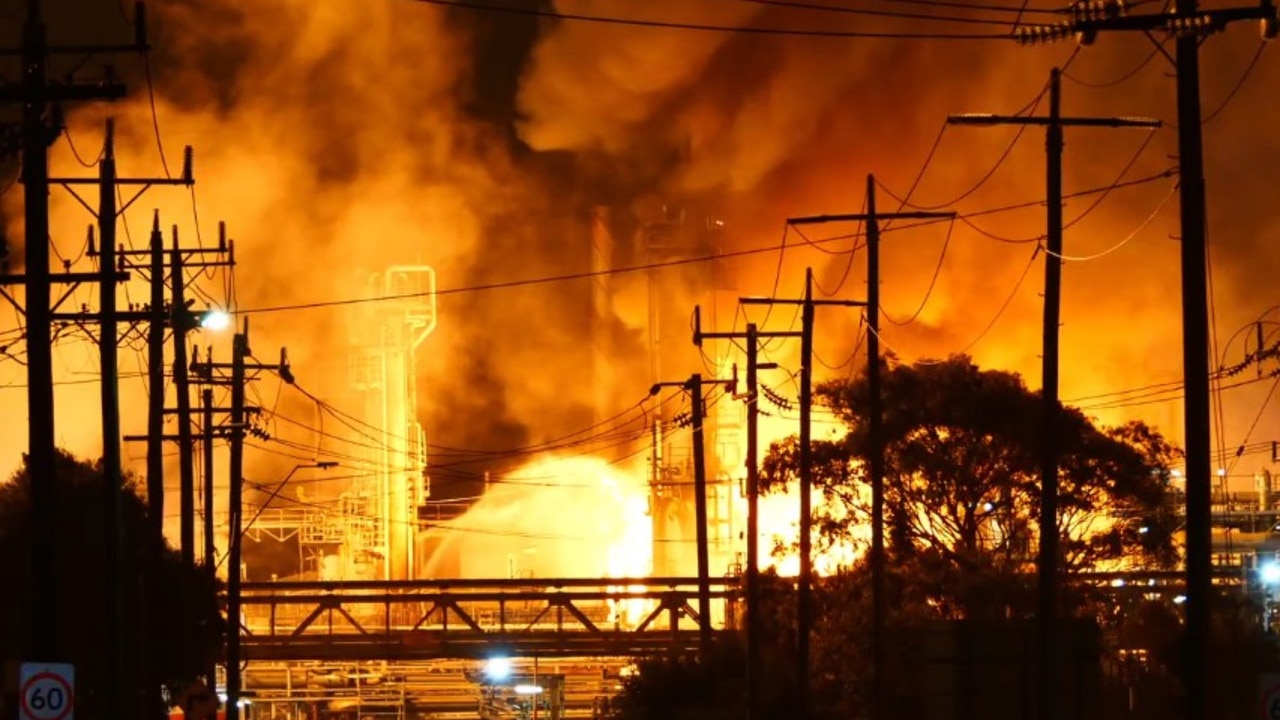
    The strategic Strait of Hormuz became a focal point of escalating Middle East tensions as Iran and Israel engaged in renewed hostilities early Wednesday. Iranian forces reportedly struck a commercial vessel transiting the critical waterway, igniting significant fires and forcing crew evacuation. This attack represents the latest in a series of Iranian actions effectively disrupting cargo traffic through the strait, which facilitates approximately 20% of global oil shipments from the Persian Gulf to international markets.

    Regional defense systems were activated across the Gulf as Kuwaiti forces intercepted eight Iranian drones while Saudi Arabia neutralized five drones targeting its Shaybah oil field. Saudi defense systems additionally destroyed six ballistic missiles launched toward Prince Sultan Air Base, a crucial joint U.S.-Saudi military installation. The United Arab Emirates reported its air defenses actively engaged incoming Iranian projectiles, with officials confirming six fatalities and 122 injuries from sustained attacks.

    The international community moved toward diplomatic action with the U.N. Security Council preparing to vote on a Gulf Cooperation Council-sponsored resolution demanding Iran cease attacks against Arab neighbors. The draft resolution specifically condemns Iranian aggression against Bahrain, Kuwait, Oman, Qatar, Saudi Arabia, the United Arab Emirates, and Jordan.

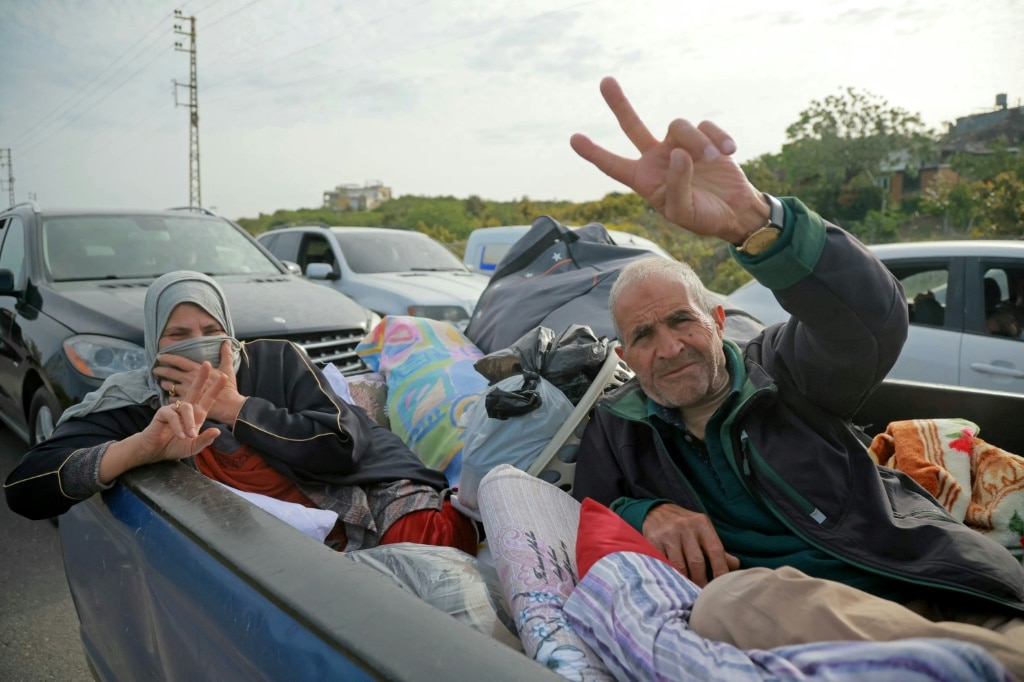
    Concurrently, Israel launched renewed strikes against Tehran and Hezbollah-linked targets in Lebanon, where nearly 500 people have died since hostilities began. Israeli attacks in Beirut’s densely populated Aicha Bakkar district ignited multistory buildings, while strikes in southern Lebanon resulted in multiple casualties including emergency responders.

    The economic ramifications continued to intensify as Brent crude prices maintained a 20% increase since conflict initiation. Saudi Aramco CEO Amin Nasser warned that prolonged disruption to Strait of Hormuz shipping would seriously impact the global economy, reflecting growing concerns about potential long-term energy market instability.