作者: admin

  • Shabby beauty: Inside Japan’s oldest, defiant student dorm

    Shabby beauty: Inside Japan’s oldest, defiant student dorm

    Japan’s oldest student dormitory, Kyoto University’s self-governed Yoshida Dormitory, stands at a critical juncture as students prepare for temporary evacuation by March’s end. This 113-year-old institution, comprising two residential buildings and a graffiti-covered dining hall, represents a radical departure from traditional Japanese educational housing through its commitment to student autonomy and egalitarian principles.

    The dilapidated facility features crumbling clay walls, accumulated debris, and rodent infestations, yet residents cherish it as a sanctuary for free thought and democratic living. Unlike conventional Japanese dormitories that enforce strict hierarchies, Yoshida Dormitory eliminates seniority-based formalities, enabling freshmen to interact equally with senior members. Students collectively manage operations through consensus-based town hall meetings and independently select new residents.

    Monthly rents of merely 2,500 yen ($16) provide crucial housing security for economically disadvantaged scholars. The aging ‘gento’ building, despite its squalid conditions with broken windows, rusty toilets, and pervasive spider webs, serves as the community’s spiritual core where students gather for mahjong, video games, and shisha smoking.

    The dormitory’s history is marked by protracted conflict with university authorities. Fierce 1980s anti-closure protests resulted in arrests and injuries, while renewed tensions emerged in 2017 when Kyoto University declared the structures seismically unsafe. The institution filed lawsuits against resisting students in 2019 before reaching a court-mediated settlement last August.

    Critics, including retired faculty member Masaaki Sakagami, allege renovation plans mask intentions to dismantle the dorm’s self-governance model. ‘A self-governed dorm full of students exercising critical thinking to challenge university authorities is something they want to eliminate,’ Sakagami stated.

    Kyoto University maintains that renovation details ‘are currently under consideration,’ though many fear the historic building’s character will be irrevocably altered. The dorm’s cultural significance extends to its construction materials, reportedly including timber imported from pre-war Japanese-occupied Taiwan—a historical artifact residents believe shouldn’t be erased.

    Alumnus Yuichi Sakamoto, 39, who frequently returns to socialize, expressed concerns: ‘I can easily picture a fence being abruptly erected one day to demolish it for a futuristic structure, which would be dreadful.’ For current resident Masako Ueda, 39, the shabby environment represents cherished humanity: ‘I feel at ease with this place. It’s steeped in humanity—a squeaky-clean place feels lifeless to me.’

  • Seoul says can deter threats from North if US weapons shifted to Mideast

    Seoul says can deter threats from North if US weapons shifted to Mideast

    South Korean defense officials have declared their nation’s military readiness remains uncompromised despite reports of potential redeployment of US missile defense assets to the Middle East. The statement from Seoul’s Ministry of Defense comes amid speculation that components of the Terminal High Altitude Area Defense (THAAD) system might be transferred from the Korean Peninsula to address escalating tensions in the Persian Gulf region.

    Citing anonymous sources, The Washington Post recently indicated that the United States military command was considering relocating elements of its advanced anti-missile infrastructure from South Korea to strengthen Middle Eastern defenses. The THAAD system, operational in South Korea since 2017, represents a critical component of the regional security architecture designed to counter ballistic missile threats from North Korea.

    Defense Ministry representatives emphasized that South Korea’s independent military capabilities, combined with the existing US force presence of approximately 28,500 troops, ensure continuous deterrence against potential northern aggression. The ministry’s official communication stated that regardless of specific asset deployments, the nation’s defensive posture remains robust and fully operational.

    The possible redeployment has generated complex diplomatic considerations. While President Lee Jae Myung’s administration expressed formal opposition to the potential movement of defense systems, officials simultaneously acknowledged limited influence over ultimate US decision-making regarding military asset allocation. This delicate balance reflects the intricate nature of the US-South Korea security partnership.

    Photographic evidence published by Yonhap news agency appeared to show dismantling activities at the THAAD installation in Seongju County, approximately 220 kilometers south of Seoul. Presidential officials cautioned against speculative reporting on sensitive military matters, emphasizing the importance of maintaining strategic relationships with Middle Eastern partners while protecting national security interests.

    The THAAD system’s technological sophistication enables it to intercept short, medium, and intermediate-range ballistic missiles through hit-to-kill technology. Its original deployment in 2017 provoked significant diplomatic friction with China, which viewed the advanced system as a regional security threat, demonstrating the complex geopolitical implications of missile defense positioning.

  • South Korea confirms US moving air defence systems to the Middle East

    South Korea confirms US moving air defence systems to the Middle East

    South Korean President Lee Jae Myung has publicly acknowledged that the United States intends to reposition air defense assets from the Korean Peninsula to the Middle East, marking a significant shift in regional security priorities. During a cabinet meeting on Tuesday, President Lee expressed opposition to the withdrawal of these systems but conceded that Seoul’s ability to prevent the move remains limited.

    This development represents the first official confirmation that Washington is reallocating vital missile defense capabilities from East Asia to address escalating tensions with Iran. According to initial reports by The Washington Post, the Pentagon is specifically relocating components of a Terminal High Altitude Area Defense (THAAD) system from South Korea.

    The strategic repositioning occurs despite South Korea’s status as a key U.S. ally facing ongoing threats from nuclear-armed North Korea. The two nations maintain substantial economic ties, with South Korea ranking as America’s sixth-largest trading partner—economic relations that far surpass U.S. commercial links with Israel, Turkey, or Gulf states.

    This marks not the first instance of the U.S. diverting defensive resources in response to Iranian missile capabilities. Turkey recently confirmed additional Patriot battery deployments to Malatya province following Iranian missile attacks. Middle East Eye reported these systems were transferred from NATO’s Ramstein base in Germany, with analysts suggesting Iranian missiles may have been testing Turkish air defenses near critical NATO radar installations.

    The redistribution underscores increasing strain on U.S. military resources as Middle Eastern partners request additional air defense interceptors. Some Gulf analysts have begun questioning the effectiveness of U.S. military presence in the region despite ongoing attacks from Iran.

    This strategic reallocation presents a paradox given the Trump administration’s previous commitments to disengage from Middle Eastern conflicts. The move also contrasts with defense policy recommendations from officials like Under Secretary Eldridge Colby, who advocated for reducing Middle East commitments to better focus on strategic competition with China.

  • Iran keeps up pressure on oil infrastructure as concerns of global energy crisis grow

    Iran keeps up pressure on oil infrastructure as concerns of global energy crisis grow

    The strategic Strait of Hormuz became a focal point of escalating Middle East tensions as Iran and Israel engaged in renewed hostilities early Wednesday. Iranian forces reportedly struck a commercial vessel transiting the critical waterway, igniting significant fires and forcing crew evacuation. This attack represents the latest in a series of Iranian actions effectively disrupting cargo traffic through the strait, which facilitates approximately 20% of global oil shipments from the Persian Gulf to international markets.

    Regional defense systems were activated across the Gulf as Kuwaiti forces intercepted eight Iranian drones while Saudi Arabia neutralized five drones targeting its Shaybah oil field. Saudi defense systems additionally destroyed six ballistic missiles launched toward Prince Sultan Air Base, a crucial joint U.S.-Saudi military installation. The United Arab Emirates reported its air defenses actively engaged incoming Iranian projectiles, with officials confirming six fatalities and 122 injuries from sustained attacks.

    The international community moved toward diplomatic action with the U.N. Security Council preparing to vote on a Gulf Cooperation Council-sponsored resolution demanding Iran cease attacks against Arab neighbors. The draft resolution specifically condemns Iranian aggression against Bahrain, Kuwait, Oman, Qatar, Saudi Arabia, the United Arab Emirates, and Jordan.

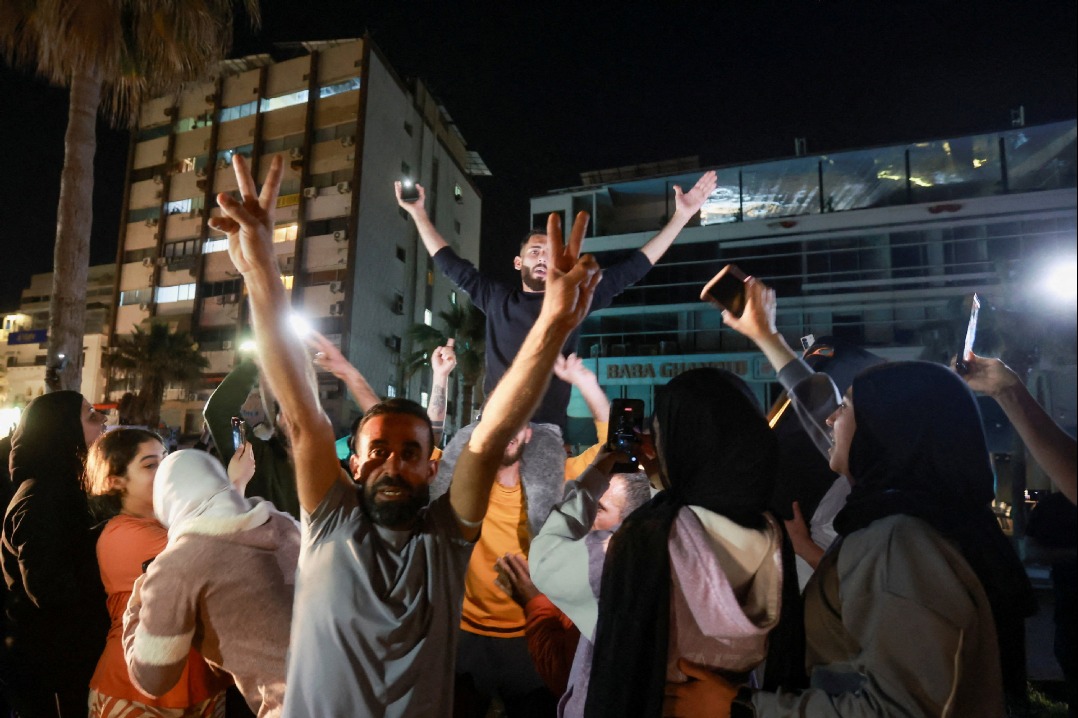
    Concurrently, Israel launched renewed strikes against Tehran and Hezbollah-linked targets in Lebanon, where nearly 500 people have died since hostilities began. Israeli attacks in Beirut’s densely populated Aicha Bakkar district ignited multistory buildings, while strikes in southern Lebanon resulted in multiple casualties including emergency responders.

    The economic ramifications continued to intensify as Brent crude prices maintained a 20% increase since conflict initiation. Saudi Aramco CEO Amin Nasser warned that prolonged disruption to Strait of Hormuz shipping would seriously impact the global economy, reflecting growing concerns about potential long-term energy market instability.

  • Kast to take office as Chile marks its sharpest shift to the right since dictatorship

    Kast to take office as Chile marks its sharpest shift to the right since dictatorship

    SANTIAGO, Chile — José Antonio Kast assumed Chile’s presidency on Wednesday, initiating the nation’s most dramatic conservative transformation since its democratic restoration in 1990. The Trump-inspired leader of the Chilean Republican Party secured a decisive December victory against communist contender Jeannette Jara, capitalizing on public demand for stringent crime prevention measures and controlled immigration policies.

    The 60-year-old lawyer assumes power amid escalating great power competition in Latin America. Analysts note his administration faces immediate pressure to navigate between the United States seeking regional influence reassertion and China, which remains Chile’s primary trading partner. Mariano Machado, Verisk Maplecroft analyst, observes that “U.S.-China rivalry in Latin America has moved from rhetoric to implementation.”

    Kast’s diplomatic orientation became evident through recent overtures to Trump’s administration, including praise for U.S. operations targeting former Venezuelan leader Nicolás Maduro. Tensions with outgoing President Gabriel Boric culminated in an unprecedented suspension of transition proceedings following disputes over a Chinese submarine cable project that drew vehement U.S. opposition.

    The new president’s agenda reflects his alignment with regional right-wing leaders, evidenced by his participation in Miami’s “Shield of the Americas” summit alongside El Salvador’s Nayib Bukele and Argentina’s Javier Milei. University of Chile analyst Gilberto Aranda notes “a very significant alignment of Chile with directives emanating from Washington.”

    Domestically, Kast’s victory signals a stark reversal from his 2021 runoff loss to Boric. While his previous opposition to abortion and same-sex marriage—coupled with favorable references to Augusto Pinochet’s legacy—proved politically untenable, his hardline security platform ultimately resonated with approximately 60% of voters. The electorate demonstrated heightened concern over organized crime surges and unfulfilled expectations from the previous administration.

    Aranda identifies “a sense of emergency, particularly in security” as the defining theme of Kast’s governance framework, with immigration and economic concerns “framed within this narrative of social decline.” The president has pledged to emulate Bukele’s crime-fighting tactics, criminalize illegal immigration, intensify deportations, and install physical barriers along national borders.

    Administrative challenges await Kast’s divided government, which must secure congressional cooperation for legislative priorities. Machado emphasizes that “volume, traction and clear direction in the first 100 days” will determine political establishment alignment. The abrupt transition suspension—an unprecedented democratic precedent—risks polarizing governance and complicating parliamentary negotiations from the outset.

  • Trump-Infantino ‘bromance’ tested by Middle East war

    Trump-Infantino ‘bromance’ tested by Middle East war

    The strategic partnership between FIFA President Gianni Infantino and former U.S. President Donald Trump faces unprecedented strain amid escalating Middle East conflicts, creating complex challenges for world football’s governing body just months before the 2026 World Cup.

    Since their simultaneous rise to power in 2016, Infantino and Trump have cultivated a highly visible alliance characterized by mutual political and economic interests. The relationship intensified following Trump’s electoral return to the White House in January 2025, with the North American World Cup hosting partnership between the United States, Canada, and Mexico providing substantial common ground.

    Infantino’s frequent White House visits and participation in diplomatic missions to Qatar and Saudi Arabia demonstrated the depth of this geopolitical collaboration. In a notable display of their bond, FIFA established its own Peace Prize that Infantino presented to Trump during December’s World Cup draw in Washington—a move interpreted by observers as strategic flattery after the president failed to secure the Nobel Peace Prize.

    According to Raphael Le Magoariec, a French political scientist specializing in Gulf sports politics, ‘Infantino’s approach remains fundamentally driven by economic calculus rather than human rights considerations or international law compliance. The current conflict dynamic fundamentally contradicts the narrative both leaders had carefully constructed.’

    The expanded 48-team tournament format promises record-breaking commercial returns, with FIFA projecting $11 billion in revenue for the 2023-2026 cycle. An anonymous football governance insider noted: ‘Infantino’s pragmatism, while seemingly excessive, remains rational. His primary objective remains delivering a successful World Cup, and he perceives Trump as essential to achieving that goal.’

    Geopolitical complications have emerged as the conflict impacts key FIFA partners Qatar and Saudi Arabia—nations that have become central to global football’s economy through their World Cup hosting ambitions. Saudi Arabia will host the 2034 tournament following Qatar’s 2022 event.

    Sports geopolitics expert Simon Chadwick of EM Lyon Business School suggests Iran’s potential withdrawal would carry minimal commercial consequences for FIFA but would provide Trump’s administration with ‘ideal grounds to project their preferred image and values.’ Consequently, most analysts anticipate the Infantino-Trump alliance will endure, with FIFA likely prioritizing its relationship with American leadership over principled stands on international conflicts.

  • Kharg Island: Iran’s vital oil hub in the crosshairs?

    Kharg Island: Iran’s vital oil hub in the crosshairs?

    Amid escalating Middle East conflicts, Iran’s Kharg Island has emerged as a critical strategic vulnerability. This scrub-covered landmass situated approximately 30 kilometers off Iran’s coast processes approximately 90% of the nation’s crude oil exports through its terminal facilities. Recent reports indicate U.S. officials have contemplated seizing this vital infrastructure as regional hostilities persist.

    Analysts from JP Morgan emphasize that any military action against Kharg Island would immediately halt the majority of Iran’s petroleum exports, potentially triggering severe retaliatory measures. Such escalation could significantly impact maritime traffic through the Strait of Hormuz, where approximately one-fifth of global crude oil and liquefied natural gas typically transit.

    Despite Iran’s development of alternative export capabilities, including the 2021 inauguration of the Jask terminal outside the Strait of Hormuz chokepoint, Kharg remains economically indispensable. The facility represents a cornerstone of Iran’s economy and generates substantial revenue for the Iranian Revolutionary Guard.

    Military experts caution that operations against the island would present extraordinary challenges. Farzin Nadimi, senior fellow at the Washington Institute for Near East Policy, characterizes potential seizure attempts as “very risky,” noting Iran’s extensive wartime experience with alternative distribution methods and capacity for rapid counter-escalation against regional energy infrastructure.

    The historical context reveals Kharg Island’s strategic significance has been discussed in Washington since the 1979 hostage crisis. While some political figures advocate for targeting Iran’s energy sector to cripple its economy, most analysts consider large-scale military operations against the island’s extensive network of pipelines, storage tanks, and loading facilities as logistically formidable and strategically perilous.

  • War in the Middle East: latest developments

    War in the Middle East: latest developments

    The Middle East conflict entered a dangerous new phase on March 10, 2026, with multiple fronts witnessing significant military escalation and consequential global economic repercussions.

    Maritime security agencies reported an unidentified projectile striking a commercial container vessel near the United Arab Emirates coastline. While crew safety was confirmed, the incident raised alarms about shipping security in critical Gulf waters. This development coincided with Iran’s Revolutionary Guards launching what state media described as “the most intense and heaviest” missile barrage since the conflict’s inception, targeting multiple Israeli population centers including Tel Aviv, Haifa, and areas referred to as “West Jerusalem.”

    Regional defenses were simultaneously activated as Saudi Arabian forces intercepted six ballistic missiles directed toward Prince Sultan Air Base, plus additional projectiles and fifteen drones aimed at energy infrastructure. In a significant escalation, Iranian news agencies reported missile strikes targeting a United States military installation in Kuwait, though Kuwaiti authorities remained silent on these claims.

    The United States military responded with force, destroying sixteen Iranian mine-laying vessels near the strategically vital Strait of Hormuz. This action followed explicit warnings from President Donald Trump against Iranian attempts to mine the crucial shipping channel.

    Global energy markets reacted violently to the developments. Brent Crude and West Texas Intermediate both declined substantially following reports that the International Energy Agency proposed its largest-ever strategic petroleum reserve release to stabilize prices. Market volatility was further exacerbated when the U.S. Energy Secretary’s social media account posted and subsequently deleted claims about American tanker escorts through the Strait of Hormuz.

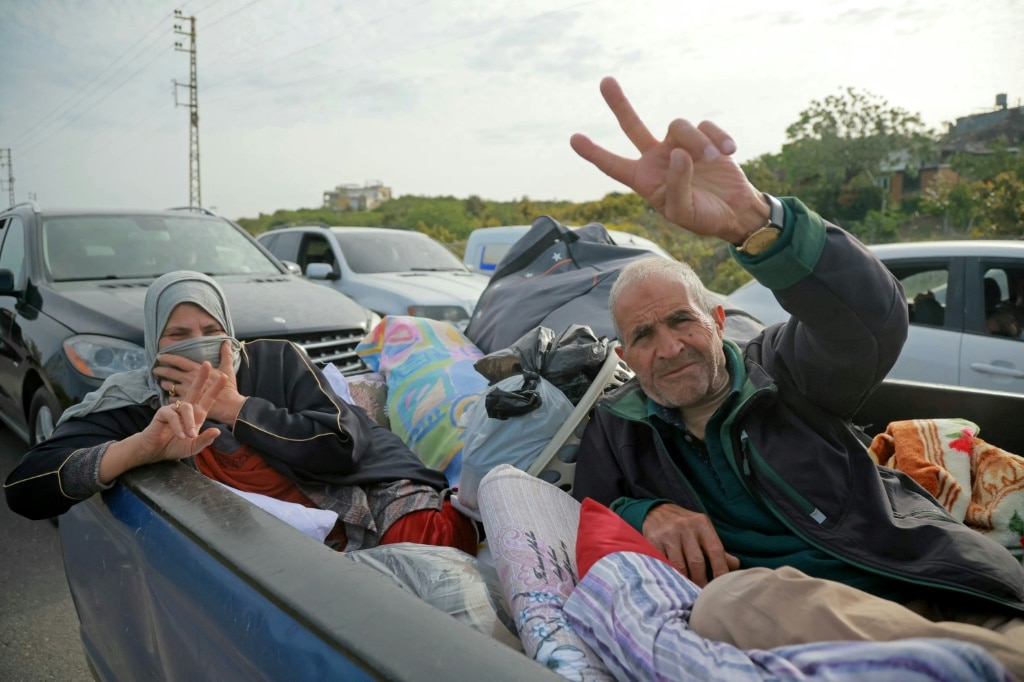
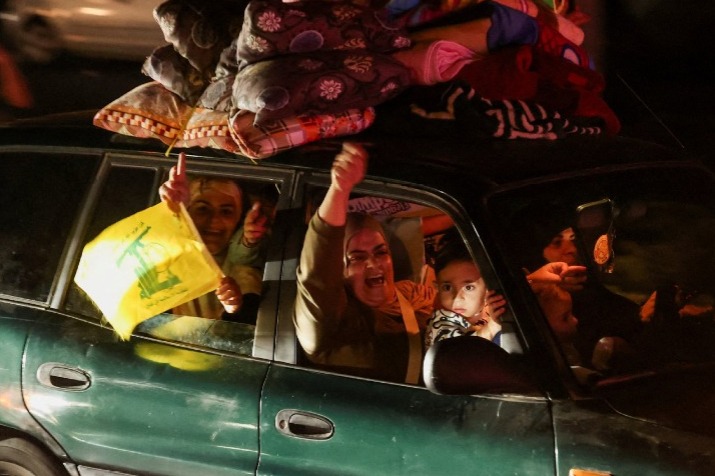
    Humanitarian dimensions expanded as Lebanese authorities reported nearly 760,000 displaced persons following fresh Israeli strikes on Beirut’s southern suburbs and southern Lebanon. The Pentagon disclosed approximately 140 U.S. military personnel have been wounded in attacks, supplementing previously reported casualties.

    Diplomatic tensions intensified with Iran accusing Israel of killing four diplomats in a Beirut hotel strike, labeling it a “terrorist attack.” Israel maintained it targeted “key commanders” of Iran’s Quds Force. Meanwhile, Iran’s parliamentary speaker explicitly rejected ceasefire possibilities, declaring that the United States and Israel must be “taught a lesson.”

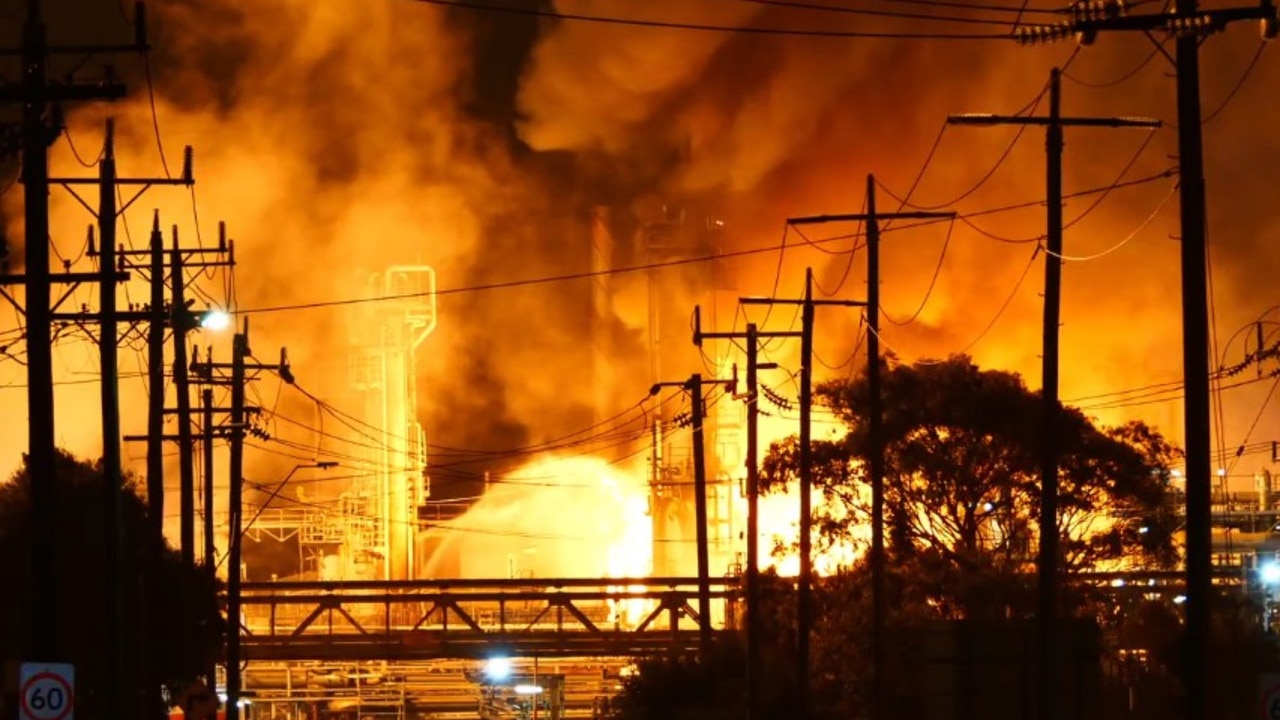
    Additional developments included cybersecurity concerns as Israel reported Iranian breaches into security cameras, Iran announcing arrests of alleged spies, and the temporary shutdown of one of the world’s largest oil refineries in the UAE following drone attacks. The conflict also prompted Ukrainian drone experts to assist Gulf defenses and saw additional members of Iran’s women’s football team seek asylum abroad after political protests.

  • Inside the Australian hotel where Iranian footballers escaped to claim asylum

    Inside the Australian hotel where Iranian footballers escaped to claim asylum

    In a dramatic development during the AFC Women’s Asian Cup in Australia, seven members of Iran’s national football team have sought political asylum following their elimination from the tournament, exposing the complex political pressures facing female athletes from the Islamic Republic.

    The situation unfolded at the team’s Gold Coast hotel where journalists initially observed players interacting unexpectedly with members of Queensland’s Iranian diaspora community. This casual interaction stood in stark contrast to previous reports suggesting players were under constant surveillance and denied internet access.

    The defection plans materialized against a backdrop of intense scrutiny after Iranian state media labeled players ‘traitors’ for initially refusing to sing the national anthem during early tournament matches. The subsequent reversal of this stance in later games suggested possible coercion, raising concerns about potential repercussions upon their return to Iran.

    On Monday evening, five players executed a carefully coordinated escape during iftar, the meal breaking Ramadan fasts. Fatemeh Pasandideh, Zahra Ghanbari, Zahra Sarbali, Atefeh Ramazanzadeh, and Mona Hamoudi successfully obtained humanitarian visas within hours. Two additional team members—player Mohaddeseh Zolfi and support staff Zahra Soltan Meshkeh Kar—later joined them, though one subsequently reconsidered her decision.

    Australian Immigration Minister Tony Burke confirmed the government’s approach respected individual autonomy, stating: ‘In Australia people are able to change their mind. We respect the context in which she had made that decision.’

    The operation involved extensive coordination between Australian Federal Police, immigration officials, and Iranian-Australian activists who worked to counter misinformation from Iranian officials accompanying the team. Activists provided crucial support at stadiums and through digital communication channels, despite players’ limited internet access.

    While former U.S. President Donald Trump publicly claimed credit for influencing Australia’s response, government officials revealed that delicate operations had been underway for days. Minister Burke described ‘very late night conversations’ with players who were able to move relatively freely within the hotel despite reports of strict surveillance.

    The remaining team members departed Australia on Tuesday night amid emotional protests at airports, returning to an uncertain future in Iran while their former teammates begin new lives in Australia.

  • Trump: US Navy sank unarmed Iran ship because it was ‘more fun’

    Trump: US Navy sank unarmed Iran ship because it was ‘more fun’

    Former President Donald Trump has sparked international condemnation by openly admitting that the U.S. Navy deliberately sank an unarmed Iranian frigate in the Indian Ocean simply because it was “more fun” than capturing the vessel. The March 4 attack on IRIS Dena resulted in the deaths of 104 Iranian sailors and injured 32 others, according to Iran’s state media.

    The warship was returning from the Milan Peace 2026 naval exercises hosted by India when an American submarine torpedoed it approximately 2,000 miles from the Persian Gulf. Both Iranian and Indian officials have confirmed the vessel was unarmed and operating in a purely ceremonial capacity during the multinational drills.

    During a gathering hosted by the Congressional Institute, Trump recounted his conversation with military officials about the incident. He expressed initial frustration about destroying what he called a “top-of-the-line” vessel, questioning why they didn’t capture it instead. According to Trump, an unidentified official responded that sinking ships was “more fun” and “safer,” prompting laughter from both the audience and the former president.

    The incident has been described by political commentator Adam Schwarz as “the most blasé admission of a war crime by a US president in history.” International law experts note that while attacking military ships might technically be legal under naval warfare rules, the stated motivation of doing it for “fun” raises serious ethical and legal concerns.

    Phyllis Bennis of the Institute for Policy Studies emphasized that failing to rescue survivors constitutes a clear violation of the Second Geneva Convention. The 32 survivors and numerous bodies were eventually recovered by a Sri Lankan joint rescue operation following a distress call.

    The attack occurs within the broader context of escalating US-Israel military actions against Iran that have reportedly killed at least 1,255 people, including 200 children and 11 healthcare workers. Defense Secretary Pete Hegseth has previously stated the US would not abide by “stupid rules of engagement” in the campaign against Iran.

    Journalist Mark Ames characterized the attack as demonstrating “sadistic pleasure” in tormenting those who can’t fight back. Bennis further argued that the entire US campaign against Iran represents the “supreme international crime” of aggression under Nuremberg principles, as it lacks UN Security Council authorization or justification as self-defense.