作者: admin

  • Australian shares hit three-month low as oil prices and rate fears spook market

    Australian shares hit three-month low as oil prices and rate fears spook market

    Australia’s financial markets experienced a significant downturn on Monday, with the benchmark ASX 200 index closing at its lowest level in three months. The sell-off was driven by mounting concerns over escalating global oil prices and anticipations of consecutive interest rate increases by the Reserve Bank of Australia.

    The ASX 200 declined by 33.70 points (0.39%) to settle at 8583.40, while the broader All Ordinaries index dropped 45.70 points (0.52%) to 8793.40. Market sentiment remained cautious as the Australian dollar traded at 70.07 US cents, with five out of eleven sectors finishing in negative territory and 116 ASX-listed companies closing lower.

    The energy sector emerged as the sole outperformer, benefiting from the ongoing surge in crude oil prices. Brent Crude exceeded $106 per barrel over the weekend before moderating to $104.63 during afternoon trading—representing a staggering 40% increase since the onset of recent geopolitical tensions. This rally propelled energy giants Woodside Petroleum (+1.90% to $31.63) and Santos (+2.12% to $7.69) higher.

    Conversely, major mining corporations faced substantial selling pressure, with BHP declining 1.22% to $49.19, Rio Tinto dropping 2.02% to $154.70, and Fortescue Metals slumping 3.86% to $19.69. Technology stocks similarly struggled, as WiseTech Global (-1.98%), Xero (-1.92%), and Technology One (-2.61%) all recorded losses.

    Market participants are increasingly pricing in a 70% probability of interest rate hikes following the RBA’s March meeting. According to BetaShares chief economist David Bassanese, monetary markets are preparing for back-to-back increases in March and May, potentially elevating the cash rate from 3.60% to 4.25%—effectively reversing the anticipated 2025 rate cuts.

    Individual stock movements showed notable divergence. Macquarie Group shares fell 0.69% following regulatory penalties, while Lynas Rare Earths gained 1.40% after securing a letter of interest from the US Department of Defense. Reliance Worldwide Corporation surged 6.85% on news of a $120 million share buyback, whereas IperionX collapsed 22.24% after releasing half-year results.

  • Group photo of Iran football team ‘unwise’ as asylum rejected, Liberals warn

    Group photo of Iran football team ‘unwise’ as asylum rejected, Liberals warn

    A photograph featuring Australian Home Affairs Minister Tony Burke alongside members of Iran’s women’s football team has ignited a significant political dispute regarding asylum procedures and diplomatic sensitivity. The image, initially shared on Minister Burke’s social media platforms, depicted five athletes who had recently been granted asylum after reportedly separating from Iranian regime handlers with police assistance.

    The controversy intensified when five of the seven initially protected individuals subsequently reversed their asylum claims and departed Australia. According to reports, the majority of the team is currently situated in Southeast Asia awaiting return to Iran once security conditions permit. Only two players, including Fatemeh Pasandideh who recently posted optimistic images from Brisbane’s waterfront, have remained in Australia.

    Liberal Senator Jonathon Duniam characterized the minister’s decision to publicize the photograph as “unwise,” suggesting that the heightened public attention may have compromised the athletes’ safety and decision-making autonomy. While acknowledging the government’s appropriate efforts in securing initial asylum, Senator Duniam emphasized that “discretion no longer mattered” in the handling of this sensitive situation.

    Minister Burke defended the government’s approach in an official statement, noting that officials provided repeated opportunities for the players to reconsider their options. He emphasized that while Australia could offer safe alternatives, the complex context of the players’ decisions remained beyond governmental control. Assistant Employment Minister Patrick Gorman further supported Burke’s actions, highlighting the importance of preserving the individuals’ agency in determining their futures.

    Reports from Iran’s diaspora community suggest that regime associates managed to establish contact with team members while they were housed in Australian safe facilities, potentially influencing their ultimate decision to return. Senator Duniam acknowledged these coercion attempts had “sadly worked,” describing the outcome as a “heartbreaking turn of events” that underscored the challenging dynamics facing athletes from authoritarian regimes.

  • Ten killed in fire at India hospital intensive care unit

    Ten killed in fire at India hospital intensive care unit

    A devastating overnight fire at SCB Medical College and Hospital in Cuttack, Odisha has resulted in ten fatalities, with all victims confirmed as patients receiving treatment in the trauma care intensive care unit. The blaze, which ignited approximately at 02:30 local time on Monday (21:00 GMT Sunday), is preliminarily attributed to an electrical short circuit.

    State Chief Minister Mohan Charan Majhi confirmed that eleven hospital staff members sustained burn injuries during heroic rescue attempts to evacuate patients from the rapidly spreading flames. These personnel, including medical staff and security, reportedly ‘risked their lives’ during the emergency operation according to the Chief Minister’s statements to press representatives.

    The fire primarily affected the trauma care ICU while also spreading to adjacent intensive care units and patient wards. Emergency response teams successfully brought the conflagration under control, with evacuated patients relocated to other departments within the same medical facility—one of Odisha’s largest government-run hospitals.

    This incident represents the latest in a series of tragic hospital fires across India. Historical precedents include last October’s ICU fire in Rajasthan that killed six critically ill patients, the 2024 neonatal ICU blaze in Jhansi that claimed ten newborn lives, and separate 2021 fires in Virar and Maharashtra that resulted in 13 COVID-19 patient fatalities and 10 infant deaths respectively.

    The Odisha state government has announced financial compensation for victims’ families and initiated a judicial inquiry into the incident. Chief Minister Majhi pledged strict action against any parties determined responsible for the tragedy.

    Electrical short circuits remain a predominant cause of hospital fires throughout India, with medical facilities presenting particular vulnerability due to extensive electrical equipment, oxygen systems, and the inherent challenges of evacuating immobile patients during emergencies.

  • How Poland went from post-Communist wreck to one of the world’s 20 biggest economies

    How Poland went from post-Communist wreck to one of the world’s 20 biggest economies

    POZNAN, Poland (AP) — In a remarkable economic transformation spanning just one generation, Poland has evolved from a nation rationing basic commodities to Europe’s standout growth story. The country’s economy has now surpassed Switzerland to claim the world’s 20th largest position with annual output exceeding $1 trillion.

    This historic ascent from the post-Communist era of 1989-90 has captured global attention, with economists highlighting Poland’s success as a model for delivering widespread prosperity. The Trump administration has notably advocated for Poland’s inclusion at the upcoming G20 summit, recognizing its economic significance.

    The transformation manifests in professionals like Joanna Kowalska, an engineer who returned to Poland after five years working for Microsoft in the United States. “I feel we’re ahead of the United States in so many areas,” Kowalska remarked from her position at the Poznan Supercomputing and Networking Center, where she contributes to Poland’s first artificial intelligence factory integrated with a quantum computer.

    Economic data reveals the scale of Poland’s achievement: Per capita GDP has skyrocketed from $6,730 in 1990 to $55,340 in 2025, now representing 85% of the EU average compared to just 38% three decades ago. Since joining the European Union in 2004, Poland has maintained an average annual growth rate of 3.8%, significantly outpacing the European average of 1.8%.

    According to Marcin Piątkowski of Warsaw’s Kozminski University, this economic miracle resulted from multiple factors rather than a single solution. Critical elements included establishing robust institutional frameworks featuring independent courts, anti-monopoly agencies, and strong banking regulations that prevented economic hijacking by oligarchs.

    The country benefited enormously from EU aid and access to the single market, but most importantly maintained cross-political consensus on EU integration. “Poles knew where they were going,” Piątkowski noted. “Poland downloaded institutions and rules that the West spent 500 years developing.”

    Communism’s paradoxical legacy included breaking down social barriers and expanding higher education access, creating an educated workforce that now sees half of young Poles holding degrees—surpassing German educational attainment levels while earning approximately half the wages, creating what economists call “an unbeatable combination” for investors.

    Success stories like Solaris, founded in Poznan in 1996 and now commanding 15% of Europe’s electric bus market, demonstrate Poland’s entrepreneurial spirit. The company’s risky 2011 decision to pioneer electric bus production—when few European manufacturers were experimenting with the technology—exemplifies the innovative thinking driving Poland’s economic advancement.

    Despite these achievements, challenges persist including an aging population, below-EU-average wages, and need for greater global brand development. Poznan Mayor Jacek Jaśkowiak identifies domestic innovation as the next phase of development, emphasizing investment in universities and sophisticated technological activities.

    Economist Katarzyna Szarzec acknowledges that while Poland continues “climbing the ladder of added value,” work remains in addressing urban-rural inequalities, housing affordability, and supporting young families. The country must also recognize the economic contribution of immigrants, particularly millions of Ukrainians who fled the Russian invasion.

    As graduate student Kazimierz Falak, 27, summarized: “Poland has such a dynamic economy, with so many opportunities for development, that of course I am staying. Poland is promising.”

  • Israel steps up campaign in Lebanon, as Iran keeps stranglehold on shipping

    Israel steps up campaign in Lebanon, as Iran keeps stranglehold on shipping

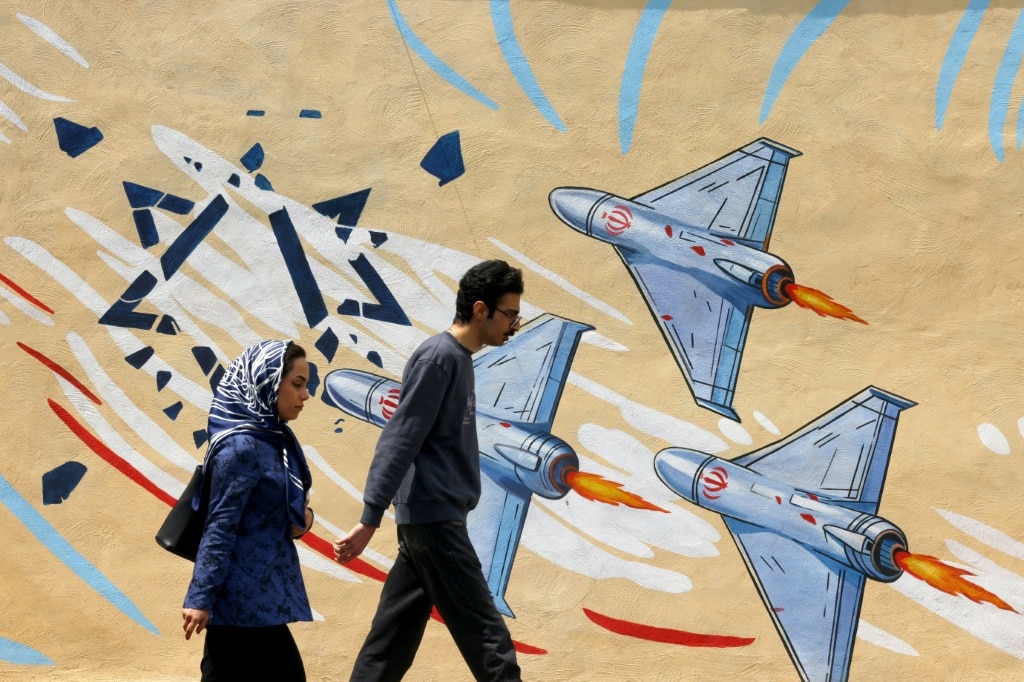
    The Middle East conflict intensified across multiple theaters on Monday, with escalating military actions creating ripple effects across global markets and diplomatic channels. United States and Israeli forces conducted coordinated strikes against military installations in Tehran, while Israel simultaneously escalated its campaign against Iran-backed Hezbollah militants in Lebanon.

    Iran retaliated with precision drone strikes that temporarily shut down Dubai International Airport, a critical global aviation hub, and targeted energy infrastructure across the Gulf region. These developments have dramatically heightened concerns about a potential global energy crisis, particularly regarding the strategic Strait of Hormuz—a vital maritime passageway typically handling 20% of global oil shipments.

    The Iranian offensive against commercial vessels transiting the strait has reduced shipping to a mere trickle, creating severe disruptions to global energy supplies. Brent crude prices surged past $100 per barrel, maintaining elevated levels that threaten broader economic stability. President Donald Trump confirmed he has solicited naval support from approximately seven nations to secure the strategic waterway, though no commitments have materialized thus far.

    Despite the heightened tensions, limited maritime traffic continued with two Indian-flagged vessels and one Pakistani-flagged ship successfully navigating the strait over the weekend according to maritime authorities.

    Israeli operations expanded significantly with pre-dawn strikes on Beirut targeting Hezbollah infrastructure, accompanied by mass evacuation orders affecting over 800,000 Lebanese civilians. Lebanese authorities reported seven fatalities in southern Lebanon, including two paramedics responding to earlier strikes. The conflict has claimed approximately 850 lives in Lebanon to date according to official reports.

    Simultaneously, Israel conducted fresh strikes on Tehran, with explosions reported throughout the Iranian capital and surrounding areas. Iranian Red Crescent officials placed the death toll in Iran at over 1,300, while Israeli military spokesperson Lt. Col. Nadav Shoshani claimed destruction of 85% of Iran’s air defenses and 70% of its missile launchers through approximately 7,600 strikes.

    The economic consequences continue to mount with rising energy and fertilizer prices threatening food security in vulnerable nations and complicating central banks’ efforts to control inflation. President Trump warned that allied nations refusing participation in strait security operations would be remembered, while suggesting a potential postponement of his planned China visit to pressure Beijing into supporting navigation freedom efforts.

    International response remains fragmented with the European Union considering expansion of naval missions to include Hormuz security, though Italian Foreign Minister Antonio Tajani expressed reservations about mandate changes. Japan and Australia both confirmed they haven’t received formal requests for assistance and have no current plans to intervene. British Prime Minister Keir Starmer indicated potential deployment of mine-hunting drones while explicitly stating Britain “will not be drawn into the wider war.”

  • Oscars 2026: Here are all the moments you didn’t see on TV

    Oscars 2026: Here are all the moments you didn’t see on TV

    The 98th Academy Awards ceremony unfolded as a spectacle of cinematic celebration, marked by unprecedented security measures and historic achievements that extended far beyond the television broadcast. Held at Hollywood’s Dolby Theatre, the event showcased both the glamour visible to viewers and numerous behind-the-scenes moments that revealed the true essence of Hollywood’s biggest night.

    Enhanced Security and Ceremonial Transformation
    Los Angeles authorities implemented exceptionally robust security protocols in response to geopolitical tensions stemming from the US-Israel conflict with Iran. The Hollywood area featured layered security perimeters, strategic traffic management, and a conspicuous police presence throughout the venue. SWAT vehicles and protective fencing lined the streets surrounding the typically vibrant Dolby Theatre, creating a fortress-like atmosphere. Media personnel underwent rigorous screening processes, including dual metal detector checks and canine inspections, before accessing the interview rooms where winners would later celebrate.

    The entire Ovation Hollywood shopping center underwent a magical transformation, with large curtains concealing ordinary storefronts to accommodate the extensive red carpet. The pathway to the Dolby Theatre featured towering poles displaying names of previous Best Picture winners, creating a tangible connection to Oscar history.

    Historic Tie and Fact-Checking Tradition
    In a rare occurrence that highlighted the competitive nature of the awards, the Best Short Action Film category resulted in a historic tie—only the sixth in Academy Awards history. Both “The Singers” and “Two People Exchanging Saliva” received the honor, prompting immediate fact-checking by Academy librarians who confirmed the last tie occurred in 2013 for Best Sound Editing (“Skyfall” and “Zero Dark Thirty”).

    Host’s Personal Touch and Speech Moments
    Comedian Conan O’Brien, hosting for the second consecutive year, personalized the experience by placing handwritten notes and snack packages beneath every seat in the Dolby Theatre. His message welcomed nominees and guests with characteristic humor: “These snacks may not look like much but in any movie theater they would run you $85. Good luck tonight, have fun, and remember that loud, enthusiastic laughter is good for your health and my ego.”

    The ceremony maintained its tradition of limiting acceptance speech durations, particularly affecting the creators of “Golden” from the animated film “KPop Demon Hunters.” Despite making history as the first K-pop song to win Best Original Song, the team had to complete their thank-yous backstage, where they expressed gratitude to collaborators including singers Audry Nuna and Rei Ami, IDO members, and producer Teddy Park.

    Groundbreaking Achievements and Representation
    Several winners used their platform to highlight significant milestones in representation and inclusion. Autumn Durald Arkapaw, becoming the first woman to win for Best Cinematography, emphasized the importance of her achievement: “A lot of little girls that look like me will sleep really well tonight because they want to become cinematographers. I know that just being on stage, getting this award, that will change so many girls’ lives because they’ll be inspired when they weren’t before.”

    Meanwhile, Best Supporting Actress winner Amy Madigan (“Weapons”) discussed potential prequel developments for her character Aunt Gladys, noting that while writer-director Zach Cregger had expressed interest, “nothing’s real till it is” in the entertainment industry.

    The backstage atmosphere captured the authentic emotions of winners, from “Frankenstein” production designers celebrating with Oscar statuettes in hand to “Mr Nobody Against Putin” filmmaker Pasha Talankin reliving his documentary feature win by repeatedly reading the announcement envelope. These untelevised moments collectively revealed the human dimension behind the cinematic achievements celebrated throughout the evening.

  • ‘Rollercoaster’: Sandon Smith confirms Fletcher Sharpe’s role as Knights deal with horror injury news

    ‘Rollercoaster’: Sandon Smith confirms Fletcher Sharpe’s role as Knights deal with horror injury news

    The Newcastle Knights face a significant challenge following confirmation that captain Kalyn Ponga and high-profile recruit Dylan Brown will endure extended periods on the sidelines due to injuries sustained during Sunday’s victory over Manly. However, the team has identified a strategic solution by promoting Fletcher Sharpe to the halves for Saturday’s upcoming clash against the Warriors.

    Ponga suffered a high-grade hamstring injury during a scoring play, with medical assessments indicating a recovery timeline of 6-8 weeks depending on his rehabilitation progress. Brown simultaneously sustained an MCL strain during another attacking maneuver, expected to sideline him for approximately four weeks.

    In response to these critical absences, the Knights’ football department has implemented contingency plans. Fletcher Hunt, who demonstrated exceptional capability at fullback following Ponga’s departure during the Manly match, will maintain that position against the Warriors. Meanwhile, Sharpe returns from his own knee injury sustained during the Las Vegas season opener to assume responsibilities in the halves alongside Sandon Smith.

    Knights director of football Chris James emphasized the team’s resilience, stating: ‘Yesterday was a tough, physical contest and the boys showed real grit to come away with a great win. Injuries are part of our game, and the character our group showed to fight through adversity says everything about the culture we are building.’

    Smith, who transitioned from the Sydney Roosters during the off-season, expressed confidence in his new partnership with Sharpe: ‘We’ve trained all through the pre-season together. Sharpey will slot right in the halves, and Fletch Hunt is an awesome fullback who does a massive job for us. That’s next man up mentality.’

    The 21-year-old Smith acknowledged the unpredictable nature of professional rugby league, noting: ‘It’s a massive rollercoaster. A week in rugby league feels like a lifetime, and it’s honestly so true. You always have to stay ready at training and keep putting your best foot forward because you never know what’s going to happen.’

    The restructured Newcastle lineup will make their season debut at McDonald Jones Stadium this weekend, presenting an early test of the team’s depth and adaptability amid challenging circumstances.

  • Filipinas seek abortions online in largely Catholic nation

    Filipinas seek abortions online in largely Catholic nation

    In the predominantly Catholic Philippines, where abortion carries severe criminal penalties, women are increasingly turning to clandestine online networks to terminate pregnancies despite grave health risks. The nation’s strict prohibition drives an underground digital marketplace where unregulated providers operate with impunity, creating a public health crisis that remains largely unaddressed by authorities.

    Jane (pseudonym), a 31-year-old Manila resident, described her traumatic experience with an unlicensed online provider who inserted abortion pills without anesthesia. “It felt like my abdomen was being twisted,” she recounted, adding that she endured months of pain and complications while fearing legal repercussions. Like thousands of Filipinas, Jane sought online solutions due to the absence of legal alternatives, despite the nation’s 2012 Reproductive Health Law theoretically guaranteeing contraceptive access and sex education.

    The Catholic Church maintains absolute opposition to abortion, with Father Dan Cancino of the Catholic Bishops’ Conference stating the institution “will always oppose abortion and its applications” based on preserving human dignity. This religious influence has shaped legislation and healthcare policies, resulting in restricted emergency contraception and allowing medical professionals to refuse services on conscientious grounds.

    Healthcare advocates report alarming consequences: over 250 daily hospitalizations from unsafe abortion complications, with approximately three women dying each day. Junice Melgar of Likhaan Center for Women’s Health notes that even post-abortion care remains inconsistently provided due to providers’ fears of legal consequences, creating “a chilling effect” across the medical community.

    Despite recent parliamentary efforts to investigate online abortion providers, advocates argue criminalization only exacerbates the crisis. Clara Padilla of the Philippine Safe Abortion Advocacy Network emphasizes that most abortion seekers are married women with multiple children facing economic hardship, not the scenarios typically considered in limited exceptions. “People need this healthcare to save their lives,” Padilla asserts, challenging the moral arguments against abortion with practical health concerns.

    As the digital underground expands, women like Jane continue weighing legal risks against desperate circumstances. “When discussing abortion in the Philippines, people forget it’s fundamentally a health issue,” Jane concluded. “This is my body, my health, my life—the decision should be mine.”

  • Myanmar’s parliament meets for first time in 5 years with military controlling most seats

    Myanmar’s parliament meets for first time in 5 years with military controlling most seats

    NAYPYITAW, Myanmar — Myanmar’s political landscape witnessed a significant development on Monday as the nation’s parliamentary chambers reconvened for the first time in over five years. This legislative resurrection follows controversial elections conducted during December and January that excluded major opposition factions, effectively cementing military dominance within the government structure.

    The military establishment, which orchestrated a forceful takeover from Aung San Suu Kyi’s democratically elected government in February 2021, has governed without legislative oversight until now. The recently concluded electoral process was promoted by authorities as a transitional step toward democratic normalization, though international observers have questioned its legitimacy.

    Statistical analysis reveals the military and its political allies command nearly 90% of seats across both parliamentary chambers. This overwhelming majority was achieved through the systematic exclusion of Myanmar’s primary opposition parties, including Suu Kyi’s National League for Democracy, which either faced disqualification or voluntarily abstained from participating due to perceived unfair electoral conditions.

    The ceremonial commencement of the 373-seat lower house proceeded under stringent security measures in the capital city. Roads surrounding the parliamentary complex, recently renovated following earthquake damage, were sealed by security personnel who conducted thorough vehicle inspections for potential explosives. Delegates adorned in traditional attire participated in the opening session amid this heightened security environment.

    The 213-seat upper house is scheduled to convene on Wednesday, with regional parliamentary sessions following within 48 hours. Constitutional provisions drafted by the military reserve 166 of the 586 combined parliamentary seats for military appointment, while the Union Solidarity Development Party secured 339 additional seats. The remaining positions were distributed among 21 minor parties, each obtaining between one and twenty seats.

    This parliamentary reconstitution occurs against the backdrop of escalating civil conflict triggered by the 2021 coup. United Nations Special Rapporteur Tom Andrews has explicitly urged the global community to reject both the electoral outcomes and subsequent power distribution arrangements. Meanwhile, an opposition shadow parliament comprising lawmakers barred from assuming their positions in 2021 conducted parallel proceedings online, asserting its legitimacy as Myanmar’s true legislative body.

  • Trump suggests he may delay China trip as he pressures Beijing for help with Strait of Hormuz

    Trump suggests he may delay China trip as he pressures Beijing for help with Strait of Hormuz

    WASHINGTON — President Donald Trump has indicated a potential postponement of his scheduled state visit to China, leveraging diplomatic pressure on Beijing to contribute naval assets to secure the Strait of Hormuz amidst escalating tensions with Iran. In a Sunday interview with the Financial Times, Trump emphasized China’s strategic dependence on Middle Eastern oil exports as justification for participating in a multinational coalition to safeguard critical oil shipping routes.

    The geopolitical landscape has undergone significant transformation following recent U.S.-Israeli military operations against Iran, which triggered substantial disruptions in global oil flows and consequent price surges. Trump explicitly connected Chinese cooperation to the timing of his anticipated meeting with President Xi Jinping, stating authorities would ‘like to know’ Beijing’s position before proceeding with travel arrangements.

    This diplomatic maneuvering occurs alongside ongoing trade negotiations between U.S. Treasury Secretary Scott Bessent and Chinese Vice Premier He Lifeng, who convened Monday in Paris to discuss bilateral economic concerns. While both nations maintain a temporary tariff truce, the potential cancellation of presidential talks could reignite trade tensions that have previously threatened global economic stability.

    The administration’s evolving stance on Hormuz security reflects practical challenges after initial assertions of unilateral U.S. naval escorts for oil tankers. With no nations yet formally committing military resources to the proposed coalition, Trump revealed discussions with approximately seven countries regarding potential participation while specifically highlighting China’s distinctive strategic position due to its substantial energy import requirements.

    Economic implications extend beyond diplomacy as rising oil prices affect American consumers during the midterm election season. Concurrently, China faces domestic economic pressures having recently revised its 2026 growth projections downward to 4.5-5%, representing its slowest anticipated expansion in decades. prolonged Strait of Hormuz disruptions could further strain Beijing’s economic planning.

    The Chinese Embassy in Washington offered measured response to coalition proposals, emphasizing the international community’s shared interest in regional stability without committing to military involvement. A spokesperson noted China’s continued communication with conflict participants while positioning the nation as a constructive partner for de-escalation efforts.