作者: admin

  • Sino-US trade talks seen as key to stability

    Sino-US trade talks seen as key to stability

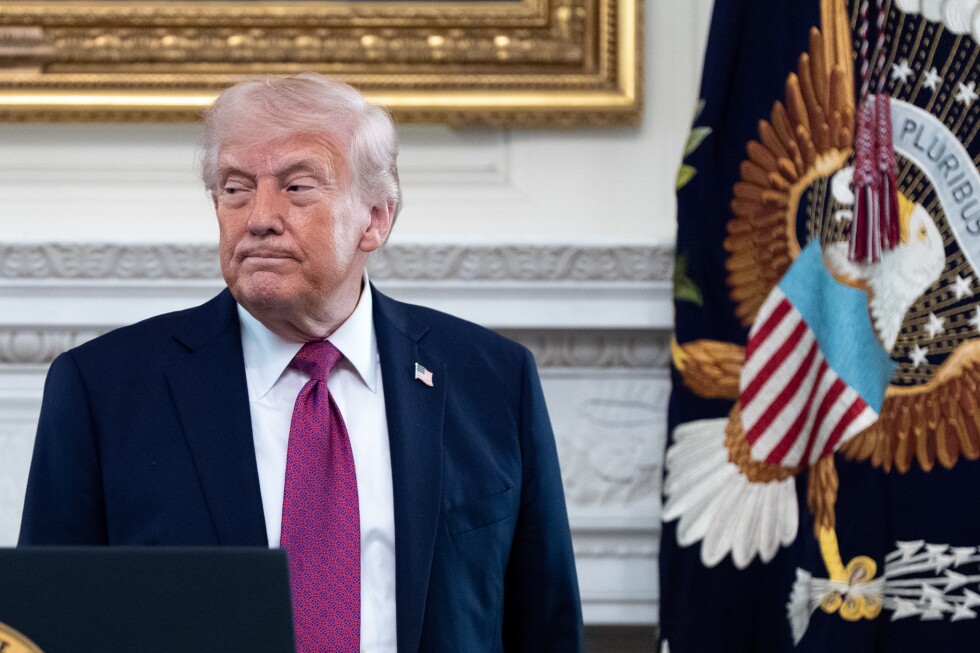
    PARIS – High-stakes economic discussions between Chinese and American delegations commenced in Paris on Saturday, marking a critical juncture for preserving the delicate stability achieved between the world’s two largest economies. Vice-Premier He Lifeng is leading the Chinese contingent in these negotiations, which are scheduled to continue through Tuesday at the Organization for Economic Cooperation and Development headquarters.

    This sixth round of bilateral trade consultations follows five previous sessions conducted between May and October last year that successfully de-escalated tensions and averted a full-scale trade conflict. According to analysts monitoring the negotiations, both nations must demonstrate good faith and mutual compromise to build upon existing consensus rather than introducing new barriers to progress.

    The talks occur against a complex backdrop of recent legal and political developments. Last month’s US Supreme Court decision striking down broad presidential tariff authorities has prompted the Trump administration to seek alternative leverage mechanisms, evidenced by the initiation of Section 301 trade investigations against China and other trading partners just days before the Paris meeting.

    Zhou Mi, a senior researcher at the Chinese Academy of International Trade and Economic Cooperation, noted that while previous negotiations achieved significant consensus, many understandings have yet to be formalized into concrete outcomes—a situation requiring joint resolution efforts. Current discussions are expected to address proper handling of unilateral US measures and strengthening of mutual trust.

    Economic research from the Federal Reserve Bank of New York indicates that approximately 90% of the financial burden from previous Trump administration tariffs fell on American consumers and businesses rather than foreign exporters. This data underscores the mutual benefits of cooperation, according to He Weiwen, senior fellow at the Center for China and Globalization, who emphasized that Sino-US common interests “far exceed the tariff game.”

    The negotiations also follow China’s recent approval of its 15th Five-Year Plan (2026-30), which reaffirms commitments to global business engagement including American companies seeking to participate in China’s development. International financial technical analyst Daryl Guppy highlighted China’s stable investment environment but noted that genuine US commitment is essential for extending cooperation into manufacturing, technology, and service sectors.

  • Man charged after allegedly letting child, 9, drive car unrestrained on major NSW highway

    Man charged after allegedly letting child, 9, drive car unrestrained on major NSW highway

    New South Wales police have initiated legal proceedings against a 45-year-old man following a disturbing highway incident involving improper child supervision and vehicle operation. Advanced seatbelt detection technology allegedly captured the man’s nine-year-old child steering his vehicle while traveling unrestrained on the Great Western Highway at Mount Lambie.

    According to official statements from NSW Police, investigators determined the driver was experiencing significant fatigue during the incident. The adult male reportedly operated the vehicle’s pedals while the minor controlled the steering mechanism. The child was not properly restrained and was positioned on the driver’s lap during this dangerous episode.

    The incident, initially detected on March 7, prompted immediate investigation by Walgett Highway Patrol officers. Following thorough inquiries, law enforcement officials located and questioned the alleged offender at a Lightning Ridge property. The man now faces multiple charges including reckless and negligent driving, operating a vehicle without proper control, and transporting a passenger without appropriate safety restraints.

    This case emerges alongside significant upgrades to NSW’s traffic monitoring capabilities. Since February, enhancements to mobile phone and seatbelt detection cameras have enabled authorities to identify violations in both traffic directions simultaneously. Transport for NSW Secretary Josh Murray emphasized the life-saving potential of these technological improvements, noting behavioral changes already observed among drivers regarding seatbelt usage and phone distraction prevention.

    The comprehensive camera system update commenced rollout in March and will continue implementation across New South Wales over a six-month period. The accused individual is scheduled to appear before Walgett Local Court on April 28 to answer the charges.

  • Laptop found in search for missing Brazilian woman

    Laptop found in search for missing Brazilian woman

    British authorities in Essex are intensifying their investigation into the disappearance of Vitoria Figueiredo Barreto, a 30-year-old research psychologist from Brazil who vanished under mysterious circumstances nearly two weeks ago. The search operation has yielded significant evidence, including the recovery of her personal laptop and crucial CCTV footage that may hold clues to her whereabouts.

    Barreto was last in communication with her family on March 3rd and was officially reported missing the following day. According to Essex Police, surveillance footage captured at Brightlingsea boatyard at 00:16 GMT on March 4th shows an individual believed to be Barreto jumping over a fence into the facility. Investigators theorize she may have taken a boat from the premises, which was subsequently discovered adrift near Bradwell-on-Sea. The vessel was found to be missing a distinctive horseshoe-shaped buoyancy aid.

    The investigation expanded on March 14th when police discovered Barreto’s laptop in the coastal town of Brightlingsea, where she had traveled by bus on the day of her disappearance. Authorities are currently pursuing multiple potential sightings in the Bradwell region while appealing to the public for additional information.

    Barreto, hailing from the coastal city of Fortaleza in northeastern Brazil, had recently attended a conference in Morocco before arriving in the United Kingdom on February 2nd. She had been residing with friend Liliane Silva while conducting research at the University of Essex in Colchester.

    Her family has initiated a unique outreach effort, urging the Brazilian community in Essex to display national flags in hopes of attracting Barreto’s attention and making her feel secure should she see them. Detective Superintendent Anna Granger emphasized the department’s commitment: “Every single officer, staff member and volunteer involved in this search would love nothing more than to reunite Vitoria with her mum – and we’re working around the clock to do that.”

    The police have acknowledged strong community support in both raising awareness of Barreto’s disappearance and assisting her family during the investigation. Authorities continue to urge anyone with information regarding potential sightings or relevant CCTV footage to come forward immediately.

  • ‘Rein in your heart’: I.Coast women trapped by divorce taboo

    ‘Rein in your heart’: I.Coast women trapped by divorce taboo

    In Ivory Coast, a powerful social taboo against divorce creates a prison of silence for countless women trapped in unhappy marriages. Despite discovering her husband’s infidelity and crippling debts three years ago, healthcare professional Josy remains bound to her marriage by overwhelming societal pressure. “In Africa, a divorced woman is singled out,” she explains, echoing the traditional advice to “rein in your heart” that keeps women in untenable situations.

    Official statistics reveal the stark reality: Ivory Coast maintains an exceptionally low divorce rate, with only 1,835 divorce petitions filed against 30,912 marriages in 2024. This disparity stems from a complex web of cultural, financial, and institutional barriers that disproportionately affect women.

    Anne Bera-Dasse, a family law attorney with over thirty years of experience, identifies the cumbersome judicial process as a significant deterrent. Divorce proceedings, particularly those contested, can extend for years while accumulating substantial legal costs. Financial dependency further complicates matters, as many women abandon careers upon marriage or lack economic autonomy.

    Nina, a 40-year-old woman whose husband left with three of their four children five years ago, embodies this financial trap. “I really want a divorce but I can’t afford it,” she admits, struggling even to maintain contact with her children.

    Corine Moussa Vanie, chair of Akwaba Mousso (an organization supporting victims of gender-based violence), emphasizes that Ivorian society prioritizes marital appearance over personal fulfillment. “Even if you have degrees, for a woman the pinnacle of success is marriage,” she notes, adding that families often encourage daughters to endure hardship to maintain social standing.

    Yet a growing feminist consciousness challenges these norms. Yacine, 42, emerged from a two-year legal battle transformed. “Today my children are happy… to see me happy,” she reflects, having reclaimed her health and peace of mind. Her journey required navigating an unfamiliar legal system alone, facing intrusive questioning in court—a taxing experience that nonetheless liberated her from living for others’ approval.

    While Yacine now cautiously entertains new romantic prospects, her primary commitment remains: “I want to live for myself.” Her story represents a quiet revolution against the stigma that continues to silence most Ivorian women, who choose suffering over social condemnation in a society where marriage signifies success regardless of its actual conditions.

  • Xi replies to French teens’ China dream

    Xi replies to French teens’ China dream

    In an extraordinary display of cultural diplomacy, Chinese President Xi Jinping has personally responded to a group of French students who expressed their fascination with Chinese language and culture. The correspondence began when more than twenty teenagers from Ecole Internationale PACA in southern France composed a collective letter to President Xi, sharing their enthusiasm for Mandarin studies and their aspiration to visit China.

    The students, primarily high schoolers enrolled in Chinese-language courses, initiated the communication after learning about French President Emmanuel Macron’s planned delegation to China. Their teacher, Hu Peixin—the institution’s first Chinese instructor—facilitated the unusual diplomatic outreach that culminated in Thursday’s historic response from Beijing.

    President Xi’s reply emphasized China’s welcoming stance toward international youth, explicitly inviting these French students along with their European peers to experience China’s multidimensional reality through educational visits and tourism. The Chinese leader highlighted the growing global significance of Mandarin, noting that by September 2025, 86 nations had integrated Chinese into their national curricula, with over 200 million international learners worldwide.

    Seventeen-year-old Isis Dauvillier expressed profound honor at receiving the presidential response, stating, ‘We genuinely wish to witness China’s architectural marvels and cultural sites previously known only through textbooks.’ Despite initial difficulties with character recognition, Dauviviller and her classmates have progressed to reading Chinese news reports, enhancing their historical understanding.

    Sixteen-year-old Arnaud Quintas, who began systematic Chinese studies five years ago, anticipates visiting Sichuan’s giant panda reserves and discussing technological advancements with Chinese counterparts. School director Nicolas Debenne described the presidential communication as emotionally overwhelming, emphasizing that ‘as ordinary citizens, we never anticipated correspondence from a president.’

    Debenne further articulated the transformative power of language acquisition in building international bridges: ‘When you share a language, communication becomes significantly more effective. This linguistic connection represents a crucial pathway for strengthening Franco-Chinese friendship.’ The school administrator noted that Mandarin studies have not only improved academic performance but also fostered greater awareness of China’s global contributions and research achievements.

    Teacher Hu Peixin believes this exchange will become a cherished memory that broadens students’ worldview and boosts their confidence in pursuing global opportunities. The incident reflects deepening bilateral relations and growing European interest in Chinese language acquisition as a tool for enhanced economic, diplomatic, and cultural connectivity.

  • TikTok and Meta risked safety to win algorithm arms race, whistleblowers say

    TikTok and Meta risked safety to win algorithm arms race, whistleblowers say

    A groundbreaking investigation based on testimony from over a dozen whistleblowers reveals how major social media platforms deliberately amplified harmful content to compete in the algorithmic engagement race sparked by TikTok’s unprecedented growth.

    Internal documents and insider accounts obtained by the BBC demonstrate that Meta (parent company of Facebook and Instagram) and TikTok made conscious decisions to prioritize engagement metrics over user safety. According to a Meta engineer who spoke anonymously, senior management explicitly instructed teams to allow more ‘borderline’ harmful content—including misogyny and conspiracy theories—in user feeds to better compete with TikTok’s viral appeal. ‘They sort of told us that it’s because the stock price is down,’ the engineer revealed.

    The algorithmic competition intensified when Meta launched Instagram Reels in 2020 as a direct response to TikTok’s pandemic-era dominance. Matt Motyl, a former senior Meta researcher, confirmed that Reels was launched without sufficient safeguards. Internal research documents show that comments on Reels contained 75% more bullying and harassment, 19% more hate speech, and 7% more violence or incitement compared to regular Instagram feeds.

    Meanwhile, at TikTok, a trust and safety team member (identified as Nick) provided unprecedented access to internal dashboards showing how cases involving politicians were systematically prioritized over serious complaints about harm to children. In one alarming example, a political figure mocked through chicken comparisons received higher priority than a 17-year-old cyberbullying victim in France or a 16-year-old Iraqi girl facing sexual blackmail through impersonated images.

    ‘The urgency is not high,’ Nick commented regarding the Iraq case, noting that despite the high-risk nature of sexual blackmail involving a minor, the system classified it as lower priority (P2). He revealed that when staff requested to prioritize cases involving young people over political cases, management instructed them to maintain the existing ranking system.

    Ruofan Ding, a former machine-learning engineer who worked on TikTok’s recommendation algorithm from 2020-2024, described the system as a ‘black box’ whose internal workings were difficult to scrutinize. ‘We have no control of the deep-learning algorithm in itself,’ Ding stated, explaining that engineers viewed content merely as numerical IDs rather than actual material, relying entirely on safety teams to remove harmful posts before algorithmic promotion.

    The human cost of these decisions is starkly illustrated by cases like Calum, now 19, who reported being ‘radicalized by algorithm’ from age 14. The algorithmic recommendation system exposed him to content that amplified racist and misogynistic views. ‘They just made me very kind of angry. It very much reflected the way I felt internally,’ Calum recounted.

    Counter-terror police specialists in the UK confirm they’ve observed the ‘normalization’ of antisemitic, racist, violent and far-right content in recent months, with one officer noting that ‘people are more desensitized to real-world violence and they are not afraid to share their views.’

    Both companies have denied the whistleblowers’ allegations. Meta stated: ‘Any suggestion that we deliberately amplify harmful content for financial gain is wrong,’ while TikTok called the claims ‘fabricated’ and emphasized their investments in safety technology. TikTok specifically rejected the idea that political content is prioritized over young people’s safety, stating this ‘fundamentally misrepresents the way their moderation systems operate.’

    Despite these denials, the internal documents and firsthand accounts paint a consistent picture of platforms making calculated trade-offs between user safety and engagement growth, with particularly severe consequences for teenage users and vulnerable populations worldwide.

  • Australian shares hit three-month low as oil prices and rate fears spook market

    Australian shares hit three-month low as oil prices and rate fears spook market

    Australia’s financial markets experienced a significant downturn on Monday, with the benchmark ASX 200 index closing at its lowest level in three months. The sell-off was driven by mounting concerns over escalating global oil prices and anticipations of consecutive interest rate increases by the Reserve Bank of Australia.

    The ASX 200 declined by 33.70 points (0.39%) to settle at 8583.40, while the broader All Ordinaries index dropped 45.70 points (0.52%) to 8793.40. Market sentiment remained cautious as the Australian dollar traded at 70.07 US cents, with five out of eleven sectors finishing in negative territory and 116 ASX-listed companies closing lower.

    The energy sector emerged as the sole outperformer, benefiting from the ongoing surge in crude oil prices. Brent Crude exceeded $106 per barrel over the weekend before moderating to $104.63 during afternoon trading—representing a staggering 40% increase since the onset of recent geopolitical tensions. This rally propelled energy giants Woodside Petroleum (+1.90% to $31.63) and Santos (+2.12% to $7.69) higher.

    Conversely, major mining corporations faced substantial selling pressure, with BHP declining 1.22% to $49.19, Rio Tinto dropping 2.02% to $154.70, and Fortescue Metals slumping 3.86% to $19.69. Technology stocks similarly struggled, as WiseTech Global (-1.98%), Xero (-1.92%), and Technology One (-2.61%) all recorded losses.

    Market participants are increasingly pricing in a 70% probability of interest rate hikes following the RBA’s March meeting. According to BetaShares chief economist David Bassanese, monetary markets are preparing for back-to-back increases in March and May, potentially elevating the cash rate from 3.60% to 4.25%—effectively reversing the anticipated 2025 rate cuts.

    Individual stock movements showed notable divergence. Macquarie Group shares fell 0.69% following regulatory penalties, while Lynas Rare Earths gained 1.40% after securing a letter of interest from the US Department of Defense. Reliance Worldwide Corporation surged 6.85% on news of a $120 million share buyback, whereas IperionX collapsed 22.24% after releasing half-year results.

  • Group photo of Iran football team ‘unwise’ as asylum rejected, Liberals warn

    Group photo of Iran football team ‘unwise’ as asylum rejected, Liberals warn

    A photograph featuring Australian Home Affairs Minister Tony Burke alongside members of Iran’s women’s football team has ignited a significant political dispute regarding asylum procedures and diplomatic sensitivity. The image, initially shared on Minister Burke’s social media platforms, depicted five athletes who had recently been granted asylum after reportedly separating from Iranian regime handlers with police assistance.

    The controversy intensified when five of the seven initially protected individuals subsequently reversed their asylum claims and departed Australia. According to reports, the majority of the team is currently situated in Southeast Asia awaiting return to Iran once security conditions permit. Only two players, including Fatemeh Pasandideh who recently posted optimistic images from Brisbane’s waterfront, have remained in Australia.

    Liberal Senator Jonathon Duniam characterized the minister’s decision to publicize the photograph as “unwise,” suggesting that the heightened public attention may have compromised the athletes’ safety and decision-making autonomy. While acknowledging the government’s appropriate efforts in securing initial asylum, Senator Duniam emphasized that “discretion no longer mattered” in the handling of this sensitive situation.

    Minister Burke defended the government’s approach in an official statement, noting that officials provided repeated opportunities for the players to reconsider their options. He emphasized that while Australia could offer safe alternatives, the complex context of the players’ decisions remained beyond governmental control. Assistant Employment Minister Patrick Gorman further supported Burke’s actions, highlighting the importance of preserving the individuals’ agency in determining their futures.

    Reports from Iran’s diaspora community suggest that regime associates managed to establish contact with team members while they were housed in Australian safe facilities, potentially influencing their ultimate decision to return. Senator Duniam acknowledged these coercion attempts had “sadly worked,” describing the outcome as a “heartbreaking turn of events” that underscored the challenging dynamics facing athletes from authoritarian regimes.

  • Ten killed in fire at India hospital intensive care unit

    Ten killed in fire at India hospital intensive care unit

    A devastating overnight fire at SCB Medical College and Hospital in Cuttack, Odisha has resulted in ten fatalities, with all victims confirmed as patients receiving treatment in the trauma care intensive care unit. The blaze, which ignited approximately at 02:30 local time on Monday (21:00 GMT Sunday), is preliminarily attributed to an electrical short circuit.

    State Chief Minister Mohan Charan Majhi confirmed that eleven hospital staff members sustained burn injuries during heroic rescue attempts to evacuate patients from the rapidly spreading flames. These personnel, including medical staff and security, reportedly ‘risked their lives’ during the emergency operation according to the Chief Minister’s statements to press representatives.

    The fire primarily affected the trauma care ICU while also spreading to adjacent intensive care units and patient wards. Emergency response teams successfully brought the conflagration under control, with evacuated patients relocated to other departments within the same medical facility—one of Odisha’s largest government-run hospitals.

    This incident represents the latest in a series of tragic hospital fires across India. Historical precedents include last October’s ICU fire in Rajasthan that killed six critically ill patients, the 2024 neonatal ICU blaze in Jhansi that claimed ten newborn lives, and separate 2021 fires in Virar and Maharashtra that resulted in 13 COVID-19 patient fatalities and 10 infant deaths respectively.

    The Odisha state government has announced financial compensation for victims’ families and initiated a judicial inquiry into the incident. Chief Minister Majhi pledged strict action against any parties determined responsible for the tragedy.

    Electrical short circuits remain a predominant cause of hospital fires throughout India, with medical facilities presenting particular vulnerability due to extensive electrical equipment, oxygen systems, and the inherent challenges of evacuating immobile patients during emergencies.

  • How Poland went from post-Communist wreck to one of the world’s 20 biggest economies

    How Poland went from post-Communist wreck to one of the world’s 20 biggest economies

    POZNAN, Poland (AP) — In a remarkable economic transformation spanning just one generation, Poland has evolved from a nation rationing basic commodities to Europe’s standout growth story. The country’s economy has now surpassed Switzerland to claim the world’s 20th largest position with annual output exceeding $1 trillion.

    This historic ascent from the post-Communist era of 1989-90 has captured global attention, with economists highlighting Poland’s success as a model for delivering widespread prosperity. The Trump administration has notably advocated for Poland’s inclusion at the upcoming G20 summit, recognizing its economic significance.

    The transformation manifests in professionals like Joanna Kowalska, an engineer who returned to Poland after five years working for Microsoft in the United States. “I feel we’re ahead of the United States in so many areas,” Kowalska remarked from her position at the Poznan Supercomputing and Networking Center, where she contributes to Poland’s first artificial intelligence factory integrated with a quantum computer.

    Economic data reveals the scale of Poland’s achievement: Per capita GDP has skyrocketed from $6,730 in 1990 to $55,340 in 2025, now representing 85% of the EU average compared to just 38% three decades ago. Since joining the European Union in 2004, Poland has maintained an average annual growth rate of 3.8%, significantly outpacing the European average of 1.8%.

    According to Marcin Piątkowski of Warsaw’s Kozminski University, this economic miracle resulted from multiple factors rather than a single solution. Critical elements included establishing robust institutional frameworks featuring independent courts, anti-monopoly agencies, and strong banking regulations that prevented economic hijacking by oligarchs.

    The country benefited enormously from EU aid and access to the single market, but most importantly maintained cross-political consensus on EU integration. “Poles knew where they were going,” Piątkowski noted. “Poland downloaded institutions and rules that the West spent 500 years developing.”

    Communism’s paradoxical legacy included breaking down social barriers and expanding higher education access, creating an educated workforce that now sees half of young Poles holding degrees—surpassing German educational attainment levels while earning approximately half the wages, creating what economists call “an unbeatable combination” for investors.

    Success stories like Solaris, founded in Poznan in 1996 and now commanding 15% of Europe’s electric bus market, demonstrate Poland’s entrepreneurial spirit. The company’s risky 2011 decision to pioneer electric bus production—when few European manufacturers were experimenting with the technology—exemplifies the innovative thinking driving Poland’s economic advancement.

    Despite these achievements, challenges persist including an aging population, below-EU-average wages, and need for greater global brand development. Poznan Mayor Jacek Jaśkowiak identifies domestic innovation as the next phase of development, emphasizing investment in universities and sophisticated technological activities.

    Economist Katarzyna Szarzec acknowledges that while Poland continues “climbing the ladder of added value,” work remains in addressing urban-rural inequalities, housing affordability, and supporting young families. The country must also recognize the economic contribution of immigrants, particularly millions of Ukrainians who fled the Russian invasion.

    As graduate student Kazimierz Falak, 27, summarized: “Poland has such a dynamic economy, with so many opportunities for development, that of course I am staying. Poland is promising.”