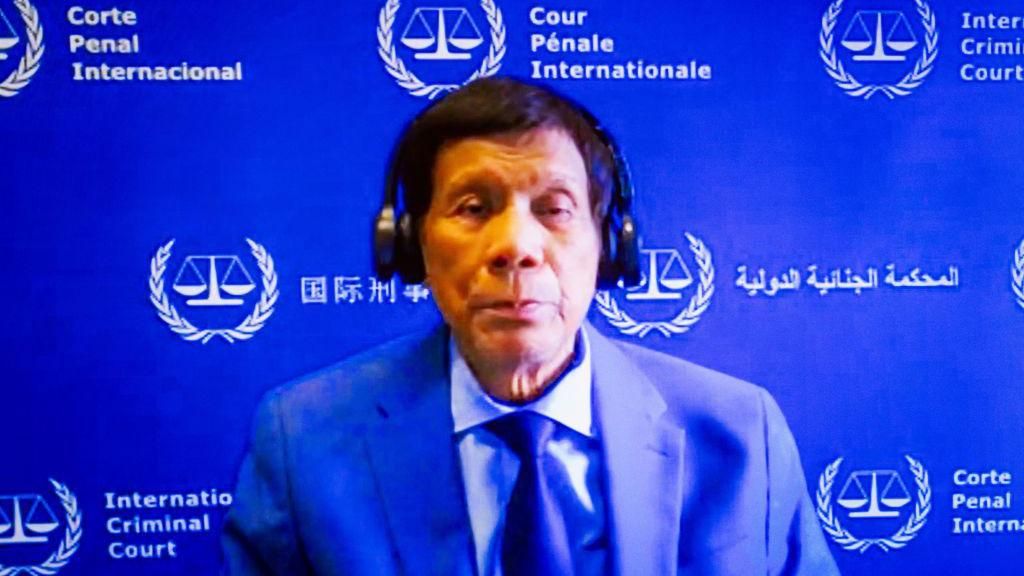
In a landmark ruling that has sent ripples across global human rights circles, pre-trial judges at the International Criminal Court (ICC) have officially confirmed charges of crimes against humanity against former Philippine President Rodrigo Duterte, greenlighting a full trial for the 81-year-old over accusations of mass extrajudicial killings linked to his controversial war on drugs.
The charges center on thousands of unlawful deaths that occurred between 2011 and 2019, at the height of Duterte’s harsh anti-drug crackdown. In an official statement released Thursday, the ICC announced that pre-trial judges had unanimously backed the charges, concluding there were substantial grounds to believe Duterte bears responsibility for the alleged atrocities. This confirmation comes more than a year after Duterte was taken into ICC custody, and follows multiple failed appeals from his legal team seeking his release.
Duterte has long rejected the ICC’s jurisdiction over his case, arguing that the Philippines’ 2019 withdrawal from the Rome Statute — the ICC’s foundational governing treaty — strips the court of authority to prosecute him. However, in a ruling issued Wednesday, the Pre-Trial Chamber rejected this position, noting that all of the alleged crimes took place before the country’s withdrawal, when the Philippines remained a full member state bound by the court’s jurisdiction. The court also granted participation rights to more than 500 victims of the crackdown, allowing them to contribute to the upcoming proceedings.
Human rights organizations have long criticized Duterte’s war on drugs for its disproportionate targeting of low-level street dealers and users, while major drug kingpins largely avoided prosecution. Duterte has repeatedly denied all wrongdoing, dismissing the charges against him as a baseless, outrageous smear. Philippine police have similarly defended their actions during the campaign, claiming all fatal operations were carried out in self-defense.
Duterte’s legal team had also pushed to dismiss the proceedings on health grounds, claiming the former leader suffers from cognitive impairment that leaves him unfit to stand trial. ICC judges rejected this claim, citing independent assessments from medical experts that confirmed Duterte is mentally capable of participating in the trial and exercising all his legal procedural rights.
Duterte’s arrest at Manila International Airport last year, which led to his transfer to The Hague, came amid a well-documented political rift between his daughter, current Vice President Sara Duterte, and incumbent Philippine President Ferdinand Marcos Jr. The upcoming trial has been celebrated as a historic milestone for global accountability by critics of the former president’s deadly crackdown. At the same time, Duterte retains a deeply loyal popular base in the Philippines, and his supporters have held widespread public protests decrying his detention and the ICC proceedings against him.