作者: admin

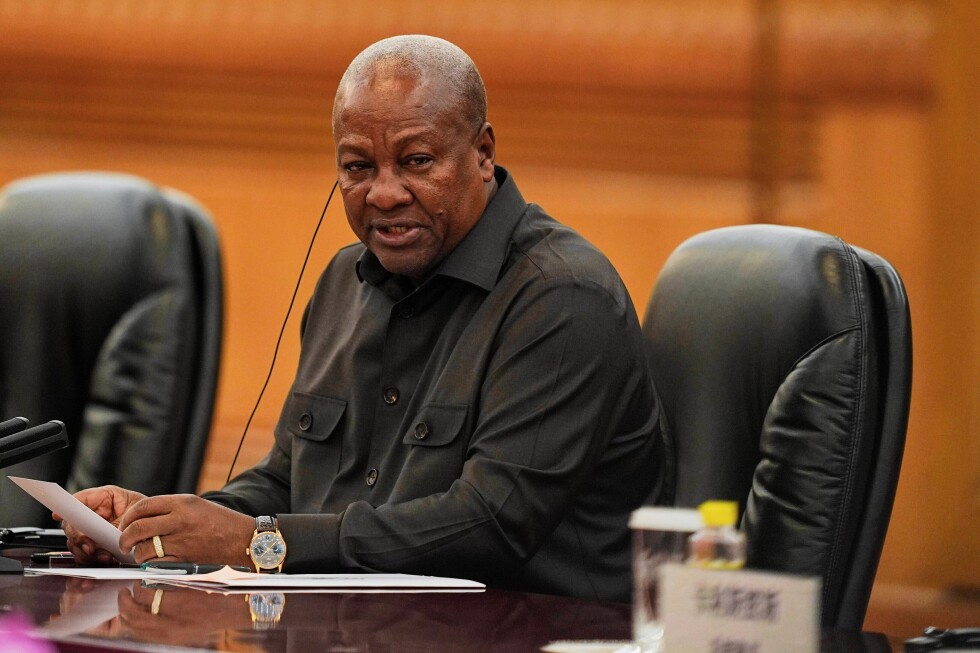
  • HK police can now demand phone passwords under new national security rules

    HK police can now demand phone passwords under new national security rules

    Hong Kong authorities have significantly expanded enforcement capabilities under the National Security Law through newly gazetted amendments that empower police to compel password disclosure from electronic devices. The regulatory changes, announced Monday without legislative council review, establish severe penalties for non-compliance: individuals refusing to provide access credentials face imprisonment up to one year and fines reaching HK$100,000 (approximately $12,700), while supplying false information carries a three-year maximum sentence.

    The amendments extend beyond device access provisions, granting customs officials authority to confiscate materials perceived as containing ‘seditious intention.’ Government statements assert these measures enable ‘effective prevention, suppression and punishment of activities endangering national security’ while claiming to protect organizational and individual rights.

    This legislative development occurs against the backdrop of the 2020 National Security Law implementation, which Beijing introduced following mass pro-democracy demonstrations. The law criminalizes broadly defined offenses including secession, subversion, terrorism, and external collusion—provisions that have facilitated hundreds of arrests involving activists, protesters, and former opposition legislators.

    Notably, the security framework permits closed-door trials and has recently demonstrated its expansive application through February cases including the imprisonment of exiled activist’s father for financial transactions and media magnate Jimmy Lai’s 20-year sentence for foreign collusion and sedition charges.

  • ‘Never acceptable’: Swans fan banned for five years after throwing bottle at Hawks star Nick Watson

    ‘Never acceptable’: Swans fan banned for five years after throwing bottle at Hawks star Nick Watson

    The Australian Football League has issued a severe five-year stadium ban to a Sydney Swans supporter who launched a soft drink bottle toward Hawthorn player Nick Watson during last Thursday’s match at Melbourne Cricket Ground. The incident occurred following Hawthorn’s 99-82 victory over Sydney when Watson engaged in verbal exchanges with opposing fans. According to Watson’s account on Nova 100’s Jason & Lauren show, the projectile narrowly missed striking him and landed dangerously close to players on the field. Visual evidence published by the Herald Sun clearly shows the Coke Zero bottle flying directly over Watson’s head. The AFL confirmed through an official statement that they successfully identified the individual responsible through security footage and coordination with venue authorities. In addition to the league-imposed ban, the Sydney Swans club has revoked the patron’s membership privileges. AFL Head of Security Tony Keane emphasized that such behavior violates fundamental standards of spectator conduct, stating that throwing objects at players constitutes unacceptable conduct that will result in loss of attendance privileges. The league maintains that player safety and field security remain paramount concerns during all matches.

  • Trial opens over Greek train crash that killed 57, many of them students

    Trial opens over Greek train crash that killed 57, many of them students

    A historic criminal trial commenced in Larissa, Greece on Monday, addressing one of the nation’s most devastating transportation disasters—the February 2023 train collision that claimed 57 lives, predominantly students. The catastrophic incident, which generated a fireball upon impact and trapped passengers within mangled rail cars, exposed profound systemic safety failures within Greece’s railway infrastructure.

    The judicial proceedings, expected to span two years, are being held at a converted campus facility to accommodate the extensive scale of the trial, which involves hundreds of witnesses. Thirty-six defendants—including rail operators, transport officials, station masters on duty during the incident, their supervisors, former executives of Italian-owned Hellenic Train, and senior transport ministry staff—face serious charges related to endangering public transport.

    Investigations reveal that the tragedy occurred near Tempe in northern Greece due to a passenger train being erroneously directed onto the same track as an oncoming freight train. This fundamental error was exacerbated by malfunctioning signal systems, alongside critical deficiencies in staffing, oversight, and maintenance—failures accumulated over years of delayed safety upgrades.

    Outside the court, riot police established security perimeters as hundreds of demonstrators gathered alongside grieving relatives, many dressed in black. Pavlos Aslanidis, father of a 27-year-old victim, expressed the collective anguish: ‘Real justice would be to get our kids back. But what we are asking for now is the exemplary punishment of those responsible.’

    The disaster remains a highly emotive and politically charged issue, having sparked widespread public protests and strikes. Critics accuse the conservative government of attempting to shift blame exclusively onto railway officials, avoiding broader political accountability. Separate legal inquiries, including a parliamentary-sanctioned probe, are ongoing to examine potential political responsibilities.

  • Plane, fire truck collide on runway at New York’s LaGuardia Airport

    Plane, fire truck collide on runway at New York’s LaGuardia Airport

    A significant ground collision between an Air Canada Express aircraft and an emergency response vehicle has resulted in the complete shutdown of New York’s LaGuardia Airport. The incident occurred late Sunday evening when Jazz Aviation Flight AC8646, operating as a regional partner for Air Canada, struck a Port Authority fire truck during its landing sequence on Runway 4 at approximately 11:40 PM local time (0340 GMT Monday).

    The CRJ-900 aircraft, carrying 72 passengers and 4 crew members from Montreal, collided with the emergency vehicle that was reportedly responding to a separate incident on the active runway. Aviation authorities immediately implemented a ground stop, suspending all flight operations indefinitely due to what officials described as a ‘high probability of extended operational disruption.’

    Visual documentation from the scene revealed substantial damage to the aircraft’s nose section and cockpit area, with multiple emergency vehicles surrounding the immobilized plane. While authorities have not yet released official injury reports for either the aircraft occupants or fire crew personnel, full emergency protocols were activated immediately following the impact.

    The Federal Aviation Administration has launched a comprehensive investigation into the unusual runway incident. The airport’s closure comes amid existing operational challenges, including adverse weather conditions and previously reported security screening delays due to federal funding-related staffing shortages.

    LaGuardia, which recently completed an $8 billion infrastructure modernization program, serves as New York’s third-busiest aviation facility, handling approximately 33.5 million passengers annually. This incident marks the latest in a series of concerning aviation safety occurrences across United States airports, raising questions about ground operation protocols and runway safety management systems.

  • Heavy rainfall expected to soak southern China, raising flood risks

    Heavy rainfall expected to soak southern China, raising flood risks

    Meteorological authorities have issued significant weather warnings for southern China as an extended period of heavy rainfall approaches, raising substantial concerns about flooding and secondary disasters. According to the National Meteorological Center, a ten-day precipitation event will commence on Sunday, affecting central, eastern, and southern regions with rainfall levels expected to reach 30-70% above seasonal averages, with some areas potentially receiving more than double their typical rainfall.

    The most intense downpours are forecast for Monday, particularly in eastern Jiangxi and northwestern Fujian provinces, where extremely heavy rainfall is anticipated. Chief forecaster Ma Xuekuan attributed this weather pattern to the interaction between frequent weak cold air masses from the north and active warm, moist currents from the south. He specifically warned that Guizhou and Hunan provinces might experience severe convective weather including thunderstorms, strong winds, and hail.

    The persistent rainfall presents particular dangers as successive downpours will saturate already waterlogged areas. Regions including Guizhou, Hunan, Jiangxi, Zhejiang, and northern Guangxi face elevated risks of secondary disasters resulting from the prolonged wet conditions. In response, the Ministry of Agriculture and Rural Affairs and the China Meteorological Administration jointly issued farmland waterlogging risk warnings for affected provinces from Sunday through Thursday.

    Authorities have advised residents to monitor weather warnings closely and avoid travel during intense precipitation periods. Infrastructure managers have been urged to implement protective measures against potential damage from severe weather, while agricultural regions have been instructed to strengthen ditch and canal clearance operations and maintain low water levels in reservoirs and ponds.

    Meanwhile, northern China experiences contrasting conditions with unseasonably warm temperatures expected to persist for several days. Cities including Taiyuan, Jinan, and Zhengzhou may see temperatures reach up to 25°C by Wednesday. Despite these warm daytime readings, meteorologists caution that northern regions will continue to experience significant temperature fluctuations with differences exceeding 20°C between daytime highs and nighttime lows, prompting advice for residents to dress in layers.

  • Russia’s Max: The unencrypted super-app being forced on citizens

    Russia’s Max: The unencrypted super-app being forced on citizens

    Russia is implementing a comprehensive digital strategy by aggressively promoting its state-backed super-app ‘Max’ while simultaneously blocking access to Western messaging platforms WhatsApp and Telegram. This coordinated effort represents a significant step in Moscow’s long-standing campaign to establish technological sovereignty and reduce dependence on foreign digital services.

    Developed by Russian social media conglomerate VK and launched in 2025, Max combines messaging functionality with social media features, government services access, digital identification systems, and banking capabilities. The platform has drawn comparisons to China’s WeChat for its multifunctional design. Although not officially mandatory, Russian authorities are creating circumstances where avoiding the application becomes increasingly impractical for citizens.

    President Vladimir Putin has publicly endorsed Max as a more ‘secure’ platform that aligns with Russia’s national interests. However, cybersecurity experts express concerns about the application’s lack of end-to-end encryption and its data storage practices. Baptiste Robert, CEO of French cybersecurity firm Predicta Lab, warned that ‘any data passing through this application effectively becomes accessible to its owner – in this instance, the Russian state.’

    The rollout strategy includes pre-installation on devices sold in Russia since September 2024, corporate pressure on employees to adopt the platform, and migration of essential services like school communications and government portal access exclusively to Max. The application’s inclusion on Russia’s ‘white list’ ensures it remains functional during internet blackouts that Moscow implements for security purposes.

    While the platform has gained over 100 million users by March, partly through an aggressive promotion campaign involving celebrities and popular bloggers, citizen reactions remain divided. Some users appreciate the convenience, while others feel coerced into adoption. The application is currently available to users in 40 countries considered ‘friendly’ by Russia, but remains blocked in the European Union and Ukraine.

    This development represents the culmination of Russia’s sovereign internet policies, which according to internet governance expert Marielle Wijermars of Maastricht University, aim to ‘restructure the internet to enhance control over published content through migration to state-controlled platforms.’

  • Digital hoarders struggle to let go of memories

    Digital hoarders struggle to let go of memories

    A growing phenomenon of digital accumulation is reshaping how younger generations interact with technology and preserve memories. Unlike physical hoarding, this digital counterpart involves the extensive collection of photos, devices, and digital content that individuals struggle to delete despite storage constraints.

    Lu Zhi, a 21-year-old from Qingdao, exemplifies this trend with her collection of 11 smartphones and one tablet. What began as a practical backup device evolved into a photographic habit that transformed her relationship with daily life. “I started taking photos whenever I saw something beautiful or interesting, which made me feel more connected to life,” she explains. Her devices, affectionately called “electronic little junk,” provide what she describes as “pure happiness” despite the occasional storage anxiety.

    Research confirms this widespread behavior. A 2024 China Youth Daily survey revealed that 82% of respondents engage in digital hoarding, primarily saving photos, chat records, and audiovisual content. Over half find psychological comfort in this behavior, though 54.6% acknowledge the need for more selective preservation.

    Zou Yifan, a content planner from Suzhou, represents another dimension of this phenomenon. Her digital collections consist of inspiration fragments—travel destinations, reading recommendations, and resonant phrases—that form what she calls a “messy, but with its own order” archive. “I like knowing they’re there so I can look back whenever I want to relive the moments,” she notes, emphasizing the value of having a personal library ready for unexpected inspiration.

    Professional perspectives reveal deeper psychological dimensions. Shanghai-based photographer Lin Xi maintains meticulously organized client work while allowing personal creative materials to accumulate in what he describes as an “ideas in progress” state. “Those materials are alive. If I organize everything too early, I feel like I might kill the possibility,” he observes, challenging conventional notions of digital organization.

    The scale of this trend coincides with unprecedented data growth. IDC projections indicate global data generation will more than double from 213.56 zettabytes in 2025 to 527.47 zettabytes by 2029, with China already producing over 40 zettabytes annually.

    For some, organization becomes a professional necessity. Lu Lu, a 26-year-old designer from Changsha, developed sophisticated categorization systems for her creative work. “Every designer needs a personal material library,” she states, though she rejects the “hoarding” label in favor of “placing information” for future reinterpretation. She identifies deletion as the most satisfying aspect of the process, describing it as “the most stress-relieving action.”

    This behavior reflects a broader cultural shift where digital possessions serve as emotional anchors, creative reservoirs, and psychological safety nets in an increasingly uncertain world. Rather than mere data accumulation, these curated collections represent identity preservation, memory safeguarding, and the human desire to maintain connection amid technological change.

  • Tajik children with heart defects treated in Qingdao

    Tajik children with heart defects treated in Qingdao

    In a landmark demonstration of international medical cooperation, nine Tajik children with severe congenital heart conditions have received successful surgical treatment at Qingdao University’s Women and Children’s Hospital in China’s Shandong province. The medical mission, conducted between March 13-23, 2026, represents growing healthcare collaboration between China and Tajikistan within the Shanghai Cooperation Organization framework.

    The young patients, ranging from toddlers to early teenagers, presented with complex cardiac abnormalities including tetralogy of Fallot and severe aortic stenosis. Medical teams employed both innovative minimally invasive techniques and traditional surgical approaches to address these life-threatening conditions. Notably, one interventional procedure led by renowned cardiologist Pan Silin was completed in a remarkable 13 minutes for a six-year-old girl.

    Hospital director Chen Rui reported all procedures proceeded without complications, with patients expected to transition to regular wards for continued recovery. The surgical team particularly impressed their Tajik counterpart—a cardiac surgeon accompanying the children—with a technique requiring only a 1.2-centimeter incision under the right armpit, prompting discussions about long-term medical partnership.

    Beyond cardiac care, Chinese physicians demonstrated comprehensive diagnostic excellence when preoperative examinations revealed an unrelated hepatic cyst caused by echinococcosis in one child. Senior surgeon Zhang Jian successfully performed a liver-preserving resection, scheduling cardiac surgery for six months later.

    The humanitarian initiative originated from the sister-city relationship between Qingdao and Dushanbe, with hospital officials crediting its success to multidisciplinary preparation and individualized treatment plans. Medical staff enhanced the patient experience by learning basic Tajik phrases and providing culturally sensitive care, including cartoon screenings and daily parental visits to the cardiac ICU.

    Yan Hui of the China-Tajikistan Medical Diagnosis and Treatment Center noted that many Tajik children face treatment delays due to limited medical resources and financial constraints. Following a similar 2025 program in Xinjiang, demand for Chinese medical treatment among Tajik families has increased significantly, with phrases like ‘thank you, Chinese doctor’ becoming common expressions of gratitude.

  • ASX 200 drops sharply after Donald Trump’s Middle East threat rattles investors

    ASX 200 drops sharply after Donald Trump’s Middle East threat rattles investors

    Australian financial markets experienced significant volatility on Monday as geopolitical tensions triggered by former US President Donald Trump’s stark warning to Iran rattled investor confidence. The benchmark ASX 200 index declined 62.50 points (0.74%) to close at 8365.90, while the broader All Ordinaries index dropped 75.70 points (0.88%) to settle at 8552.60. The session opened with particularly heavy selling pressure, with early losses approaching 2% before a partial recovery emerged during afternoon trading.

    The market turbulence coincided with Trump’s social media ultimatum demanding Iran open the Strait of Hormuz without conditions within 48 hours, threatening military action against Iranian power facilities. This escalation in Middle East tensions amplified existing concerns about global fuel security, particularly affecting energy-dependent economies like Australia, Japan, and South Korea.

    Market analysts noted the disproportionate impact on Asian markets compared to other regions. IG market analyst Tony Sycamore characterized the trading session as ‘rocky,’ observing that ‘markets are being slapped for good reasons’ due to legitimate concerns about potential disruptions to fuel supplies.

    The materials sector bore the brunt of the selling pressure, declining 2.40% as rising fuel costs continued to impact resource companies. Mining giants BHP and Rio Tinto fell 0.76% and 1.71% respectively, while Fortescue Metals bucked the trend with a 0.47% gain. Gold producers also faced substantial selling despite the geopolitical uncertainty, with Northern Star Resources, Evolution Mining, and Newmont all declining between 6.97% and 7.45%.

    Australia’s major banking institutions contributed to the market weakness, with Commonwealth Bank, NAB, Westpac, and ANZ all closing lower between 0.79% and 1.82%. The Australian dollar retreated below the psychologically significant 70 US cent level, trading at 69.58 US cents.

    Energy stocks provided a counterbalance to the broader market decline as oil prices advanced. Woodside Energy gained 2.2%, Santos added 0.88%, and Ampol lifted 1% amid rising crude prices, which increased 0.65% to $112.84 per barrel.

    In corporate developments, Medibank shares advanced 2.38% despite a Federal Court ruling denying the insurer’s request to keep details of a 2022 cyberattack confidential. Meanwhile, ARN Media shares slumped 4.6% following legal action by radio host Kyle Sandilands over his dismissal.

  • Director couldn’t get Jamie Oliver angry for CMAT music video

    Director couldn’t get Jamie Oliver angry for CMAT music video

    Celebrity chef Jamie Oliver has defied expectations with his gracious participation in Irish musician CMAT’s latest music video for the satirical track ‘The Jamie Oliver Petrol Station.’ Director Eilís Doherty reveals the surprising behind-the-scenes dynamics of the collaboration, which required Oliver to tap into an uncharacteristically aggressive persona.

    The project originated from CMAT’s (Ciara Mary-Alice Thompson) tongue-in-cheek anthem expressing exaggerated frustration toward the television personality. Despite the song’s critical tone featuring lyrics like “God, I hate him,” Oliver enthusiastically agreed to participate—a decision Doherty attributes to both his self-awareness and potential influence from his CMAT-fan daughters.

    Filming occurred during a tightly scheduled two-hour window at one of Oliver’s London-based Italian restaurants amid pre-opening chaos. Doherty drew visual inspiration from 1970s television aesthetics like The Brady Bunch, creating a stylistic contrast between CMAT’s retro performance space and Oliver’s bustling kitchen environment.

    The director’s attempt to provoke Oliver into embodying the stereotypical ‘fiery chef’ persona proved unsuccessful. “I genuinely don’t think he gets mad at his staff because he just couldn’t do it,” Doherty noted after attempting to simulate kitchen stress scenarios. Instead, Oliver remained consistently accommodating, even preparing food for the crew post-filming and demonstrating what Doherty described as a “lovely” collaborative spirit.

    The final product transforms initial irony into genuine cross-industry appreciation, with online commentators noting renewed admiration for Oliver’s good-humored participation. The video culminates in a symbolic musical convergence as Oliver joins CMAT on drums, representing the resolution of manufactured conflict through artistic collaboration.