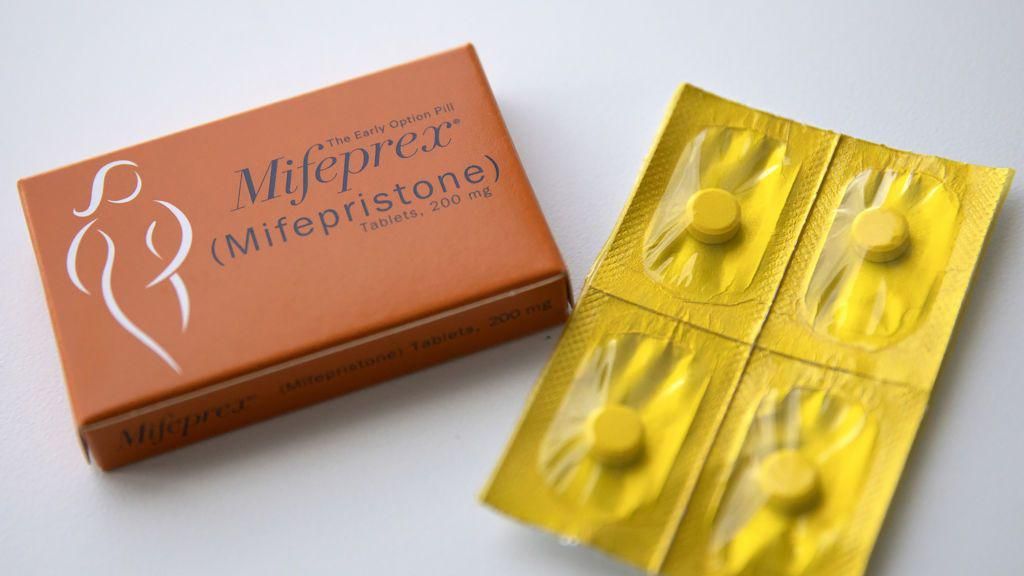
On a Friday ruling that has upended the ongoing national battle over abortion access in the United States, the Fifth Circuit Court of Appeals has issued a temporary order that sharply curtails access to mifepristone, the core medication used in most US pregnancy terminations, by banning mail distribution and telemedicine pharmacy dispensing. The decision reverses a 2023 U.S. Food and Drug Administration (FDA) policy that permanently eliminated the longstanding requirement that patients pick up the drug in person from a clinical provider, a rule that grew out of pandemic-era access expansions first enacted in 2021.
The legal challenge that led to this ruling was brought by the state of Louisiana, which argues that the FDA’s relaxed distribution rules directly invalidate the state’s total ban on abortion. In its official order, the appellate court wrote that every abortion enabled by the FDA’s policy overrides Louisiana’s abortion ban and contradicts the state’s official stance that “every unborn child is a human being from the moment of conception and is, therefore, a legal person.”
Mifepristone is the first drug in the two-step medication abortion regimen endorsed by the FDA: it blocks progesterone, a hormone required to sustain a pregnancy, and is followed by misoprostol, which empties the uterus. The drug was first approved for use up to seven weeks of pregnancy in the U.S. in 2000, with approval extended to 10 weeks in 2016. It is also used off-label to treat incomplete miscarriages and Cushing syndrome, while misoprostol has long been prescribed for stomach ulcers and postpartum hemorrhage, a non-abortion use that has kept it out of most recent regulatory battles.
Mainstream U.S. medical bodies including the FDA and the American College of Obstetricians and Gynecologists have repeatedly confirmed mifepristone’s safety after more than two decades of use. FDA data shows more than 3.7 million American women used the drug between 2000 and 2018, and clinical data puts the effectiveness of the full two-drug regimen at roughly 95%, with less than 1% of cases requiring additional invasive medical intervention.
This latest ruling comes against a shifting legal backdrop for abortion access in the U.S. In 2022, the Supreme Court overturned the federal constitutional right to abortion established in Roe v. Wade, leaving regulation up to individual states. Two years later, in 2024, the Supreme Court unanimously rejected one high-profile effort to restrict mifepristone, but left open the possibility for future state-led challenges to the drug’s distribution rules. Friday’s ruling also overrides a recent lower court decision that paused the case to allow the FDA time to complete a regulatory review of the 2023 policy.
Reaction to the ruling has split sharply along pro-choice and anti-abortion lines. American Civil Liberties Union (ACLU) attorney Julia Kaye condemned the decision in an official statement, arguing it ignores established medical science and existing legal precedent to advance an anti-abortion policy that a majority of Americans oppose. Kaye added that for vulnerable groups including rural patients, survivors of intimate partner violence, and people living with disabilities, eliminating telemedicine and mail access will cut off access to the vital medication entirely.
Louisiana Attorney General Liz Murrill, who brought the challenge, celebrated the ruling, claiming the Biden-era FDA rule enabled the deaths of thousands of unborn children in Louisiana and millions across the country. “I look forward to continuing to defend women and babies as this case continues,” she said.
Other state officials have moved to reassure patients that abortion access will remain unchanged in jurisdictions where it remains legal. New York Attorney General Letitia James confirmed Friday that abortion care, including medication abortion, will remain legal and accessible in New York regardless of the appellate ruling. “Mifepristone is safe, effective, and essential. Restrictions on abortion care are restrictions on life-saving health care. This decision puts lives at risk,” James said.