作者: admin

  • More than 300 families evacuate in Philippines due to ashfall from volcano

    More than 300 families evacuate in Philippines due to ashfall from volcano

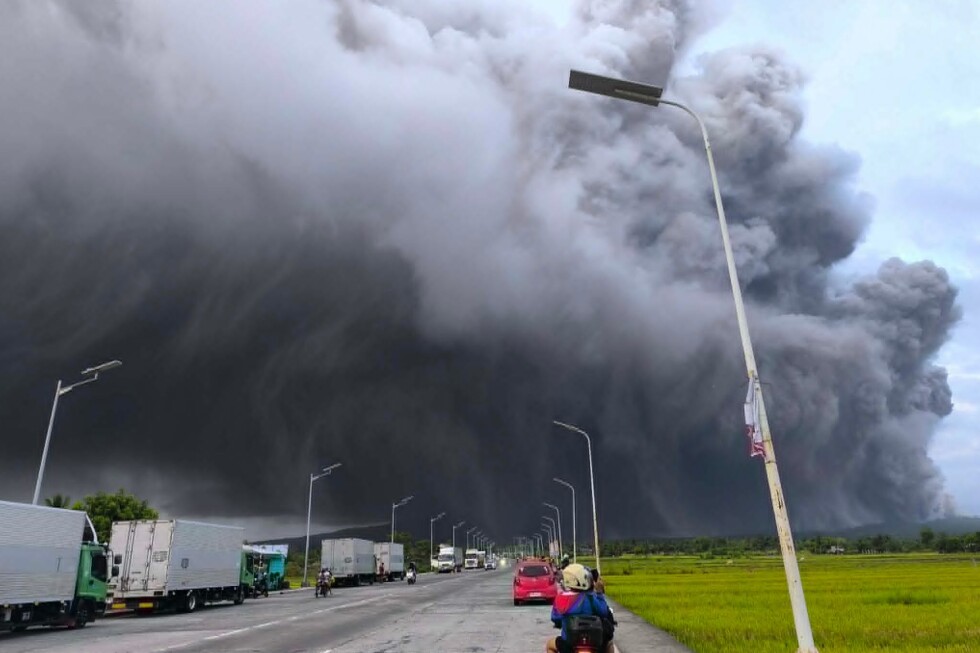
    Manila, Philippines – A sudden pyroclastic flow at one of Southeast Asia’s most iconic active volcanoes forced more than 300 local families to flee their homes this weekend after massive ash clouds blanketed nearby communities, Philippine disaster management officials confirmed Monday.

    Teresito Bacolcol, director of the Philippine Institute of Volcanology and Seismology (PHIVOLCS), clarified that no full explosive eruption occurred at Mayon Volcano, the 2,462-meter peak that has seen intermittent mild eruptive activity since early this year. Saturday’s incident was triggered by the sudden collapse of accumulated lava deposits along the volcano’s southwestern slope, which sent a fast-moving avalanche of superheated gas, ash, and molten rock cascading downhill just before sunset.

    While authorities have not reported any casualties or fatalities linked to the event, the thick ash cloud that erupted from the flow drifted across 87 villages across three Albay province towns, catching residents off guard and creating dangerous travel conditions. Visibility dropped to nearly zero even on major regional highways, slowing vehicle traffic to a standstill in many high-impact areas.

    Caloy Baldo, mayor of Camalig – a town of 8,000 people sitting just below the volcano’s foothills – told the Associated Press that while some residents initially panicked, local emergency teams quickly moved to reassure communities and coordinate evacuations. The ashfall caused widespread damage to local vegetable farms, and resulted in the deaths of four water buffalo and one cow in Camalig, Baldo added. Cleanup operations are already underway across affected parts of the town to clear ash from roads, public infrastructure and residential properties.

    Mayon Volcano, famous for its near-perfect symmetrical cone shape, is one of the Philippines’ most popular tourist attractions. It is also the most active of the country’s 24 active volcanoes. PHIVOLCS raised the volcano’s 5-tier alert system to Level 3 back in January after a string of mild eruptions produced frequent rockfalls – some carrying boulders as large as passenger cars – and intermittent small pyroclastic flows. Under Level 3, the volcano is considered at heightened risk of more hazardous explosive activity.

    As of Monday, surface activity at the volcano has calmed, but the threat of further dangerous events remains, Bacolcol said. The highest alert level, Level 5, indicates an ongoing large-scale explosive eruption that produces life-threatening lava flows, pyroclastic surges, and heavy widespread ashfall.

  • Western Australia moves to ban no grounds evictions, but industry warns there would be ‘no winners’

    Western Australia moves to ban no grounds evictions, but industry warns there would be ‘no winners’

    Western Australia has become the latest Australian state to advance sweeping rental market reforms centered on a full ban on no-grounds evictions, a policy shift that has ignited sharp disagreement between state government leaders, housing industry representatives and tenant advocacy groups amid an ongoing national housing affordability crisis. The proposal comes as Western Australia grapples with one of the country’s tightest rental markets, with plummeting available supply and soaring rental costs that have put unprecedented strain on low- and middle-income renters across the state.

    Under the planned changes to Western Australia’s Residential Tenancies Act, private landlords will only be permitted to end a tenancy if they can demonstrate a legally valid reason for eviction. Acceptable reasons outlined in the reform package include the property owner or an immediate family member planning to move into the home, the need for major structural renovations or full demolition of the property, repeated breaches of tenancy terms by the renter, sale of the property, consistent non-payment of rent, and documented illegal activity occurring on the premises. Beyond the ban on no-fault evictions, the reforms also introduce new limits on what personal background information landlords and real estate agents can request from prospective tenants, along with a mandate that requires property owners to offer at least one rent payment option that does not charge extra processing fees to renters.

    State officials confirmed that the Department of Local Government, Industry Regulation and Safety will launch a public consultation period to gather feedback on the fine details of the legislation as the drafting process moves forward. In a formal announcement of the reforms, Western Australian Premier Roger Cook emphasized that the changes are designed to reinforce rental security and build a more equitable housing market for all residents. “Ending no-grounds terminations and replacing them with commonsense, clearly defined reasons for eviction makes Western Australia’s rental market far fairer,” Cook said. “This next wave of residential tenancies reforms builds on our previous changes, which included a ban on competitive rent bidding and limiting rent increases to no more than once every 12 months.”

    Commerce Minister Tony Buti added that the reform package responds directly to growing cost-of-living pressures that have left many private renters at constant risk of unexpected displacement. “The government is committed to reform that ensures fairness across the board, and that includes making sure no Western Australian loses their private tenancy amid rising cost-of-living pressures,” Buti said. “This has flow-on benefits for the entire community. At the same time, the next phase of tenancy reforms demonstrates our commitment to providing stronger protections for renters and a fairer, more secure housing system for all.”

    Not all stakeholders have backed the plan, however. The Real Estate Institute of Western Australia (REIWA) has emerged as the policy’s most prominent critic, with president Suzanne Brown warning that the change will backfire for both landlords and renters, leaving “no winners” in the already strained rental market. Brown stressed that the organization’s opposition is not rooted in anti-tenant bias, but in concern for the long-term stability of Western Australia’s rental supply. “Across the state, the rental market has not fully recovered from the mass exodus of investors that followed the COVID-19 pandemic,” Brown said. “Western Australia cannot afford to lose any more rental properties. Another drop in supply will see the vacancy rate fall even further, competition for available properties increase, and put even more upward pressure on rent prices that are already out of reach for many families.”

    Tenant advocacy groups have pushed back strongly against these warnings, arguing that data from other Australian states that have already implemented no-grounds eviction bans shows no measurable negative impact on overall rental supply. Jesse Noakes, a campaigner with the End Unfair Evictions coalition, noted that even if some property investors choose to exit the market following the reform, existing properties do not disappear from the housing system entirely. “Even if a property investor sells a house, it is not as if it disappears into a puff of smoke. Either it houses someone who was previously renting, or it returns to the rental market shortly after,” Noakes said. Citing data from Anglicare, he added that available rental supply in Western Australia has already collapsed from more than 14,000 available properties in 2018 to just 3,000 in 2024, meaning the market cannot get any tighter than it already is. “The rental market can’t get any worse – this can only make things better for renters across the state,” he said.

    While some progressive political leaders have welcomed the announcement as a long-overdue win for tenant rights, the Western Australian Greens have argued that the proposed reforms do not go far enough to address the state’s housing crisis. Tim Clifford, the Greens’ WA housing spokesperson, called the ban a historic step forward, but warned that similar legislation in other Australian states contains significant loopholes that still allow landlords to carry out de facto no-fault evictions, such as through extreme rent hikes that force renters to leave voluntarily. “We’re still going to introduce our rent cap bill this week, because we do know the government will walk back from any reforms if we do not maintain pressure on them to deliver stronger protections,” Clifford said.

  • Antisemitism ‘allowed to come into the open’ says Bondi victim’s daughter

    Antisemitism ‘allowed to come into the open’ says Bondi victim’s daughter

    Sydney, Australia – As public hearings kick off for Australia’s national royal commission investigating rising antisemitism, witnesses are delivering harrowing firsthand accounts of grief, fear, and a dramatic shift in social acceptance of anti-Jewish hatred tied to the December 2024 Bondi Beach Hanukkah shooting that left 15 people dead. The commission was convened in direct response to the deadly attack, the first major public inquiry of its kind focused on addressing a documented surge in antisemitic violence and harassment across the nation.

    Sheina Gutnick, the daughter of victim Reuven Morrison, was the first witness to take the stand at the Sydney public hearing on Monday. Morrison, a Jewish Australian who fled the Soviet Union at age 14 and built his life in Australia, meeting his wife on iconic Bondi Beach, was killed while rushing to stop the attackers by hurling objects at the gunmen to disrupt their shooting rampage. In raw, emotional testimony, Gutnick detailed the abuse she has endured in the attack’s aftermath, including direct messages calling for her own death. She also described a stark, alarming shift in the visibility of antisemitism dating back to October 2023, saying anti-Jewish rhetoric has rapidly moved from the margins to mainstream public discourse.

    “I felt as though antisemitism was allowed to come into the open,” Gutnick told the commission. “All of a sudden it was socially, morally acceptable for antisemitic comments to be made in public discourse.” Even the place her parents fell in love now carries heavy, conflicting emotions for Gutnick: “Bondi held ‘complicated’ feelings for me, despite having beautiful childhood memories at the famous beach,” she added.

    The attack, carried out by 50-year-old gunman Sajid Akram who was shot dead by responding police at the scene, also involved his son Naveed Akram, the alleged second attacker. Naveed Akram was critically wounded during the police response, has since been moved from hospital to custody, and faces 59 criminal charges including 15 counts of murder and one count of committing a terrorist act.

    A second witness, identified only as AAL for safety reasons, also broke down during his testimony, describing decades of love for his adopted country after moving from South Africa in the 1980s, but now questioning whether it is a safe home for his grandchildren. “I treated Australia as home from the day I stepped off the plane,” AAL said. “I have to admit things have changed – I have to think very seriously whether this is the country for my grandchildren.”

    Commission officials confirmed that as of Monday morning, nearly 7,500 public submissions have been received from community members and stakeholders across the country. This first phase of public hearings, scheduled to run through May 15, centers on collecting firsthand lived experiences of antisemitism from victims and community members.

    Last week, Virginia Bell, a former High Court justice leading the inquiry, released an interim report containing 14 urgent policy recommendations. Key proposals include strengthening national gun reform regulations and expanding dedicated police protection currently reserved for major Jewish high holy days to all Jewish community events. Bell has already noted that the sharp spike in antisemitism recorded in Australia mirrors surges seen across other Western nations, and is directly linked to ongoing conflict in the Middle East.

    “It’s important that people understand how quickly those events can prompt ugly displays of hostility towards Jewish Australians simply because they’re Jews,” Bell said ahead of this week’s hearings. The commission is on track to deliver its final full report to the government on the one-year anniversary of the December shooting.

  • For foreign workers in the Mideast, risk from the Iran war collides with economic strain at home

    For foreign workers in the Mideast, risk from the Iran war collides with economic strain at home

    Across the Gulf Arab states and broader Middle East, millions of low-wage migrant workers from impoverished South Asian, Southeast Asian and African nations are facing an impossible choice rooted in the ongoing conflict between the U.S.-Israel alliance and Iran. For many, the decision is not even their own to make, as the violence has already claimed their lives.

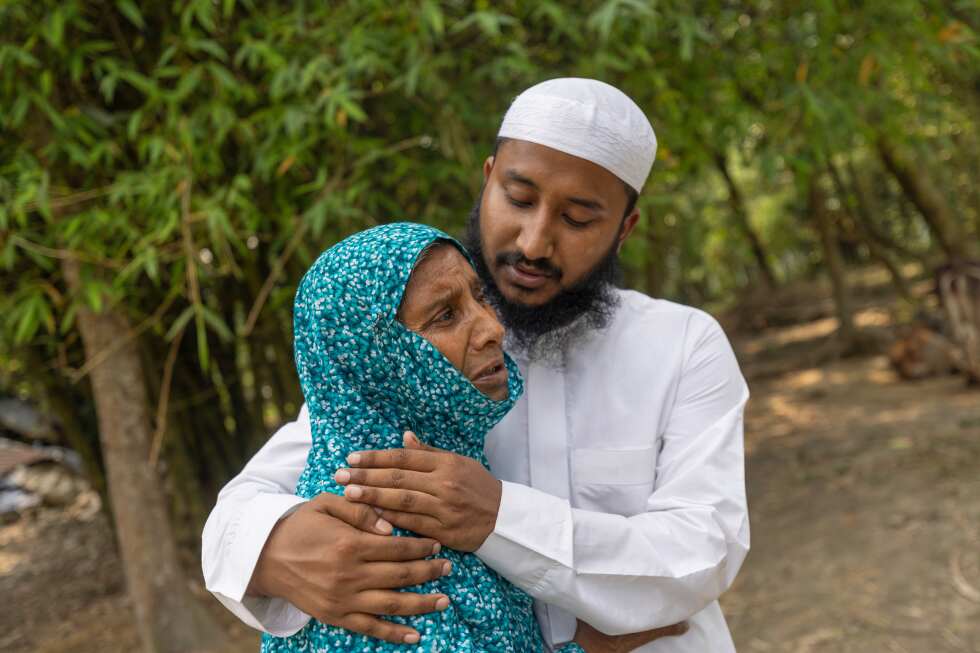
    For 35-year-old Mohammad Abdullah Al Mamun, a Bangladeshi migrant worker who spent 15 years laboring in Saudi Arabia to support his family, the dream of coming home for good ended on March 8. Mamun had only met his 6-year-old son once, just a few short days in a lifetime of separation. This year, he had drawn up careful plans: return to Bangladesh’s Cox’s Bazar, one of the country’s poorest regions, use his years of savings to build a larger family home, and finally build a relationship with the child he barely knew. That dream died when a missile struck the workers’ camp where he was staying. He suffered catastrophic burns and did not survive, becoming one of more than two dozen foreign migrant workers killed in cross-regional attacks since the conflict erupted in February. Earlier this month, Mamun’s body arrived home in a coffin, leaving his widow, mother and siblings to grapple with an uncertain future. “We don’t know what we will do next,” said his widow Sadia Islam Sarmin. His mother Shahida Khatun added, “The pain of losing a child. There are no words to describe the agony.”

    Migrant workers have long been the unseen backbone of the Gulf’s modern oil-fueled economies, making up a majority of the population in many Gulf states. While Western, Arab and Indian professionals hold upper-tier roles in business and finance, low-income laborers from poor Asian and African nations work grueling long hours in extreme desert heat at oil facilities, construction sites and factories, often with minimal legal or safety protections. That lack of protection has been thrown into sharp relief by the recent conflict.

    The Coalition for Labour Justice for Migrants in the Gulf, an advocacy group tracking the crisis, reports that few migrant workers had access to emergency bomb shelters when attacks began, and many were left stranded as conflict disrupted travel and evacuation routes. Waves of missile and drone strikes launched by Iran and its allied armed groups have killed at least 24 foreign workers across the Gulf and another four in Israel, including eight mariners killed at sea. “It’s a very precarious situation for migrant workers,” explained Udaya Wagle, a migration and labor researcher at Northern Arizona University.

    A fragile ceasefire was announced in early April, but efforts to negotiate a permanent end to hostilities have repeatedly stalled. Iran has blockaded the Strait of Hormuz, the world’s most critical chokepoint for global oil and gas exports, stating it will only reopen the waterway if the war ends and the U.S. lifts its economic blockade of Iran. The disruption to global energy supplies has sent prices of gas, fertilizer and essential commodities soaring, hitting already vulnerable importing nations across South and Southeast Asia particularly hard.

    For the low-wage migrant workers caught in the middle, this creates a devastating dilemma. If they stay in the Middle East, they face the constant risk of renewed fighting, but they can earn far higher wages than they could ever access at home—remittances that are often the only lifeline keeping their families out of poverty. If they return home, they leave behind that critical income to return to nations already reeling from skyrocketing prices and economic instability brought on by the conflict.

    Low-wage laborers like Mamun are the most exposed to harm, experts say. They fill what development advocates call the “3D jobs”—dirty, dangerous and difficult—with little access to emergency support. In Qatar, a 27-year-old Bangladeshi factory worker who earns less than $400 a month, sending two-thirds of that salary home to his family, has already seen shrapnel from a strike land near his living quarters. Even as missiles fly overhead, he continues working 12-hour shifts, with no other option to support his family. He spoke on condition of anonymity, fearing retaliation from local authorities. “We have no choice but to keep working,” he said.

    While Qatar introduced limited labor reforms ahead of the 2022 FIFA World Cup, including partial rollback of the controversial kafala system that tied workers’ visas to a single employer, activists say widespread labor abuses persist, and workers have almost no avenues to seek justice for exploitation or danger. That vulnerability is compounded for workers in informal roles, who rarely have fixed contracts or access to emergency benefits.

    Ahmed al-Aliyli, an Egyptian taxi driver based in Qatar, has not been able to send any money home to his family in Egypt for two months. Before the conflict, he earned up to $3,000 a month; now his income has plummeted to just a third of that pre-war level as conflict has disrupted travel and tourism. “We are the collateral damage of this war,” he told reporters.

    Shariful Islam Hasan, a researcher with BRAC, Bangladesh’s largest development organization, warns that an impending slowdown in key Gulf sectors like construction and real estate will hit migrant workers directly. Workers from Bangladesh and Pakistan are disproportionately at risk, he says, because most hold informal, contract-free positions. The labor advocacy coalition adds that even where reforms have been made, many workers’ work permits remain tied to individual employers, leaving them effectively trapped in place even if they want to leave. There are also growing fears that some employers are using the chaos of the conflict to withhold wages, deny emergency leave and carry out arbitrary dismissals with no consequences.

    For most migrant workers, returning home permanently is simply not a viable economic option. Remittances from Gulf workers make up roughly 1% of India’s total GDP, 3% to 5% of GDP for Bangladesh, Pakistan and Sri Lanka, and nearly 10% of Nepal’s entire national output. These remittances are more critical than ever now, as household incomes stagnate across South Asia, and governments struggle to secure enough foreign currency to import energy and essential goods. With their home nations already reeling from economic crisis, giving up Gulf wages would leave many families unable to afford food, energy or education.

    Marlene Flores, a Filipino migrant worker in Qatar, says she feels the shockwaves every time a missile is intercepted over the country. But even with the safety risk, she says the tax-free salary and health benefits she gets in Qatar are more stable than what she could access back home, where the Philippines has declared a national energy emergency. “It’s not easy for me to say,” she admitted, “But I would really stay here.”

    Even in Israel, which hosts a large population of foreign migrant care workers, many face the same impossible calculation. Jeremiah Supan, a Filipino caregiver, continues to care for his two elderly clients even as daily missile alerts force him to dash for cover, sometimes running through active danger to fetch food or medicine for the people he cares for. He knows he could die at any moment, but he cannot see how his family would survive if he gave up his job and returned to the Philippines. “I know that in the blink of an eye, one can die,” he said. “But what life shall we return to?”

    This report is sourced from on-the-ground contributions from journalists across Manila, Dhaka, Cairo and Kuala Lumpur, with reporting coordinated by the Associated Press.

  • What to know about the US military presence in Europe as Trump seeks drawdown of thousands of troops

    What to know about the US military presence in Europe as Trump seeks drawdown of thousands of troops

    For nearly 80 years, a persistent U.S. military presence across Europe has stood as a cornerstone of transatlantic security, a legacy forged in the aftermath of World War II and hardened during the Cold War’s standoff against Soviet expansion. Today, that long-standing posture faces unprecedented upheaval, after former President Donald Trump’s pledge to slash American troop deployments in Germany has thrust Washington’s commitment to European security into the global spotlight.

    Currently, the U.S. maintains between 80,000 and 100,000 active-duty troops across the European continent, with more than 36,000 stationed in Germany alone. On a Friday announcement, the Pentagon confirmed it would withdraw 5,000 troops from the country, but Trump upped the ante a day later, telling reporters he intends to go “a lot further” than that initial drawdown.

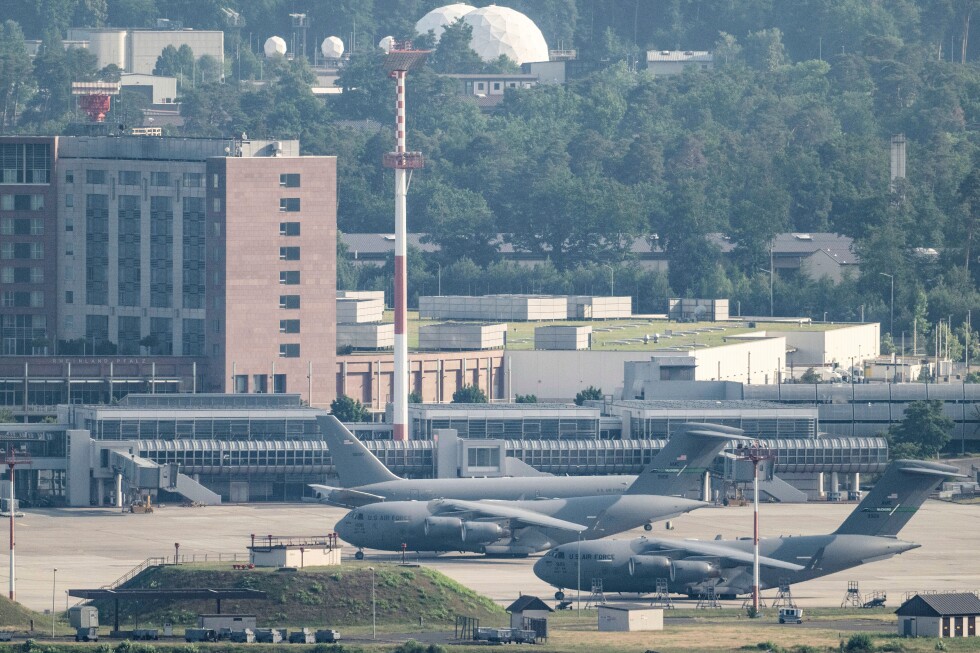
    Beyond its historical role as a deterrent to adversarial powers, the U.S. military footprint in Europe serves critical global strategic functions. Troops based in the region support operational deployments spanning the Arctic, Africa, and the Middle East, including ongoing tensions with Iran. Germany, in particular, hosts strategically vital infrastructure: it is home to the headquarters of both U.S. European Command (EUCOM) and U.S. Africa Command, Ramstein Air Base — a key logistical hub for the continent — and the Landstuhl Regional Medical Center, which treated thousands of casualties from the Afghanistan and Iraq wars. Germany also hosts a portion of the roughly 100 American nuclear bombs deployed across European NATO bases, according to a March estimate from the Federation of American Scientists.

    Per December Pentagon data, other major U.S. troop deployments in Europe include more than 12,000 troops in Italy and 10,000 in the United Kingdom. EUCOM, established in 1947, is one of the Defense Department’s 11 unified combatant commands, with oversight of security operations across roughly 50 countries and territories. Following Russia’s 2022 full-scale invasion of Ukraine, the U.S. increased its overall troop presence in Europe to reinforce deterrence along NATO’s eastern flank, and NATO allies including Germany have anticipated for more than a year that these additional troops would be the first withdrawn under any drawdown plan. To date, the Pentagon has released few details about which units or missions will be affected by the newly announced cuts.

    The drawdown plan marks a sharp break from decades of bipartisan U.S. consensus on transatlantic security. Trump has long criticized European NATO allies for failing to carry enough of the defense burden, and the announcement comes amid escalating tensions with German Chancellor Friedrich Merz, who claimed last week that the U.S. had been “humiliated” by Iran and accused the White House of lacking a clear strategy for the Middle East.

    Top Republican leaders of both congressional armed services committees have already pushed back against the plan, warning that a premature withdrawal would send the wrong signal to Russian President Vladimir Putin amid his ongoing war in Ukraine. Sen. Roger Wicker of Mississippi and Rep. Mike Rogers of Alabama argued instead that troops should be repositioned to bases in Eastern Europe, rather than removed entirely from the continent. The pair also noted that NATO allies have made major infrastructure investments to host U.S. forces, and confirmed that following Friday’s announcement, the Pentagon had canceled the planned deployment of a U.S. Army long-range missile fires battalion to Germany.

    The Trump administration’s January National Defense Strategy lays out the administration’s broader vision for transatlantic security, asserting that European nations must take greater ownership of their own defense. “While we are and will remain engaged in Europe, we must — and will — prioritize defending the U.S. Homeland and deterring China,” the document states. It adds that Europe’s collective economic power remains globally significant, noting that Germany’s economy alone “dwarfs that of Russia,” and that “our NATO allies are substantially more powerful than Russia — it is not even close.” The strategy highlights Trump’s leadership in pushing NATO allies to commit to raising total defense spending to 5% of GDP, a target embraced by the alliance in recent years.

    For its part, Germany has taken significant steps in recent years to modernize its long-underfunded military, the Bundeswehr, in the wake of Russia’s 2022 Ukraine invasion. That year, Berlin established a €100 billion ($117 billion) special fund to upgrade the military, most of which has already been allocated to new weapons and equipment procurement. Late last year, Merz’s government unveiled plans to expand active-duty military personnel from roughly 180,000 to 260,000, a level not seen since Germany ended conscription in 2001, when the force numbered 300,000 including conscripts. Berlin also plans to grow its reserve force to roughly 200,000, more than double its current size.

    Following the Pentagon’s announcement, German Defense Minister Boris Pistorius told German news agency dpa that he acknowledged Europe must take greater responsibility for its own security, adding that the Bundeswehr is already growing, accelerating equipment procurement, and upgrading military infrastructure to meet new security demands.

    As discussions over the drawdown move forward, the decision will have far-reaching implications for transatlantic alliance cohesion, deterrence against Russian aggression, and U.S. global power projection capabilities for years to come.

  • ‘Limb-saving surgery’: Broncos reveal terrifying extent of Deine Mariner’s injury ordeal

    ‘Limb-saving surgery’: Broncos reveal terrifying extent of Deine Mariner’s injury ordeal

    What began as a seemingly minor, high-impact bruise during a top-flight rugby league match has turned into a life-altering medical emergency, requiring emergency surgery to save the leg of Brisbane Broncos rising star winger Deine Mariner. The NRL club has publicly detailed the extraordinary and extraordinarily rare sequence of events that led to the early Sunday morning procedure in Sydney, clearing up unfounded online speculation about mistreatment of the athlete.

    Broncos chief medical officer Matt Hislop shared a full timeline of Mariner’s injury progression on Monday afternoon, after the 20-year-old winger granted permission for his case to be shared to educate other athletes and medical staff on the rare condition. Mariner suffered a hard cork, or muscular contusion, to his right quadriceps late in the first half of the Broncos’ Saturday night clash against the Sydney Roosters. After on-field assessment, strapping and padding, Mariner was able to run comfortably and returned to the pitch with 15 minutes remaining in the second half.

    By the time the team returned to their Sydney hotel just before midnight, Mariner reported increased swelling in his thigh, but remained clinically stable: his neuro-vascular function was intact, he finished his dinner and was able to go to bed without alarm. That changed dramatically by 1:30 a.m., when Hislop was called to evaluate the winger after he woke in extreme pain.

    “When I saw him, it was immediately clear his condition had deteriorated rapidly,” Hislop explained. “His thigh was extremely firm to the touch, and he was in unmanageable discomfort. We performed an on-site ultrasound to check for a collectable hematoma that could be drained, but found the swelling was diffuse throughout the muscle tissue, with no pooled blood to remove.”

    Though Mariner still retained full nerve and artery function in his lower leg, Hislop recognized the early signs of acute compartment syndrome – a dangerous condition where increased pressure within muscle tissue cuts off blood flow, and can lead to amputation or permanent disability if left untreated. An ambulance was dispatched immediately, and Mariner was rushed to the emergency department at Sydney’s Royal Prince Alfred Hospital, where clinicians confirmed elevated intra-muscular pressure.

    A surgical team quickly moved to perform the life-saving limb procedure in the early hours of Sunday morning. As of Monday, Hislop noted that the length of Mariner’s recovery will not be clear until the swelling in his quad muscle subsides and clinicians can assess the extent of muscle damage.

    Experts note that Mariner’s case is exceptionally rare. A leading NRL physiotherapy commentator pointed out on social media that the rate of a simple thigh cork progressing to compartment syndrome is so uncommon it is not even well documented in peer-reviewed medical literature, with an estimated incidence of less than 0.1%. The commentator also confirmed there is no truth to online rumors that the Broncos medical staff mistreated Mariner or delayed care.

    Hislop and Mariner both extended public gratitude to the emergency care team at RPA Hospital for their rapid, life-saving intervention. “I can’t praise enough the work of the paramedics, emergency nurses, ED physicians and trauma surgeons who cared for Deine so quickly and skillfully,” Hislop said.

    The injury comes at a brutal time for the injury-plagued Broncos, who are already missing multiple key starting players including representative halfback Ben Hunt and prop Payne Haas to prior injuries. Kotoni Staggs, the club’s starting strike centre, also accepted a two-match suspension for a grade 2 dangerous contact charge arising from Saturday’s game against the Roosters, leaving the club short of several top talents ahead of their next fixture.

  • A North Korean women’s soccer team is set to play in a tournament in South Korea

    A North Korean women’s soccer team is set to play in a tournament in South Korea

    Six years after the last official visit by North Korean athletes to South Korean soil, a historic moment of cross-border sports exchange is set to take place later this month, offering a rare flash of engagement between two nations technically divided by a decades-long armed conflict.

    North Korea’s Pyongyang-based Naegohyang Women’s Football Club has qualified for the semifinal round of the Asian Football Confederation (AFC) Women’s Champions League, which will be hosted in the South Korean city of Suwon, located roughly 30 kilometers south of Seoul. The match is scheduled for May 20, where Naegohyang will face a rematch against South Korea’s Suwon FC Women, who they defeated 3-0 during the group stage of the continental tournament in Myanmar last November.

    South Korea’s Unification Ministry, the government body responsible for managing inter-Korean relations, confirmed the upcoming visit in an official statement released to reporters on Monday. South Korea’s national governing body for the sport, the Korea Football Association (KFA), added that the AFC has formally communicated that North Korean officials have submitted the required roster of players and support staff traveling to Suwon for the competition. According to the KFA, AFC rules mandate that North Korea will face significant financial penalties from the confederation if the team fails to appear for the scheduled semifinal. The other semifinal fixture will match Australia’s Melbourne City FC against Japan’s Tokyo Verdy Beleza, with the final scheduled to take place just three days after the semifinal round, also in Suwon. Naegohyang earned its spot in the final four after defeating a Vietnamese club in the quarterfinal round held in March this year.

    As of Monday, North Korean state media has not yet made any public announcement of the club’s upcoming trip to South Korea.

    This upcoming match marks the first time that any North Korean athletic delegation has traveled to South Korea since December 2018, when a North Korean table tennis team crossed the border for a friendly competition. That visit came months after North Korean athletes marched alongside a high-level diplomatic delegation during the opening ceremony of the 2018 Pyeongchang Winter Olympics hosted in South Korea, a high point of diplomatic detente between the two neighbors. The last time North Korean female soccer players competed on South Korean territory was during the 2014 Incheon Asian Games, when the North Korean national women’s team participated in the continental multi-sport event.

    Beyond club competition, North Korean women’s soccer has established itself as a global powerhouse in youth international competition in recent years. The country currently holds both the FIFA Under-17 Women’s World Cup and FIFA Under-20 Women’s World Cup titles, defending its status as the top-ranked program in both age groups.

    Despite this moment of cross-border sports engagement, broader inter-Korean relations have remained frozen for years, following the collapse of landmark nuclear diplomacy between North Korean leader Kim Jong Un and then-U.S. President Donald Trump in 2019. Talks between Pyongyang, Seoul and Washington broke down after the two sides failed to reach agreement on the easing of sweeping U.S.-led sanctions imposed on North Korea over its illegal nuclear and ballistic missile programs. In recent months, tensions have escalated sharply, as Kim has accelerated development of North Korea’s nuclear and missile arsenals, with multiple tests targeting both U.S. military allies in Asia and the U.S. mainland. Kim has formally labeled South Korea as Pyongyang’s “most hostile adversary,” and has waged an aggressive campaign to block the spread of South Korean popular culture and language within North Korean borders, cracking down on unapproved outside cultural influence.

    While inter-Korean sports exchanges were once a key confidence-building measure during periods of warmer relations — with the two sides fielding combined teams and marching together under a single unified flag at multiple Olympic Games — all official cross-border athletic activities have ground to a halt in recent years amid the ongoing diplomatic freeze.

  • North Korean club to play rare football match in South

    North Korean club to play rare football match in South

    In a groundbreaking moment for inter-Korean sporting exchange, South Korea’s unification ministry confirmed Monday that a North Korean women’s football club will travel to the South this month to compete, marking the first visit by a North Korean sports delegation to the country in seven years. Decades after the Korean War concluded with an armistice rather than a formal peace treaty, the two neighboring states remain technically at war, making cross-border cultural and athletic exchanges extremely uncommon.

    Naegohyang Women’s Football Club, a Pyongyang-based side founded in 2012, is set to face South Korea’s Suwon FC Women in an Asian Women’s Champions League semi-final clash at the Suwon Sports Complex on May 20. The North Korean traveling party will comprise 27 players and 12 club officials, who are scheduled to arrive at Incheon International Airport on May 17 via an Air China flight routed through Beijing, according to a senior unification ministry official. The semi-final loser will return to North Korea just one day after the match on May 21, as no third-place playoff is planned for the competition. The winner will advance to the continental club final on May 23, where they will face either Australia’s Melbourne City or Japan’s Tokyo Verdy Beleza for the continental title.

    This upcoming fixture is the first appearance by a North Korean sports team on South Korean soil since mixed delegations for shooting, youth football and table tennis visited in 2018. The last time a North Korean women’s football side competed in the South was a decade ago, when the North Korean national team took part in the 2014 Asian Games hosted in Incheon. Observers note that most of Naegohyang’s roster is made up of current and former North Korean national team players, a squad drawn from one of Asia’s most dominant women’s football programs. North Korea’s national women’s sides have claimed multiple major international titles in recent years, most recently winning the 2024 U-17 Women’s World Cup with a dominant 3-0 victory over the Netherlands in the final.

    Beyond the pitch, the match carries major geopolitical weight, coming as South Korea’s new dovish administration under President Lee Jae Myung pursues rapprochement with Pyongyang after years of escalating cross-border tensions. Lee has repeatedly called for unconditional talks with North Korea, framing the two Koreas as being destined to “make the flowers of peace bloom” through dialogue. To date, Pyongyang has not responded to Lee’s outreach, and has continued to label Seoul its “most hostile” adversary. Even so, regional analysts see the club’s visit as a small but meaningful opening for inter-Korean engagement.

    For the South Korean government, the fixture represents an opportunity to establish at minimum a basic line of communication between the two governments, according to Lim Eul-chul, a leading North Korea researcher at Kyungnam University. “It could become a chance to test peaceful coexistence,” Lim told Agence France-Presse. The historic match comes amid heightened international concerns over Pyongyang’s military activities: North Korean leader Kim Jong Un has publicly committed to expanding the country’s nuclear arsenal, and Pyongyang conducted four intercontinental missile tests in April, the highest number of tests recorded in a single month in more than two years. Pyongyang has also deepened its military and economic alignment with Moscow in recent months, with widespread international reports indicating it has sent artillery shells and troop deployments to support Russia’s full-scale invasion of Ukraine. Western defense observers broadly expect Pyongyang to receive advanced military technology from Russia in exchange for its military support.

  • What to know about hantavirus, the illness suspected in a cruise ship outbreak

    What to know about hantavirus, the illness suspected in a cruise ship outbreak

    A rare rodent-borne hantavirus outbreak is suspected to have occurred aboard an Atlantic cruise ship, leaving three people dead and multiple others ill, international health authorities confirmed recently. As investigations into the source and spread of the outbreak continue, public health officials are reminding communities of the core risks and prevention measures for this little-understood pathogen.

    Hantaviruses have circulated among animal populations for centuries, with early recorded outbreaks documented across Asia and Europe. In the Eastern Hemisphere, the virus is most commonly associated with hemorrhagic fever with renal syndrome, a condition marked by kidney failure and internal bleeding. It was not until the early 1990s that a new strain of hantavirus was identified in the southwestern United States, where it causes a severe respiratory illness now named hantavirus pulmonary syndrome.

    This virus re-entered public focus last year following the death of Betsy Arakawa, wife of the late legendary actor Gene Hackman, who contracted a hantavirus infection in New Mexico.

    In a formal statement released Sunday, the World Health Organization confirmed that comprehensive investigations into the cruise ship outbreak are still ongoing. The process includes expanded laboratory testing, full epidemiological tracing to identify the origin of the infection, and ongoing genetic sequencing of the virus to confirm its strain.

    As a zoonotic disease, hantavirus is primarily transmitted to humans through direct contact with rodents, or contact with their urine, saliva, and feces. The highest infection risk occurs when infected organic material is disturbed, releasing viral particles into the air that people can inhale. Most human exposures occur in enclosed, low-ventilation spaces such as rural cabins, outbuildings, or infrequently cleaned homes where rodent populations have established nests. While extremely rare, the WHO confirms that limited person-to-person transmission of hantavirus has been documented in past outbreaks.

    The U.S. Centers for Disease Control and Prevention established formal national tracking for hantavirus after a major 1993 outbreak in the Four Corners region, the intersection of Arizona, Colorado, New Mexico and Utah. The outbreak was first identified by a sharp Indian Health Service physician who noticed an unusual cluster of unexplained deaths among otherwise healthy young patients, a pattern that had gone unrecognized by larger health systems at the time.

    Today, most confirmed hantavirus cases in the U.S. are concentrated in Western states, with New Mexico and Arizona longstanding hotspots for infection. Michelle Harkins, a pulmonologist at the University of New Mexico Health Sciences Center who has spent decades researching hantavirus and treating infected patients, explains the higher case rate is tied to increased interactions between humans and wild rodent populations in rural areas of these states.

    Early hantavirus infection presents with generic flu-like symptoms, including fever, chills, muscle aches and headaches, making early diagnosis extremely difficult. “Early in the illness, you really may not be able to tell the difference between hantavirus and having the flu,” explained Dr. Sonja Bartolome, an infectious disease specialist at UT Southwestern Medical Center in Dallas.

    Symptoms of hantavirus pulmonary syndrome typically develop between one and eight weeks after exposure to an infected rodent. As the infection progresses, it causes fluid to build up in the lungs, leading to severe chest tightness and respiratory failure. The alternate form of the disease, hemorrhagic fever with renal syndrome, develops much more quickly, with symptoms appearing within one to two weeks of exposure.

    Mortality rates for hantavirus infection vary widely based on the strain. According to CDC data, hantavirus pulmonary syndrome kills approximately 35% of all people it infects, while hemorrhagic fever with renal syndrome has a mortality rate ranging between 1% and 15%.

    Decades of research have yet to resolve many critical questions about hantavirus, and no targeted antiviral treatment or cure currently exists for infection. Even so, experts emphasize that early supportive medical care significantly improves a patient’s chance of survival. Harkins notes that core gaps in knowledge remain, including why the virus causes mild, asymptomatic infection in some people and life-threatening illness in others, as well as how the human body develops protective antibodies after exposure. She and her team have conducted long-term cohort studies of recovered patients to uncover insights that could lead to new treatments. “A lot of mysteries,” Harkins said, adding that the one clear takeaway from existing research is that limiting exposure to rodents is the single most effective way to prevent infection.

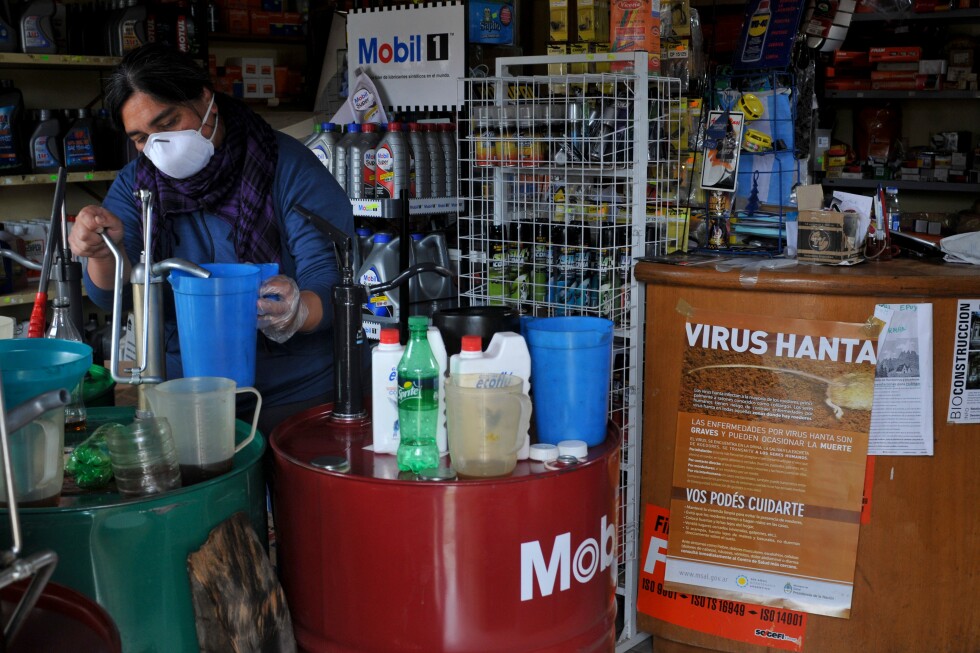
    Public health officials advise that the core prevention step is to minimize contact with rodents and their waste. When cleaning up areas with rodent droppings, people must wear disposable protective gloves and use a bleach solution to decontaminate surfaces. Experts strongly warn against sweeping or vacuuming droppings, as these actions stir viral particles into the air, drastically increasing inhalation risk.

  • Australia housing approvals plunge as nation misses key target

    Australia housing approvals plunge as nation misses key target

    Australia is steadily falling further off track from its ambitious national housing construction goals, after new official data revealed a sharp double-digit drop in building approvals during March that has deepened concerns over ongoing supply shortages and affordability crises across the country.

    Data published by the Australian Bureau of Statistics (ABS) shows that just 17,300 new dwellings — including standalone homes, apartments, semi-detached properties and townhouses — received planning approval across the nation in March. This marks a 10.5% decline from February’s revised figure, which hit a more-than-four-year high of 19,339 approved projects. Over the 12-month period ending in March, national total dwelling approvals reached 198,396, a figure that remains well short of the annual benchmarks laid out in the federal government’s key housing policy.

    Under the National Housing Accord, all Australian state and territorial governments have committed to delivering 1.2 million new homes over five years, which translates to an annual target of 240,000 new constructions by June 2029. Economists warn that the latest approvals data confirms the nation is not on course to hit this goal, with a cascade of economic and geopolitical headwinds piling relentless pressure on the domestic construction sector.

    AMP senior economist My Bui identified multiple overlapping factors dragging on the sector: the ongoing conflict in the Middle East, which has disrupted global energy markets, combined with persistent domestic labour shortages, rising construction material costs, and elevated interest rates have all created significant barriers to ramping up new home construction. “With these ongoing headwinds hitting the construction sector, from rising material and labour costs to tighter financing conditions, it’s increasingly likely that we will keep slipping further and further away from the National Housing Accord’s annual housing targets,” Bui explained.

    Lucinda Jerogin, associate economist at Commonwealth Bank, echoed these concerns, noting that the drop in approvals itself creates an additional layer of pressure for construction firms operating in the already strained market. “Headwinds are continuing to build, as higher interest rates and rising input costs weigh heavily on sector profitability and project pipeline,” Jerogin said. “We expect new dwelling cost inflation to accelerate in the coming months, following a series of recently announced price hikes for core construction materials.”

    The latest housing data comes amid a broader resurgence of inflationary pressure across Australia. Last Wednesday, ABS data confirmed that the national Consumer Price Index rose 4.6% in the 12 months to March 2026, hitting the highest annual inflation rate since September 2023, when the Australian economy was still in its post-COVID-19 rebound phase. Fuel prices have been the single largest driver of this recent inflation surge: petrol prices jumped 32.8% in March alone, pushing up overall transport costs by 9.2% over the 30-day period.

    This spike in global energy prices can be traced directly to escalating geopolitical tensions in the Middle East. Since the outbreak of open conflict between Israel and Iran that began at the end of February, oil markets have seen extreme volatility. Tensions have also disrupted shipping through the Strait of Hormuz, the critical global chokepoint through which roughly 20% of the world’s daily oil supplies pass, pushing up global crude prices significantly and raising transport and production costs for industries across Australia, including construction.

    Breaking down the approvals data at the state level, Victoria outperformed all other Australian jurisdictions in March, recording 5,102 total dwelling approvals, including 2,853 approvals for standalone houses. New South Wales followed closely behind with 4,445 total approvals, 2,351 of which were for houses — marking the strongest monthly growth in house approvals for the state since 2024. Queensland came in third with 3,910 total approvals and 2,258 house approvals.

    Western Australia recorded 2,158 total dwelling approvals (1,632 houses), while South Australia logged 1,632 total approvals and 816 house approvals for the month. The Australian Capital Territory recorded 337 approvals, Tasmania recorded 209, and the Northern Territory recorded just 46 new dwelling approvals in March.

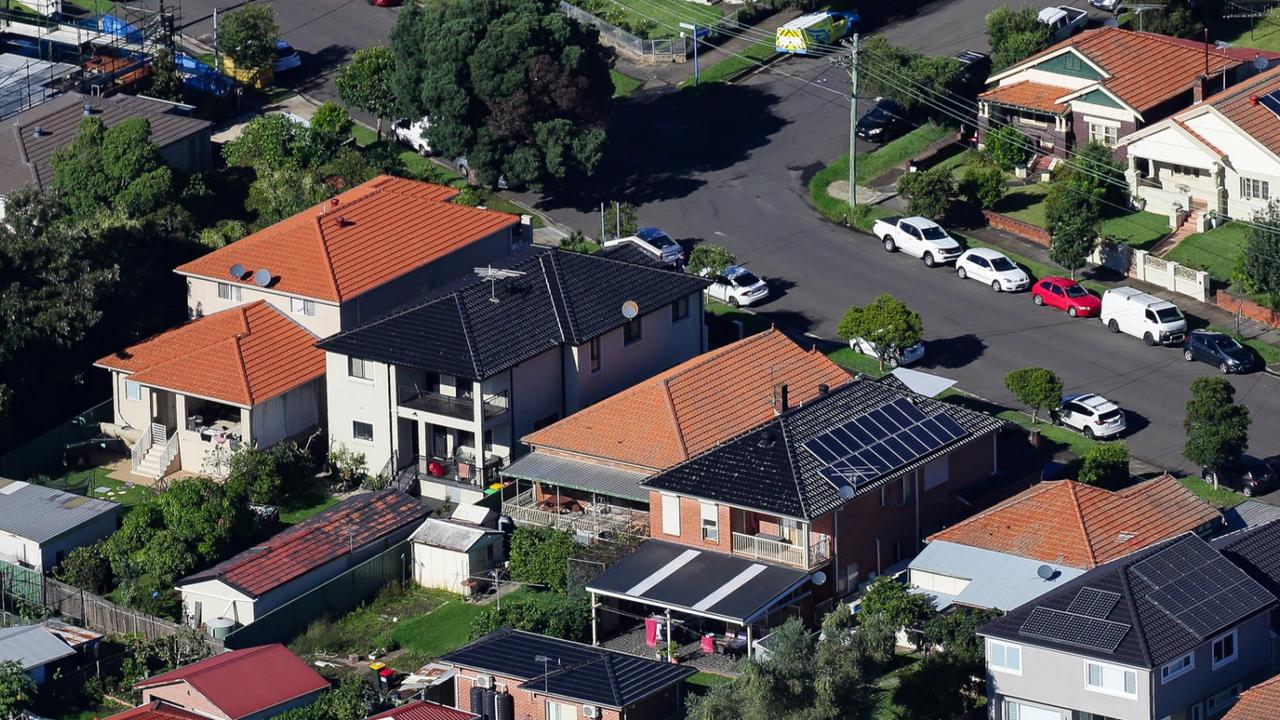
    The ongoing shortfall in new housing supply continues to worsen Australia’s long-running housing affordability crisis, pushing up rental and property purchase prices and putting home ownership out of reach for many aspiring Australian buyers, particularly young couples and first-time entrants to the property market.