作者: admin

  • Hong Kong government employee denies ordering surveillance of UK dissidents

    Hong Kong government employee denies ordering surveillance of UK dissidents

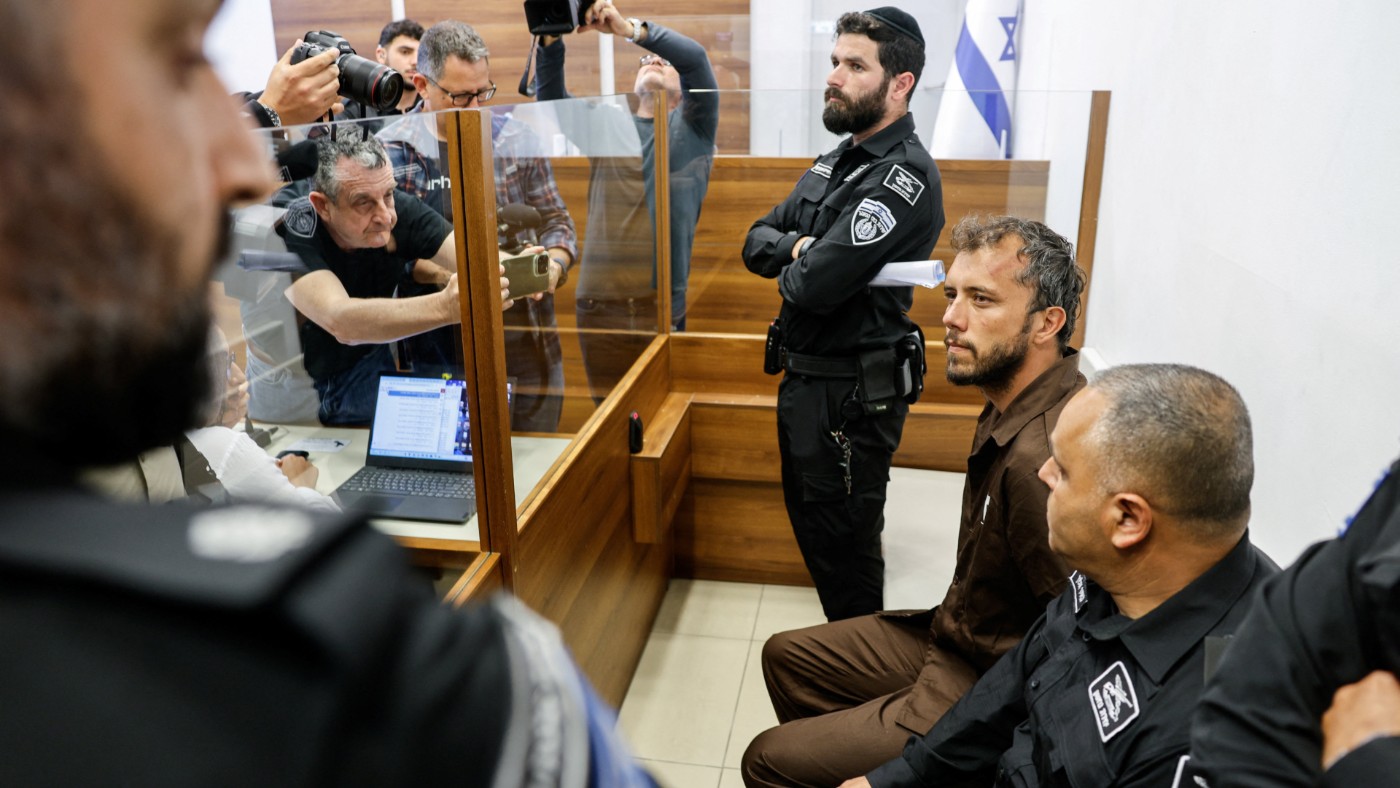
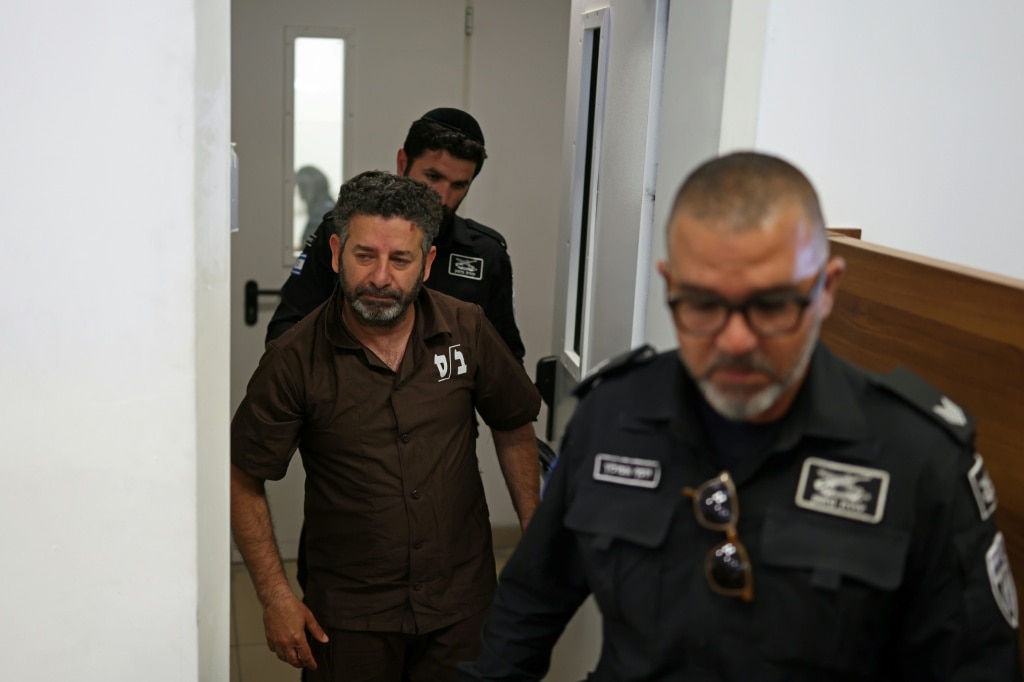
    A high-profile trial at London’s Old Bailey central criminal court has entered a critical phase as Chung Biu “Bill” Yuen, a former Hong Kong police superintendent, testified against allegations of orchestrating surveillance operations targeting Hong Kong dissidents in Britain. Yuen, who holds dual British and Hong Kong citizenship, categorically denied instructing his co-defendant Chi Leung “Peter” Wai—a former UK Border Force officer—to monitor pro-democracy activists residing in London.

    The court heard how Yuen transitioned from his law enforcement career in Hong Kong to relocating in the UK in 2015, subsequently securing employment as an office manager at the Hong Kong Economic and Trade Office (HKETO) in central London. His testimony revealed that following the 2019 pro-democracy protests in Hong Kong, the London HKETO premises became a regular site for demonstrations, significantly altering his security responsibilities.

    Yuen described escalating tensions outside the diplomatic mission, including an incident where protesters inserted flares through the building’s letterbox. He particularly highlighted the November 2019 visit of Hong Kong’s Secretary for Justice Teresa Cheng, alleging she received inadequate police protection and sustained a broken wrist after being pushed to the ground by protesters.

    According to Yuen’s account, these security concerns prompted him to seek private security assistance, leading to his restaurant meeting with Wai in Chinatown. Yuen stated he believed Wai was an active police officer operating a parallel private security business, unaware that his superintendent identification credentials were fabricated.

    The prosecution presented video evidence showing Wai positioned in the front passenger seat of Hong Kong Financial Secretary Christopher Hui’s vehicle during 2023 protests, where demonstrators blocked the official car. Yuen recalled sitting in the rear during this incident, describing how one protester specifically targeted him with personal threats and familial curses.

    Both defendants plead not guilty to charges of assisting a foreign intelligence service and engaging in foreign interference activities. Wai additionally denies misconduct in public office allegations related to unauthorized searches of Home Office databases. The trial continues with expectations of concluding next month.

  • Kazakh man facing life-threatening complications saved by Chongqing doctors

    Kazakh man facing life-threatening complications saved by Chongqing doctors

    A complex medical rescue operation spanning international borders has concluded successfully at the First Affiliated Hospital of Chongqing Medical University, where a 60-year-old Kazakh national received life-saving treatment following a failed intestinal cancer operation in his home country.

    The patient, identified under the pseudonym Mirza, arrived at the Chinese medical facility in critical condition after his initial surgery resulted in severe complications including respiratory arrest and incomplete removal of diseased intestinal tissue. The case was further complicated by the patient’s pre-existing health conditions including obesity, abdominal adhesions, hypertension, and cardiac issues.

    Under the leadership of Dr. Qian Kun, Deputy Director of Gastrointestinal Surgery, a multidisciplinary medical team devised a comprehensive treatment strategy utilizing cutting-edge 3D high-definition laparoscopic technology. The advanced surgical approach, combined with enhanced recovery protocols, allowed the medical team to successfully complete the complex intestinal procedure that had previously failed.

    “The integration of sophisticated technology with personalized patient care enabled us to navigate this medically challenging case,” stated Dr. Qian. “Our objective extends beyond technical excellence to encompass complete patient support throughout the treatment journey.”

    The patient’s family expressed profound gratitude for the comprehensive care received, noting that the medical team alleviated their anxieties throughout the treatment process. Mirza’s remarkable recovery enabled his discharge and return to Almaty, Kazakhstan, merely five days post-operation, with the hospital arranging continuous follow-up care to ensure sustained recovery.

    This successful international medical collaboration highlights China’s growing prominence in providing world-class healthcare services and advanced medical technology to international patients, particularly in complex surgical cases that require highly specialized expertise.

  • Turkey seeks off-ramp to war through US-Iran negotiations

    Turkey seeks off-ramp to war through US-Iran negotiations

    Turkish diplomatic channels have activated intensively to de-escalate mounting tensions between the United States and Iran, with Foreign Minister Hakan Fidan engaging in a comprehensive round of multilateral discussions aimed at establishing negotiation pathways. According to sources within Turkey’s Foreign Ministry, Ankara is pursuing a strategic off-ramp to the conflict through coordinated dialogue with both Western and regional powers.

    Throughout Sunday, Minister Fidan conducted a diplomatic marathon, holding separate telephone consultations with counterparts from Iran, Egypt, and several European nations. These discussions focused specifically on developing concrete measures to terminate hostilities. Simultaneously, Fidan engaged senior US officials, potentially including envoys Steven Witkoff and Jared Kushner, followed by additional conversations with diplomatic representatives from Saudi Arabia, Qatar, Iraq, and Pakistan to evaluate conflict resolution initiatives.

    Ankara’s proposed solution centers on implementing a temporary ceasefire to create operational space for negotiations. This approach would allow all parties to resume military actions should diplomatic efforts prove unsuccessful. Turkish officials explicitly identified Israel’s potential role as a spoiler in peace efforts, with Fidan noting that Prime Minister Benjamin Netanyahu’s administration appears committed to prolonging hostilities to inflict maximum damage on Iranian infrastructure.

    According to sources familiar with Turkey’s mediation strategy, Ankara is constructing a unified regional front combining European, Gulf, and other Middle Eastern actors to counterbalance Israeli influence. This initiative gains urgency following Iranian threats against critical Gulf energy infrastructure and desalination plants, which have heightened security concerns across the region.

    The negotiation framework faces significant challenges, particularly regarding Gulf states’ insistence on preventing future Iranian control over the Strait of Hormuz. Meanwhile, Iran’s primary demands include security guarantees against additional attacks and financial compensation for wartime losses. One potential solution involves permitting Iran access to revenue from its oil trade, facilitated by the Trump administration’s recent sanctions relief on 140 million barrels of Iranian crude valued at approximately $14 billion.

    Despite these diplomatic efforts, Ankara insiders express skepticism about achieving a comprehensive agreement, citing Israel’s apparent commitment to its ‘mowing the lawn’ strategy of periodic military strikes against Iranian capabilities. Additional complications include President Trump’s demand for zero Iranian nuclear enrichment and the question of negotiation venues, with Washington having dismissed Oman as a viable location. Russia has emerged as a potential guarantor for future negotiations, given its maintained relationships with all involved parties including Iran, Israel, the UAE, and Saudi Arabia.

  • On Iran, Trump executes his most spectacular U-turn yet

    On Iran, Trump executes his most spectacular U-turn yet

    In a stunning display of diplomatic whiplash, President Donald Trump has executed one of his most spectacular foreign policy reversals to date regarding Iran, demonstrating his self-proclaimed instinct-driven approach to governance. The abrupt shift sent international markets into dramatic fluctuations, with oil prices plummeting and stock indices surging within hours of his announcement.

    The pattern has become familiar to global observers: Trump issues aggressive ultimatums—in this case, a 48-hour demand for Iran to reopen the strategically vital Strait of Hormuz under threat of massive strikes—only to abruptly reverse course days later. On Monday, the president declared through his Truth Social platform that the United States had engaged in productive discussions with Iranian officials about resolving the conflict, extending a new five-day deadline for continued talks.

    Market response was immediate and severe. North Sea Brent crude oil prices collapsed by more than 14 percent, while West Texas Intermediate crude dropped nearly 10 percent. Simultaneously, the Dow Jones Industrial Average skyrocketed approximately 700 points in a classic demonstration of what analysts have dubbed the ‘TACO’ effect—an acronym for ‘Trump Always Chickens Out’ coined by Financial Times journalist Robert Armstrong.

    International relations experts note this behavior follows an established pattern. ‘Trump has been a master of sudden pivots and switches,’ observed Garret Martin, a professor at American University in Washington. ‘So it’s sometimes hard to know if there is a strategy or if it’s just always improvisation.’

    The administration’s volatility has created significant challenges for both allies and adversaries. As Martin further notes, global partners now understand that ‘agreements and promises are only as good as the minute they’re made’ with this administration.

    In the Iran case, analysts suggest multiple factors likely influenced Trump’s reversal: significant market turbulence, potential pressure from Gulf nations, and emerging tensions within his own MAGA political movement regarding the conflict. Iranian officials further complicated matters by denying that any negotiations were occurring, partially dampening the initial market enthusiasm generated by Trump’s announcement.

    The president himself framed the development as a demonstration of his legendary negotiation skills during a speech in Memphis, Tennessee, stating: ‘My whole life has been a negotiation, but with Iran we’ve been negotiating for a long time. And this time they mean business.’

    This incident represents merely the latest in a series of foreign policy reversals that have characterized Trump’s approach to international relations since returning to power, including previously abandoned threats regarding Greenland’s status and confrontations with Federal Reserve leadership over interest rates.

  • Referendum defeat leaves Italy’s Meloni looking more vulnerable

    Referendum defeat leaves Italy’s Meloni looking more vulnerable

    Italian Prime Minister Giorgia Meloni has encountered her most significant political setback since taking office, with voters decisively rejecting her proposed constitutional reforms in a national referendum. The controversial judicial overhaul, which aimed to establish a strict constitutional separation between judges and prosecutors, was defeated by a substantial margin of 54% to 46%.

    Despite the technical nature of the proposed changes, the vote rapidly transformed into a broader plebiscite on Meloni’s nearly three-and-a-half-year administration. In a social media address delivered before final results were confirmed, the Prime Minister acknowledged the clarity of the Italian people’s decision while expressing regret over what she characterized as a ‘missed opportunity for modernization.’

    The referendum outcome represents the first major electoral defeat for Meloni’s right-wing coalition, which had previously presided over an unusual period of political stability in Italy. Opposition parties swiftly hailed the result as indicative of growing public desire for change, particularly with general elections scheduled for next year.

    Voter turnout reached nearly 60% despite the complex legal question posed, exceeding expectations. Preliminary exit polls had initially suggested a narrower margin of defeat before the count expanded to a more substantial rejection of the government’s proposal.

    The failed reform would have constitutionally mandated a complete separation between judicial prosecutors and sitting judges, creating distinct governing bodies for each branch and establishing a new disciplinary court. Government advocates argued these measures were essential for enhancing judicial independence, while opponents contended they would disrupt Italy’s carefully constructed post-fascist balance of powers and increase political influence over the judiciary.

    The timing proved particularly challenging for Meloni, who maintains close political ties with increasingly unpopular U.S. President Donald Trump. With Italy’s economy experiencing stagnation and public concern mounting over Middle East conflict impacts on energy costs, many voters appeared to use the referendum as an opportunity to express broader dissatisfaction.

    Unlike former Prime Minister Matteo Renzi—who resigned following his own failed 2016 constitutional referendum—Meloni had explicitly ruled out stepping down regardless of the outcome. Renzi subsequently advised that the government had lost its ‘magic touch’ and must better heed voter concerns.

    The defeat diminishes some of the political luster surrounding both Meloni’s coalition and her personal reputation as Italy’s seemingly invulnerable political strongwoman. Opposition Democratic Party leader Elly Schlein declared the result demonstrates ‘there is an alternative to this government’ as parties prepare for next year’s general election.

  • Isolation or neutrality: The impact of Quebec’s secular law

    Isolation or neutrality: The impact of Quebec’s secular law

    Quebec’s contentious secularism legislation, formally known as Bill 21, has become the subject of a landmark constitutional challenge at the Supreme Court of Canada, sparking intense national debate about religious freedom and state neutrality. The law, which prohibits public servants in positions of authority—including teachers, police officers, and government lawyers—from wearing religious symbols while performing their duties, is facing rigorous judicial examination that could determine its future validity.

    At the heart of the legal battle are personal accounts from Muslim women who maintain they have borne the disproportionate burden of the legislation’s implementation. These individuals report being systematically excluded from public sector employment opportunities and educational pathways despite their qualifications, creating what they describe as an invisible barrier to professional participation in Quebec society.

    The provincial government defends the legislation as a necessary measure to maintain religious neutrality in public institutions, arguing it represents Quebec’s distinct cultural commitment to laïcité—a form of secularism that separates religion from state affairs. This perspective contends that the law ensures equal treatment of all citizens by eliminating visible religious influence in government services.

    Legal experts highlight that the case presents complex constitutional questions regarding the balance between provincial rights and fundamental freedoms protected under Canada’s Charter of Rights and Freedoms. The Supreme Court’s eventual ruling is anticipated to establish significant precedent concerning provincial authority to legislate on matters of religious expression in the public sphere.

    The human impact extends beyond immediate employment effects, with community advocates reporting increased social isolation and psychological distress among religious minorities. Educational institutions have simultaneously reported challenges in recruiting and retaining qualified teachers from diverse backgrounds, particularly in subjects already experiencing staffing shortages.

    As the judicial process unfolds, the controversy continues to reverberate through Quebec’s social fabric, raising profound questions about integration, diversity, and the meaning of secularism in a pluralistic society. The outcome will likely influence similar legislative initiatives across Canada and potentially redefine the boundaries between religious expression and public service throughout the nation.

  • Guangdong’s Wuyi University opens school to promote region’s cultural symbol chenpi

    Guangdong’s Wuyi University opens school to promote region’s cultural symbol chenpi

    In an unprecedented move for China’s agricultural sector, Wuyi University in Jiangmen has established the nation’s first academic institution entirely dedicated to the study and promotion of a regional specialty: Chenpi, or dried tangerine peel. The newly inaugurated Chenpi School represents a significant commitment to preserving and advancing this cultural heritage through academic rigor.

    The institution, situated in Guangdong province’s Pearl River Delta region, will leverage the university’s established strengths in biomedicine and health sciences to conduct comprehensive research on this traditional product. According to the university’s official statement, the school will serve as a crucial research base specifically designed to support local distinctive industries.

    The curriculum and research initiatives will be meticulously aligned with the developmental requirements of Xinhui’s renowned chenpi industry. The school aims to achieve breakthroughs in key research areas while facilitating technology commercialization. This multidisciplinary approach will provide substantial talent development and technical support to enhance the industry’s quality-driven growth.

    Xinhui district’s chenpi holds national acclaim as both a cultural symbol of the Lingnan region and a traditional remedy valued for its medicinal properties. Generations of local residents have incorporated aged tangerine peel into various aspects of daily life—from therapeutic teas and culinary applications to traditional soups, congee, and preserved fruits. The establishment of this specialized academic institution marks a formal recognition of chenpi’s cultural, economic, and health significance, ensuring its preservation and innovation through scientific advancement.

  • War in the Middle East: latest developments

    War in the Middle East: latest developments

    The Middle East conflict entered a critical phase on Monday with simultaneous diplomatic maneuvers and military actions reshaping the regional landscape. Israeli Prime Minister Benjamin Netanyahu revealed substantive discussions with former US President Donald Trump, indicating potential pathways to convert military achievements into negotiated settlements protecting Israeli interests.

    Military operations intensified as Israeli forces struck Beirut’s southern suburbs, a known Hezbollah stronghold, following explicit evacuation warnings. The Israeli defense system experienced technical failures when the ‘David’s Sling’ interceptor malfunctioned, permitting two Iranian ballistic missiles to impact southern Israel and injure numerous civilians over the weekend.

    In Tehran, Israeli forces targeted Revolutionary Guards facilities used for coordinating Basij paramilitary operations, continuing their campaign against Iranian leadership structures. This followed the recent elimination of Basij intelligence chief Gholamreza Soleimani.

    Diplomatic channels showed heightened activity with Pakistani Prime Minister Shehbaz Sharif engaging Iranian President Masoud Pezeshkian on regional stability, promising Pakistan’s constructive peace role. Meanwhile, Britain summoned Iran’s ambassador to London condemning Tehran’s ‘reckless and destabilising actions’ following security charges against two individuals suspected of intelligence activities.

    The International Committee of the Red Cross issued grave warnings about infrastructure targeting, cautioning about potential ‘irreversible consequences’ including nuclear facility damage. President Mirjana Spoljaric emphasized the conflict ‘risks reaching a point of no return’.

    Britain initiated defensive measures by deploying short-range air defense systems to Bahrain, Kuwait, and Saudi Arabia to counter Iranian missile capabilities. Energy security concerns emerged as UAE’s ADNOC chief Sultan Ahmed Al Jaber condemned Tehran’s Strait of Hormuz restrictions as ‘economic terrorism’, while US Energy Secretary Chris Wright assured markets that oil disruptions remain temporary despite price surges.

    Former President Trump claimed unauthorized discussions with Iranian officials about ‘regime change’, assertions promptly denied by Tehran, adding another layer of complexity to the rapidly evolving situation.

  • Nato ‘cannot confirm’ Iran behind attack on UK-US base after Iranian denial

    Nato ‘cannot confirm’ Iran behind attack on UK-US base after Iranian denial

    Nato Secretary General Mark Rutte has publicly stated that the military alliance lacks sufficient evidence to corroborate claims by Israel and Britain regarding an alleged Iranian missile attack targeting the joint UK-US military installation on Diego Garcia. This declaration introduces significant uncertainty into a rapidly developing international security situation.

    The controversy originated with a Wall Street Journal report citing anonymous US officials who claimed Iran launched two intermediate-range ballistic missiles toward the Indian Ocean base, with one allegedly failing in flight and another purportedly intercepted by a US warship. Subsequently, Israeli military officials escalated these claims, asserting Iran had deployed an advanced intercontinental ballistic missile capable of reaching European capitals including Berlin, Paris, and Rome.

    Iran’s government has categorically denied targeting the Diego Garcia base, characterizing such allegations as baseless. Despite Tehran’s denials, British Communities Secretary Steve Reed publicly accused Iran of the attack, stating that according to UK assessment, one missile failed while another was successfully intercepted.

    The situation is further complicated by Britain’s recent decision to permit US forces to utilize British bases for potential strikes against Iranian targets in defense of maritime security in the Strait of Hormuz. Iranian Foreign Minister Seyyed Abbas Araghchi condemned this arrangement as ‘participation in aggression’ during a phone conversation with British Foreign Secretary Yvette Cooper, warning that such actions would be recorded as hostile acts in bilateral relations.

    The British Foreign Office reported that Cooper condemned Iran’s regional activities during the call, characterizing UK operations as defensive responses to Iranian aggression. Cooper specifically warned Iran against targeting UK bases, territory, or interests directly. This diplomatic exchange occurs against the backdrop of a previous drone attack on Britain’s Akrotiri base in Cyprus, which the UK attributed to elements in Lebanon.

  • Trump halts US strikes on power plants after ‘very good conversations’ with Iran

    Trump halts US strikes on power plants after ‘very good conversations’ with Iran

    In a significant de-escalation of tensions, former U.S. President Donald Trump has suspended military operations targeting Iranian energy infrastructure following what he characterized as constructive diplomatic engagement. The decision emerged from what Trump described as “very good and productive conversations” between American and Iranian representatives concerning Middle East hostilities.

    Through his Truth Social platform, Trump announced he directed the Pentagon to postpone all planned strikes against Iranian power facilities for a five-day window, citing the positive tone of recent negotiations. The diplomatic dialogue, focused on achieving “a complete and total resolution of our hostilities in the Middle East,” is expected to continue throughout the week according to Trump’s statement.

    The financial markets responded immediately to the geopolitical development. Brent Crude Oil prices plummeted over eight percent, while natural gas witnessed a three percent decline. Wall Street futures surged approximately two percent, and Europe’s STOXX 600 index reversed earlier losses to trade positively alongside precious metals.

    The Iranian perspective, communicated through its Kabul embassy and Fars news agency, presented an alternative narrative, suggesting Trump’s reversal came after Tehran issued a firm warning that Iranian retaliation would target all power plants throughout West Asia. This development follows Trump’s Saturday ultimatum threatening to destroy Iranian power plants if Tehran didn’t fully reopen the Strait of Hormuz to all shipping within 48 hours.

    The temporary reprieve remains contingent upon continued diplomatic progress, with Trump noting the suspension is “subject to the success of the ongoing meetings and discussions.”