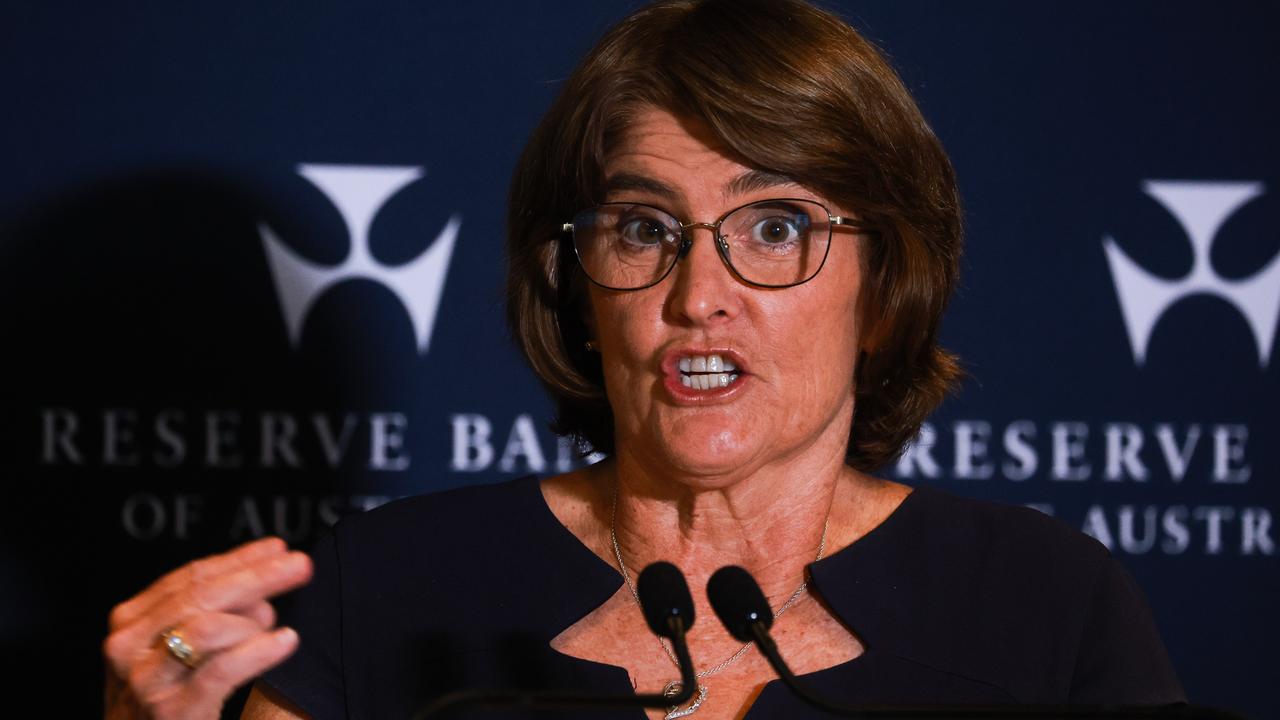
Australia’s central bank is gearing up to deliver another aggressive interest rate increase this Tuesday, with a fresh surge in persistent inflation leaving policymakers with little choice but to squeeze the national economy. Financial and economic analysts widely expect the Reserve Bank of Australia (RBA) to raise the official cash rate by 25 basis points at its 2:30 pm board meeting, marking the third consecutive rate hike in 2026. If the forecast holds true, the benchmark cash rate will climb back to 4.35 percent, completely erasing the three rate cuts implemented to support the economy in 2025 and piling fresh financial stress on roughly 3.6 million Australian mortgage holders.
作者: admin
-
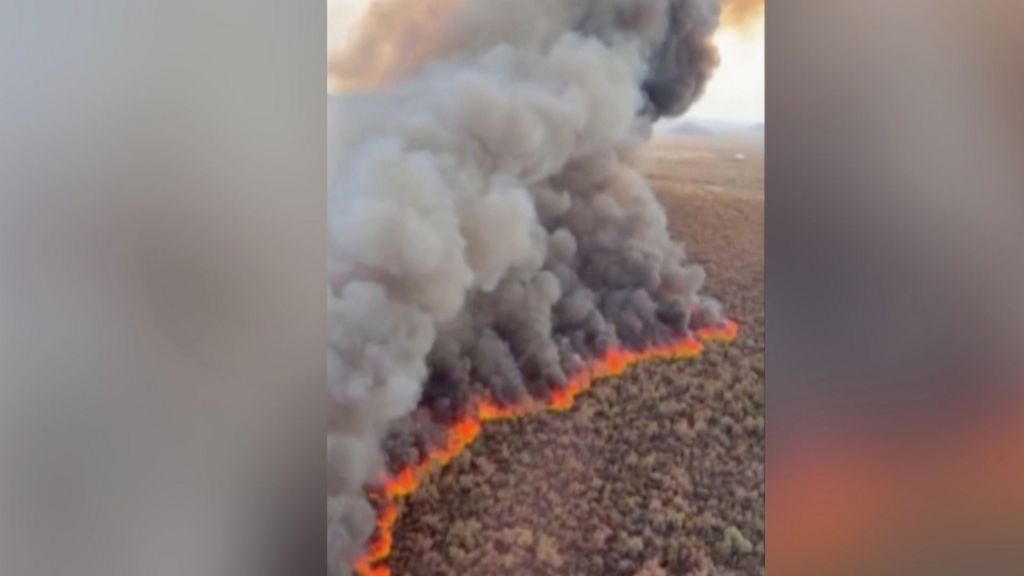
Wildfire tears through hundreds of acres in Arizona
A fast-moving wildfire has swept across hundreds of acres of land in Arizona, triggering an urgent firefighting response from local emergency crews. Local authorities have conducted rapid aerial and ground assessments of the blaze, putting the total burned area at 558 acres, equal to roughly 2.3 square kilometers of terrain. At the time of reporting, firefighting teams were already on the ground working aggressively to contain the spread of the fire, clear affected boundaries, and prevent the blaze from extending into nearby populated areas or ecologically sensitive zones. While details on the cause of the wildfire and any reported injuries or structural damage have not yet been released, local emergency management departments have activated their standard wildfire response protocols to coordinate resource deployment across the affected region. Firefighters are expected to remain on site for coming days to fully extinguish hot spots and secure the burned area.
-

World shares are mixed, with sharp gains for tech stocks, while oil prices bounce back
Global equity markets kicked off the trading week with a split performance Monday, as a wave of bullish momentum for semiconductor and technology stocks, carried over from last Friday’s record-breaking rally on Wall Street, offset ongoing uncertainty stemming from escalating tensions in the Strait of Hormuz. Following the U.S. military’s launch of a new operation early Monday to escort commercial vessels through the strategic shipping chokepoint, global oil prices staged a sharp rebound, with international benchmark Brent crude climbing more than $2 per barrel.
Iran has formally rejected the U.S. escort plan, but Foreign Ministry spokesman Esmail Baghaei confirmed Sunday in comments reported by Iran’s state-run judiciary Mizan News Agency that Tehran is currently reviewing the U.S. response to its latest diplomatic proposal to de-escalate the ongoing war. By mid-trading Monday, U.S. West Texas Intermediate crude had risen $1.80 to settle at $103.73 per barrel, while Brent crude jumped $2.23 to hit $110.40 per barrel.
In European trading, indexes ended the day with minor moves after a volatile session. Germany’s DAX index inched up 0.1% to close at 24,303.77, while Paris’s CAC 40 slipped 0.5% to 8,072.91. U.K. markets remained closed for a public holiday, leaving trading volumes thin across much of the continent. U.S. equity futures pointed to a muted open, with S&P 500 futures trading almost flat and Dow Jones Industrial Average futures down 0.3% heading into the New York trading session.
Across Asian markets, performance was far more dynamic, driven by broad buying of technology and semiconductor shares following last week’s strong U.S. earnings. Hong Kong’s Hang Seng Index gained 1.2% to close at 26,095.88, while South Korea’s Kospi surged 5.1% to end at 6,936.99, led by a 5.4% jump in shares of tech giant Samsung Electronics. In Taiwan, the Taiex index rallied 4.6%, propelled by a 6.6% gain in market heavyweight Taiwan Semiconductor Manufacturing Company (TSMC), the world’s leading contract chipmaker. Australia’s S&P/ASX 200 bucked the upward trend, slipping 0.4% to 8,697.10, while markets in mainland China and Japan remained closed for Golden Week national holidays.
Analysts note that much of the near-term trajectory for global markets will depend on diplomatic progress to end the war in Iran and resolve the shipping backlog that has choked the Strait of Hormuz, a chokepoint through which roughly 20% of global oil supplies pass daily. In a Monday market commentary, Stephen Innes of SPI Asset Management noted that the oil market “remains the fulcrum” of global market volatility, with hundreds of tankers, bulk carriers, and cargo ships still stranded across the Persian Gulf. Idle vessels have created widespread storage constraints that have forced energy producers to curb production, as there is no available capacity to hold newly extracted crude.
Thousands of seafarers have been stuck onboard stranded vessels in the Gulf since the outbreak of the war. Multiple crew members told the Associated Press they have witnessed intercepted drones and missiles explode over nearby waters, while their ships face growing shortages of drinking water, food, and other critical supplies.
The U.S. military operation, dubbed “Project Freedom” by former President Trump, launched early Monday morning. U.S. Central Command confirmed the mission involves guided-missile destroyers, more than 100 aircraft, and 15,000 active service members, though the Pentagon has not yet responded to questions about the operational deployment of these forces.
Last Friday, Wall Street closed out its fifth consecutive winning week with fresh record highs for major indexes. The S&P 500 gained 0.3% to hit an all-time closing high of 7,230.12, while the Nasdaq Composite added 0.9% to close at a record 25,114.44. The Dow Jones Industrial Average dipped 0.3% to 49,499.27. Tech giant Apple led the rally after reporting better-than-expected quarterly profits, with its share price climbing 3.3% to provide the single biggest boost to the broad S&P 500.
Long-term market performance has continued to track corporate earnings, and U.S. companies have broadly outperformed profit expectations through the first quarter of 2026. This resilience has held up even amid the ongoing Iran war and elevated oil prices that have eroded consumer confidence for many U.S. households.
In currency markets Monday, the U.S. dollar edged up slightly to 156.92 Japanese yen, up from 156.80 yen in prior trading. The dollar dipped as low as 155.75 yen at one point, with thin trading volumes amplifying volatility due to the closure of Japanese markets. The euro fell to $1.1717, down from $1.1746 in the previous session.
-

‘That’s where you’ll see sides struggle’: Blues legend reveals doubts over Nathan Cleary and Mitch Moses as halves for Origin
As the New South Wales Blues ramp up preparations for the 2025 State of Origin series opener on May 27, one of the program’s most celebrated former winners is casting doubt on a potential star halves combination that has dominated recent selection discussion. Trent Hodkinson, the playmaker who steered NSW to a historic 2014 series victory that ended Queensland’s eight-year winning streak, says Penrith Panthers star Nathan Cleary is a guaranteed selection at the number seven halfback jersey – but he is not convinced pairing Cleary with another specialist halfback, Parramatta Eels’ Mitchell Moses, will deliver success at the highest level of rugby league’s toughest representative arena.
The NSW selection panel is set to name its starting side for the opening match in exactly two weeks, and Cleary’s spot at halfback has been viewed as a near-certainty despite inconsistent past performances in the Origin environment. Cleary has built a reputation as one of the best elite playmakers in the world, leading his Penrith side to multiple NRL premierships, and his combination with Panthers club teammate Jarome Luai is already proven at both domestic and representative level.
Moses, a regular Blues representative who has turned in strong Origin performances in previous campaigns, has not been at his dominant best for Parramatta this NRL season. However, the Eels have been ravaged by a devastating injury crisis across their roster, a context that has softened criticism of Moses’ 2025 form. The pair have only shared the Origin field once: in last year’s series opener, where Moses lined up at five-eighth alongside Cleary, before injuries cut short any chance for the duo to build sustained chemistry together.
Beyond Moses, Hodkinson points to two other credible candidates for the five-eighth role: Luai, who has recently returned to action after a mid-season injury layoff, and Canberra Raiders young gun Ethan Strange. Even with Canberra underperforming as a team in 2025, Hodkinson noted that Strange has stood out as a bright spark for the club, putting himself firmly in Origin contention.
“Nathan will be locked in at that seven, there’s no question about that,” Hodkinson said in his analysis. “There are a lot of good halves putting their hands up for sure. Moses has been playing solid footy, there’s Luai who’s just come back into the frame after being injured. Ethan Strange as well is really doing good things in a Canberra side who’s sort of underperforming at the moment, but he’s standing out which is good. I think there are multiple options at that six. Cleary will be locked in at seven, but we’ll have to see how Loz goes.”
Hodkinson pointed to his own 2014 success to explain his hesitation about pairing two elite, playmaking-focused halfbacks together. That year, Hodkinson served as the chief playmaker in the halves, while his partner Josh Reynolds operated as an instinctive, off-the-cuff energy player – a clear division of roles that made the combination click.
Hodkinson concedes that a Cleary-Moses pairing could still work, as long as the pair define clear roles ahead of the game: with Cleary leading the structure and play direction, and Moses leaning into his natural running game and long-range kicking ability, a skill that is particularly valuable in the high-pressure Origin environment. The pair even proved the combination can work once before, delivering a victory in last year’s series opener.
Still, Hodkinson warned that pairing two dominant playmakers can create communication and role confusion, issues that are amplified in the Origin cauldron, where crowd noise makes on-field communication extremely difficult, especially in away fixtures.
“But I think two dominant halves, that’s where you’ll see sides struggle. Especially at Origin level where it’s hard to hear, you’ve got the crowd, away games and things like that,” he explained. “If Nathan can direct the play around and Mitch can play off the back of it – which they’ve done before – (then it can work) but Luai has got that long-standing combination with him. And Ethan Strange, he can take a backward step down there at Canberra and then just explodes when he needs to. As Loz said, they’re going to pick on form, he’s made it quite clear, so certainly they’ll need to play their way into a jersey.”
-
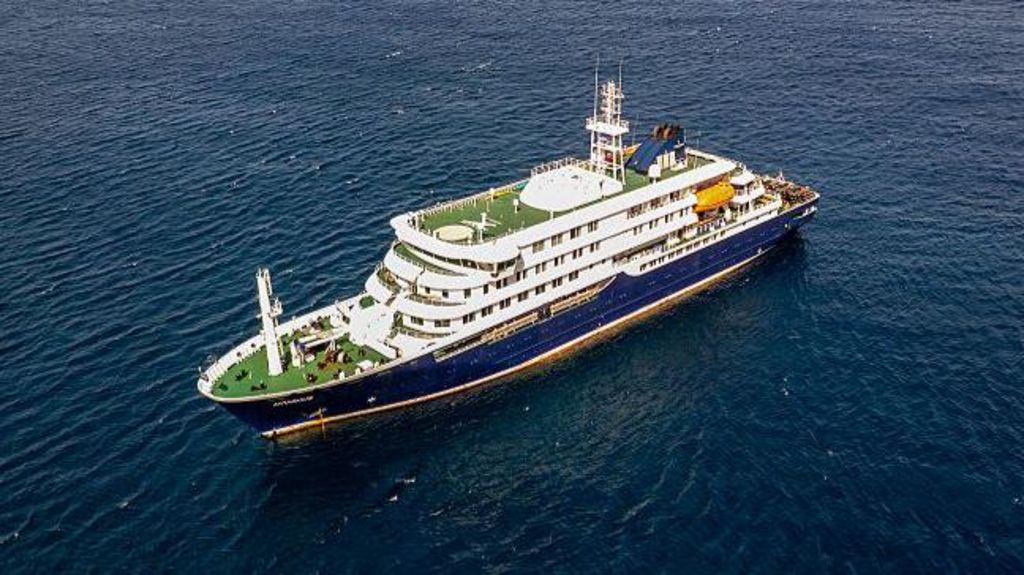
What is the hantavirus that has been confirmed on an Atlantic cruise ship?
A suspected hantavirus outbreak on an Atlantic Ocean cruise ship has left three people dead, the World Health Organization (WHO) has confirmed. Of the six reported cases linked to the incident, one has received formal laboratory confirmation, while the remaining five are still being examined as part of ongoing investigations.
The outbreak unfolded aboard the MV Hondius, a cruise vessel operating on a voyage from Argentina to the West African island nation of Cape Verde. WHO spokespeople told the BBC that detailed epidemiological inquiries, including additional rounds of laboratory testing, are still underway to clarify the full scope of the transmission event.
To contextualize the public health risk, hantaviruses are a family of pathogens naturally hosted by rodent populations. The United States Centers for Disease Control and Prevention (CDC) explains that most human infections occur when people inhale aerosolized particles contaminated with virus from dried rodent urine, droppings, or saliva. Rare secondary transmission routes include bites or scratches from infected rodents.
Infection with hantavirus can progress to one of two life-threatening syndromes. The first, Hantavirus Pulmonary Syndrome (HPS), begins with non-specific early symptoms including fatigue, elevated body temperature, and muscle pain, often followed by headaches, chills, dizziness, and gastrointestinal discomfort. Once the virus progresses to attack the respiratory system, CDC data places the mortality rate at roughly 38%.
The second, more severe form of disease is Hemorrhagic Fever with Renal Syndrome (HFRS), which primarily targets kidney function. Advanced cases can lead to dangerously low blood pressure, internal bleeding, and acute kidney failure. Data from the U.S. National Institutes of Health estimates 150,000 new cases of HFRS are recorded globally each year, with the vast majority concentrated in Europe and Asia; over half of all annual cases occur in China. In the United States, where systematic hantavirus surveillance launched in 1993, just 890 confirmed cases were reported across the 30-year period ending in 2023. Still, one globally distributed common strain, Seoul virus, carried by widespread brown (Norway) rat populations, is present across the United States and most other regions of the world.
Unlike many viral pathogens, no targeted antiviral treatment or vaccine exists for hantavirus infection. Current clinical guidance from the CDC centers on supportive care tailored to a patient’s symptoms: this may include supplemental oxygen therapy, mechanical respiratory support, antiviral drugs, and kidney dialysis for patients experiencing renal failure. Severe cases require admission to hospital intensive care units, with many critically ill patients needing intubation to support breathing.
Public health officials emphasize that prevention focuses entirely on eliminating human contact with rodent populations. Core recommendations include sealing structural gaps in basements and attics that allow rodents to enter residential buildings, and wearing properly fitted protective equipment when cleaning up areas with rodent droppings to avoid inhaling contaminated dust.
This cruise ship outbreak marks the second high-profile hantavirus death recorded this year. In February 2025, Betsy Arakawa, wife of Oscar-winning American actor Gene Hackman, died from a respiratory illness caused by HPS, the most common strain of hantavirus in the U.S. Investigators found rodent nests and dead rodent specimens in outbuildings on Arakawa’s property, where she had been staying before her death. Police documents show Arakawa searched online for information comparing flu and COVID-19 symptoms in the days before her death, highlighting the challenge of distinguishing hantavirus’s early non-specific symptoms from more common respiratory illnesses.
-
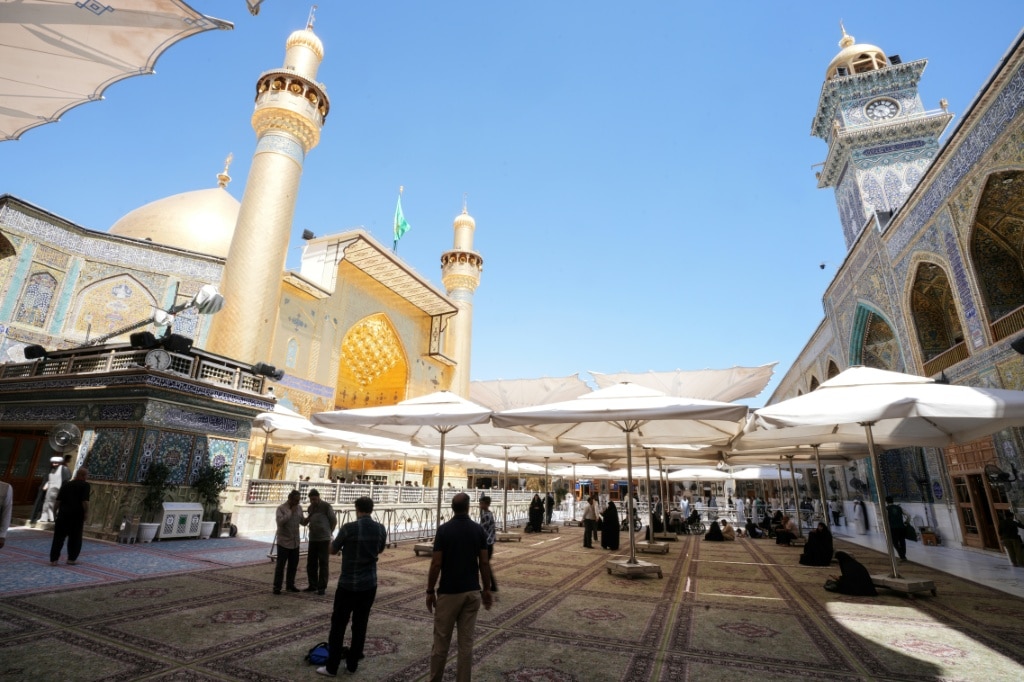
‘No pilgrims’: regional war hushes Iraq’s holy cities
The echoes of multilingual pilgrim chatter that once filled the vast courtyards of Imam Ali’s iconic golden-domed shrine in Iraq’s Najaf have fallen silent. Months of escalating regional conflict sparked by U.S.-Israeli strikes on Iran in late February have effectively halted the annual flood of Shia worshippers that sustains the local economy, leaving business owners, workers and hoteliers reeling from an unprecedented collapse in tourism revenue.
For decades, millions of Shia Muslims from across the globe – Iran, Lebanon, Gulf Cooperation Council states, India, Afghanistan and beyond – make the spiritual journey to Iraq’s two holiest sites: Najaf, home to the burial place of Imam Ali, the Prophet Mohammed’s son-in-law and first Shia Imam, and Karbala, 80 kilometers north, where the Prophet’s grandsons Imam Hussein and Abbas are interred. For local communities, religious tourism is not just an industry – it is the backbone of daily livelihood.
Seventy-one-year-old Abdel Rahim Harmoush, a jeweler who has operated a stall in Najaf’s old market near the shrine for 38 years, recalled the days when the market was so packed with foreign visitors that navigating the aisles was nearly impossible. “Iranians used to keep everyone busy: the jeweller, the fabric merchant, the taxi driver. Now there are none,” he said. Without a swift return of pilgrim crowds, Harmoush warned, the sector faces total economic ruin: small business owners will be unable to cover rent and taxes, day laborers will go without work, and transportation workers will be left stranded without passengers.
The crisis has hit the hospitality sector particularly hard. Of Najaf’s 250 hotels, 80 percent have already shut their doors, according to Saeb Abu Ghneim, head of the city’s hotel association. More than 2,000 hotel employees have been laid off or placed on unpaid leave. Fifty-two-year-old hotel owner Abu Ali told reporters he was forced to let go five of his six staff members, leaving just one employee to manage nearly 70 empty rooms. “How can I pay salaries if there is no work?” he asked.
Even currency exchangers, who once navigated nonstop lines of foreign visitors converting dinars, now sit idle. Twenty-eight-year-old Moustafa al-Haboubi said he now gets just one or two customers a day, spending most of his work hours scrolling through his phone or chatting with nearby neighbors. “There are no pilgrims now, Iranian or otherwise,” he said.
The collapse of the sector comes even after a fragile ceasefire took effect on April 8 and Iraq reopened its airspace to commercial traffic. Only a tiny trickle of domestic pilgrims visit on weekends, with almost no international worshippers returning to the sacred sites. The situation is identical in Karbala, where Israa al-Nasrawi, head of the city’s tourism committee, described the ongoing crisis as a “catastrophe.”
Tourist numbers in Karbala have dropped by roughly 95 percent, forcing hundreds of hotels to close and leaving dozens of tour operators completely out of work. Akram Radi, a tour manager with 16 years of experience in the sector, said his company once served up to 1,000 visitors a month, and now operates at just 10 percent capacity. “I might have to close and look for another job,” he said.
For Iraq, the collapse of religious tourism deals a major blow to the non-oil sector, which has long sought to diversify the country’s oil-dependent economy. The industry had only just recovered from widespread shutdowns during the COVID-19 pandemic, when mosques and shrines were closed to visitors for months. After decades of persistent conflict that have gutted other parts of Iraq’s tourism industry, religious tourism remained one of the few reliable sources of income and employment for millions of people in the country’s southern holy cities – and today, that future hangs in the balance.
-
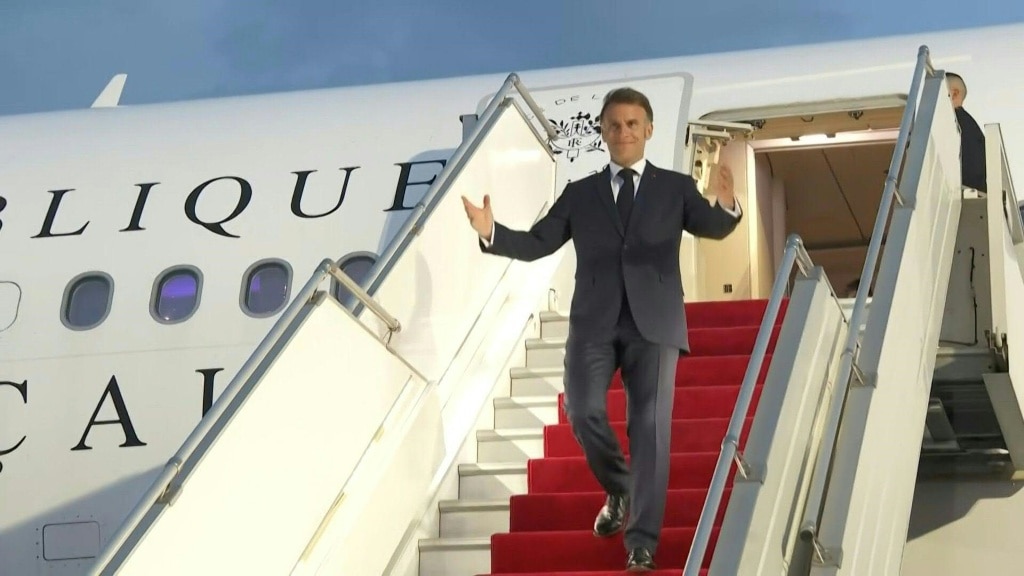
Europe, Canada leaders hold Yerevan talks in Trump’s shadow
Against a backdrop of shifting global alliances and rising geopolitical uncertainty driven by U.S. policy shifts under Donald Trump, dozens of European leaders and Canadian Prime Minister Mark Carney convened in Armenia’s capital Yerevan on Monday for the latest summit of the European Political Community (EPC), a biannual forum designed to strengthen cross-continental security cooperation.
The geopolitical shadow of U.S. President Donald Trump hangs heavily over the two-day gathering, held at a strategic crossroads between Russia and the Middle East — the two core topics dominating the summit agenda. Ahead of the official opening of talks, European Council President Antonio Costa posted to social media Sunday after arriving in Yerevan, noting that leaders from across Europe, joined by Canada as an invited guest, would collaborate on strategies to boost collective security and regional resilience.
Two ongoing conflicts have sent shockwaves through transatlantic relations in recent months: the escalating Iran war, which has sent global energy prices soaring and disrupted international markets, and Russia’s full-scale invasion of Ukraine, now grinding into its fifth year. Recent tensions between Trump and German Chancellor Friedrich Merz — who publicly criticized Washington’s handling of the Iran conflict — prompted the U.S. to announce plans to withdraw 5,000 American troops from Germany, deepening existing doubts about Washington’s long-term commitment to defending its NATO allies in Europe.
Key attendees at the summit include Ukrainian President Volodymyr Zelensky and NATO Secretary General Mark Rutte; Merz will be represented by French President Emmanuel Macron for the proceedings. Notably, Carney’s participation marks the first time a non-European leader has joined EPC talks, a shift widely interpreted as a response to closer alignment between Ottawa and Europe amid shared pushback against Trump’s policies. Like many European economies, Canada has taken major damage from Trump’s sweeping tariffs, and Carney has emerged as a leading voice for middle powers pushing back against the U.S. president’s unilateral agenda. Earlier this year, he delivered a widely cited address calling on mid-sized nations to unite in the face of a new global order defined by great power competition and the erosion of long-standing international rules-based systems.
Sebastien Maillard, a special adviser at the Paris-based Jacques Delors Institute think tank, noted that the EPC was originally framed as a cooperative body focused on countering Russian aggression after the 2022 invasion of Ukraine. “With the invitation to Canada, this initiative — which was initially driven by geography — is now taking on an anti-Trump slant,” Maillard explained. In a tangible step to deepen its ties with Europe, Canada has already become the first non-European country to join the EU’s defense financing scheme, as Ottawa actively seeks to diversify its economic and security partnerships away from its traditional southern neighbor the U.S., while expanding bilateral trade cooperation with the bloc. A senior anonymous EU official noted that “Canada has a way of looking at the world and looking at ways to solve the challenges we have currently that Europe shares to a great extent.”
Launched in 2022 on the initiative of Emmanuel Macron, the EPC was created in direct response to Russia’s invasion of Ukraine, bringing together all EU member states alongside 21 additional non-EU countries for informal dialogue. Unlike formal EU summits, the EPC does not typically produce binding policy decisions, instead prioritizing open multilateral and one-on-one discussions between leaders. Most delegates arrived in Yerevan on Sunday for an informal opening dinner, with Spanish Prime Minister Pedro Sanchez expected to join Monday after a technical issue with his aircraft forced an emergency landing in Turkey, requiring him to stay overnight in Ankara.
Monday’s gathering marks the first time the EPC has held a summit in the Caucasus region, a milestone that comes as Armenia actively pursues closer ties with the European Union while carefully reducing its long-standing reliance on traditional ally Russia. The EPC summit will be followed Tuesday by a formal EU-Armenia summit featuring European Commission President Ursula von der Leyen and Antonio Costa, who has described the meeting as a “major milestone” in Armenia’s rapprochement with the bloc.
Relations between Yerevan and Moscow have deteriorated sharply in recent years, fueled by widespread anger in Armenia over the failure of Russian peacekeepers to intervene during recurring military conflicts between Armenia and neighboring Azerbaijan. Under Prime Minister Nikol Pashinyan, Armenia has adopted an official strategy of “diversification”, maintaining limited ties with Russia while expanding political and economic links with Western institutions. The country of 3.5 million signed a comprehensive partnership agreement with the EU in 2017, and formally announced its intention to apply for EU membership last year. In April, the EU deployed a special mission to Armenia to help the country counter foreign interference, amid widespread intelligence suggesting Russia is running a large-scale disinformation campaign to disrupt Armenia’s June general elections.
While Russian President Vladimir Putin has stated he is “completely calm” about Armenia’s outreach to the EU, he has issued a clear warning that simultaneous membership in both the EU and the Russian-led Eurasian Economic Union is “simply impossible.”
-
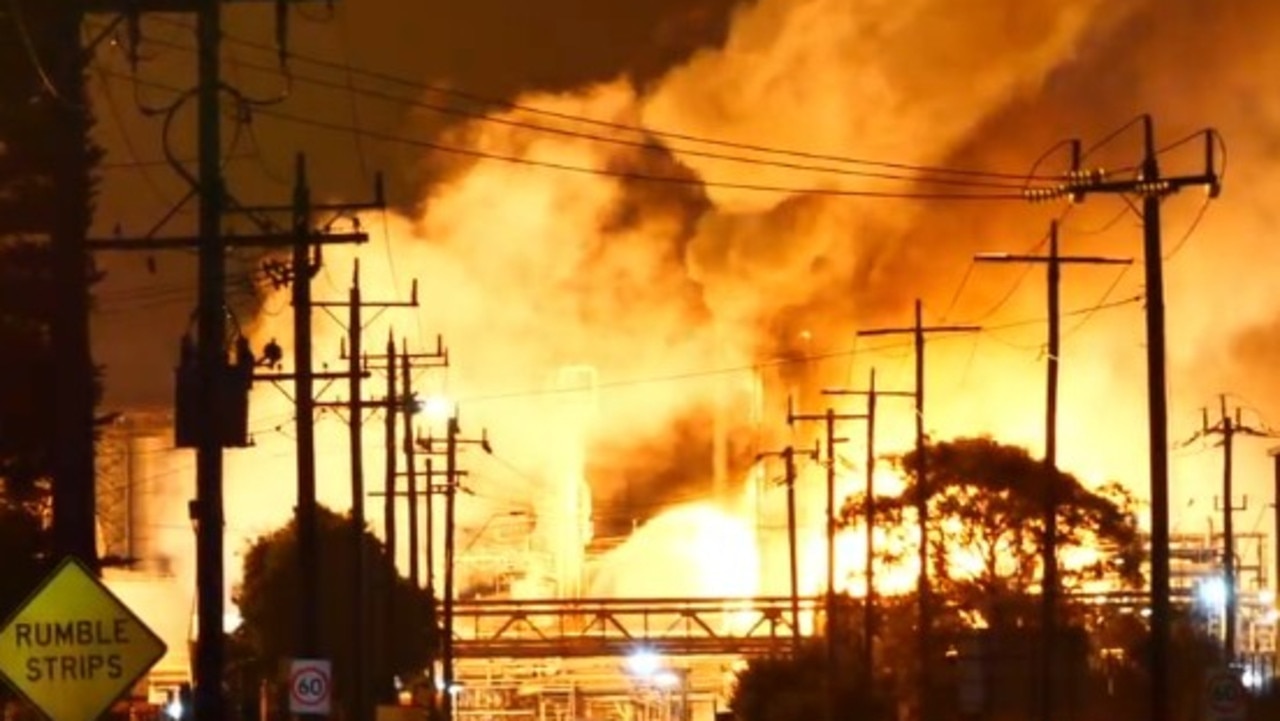
Viva Energy announces major update to progress of Geelong oil refinery repairs
Weeks after a devastating blaze tore through one of Australia’s only two functional oil refineries, operator Viva Energy has issued a key progress update on recovery efforts, confirming full operations are on track to resume by the end of June.
The Geelong refinery, positioned on the shores of Corio Bay, suffered extensive damage when an equipment fault triggered a large fire on April 15. The incident immediately forced drastic production cuts and sparked widespread concern over national fuel security, coming at a moment when Australia’s supply chains were already strained by geopolitical conflict in the Middle East and ongoing disruptions to shipping through the Strait of Hormuz.
In a filing to the Australian Securities Exchange (ASX) on Monday, Viva Energy outlined that repair work has progressed smoothly with no unforeseen delays identified to date. Crews are currently targeting a six-week repair timeline. Once the damaged critical equipment is brought back online, the facility will immediately restore production to 90% of its total maximum capacity, with full output expected by the end of June.
Viva Energy confirmed it maintains sufficient stockpiles to meet customer demand across the country throughout the repair period, despite reduced output since the fire. Immediately after the blaze, the refinery adjusted production to 80% capacity for diesel and jet fuel, and 60% for petrol. The company noted it has already begun coordination with insurance providers to cover claims for property damage and business interruption losses, while a formal investigation into the exact root cause of the fire remains ongoing.
As a critical piece of Australia’s domestic energy infrastructure, the Geelong refinery accounts for 10% of the nation’s total fuel output, and supplies more than half of Victoria’s fuel demand. It has a maximum processing capacity of 120,000 barrels of crude oil per day and employs more than 1,000 local workers.
In the days following the fire, Prime Minister Anthony Albanese moved to reassure the public that the incident would not meaningfully alter Australia’s fuel supply outlook. Official government data from the Department of the Prime Minister and Cabinet, released on April 28, showed the country held enough reserves for 43 days of petrol, 33 days of diesel, and 28 days of jet fuel at that time, easing near-term market concerns.
-
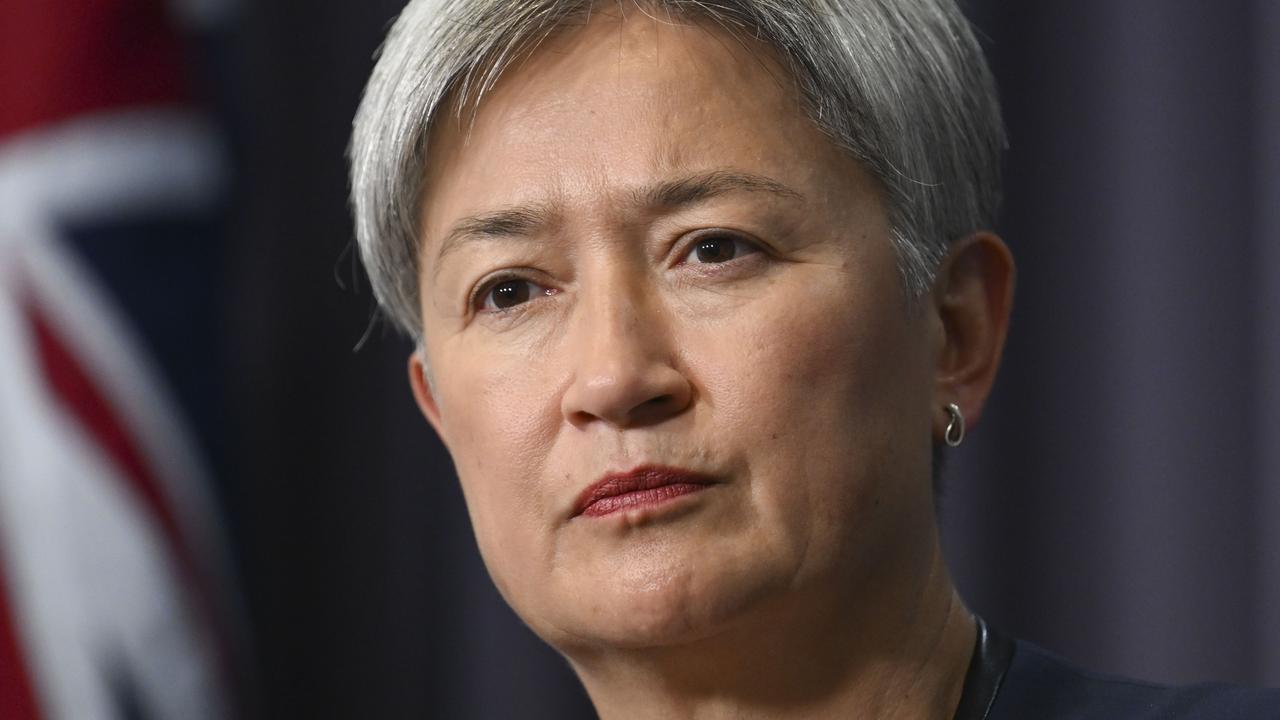
Penny Wong dodges questions about Aussie refusal of ISIS brides
A growing diplomatic and political controversy has emerged over the fate of 13 Australian citizens – nine children and four women – linked to former Islamic State fighters, after the group was released last month from the Al-Roj detention camp in northeastern Syria and blocked from traveling to Damascus to arrange their return home. The Syrian government publicly confirmed last week to the Associated Press that it halted the group’s travel to the capital’s airport, stating that Australian federal authorities had explicitly refused to accept the group back into the country. The case has put the Albanese government under intense scrutiny from opposition lawmakers, who accuse the cabinet of lacking transparency around its handling of the high-stakes national security issue.
During an interview with the morning current affairs program *Sunrise* on Monday, Australia’s Foreign Affairs Minister Penny Wong repeatedly dodged direct questions about whether the Syrian government’s claims of an Australian refusal were accurate. When pressed to confirm if Canberra had rejected the group’s repatriation request, Wong declined to endorse the Syrian government’s statement, instead stating, “I can’t speak for the Syrian government. I can only speak for the Australian government, and what I am saying is we are not acting to repatriate them.” She further implied that the Syrian account aligns with the Australian government’s longstanding position of refusing to facilitate the group’s return, a policy that was maintained after a previous attempt by the group to reach Damascus was turned back by Syrian authorities in February.
Notably, Wong did acknowledge that as registered Australian citizens, the group holds an inherent legal right to enter and return to Australian territory, a fundamental entitlement under national immigration law. The federal government has not outlined how it intends to reconcile this legal right with its stated policy of refusing to actively repatriate the group.
In terms of national security preparations, Home Affairs Minister Tony Burke has already issued a temporary exclusion order for one adult member of the group, following an official security assessment from the Australian Security Intelligence Organisation (ASIO). When asked last week whether authorities would immediately arrest the group upon arrival, Burke emphasized he would not interfere in operational law enforcement matters, leaving all public announcements to the Australian Federal Police’s discretion. “There is no way I’ll interfere with anything operationally,” Burke stated.
Reports confirm that the group received new Australian passports with the support of Jamal Rifi, a well-respected Sydney-based community doctor who has long advocated for the repatriation of stranded children from Syrian detention camps.
The center-right Coalition opposition has ramped up criticism of the Albanese government’s handling of the case, accusing cabinet of both a lack of transparency and failure to fully utilize existing legal powers to block the group’s entry. Opposition Home Affairs Spokesman Jonno Duniam argued over the weekend that the government’s ambiguous stance poses an unacceptable risk to national security. “There seems to be equivocation and a lack of certainty, a lack of clarity, when it comes to something so important as national security and protecting us from a risk that I believe, and many Australians believe, ISIS brides would pose to the Australian community,” Duniam said.
The case comes amid shifting global dynamics around the detention of ISIS affiliates: since the collapse of ISIS’s self-declared caliphate in 2019, tens of thousands of foreign citizens, including many women and children, have been held in Kurdish-run detention camps across northeastern Syria, where most have been held in poor conditions. In recent months, as relations between Western powers and Syria’s new transitional government have begun to thaw, U.S. officials have actively pressured foreign governments to repatriate their citizens held in these camps, rather than leaving them stranded in Syrian territory.
-

Warning over Iran war’s impact on soft plastics supply
As geopolitical tensions between the United States and Iran continue to simmer in the Middle East, one of the world’s largest food and confectionery manufacturers has issued a stark warning for Australian consumers: the ongoing conflict could soon upend supply chains for key packaging materials, driving up costs for beloved treats from KitKat to Allen’s Lollies.
Andrew Lawrey, General Manager of Confectionery and Snacks for Nestlé Oceania, told local media that while the company’s current packaging stockpiles remain stable for now, a prolonged escalation of regional conflict would put unprecedented strain on global supply chains for food-grade soft plastic resins – the core material used to wrap the vast majority of Nestlé’s confectionery, snack and coffee products sold across Australia. The multinational food giant holds a dominant position in Australia’s sweet treats market, with household brand names including the iconic KitKat chocolate bar, Allen’s popular line of gummy and boiled lollies, and the Nescafé coffee range.
Lawrey explained that global commodity markets, including the petrochemical sector that produces plastic resins, are already facing growing disruption from Middle East unrest. He projected that significant supply shortages and price volatility for these key packaging inputs are likely to emerge in the coming months if hostilities continue. “The Middle East is creating disruption all across all supply chains and some resins that are used to manufacture soft plastics, particularly food grade plastic, are going to be heavily impacted in the coming months,” he said in an interview with *The Australian*.
Beyond the immediate warning of supply-side pressure, Lawrey used the moment to underscore a long-term policy push for Australia to develop a domestic circular economy for soft plastics. He noted that the country already has both the access to recycled soft plastic material and the technological infrastructure needed to build a robust domestic recycling system. Bringing industry stakeholders and federal and state governments together to scale this system, he argued, would drastically cut Australia’s reliance on imported plastic resins and insulate local food manufacturers from global geopolitical shocks. “I think the reality is we have the technology, we have the abundance of the soft plastic resource, and if we get industry and government working together, there is an opportunity for a truly circular recycling system that would absolutely and fundamentally change our reliance on our net import situation,” he added.
As for the near-term outlook for consumers, Lawrey confirmed that any major supply squeeze or price spike for resin inputs would eventually lead to higher retail prices for confectionery products across the country. If resin costs increase by the same 15 to 20 percent margin that global fuel prices have seen in recent volatility, those higher costs would be passed on to supplier partners and eventually consumers, he explained. The Nestlé executive emphasized that product price increases are the company’s last resort, and that the firm plans to absorb extra costs in the short term. But he added that the final outcome will depend entirely on how long the geopolitical instability in the Middle East continues, leaving long-term cost projections uncertain.