Sydney, Australia – As public hearings kick off for Australia’s national royal commission investigating rising antisemitism, witnesses are delivering harrowing firsthand accounts of grief, fear, and a dramatic shift in social acceptance of anti-Jewish hatred tied to the December 2024 Bondi Beach Hanukkah shooting that left 15 people dead. The commission was convened in direct response to the deadly attack, the first major public inquiry of its kind focused on addressing a documented surge in antisemitic violence and harassment across the nation.
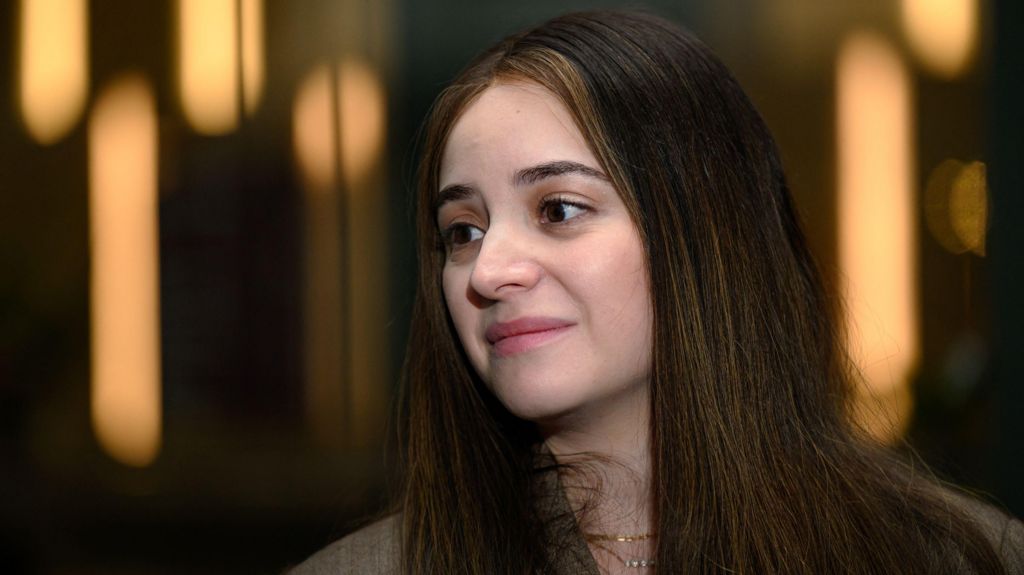
Sheina Gutnick, the daughter of victim Reuven Morrison, was the first witness to take the stand at the Sydney public hearing on Monday. Morrison, a Jewish Australian who fled the Soviet Union at age 14 and built his life in Australia, meeting his wife on iconic Bondi Beach, was killed while rushing to stop the attackers by hurling objects at the gunmen to disrupt their shooting rampage. In raw, emotional testimony, Gutnick detailed the abuse she has endured in the attack’s aftermath, including direct messages calling for her own death. She also described a stark, alarming shift in the visibility of antisemitism dating back to October 2023, saying anti-Jewish rhetoric has rapidly moved from the margins to mainstream public discourse.
“I felt as though antisemitism was allowed to come into the open,” Gutnick told the commission. “All of a sudden it was socially, morally acceptable for antisemitic comments to be made in public discourse.” Even the place her parents fell in love now carries heavy, conflicting emotions for Gutnick: “Bondi held ‘complicated’ feelings for me, despite having beautiful childhood memories at the famous beach,” she added.
The attack, carried out by 50-year-old gunman Sajid Akram who was shot dead by responding police at the scene, also involved his son Naveed Akram, the alleged second attacker. Naveed Akram was critically wounded during the police response, has since been moved from hospital to custody, and faces 59 criminal charges including 15 counts of murder and one count of committing a terrorist act.
A second witness, identified only as AAL for safety reasons, also broke down during his testimony, describing decades of love for his adopted country after moving from South Africa in the 1980s, but now questioning whether it is a safe home for his grandchildren. “I treated Australia as home from the day I stepped off the plane,” AAL said. “I have to admit things have changed – I have to think very seriously whether this is the country for my grandchildren.”
Commission officials confirmed that as of Monday morning, nearly 7,500 public submissions have been received from community members and stakeholders across the country. This first phase of public hearings, scheduled to run through May 15, centers on collecting firsthand lived experiences of antisemitism from victims and community members.
Last week, Virginia Bell, a former High Court justice leading the inquiry, released an interim report containing 14 urgent policy recommendations. Key proposals include strengthening national gun reform regulations and expanding dedicated police protection currently reserved for major Jewish high holy days to all Jewish community events. Bell has already noted that the sharp spike in antisemitism recorded in Australia mirrors surges seen across other Western nations, and is directly linked to ongoing conflict in the Middle East.
“It’s important that people understand how quickly those events can prompt ugly displays of hostility towards Jewish Australians simply because they’re Jews,” Bell said ahead of this week’s hearings. The commission is on track to deliver its final full report to the government on the one-year anniversary of the December shooting.