作者: admin

  • Iran reserves ‘inalienable and natural’ right to defend territory: president

    Iran reserves ‘inalienable and natural’ right to defend territory: president

    In a significant diplomatic exchange, Iranian President Masoud Pezeshkian has emphatically declared Iran’s “inalienable and natural right” to protect its territorial integrity following coordinated military actions by the United States and Israel. The assertion came during a high-level telephone discussion with Pakistani Prime Minister Shehbaz Sharif on Monday, addressing the aftermath of what Iranian leadership characterizes as an “illegal” offensive against their nation.

    President Pezeshkian presented a detailed account of the events, stating that the military aggression occurred during sensitive nuclear negotiations, resulting in the tragic demise of then-Supreme Leader Ali Khamenei, numerous high-ranking military officials, and civilian casualties. The Iranian leader emphasized that his country did not initiate hostilities but found itself compelled to respond to external military actions that targeted both strategic infrastructure and populated areas.

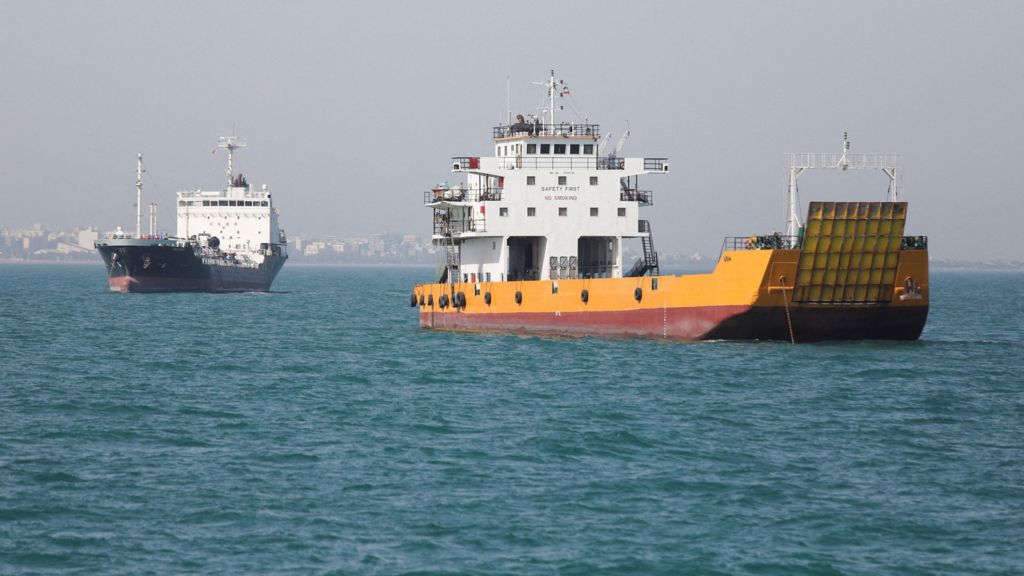
    The conversation between the two leaders extended beyond immediate security concerns to encompass broader regional stability and bilateral relations. President Pezeshkian articulated Iran’s ongoing commitment to regional security cooperation while addressing navigation safety in the Strait of Hormuz. He identified the strategic waterway’s current security challenges as direct consequences of the US-Israeli military operations, while simultaneously affirming Iran’s implementation of measures to guarantee safe maritime passage.

    Prime Minister Sharif responded with expressions of profound sympathy, conveying Pakistan’s official condolences for the loss of Iranian lives and leadership figures. The Pakistani leader acknowledged Iran’s facilitation of safe passage for Pakistani vessels through the Hormuz Strait and advocated for collaborative regional initiatives to reduce tensions and reestablish lasting peace. In a notable demonstration of diplomatic solidarity, Sharif unequivocally stated that “Pakistan has always been and will always be by the side of the Iranian government and nation,” signaling continued alignment with Tehran despite complex international pressures.

  • Hong Kong tourist group enjoys five-day customized tour in Hubei

    Hong Kong tourist group enjoys five-day customized tour in Hubei

    A significant delegation of travelers from Hong Kong has concluded an exclusive five-day curated expedition through China’s Hubei province, marking a strategic initiative by local authorities to develop premium inbound tourism. The meticulously designed itinerary catered specifically to affluent Hong Kong residents seeking immersive cultural and natural experiences.

    The journey commenced in Wuhan, where visitors enjoyed serene walks beneath blooming cherry trees and participated in sophisticated riverside afternoon tea ceremonies. Beyond the provincial capital, the group explored diverse floral landscapes before venturing to monumental engineering and ecological sites.

    Key highlights included an educational visit to the Three Gorges Dam, one of the world’s largest power stations, and an excursion to the UNESCO-listed Shennongjia National Nature Reserve, renowned for its pristine forests and unique biodiversity. The entire experience was orchestrated by Travel Expert, a Hong Kong-based agency specializing in customized travel packages.

    Provincial tourism officials emphasized that such tailored programs represent Hubei’s commitment to elevating its tourism appeal through personalized services that showcase both natural wonders and cultural heritage. This approach aligns with broader efforts to attract high-value international visitors through specialized tourism products that offer deeper engagement with regional attractions.

  • What to know about Cypriot calls for ‘frank’ talks over future of UK’s military bases

    What to know about Cypriot calls for ‘frank’ talks over future of UK’s military bases

    Cyprus has initiated calls for a comprehensive reassessment of Britain’s military presence on its territory following a significant security breach that exposed diplomatic tensions. The incident occurred on March 2 when an Iranian-manufactured Shahed drone struck a hangar at the RAF Akrotiri base, located along Cyprus’s southern coastline. British authorities had activated internal sirens to alert personnel but notably failed to notify Cypriot government officials about the imminent threat, leaving both the base and nearby civilian populations vulnerable.

    This security lapse has prompted Cypriot President Nikos Christodoulides to demand “frank and open discussions” regarding the future of Britain’s two sovereign base areas at Akrotiri and Dhekelia. These installations, spanning 99 square miles, remain vestiges of colonial-era agreements established after Cyprus gained independence in 1960. President Christodoulides characterized the bases as “colonial consequences” during remarks at the European Union leaders’ summit in Brussels on March 20.

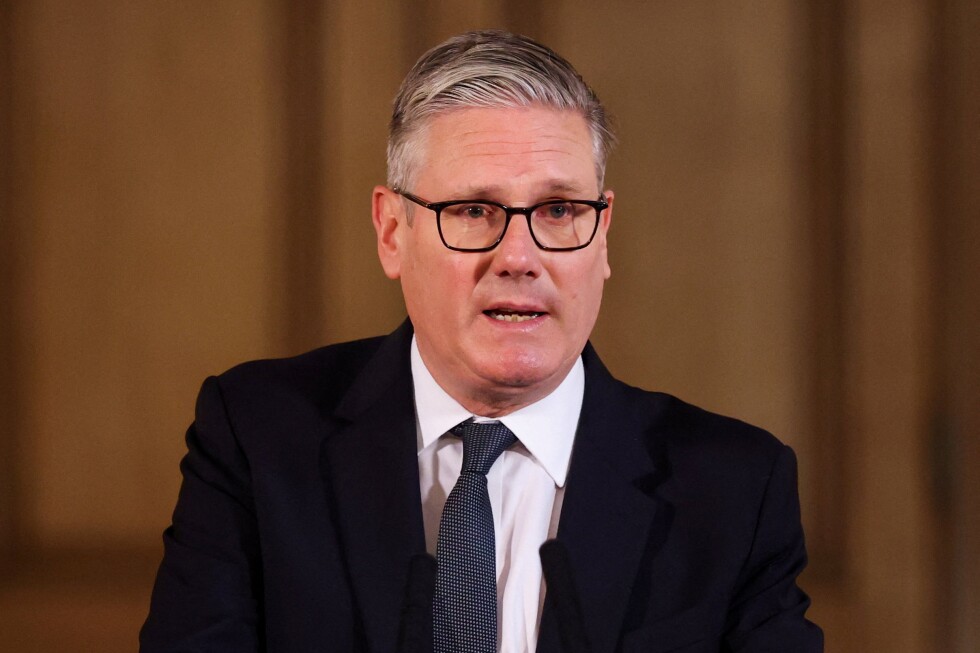
    The diplomatic friction intensified following British Prime Minister Keir Starmer’s March 1 announcement that the United States would be permitted to use British bases for defensive operations against Iranian missile sites. Although British officials later clarified that these operations would not involve Cypriot territories, the statement generated considerable concern among Cypriot authorities. According to senior Cypriot officials speaking anonymously, British authorities provided no warning about the approaching drone or potential danger to adjacent villages housing approximately 1,000 residents.

    The British government has responded with reassurances, with Starmer’s office emphasizing that “Cyprus’ security was of utmost importance to the U.K.” and confirming that RAF Akrotiri would not be utilized for U.S. strikes against Iran. Meanwhile, the UK Ministry of Defence has enhanced regional security measures, deploying the warship HMS Dragon to waters near Cyprus.

    Historically, these bases have evolved beyond their original purpose of monitoring Suez Canal traffic. RAF Akrotiri now hosts U2 spy planes conducting Middle Eastern surveillance and has served as a critical logistical hub for operations in Iraq and against the Islamic State. While successive Cypriot governments have operated under gentlemen’s agreements regarding notification of military actions, the recent incident has exposed the limitations of these informal arrangements.

    Cyprus has explicitly stated that base abolition is not currently under consideration. Instead, negotiations will likely focus on increasing operational transparency, intelligence sharing, and potentially renegotiating the bases’ status following the model of the UK’s recent agreement with Mauritius regarding the Chagos Islands. That arrangement returned sovereignty while maintaining military leasing agreements, demonstrating a potential pathway for updated bilateral arrangements between Cyprus and the United Kingdom.

  • Czech police arrest 3 over arson at drone warehouse supplying Ukraine

    Czech police arrest 3 over arson at drone warehouse supplying Ukraine

    PRAGUE — Czech authorities have apprehended three individuals in connection with a devastating warehouse fire that targeted a company supplying autonomous drone technology to Ukrainian forces. The incident, now under investigation as a suspected act of terrorism-linked arson, occurred in the industrial zone of Pardubice, approximately 100 kilometers east of Prague.

    Police confirmed the arrests involved two Czech nationals and one U.S. citizen, with two detainees captured on Czech territory and the third apprehended in neighboring Slovakia. Czech authorities have initiated extradition proceedings for the foreign-based suspect. All face serious charges including terrorist attack and participation in terrorist organizations.

    The targeted facility, owned by LPP Holding, specializes in developing dual-use technologies for both civilian and military applications. The company has been instrumental in providing advanced drone systems to Ukraine’s armed forces during ongoing conflict with Russia. While the warehouse sustained complete destruction, no injuries were reported due to the timely response of emergency services.

    Interior Minister Lubomír Metnar confirmed the incident’s potential terrorist connections, noting that investigation details are being shared with international partners. Police Commissioner Martin Vondrášek stated forensic evidence strongly suggests deliberate arson, prompting nationwide security enhancements at arms manufacturing facilities.

    LPP Holding clarified that although the destroyed building contained no weapon production, the company had previously explored establishing a drone development center in partnership with Israeli defense contractor Elbit Systems—a venture that ultimately never materialized.

    The arrests occur against a complex political backdrop where the current Czech government, led by populist billionaire Andrej Babiš, has diverged from previous administrations by rejecting financial aid and EU loan guarantees for Ukraine. This position aligns the Czech Republic with Hungary’s Viktor Orbán and Slovakia’s Robert Fico in opposing unified European support for Ukraine, despite strong popular support for Kyiv among the Czech public.

  • Rubio testifies in former congressman’s Venezuela lobbying trial

    Rubio testifies in former congressman’s Venezuela lobbying trial

    In an extraordinary courtroom appearance, U.S. Secretary of State Marco Rubio provided testimony Tuesday regarding his dealings with former Florida Congressman David Rivera, who faces serious charges of clandestine lobbying for Venezuela’s government. The federal trial, unfolding under tight security in Miami, centers on allegations that Rivera and an associate orchestrated a $50 million influence operation for Nicolás Maduro’s administration without proper registration as foreign agents.

    Rubio recounted his longstanding personal relationship with Rivera, detailing how the two politicians developed close ties during their overlapping service in Florida’s legislature and later in Washington. The Secretary described a pivotal July 2017 meeting where Rivera presented an unconventional proposal involving Venezuelan media magnate Raul Gorrin to facilitate Maduro’s departure from power.

    Despite expressing skepticism about the plan’s viability, Rubio acknowledged he pursued the opportunity on the remote chance it might yield diplomatic progress. Drawing on terminology supplied by Rivera, the then-senator delivered a carefully worded Senate address signaling Washington’s willingness to avoid retaliation against Venezuelan officials who might oppose Maduro.

    Prosecutors allege the defendants established elaborate communication protocols, including a coded chat group using Spanish-language cryptonyms such as ‘Little Cuban’ for Rubio and ‘The Lady in Red’ for Venezuela’s current acting president Delcy Rodríguez. The government contends the operation aimed to normalize U.S.-Venezuela relations during the Trump administration—an objective that has gained renewed relevance following recent political shifts in Caracas.

    Rivera’s defense team maintains their client’s consulting work focused exclusively on commercial matters involving Venezuela’s state oil company and was legally exempt from foreign agent registration requirements. They sharply distinguish this work from what they characterize as Rivera’s separate efforts to support Venezuelan opposition groups.

  • Rubio plans travel to France to sell Iran war to skeptical G7 allies

    Rubio plans travel to France to sell Iran war to skeptical G7 allies

    U.S. Secretary of State Marco Rubio is scheduled to visit France this week for critical diplomatic engagements with Group of Seven counterparts, attempting to build consensus around Washington’s controversial approach to the Iran conflict that has triggered worldwide energy market disruptions. The State Department confirmed Rubio’s participation in Friday’s ministerial gathering near Versailles, where he will advocate for American strategic interests amid growing international skepticism.

    The multilateral discussions will address pressing global security challenges, including the ongoing Russia-Ukraine war, Middle Eastern instability, and broader threats to international peace. This diplomatic initiative unfolds against contradictory narratives regarding potential U.S.-Iran negotiations, with President Trump asserting communication channels exist while Iranian officials deny such dialogue.

    Meanwhile, the strategic closure of the Strait of Hormuz to commercial tankers has precipitated dramatic oil price increases, creating urgent economic pressures worldwide. Most G7 members—including Britain, Canada, France, Germany, Italy, and Japan—have maintained cautious distance from U.S.-Israeli military operations against Iran, declining direct participation despite Trump’s public criticisms.

    The administration has particularly expressed frustration with NATO allies and G7 partners for their hesitant response to American calls for collaborative efforts to reopen the critical maritime passageway. Recent indications suggest some allies may be reconsidering their stance regarding potential measures to restore normal traffic through the vital oil transit corridor.

  • China’s elderly care subsidy benefits over 1.05m disabled individuals

    China’s elderly care subsidy benefits over 1.05m disabled individuals

    China’s Ministry of Civil Affairs has announced significant achievements in the nation’s elderly care subsidy initiative, revealing that more than 1.05 million disabled seniors have benefited from the program since its nationwide implementation began on January 1, 2026. The innovative program, which provides electronic consumption vouchers for essential care services, has demonstrated substantial impact across the country.

    The comprehensive data released on Tuesday indicates remarkable program utilization, with over three million vouchers processed nationwide carrying a total verified value of 2.35 billion yuan (approximately $341 million). The ministry reported that these subsidies have stimulated an estimated 11.5 billion yuan in elderly care consumption, creating substantial economic activity within the care sector.

    The electronic vouchers, distributed monthly to qualified recipients, cover a diverse range of essential services including meal assistance, bathing support, housekeeping services, mobility aid, emergency response systems, medical assistance, rehabilitation nursing, and daytime care facilities. This comprehensive approach addresses multiple aspects of elderly care needs for disabled individuals.

    Looking forward, the Ministry of Civil Affairs has committed to expanding program coverage through streamlined application procedures, enhanced service quality standards, and strengthened oversight mechanisms. These improvements aim to ensure that more elderly citizens can benefit from the nation’s developmental achievements and receive quality care services tailored to their specific needs.

  • Qatar gas terminal bombing will push prices higher for years

    Qatar gas terminal bombing will push prices higher for years

    A devastating Iranian missile and drone attack on March 19 has inflicted catastrophic damage upon Ras Laffan, the world’s largest liquefied natural gas terminal located in Qatar. This critical facility, responsible for supplying approximately 20% of global LNG demand, suffered extensive destruction across its 295-square-kilometer complex, with fires raging through its gas-to-liquids infrastructure.

    The assault has resulted in unprecedented financial losses, potentially reaching hundreds of millions of dollars in immediate damage. QatarEnergy CEO Saad Sherida al-Kaabi indicated the company may declare force majeure on long-term contracts, potentially disrupting LNG supplies to Italy, Belgium, Korea, and China for up to five years.

    The attack exposes the extraordinary vulnerability of global energy infrastructure. LNG operations require extremely complex technology to maintain methane at -162°C, consuming approximately 15% of extracted gas during liquefaction and transportation. Ras Laffan’s infrastructure, developed over decades at a cost of tens of billions of dollars, represents precisely the type of highly specialized facility that cannot be rapidly replaced.

    Geopolitically, the strike highlights the complex energy relationship between Qatar and Iran, whose shared North Field/South Pars gas reservoir represents the world’s largest natural gas field. While Qatar exports most of its production, Iran primarily consumes its gas domestically.

    Repairing the damaged facility—affecting roughly 17% of Qatar’s LNG infrastructure—presents extraordinary technical challenges. The process requires gradual temperature adjustments to prevent structural damage, with massive components including 50-meter heat exchangers and 5,000-metric-ton compressors that cannot be quickly manufactured or replaced.

    The global impact will be most acutely felt in Asia, where approximately 75% of Qatar’s LNG exports typically flow to China, India, Taiwan, South Korea, and Pakistan. European nations including Italy, Belgium, and Poland will also experience supply disruptions, though the UK remains less dependent on Qatari imports.

    This supply shock has already driven European gas benchmark prices to more than double since mid-January. The situation may force energy-importing nations toward cheaper alternatives, particularly coal, potentially reversing environmental progress. Unlike temporary oil disruptions, this LNG shortage represents a structural crisis that may keep global gas prices elevated for several years, fundamentally reshaping energy markets and international relations.

  • Shanghai’s global student debate draws record numbers

    Shanghai’s global student debate draws record numbers

    Shanghai University of Finance and Economics (SUFE) hosted an unprecedented gathering of intellectual talent during the 12th Shanghai International Debate Open this past weekend. The landmark event attracted 384 competitive debaters representing 12 nations, alongside 60 adjudicators from 15 different countries, marking the largest participation in the tournament’s history.

    Students from elite universities worldwide engaged in rigorous discourse addressing critical global challenges, including economic development strategies, international governance frameworks, and environmental conservation imperatives. The debates showcased exceptional analytical depth and humanitarian perspective, particularly in discussions about economic roadmaps for developing nations and sustainable energy transitions in agricultural sectors.

    SUFE Vice-President Yao Lingzhen emphasized the growing importance of debate competencies in the age of artificial intelligence. “As more technical skills face potential replacement by AI, what ultimately empowers youth to confront future challenges remains critical thinking, empathy, and human warmth,” Yao stated, noting that English debate serves as a crucial platform for cultivating these indispensable abilities.

    Bea Legaspi, co-chief adjudicator of the tournament, reflected on the transformative nature of competitive debate, describing it as “not merely an intellectual competition, but a journey to explore the world and transcend one’s own limitations.” The event demonstrated Shanghai’s evolving role as a global hub for educational exchange and critical discourse, fostering cross-cultural dialogue among tomorrow’s leaders.

  • Philippines declares energy emergency over Iran conflict

    Philippines declares energy emergency over Iran conflict

    The Philippine government has officially proclaimed a nationwide energy emergency in response to mounting threats to fuel security triggered by escalating Middle Eastern hostilities. President Ferdinand Marcos Jr. enacted this decisive measure through an executive order on Tuesday, highlighting the severe disruptions to global energy supply chains caused by the US-Israel conflict with Iran.

    The critical closure of the Strait of Hormuz—a vital maritime corridor for global oil shipments—has generated significant turbulence across international energy markets, resulting in dramatic price increases and supply shortages. This development poses particular vulnerability to the Philippines, which imports approximately 98% of its crude oil from the Gulf region.

    President Marcos emphasized that the declaration enables coordinated governmental intervention to mitigate economic disruptions. A specialized committee has been established to oversee the systematic distribution and availability of essential commodities including fuel, food, and medicines. The emergency status, effective for one year unless modified, follows urgent appeals from Philippine senators addressing the ’emergency-level’ hardships confronting citizens.

    Current data reveals petrol and diesel prices have more than doubled since pre-conflict levels recorded in February. In response to the crisis, authorities have implemented multiple countermeasures including transportation subsidies, reduced ferry operations, and a four-day work week for civil servants to conserve fuel resources.

    Energy Secretary Sharon Garin disclosed that national fuel reserves currently stand at approximately 45 days of supply. The administration will temporarily increase reliance on coal-fired power generation to offset soaring liquefied natural gas costs. Asia remains disproportionately affected by the Strait of Hormuz blockade, with nearly 90% of the waterway’s oil and gas shipments destined for the region last year.