Three passengers have died and at least two more have fallen ill in a suspected hantavirus outbreak aboard a Dutch polar expedition cruise ship, which has been anchored off the coast of Cape Verde after local authorities blocked all passengers from disembarking over public health fears, multiple global health and government officials have confirmed.
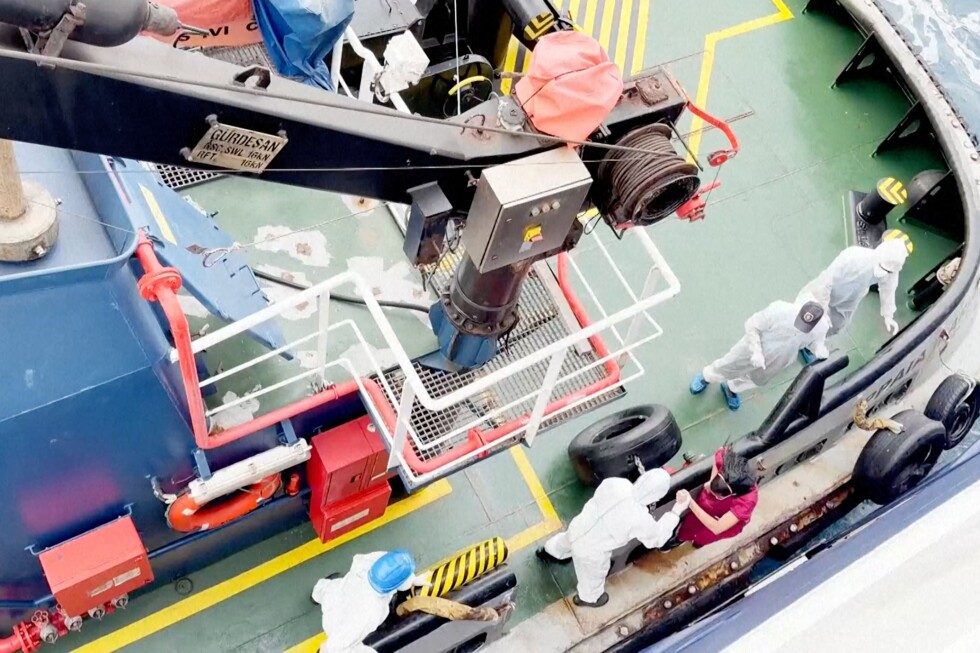
The MV Hondius, operated by Netherlands-based Oceanwide Expeditions, was mid-voyage on a multi-week expedition journey that launched from Ushuaia, Argentina on April 1, bound for Antarctica and remote island destinations across the South Atlantic, when the outbreak was detected. As of the latest updates, nearly 150 passengers and crew remain confined to their individual cabins under isolation protocols, video footage obtained by the Associated Press confirms. The ship’s public spaces including open decks and common halls are nearly empty, with only a small number of masked personnel moving through restricted areas. Medical teams in full personal protective equipment—including full-body white hazmat suits, boots, and respiratory protection—have been observed transferring supplies and personnel between the Hondius and smaller support craft off the ship.
Local Cape Verdean authorities, based in the capital Praia, made the decision to bar disembarkation to protect the country’s population of roughly 590,000 people. The archipelago nation, located off the western coast of Africa, has deployed a specialized response team including doctors, surgeons, nurses, and laboratory specialists to provide on-site medical support to the vessel, while activating enhanced safety protocols across all port areas as a precaution against the rodent-borne virus. The World Health Organization (WHO) notes that while human-to-human transmission of hantavirus is rare, it is possible, prompting the strict safety measures. Cape Verde’s National Director of Health Angela Gomes emphasized that the government’s top priority is upholding maximum protection for both local residents and response personnel, noting all medical teams interacting with the ship are equipped with full protective gear to prevent transmission.
In the immediate aftermath of the outbreak, the timeline for evacuating the sick remained unclear, but the WHO announced Monday that the plan called for a medical evacuation of affected passengers to the Netherlands for advanced care. If evacuation could not be completed through Cape Verde, Oceanwide Expeditions noted it would reroute the ship to one of two Spanish Canary Island ports: Tenerife or Las Palmas. By Tuesday, WHO’s director of epidemic and pandemic preparedness Dr. Maria Van Kerkhove confirmed in a Geneva press briefing that the official adjusted plan is for the Hondius to continue onward to the Canary Islands, where Spanish authorities will accept the vessel. She added that no additional passengers or crew have developed symptoms as of Tuesday’s update, and once the two remaining sick passengers are medically evacuated, the ship will be cleared to resume movement. Early reports had noted three additional people had experienced mild symptoms, but none have progressed to active cases.
The Spanish Ministry of Health however offered a more cautious update Tuesday, stating it is conducting close coordinated monitoring with the WHO and other involved stakeholders, and no final decision on a port of call has been made. Until all risk assessments are complete, the ministry will not formalize any acceptance of the vessel, per its official statement.
Officials in the Argentine province of Tierra del Fuego, where the voyage originated, confirmed that all passengers were screened for hantavirus symptoms before departure, and no cases were detected when the ship set sail. Juan Facundo Petrina, the province’s epidemiology director, noted that hantavirus symptoms can take up to eight weeks to appear after initial exposure, meaning any infection likely occurred before passengers boarded, or very early in the voyage.
As of the latest update, the WHO says the situation on board remains under careful continuous monitoring, with the global health body coordinating an international response that includes in-depth laboratory testing, case isolation, targeted care, and planning for evacuation. Oceanwide Expeditions said in a statement that the atmosphere on the ship remains calm, with all passengers remaining composed, and the vessel has activated its highest level (Level 3) outbreak response protocol, which includes strict isolation, enhanced hygiene, and constant medical monitoring of all people on board.