作者: admin

  • War in the Middle East: latest developments

    War in the Middle East: latest developments

    The Middle East conflict continues to escalate with significant developments across diplomatic, military, and security dimensions. Pakistani Prime Minister Shehbaz Sharif has offered Islamabad as a potential mediator for negotiations between the US-Israel coalition and Iran, signaling diplomatic efforts to de-escalate tensions.

    US Secretary of State Marco Rubio is scheduled to meet with G7 counterparts in France to coordinate responses to the ongoing crisis. Despite the alliance’s close ties with the United States, no G7 nation has explicitly endorsed the offensive against Iran, creating diplomatic friction with President Donald Trump’s administration. Trump has claimed ongoing communications with Tehran, though Iranian officials have denied these assertions.

    Iran has intensified internal security measures, announcing the arrest of 466 individuals accused of destabilizing the country through online activities. The Iranian government has maintained internet restrictions since the conflict began on February 28, though specific details regarding the nature of the alleged offenses and arrest timelines remain undisclosed.

    In a significant security appointment, Iran has named Mohammad Bagher Zolghadr, a former Revolutionary Guards commander, as head of Iran’s Supreme National Security Council, succeeding Ali Larijani who was killed in an Israeli strike last week.

    The Gulf security architecture faces potential restructuring as Qatari officials describe a ‘breakdown of the security system’ that will necessitate regional reevaluation. Lebanon has dramatically escalated tensions by withdrawing accreditation for Iran’s ambassador and demanding his departure, accusing Iran’s Revolutionary Guards of directly commanding Hezbollah operations against Israel.

    Military operations have intensified with Israel confirming completion of ‘large wave of strikes’ in Isfahan while announcing plans to establish a 30-kilometer ‘security zone’ inside Lebanon. French Foreign Minister Jean-Noel Barrot has warned against this measure, citing potential ‘major humanitarian consequences.’

    The United Nations Human Rights Council will convene an emergency session to address Iranian strikes targeting Gulf region countries. Energy infrastructure has become a focal point with Iranian media reporting strikes on two gas facilities and a pipeline, though Energy Minister Abbas Aliabadi claims Iran’s distributed energy infrastructure (150 power plants nationwide) provides resilience against such attacks.

    Casualties mount across the region with six Peshmerga fighters killed in Iraqi Kurdistan by what regional authorities describe as Iranian ballistic missiles. Tel Aviv reported four wounded from missile impacts, prompting Iran’s Revolutionary Guards to threaten ‘heavy missile and drone strikes’ in support of Palestinian and Lebanese civilians.

    Lebanon’s health ministry confirmed at least two fatalities from an Israeli strike on Bshamoun, south of Beirut, while western Iraq witnessed the death of 15 fighters including Saad Dawai al-Baiji, provincial commander of the Hashed al-Shaabi forces, in an attack blamed on the United States.

  • Libya tows drifting Russian ‘shadow fleet’ tanker to avert a Mediterranean spill

    Libya tows drifting Russian ‘shadow fleet’ tanker to avert a Mediterranean spill

    Libyan maritime authorities have successfully initiated a complex towing operation for the Russian liquefied natural gas tanker Arctic Metagaz, which had been adrift in the Mediterranean Sea for approximately three weeks following a suspected naval drone assault. The damaged vessel, part of Russia’s sanctions-evading ‘shadow fleet’ transporting fossil fuels amid the Ukraine conflict, is now being guided to a secure zone near Zuwara on Libya’s western coastline.

    Official video documentation released Tuesday depicts a robust tugboat carefully maneuvering the倾斜 tanker using heavy-duty cables, with visible fire damage blackening portions of its hull. The rescue operation follows weekend announcements of collaboration between Libya’s National Oil Corporation and Italian energy giant Eni to prevent a potential environmental disaster.

    Russian officials confirmed the Arctic Metagaz sustained severe damage from Ukrainian naval drone strikes near Maltese waters in early October, resulting in sudden explosions and substantial fires approximately 240 kilometers offshore from Sirte, Libya. All 30 crew members were safely evacuated despite initial erroneous reports of the vessel’s sinking by Libyan maritime authorities.

    The World Wide Fund for Nature had previously expressed grave concerns about the tanker’s instability and potential ecological threats to one of the Mediterranean’s most biologically diverse marine regions. Libyan authorities have implemented comprehensive protective measures to minimize environmental risks and prevent hydrocarbon leakage during the delicate recovery process.

  • 412 million barrels will soon flood oil markets — will it matter?

    412 million barrels will soon flood oil markets — will it matter?

    As the Iran conflict enters its second week, the strategic Strait of Hormuz remains effectively closed, severing approximately 20% of global oil shipments. In response to this unprecedented energy crisis, the International Energy Agency (IEA) has authorized the largest coordinated release of strategic petroleum reserves in history.

    Thirty-two member nations will collectively inject 412 million barrels from their strategic reserves into global markets over a four-month period starting late March 2026. This emergency measure aims to stabilize markets disrupted by the closure of the critical maritime chokepoint.

    The concept of strategic oil reserves traces back to early 20th-century military planning when the US Navy transitioned from coal to oil-powered vessels. Beginning in 1912, Congress designated petroleum-rich areas including California’s Elk Hills and Wyoming’s Teapot Dome as emergency fuel sources for naval operations.

    The modern reserve system, established after the 1973-74 oil crisis, involves storing pre-produced oil for rapid market deployment. That earlier crisis emerged when OPEC nations slashed exports by 25% to protest Western support for Israel during the Yom Kippur War, triggering a 350% price surge that parallels current market conditions.

    Current strategic reserves are designed to replace at least 90 days of import requirements, with some nations like Japan maintaining over 200 days of coverage. The US reserve, containing 415 million barrels as of March 13, 2026, provides merely 64 days of protection at current consumption rates.

    The IEA-coordinated release mechanism has been activated five times previously, most recently during the 2022 Ukraine crisis when prices exceeded $120 per barrel. Member nations collectively maintain approximately 1.2 billion barrels in government stockpiles, supplemented by 600 million barrels in commercial storage.

    The United States will contribute 172 million barrels—nearly half the total release—drawing from its Gulf Coast salt dome storage facilities in Texas and Louisiana. This withdrawal will reduce US reserves to 243 million barrels, their lowest level since the 1980s at just 34% of capacity.

    While strategic releases cannot fully replace the estimated 10 million daily barrels blocked by the Hormuz closure, they provide critical short-term price moderation by influencing futures contracts. Energy experts note that market psychology plays a crucial role, as guaranteed future supply tends to temper speculative price surges.

    The current crisis highlights shifting global energy security landscapes. China has aggressively expanded its reserves to an estimated 1.4 billion barrels, reflecting its dependence on imports for over 70% of consumption. Meanwhile, the US reserve remains significantly depleted following the 2022 release of 180 million barrels during the Ukraine crisis.

    Despite plans to replenish 200 million barrels later in 2026, the extended conflict demonstrates the continuing relevance of strategic petroleum reserves as a buffer against supply disruptions in an increasingly volatile global energy market.

  • An arson attack leaves Britain’s Jewish community feeling vulnerable

    An arson attack leaves Britain’s Jewish community feeling vulnerable

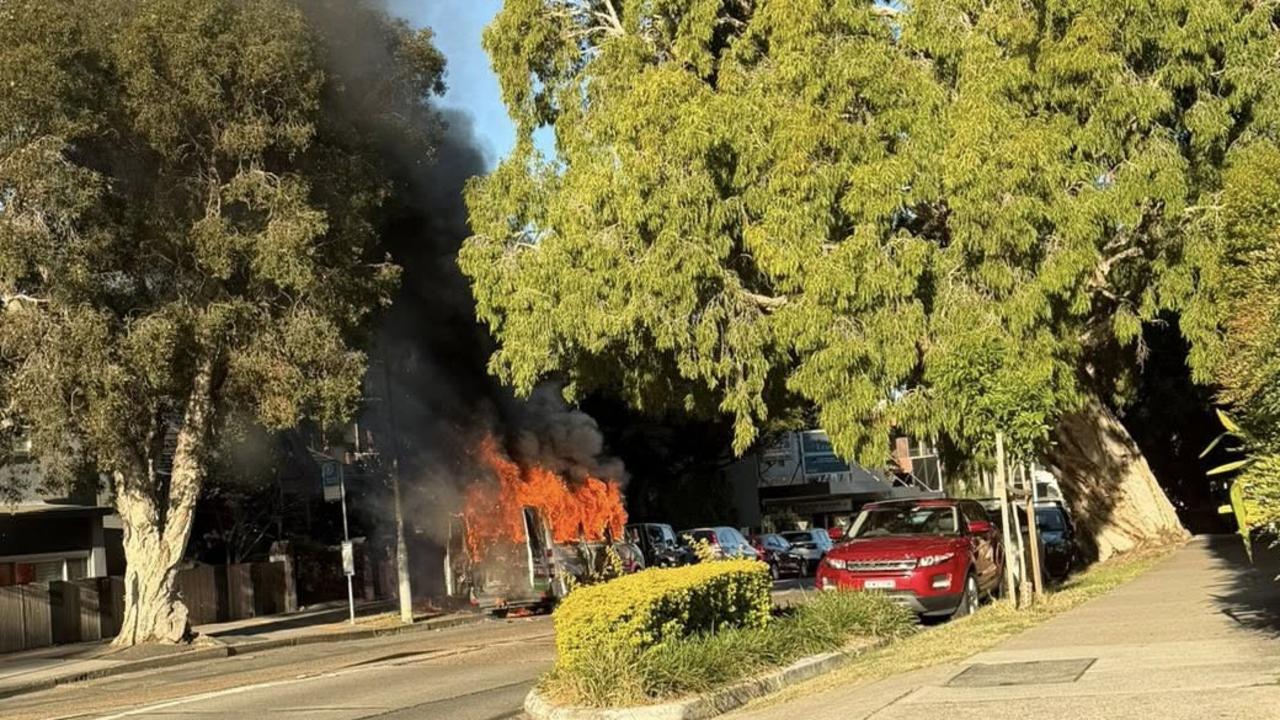
    LONDON — British authorities have launched a manhunt for three suspects following a devastating arson attack on Jewish charity ambulances in northwest London, an incident that has profoundly shaken the community’s sense of security and prompted nationwide security enhancements.

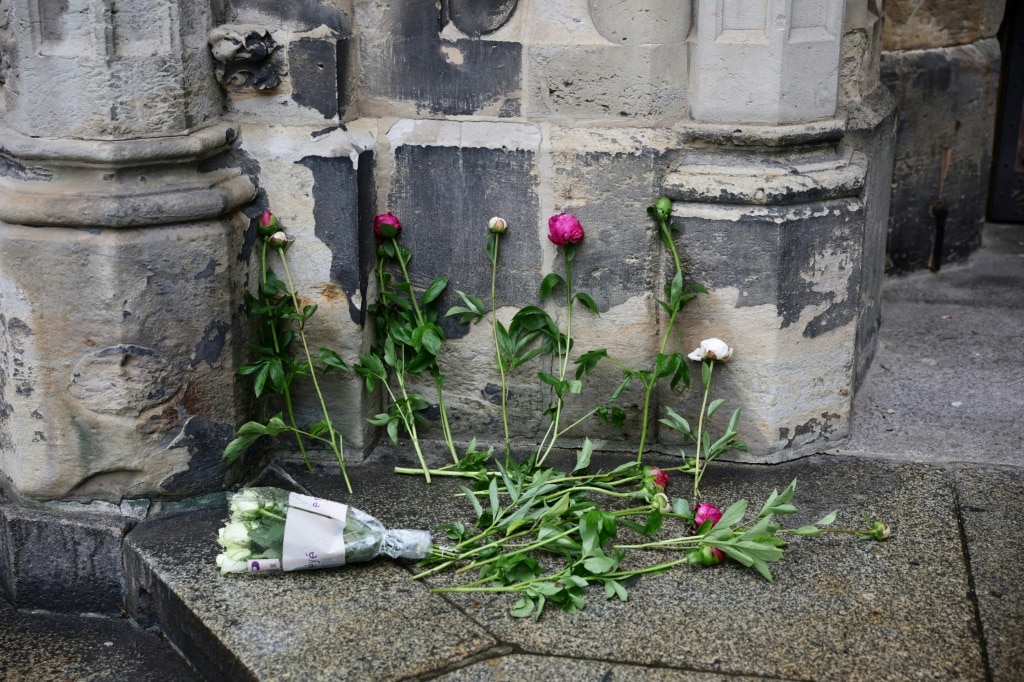
    The targeted assault occurred in Golders Green, a neighborhood with one of Britain’s most concentrated Jewish populations, where four emergency vehicles belonging to volunteer rescue organization Hatzola Northwest were completely destroyed. The intensity of the blaze triggered oxygen cylinder explosions that shattered windows in adjacent residential buildings, creating both physical damage and psychological trauma.

    Community leaders expressed profound vulnerability as counterterrorism police investigate claims of responsibility from Harakat Ashab al-Yamin al-Islamia (Islamic Movement of the Companions of the Right), a recently established group with suspected connections to Iranian proxy networks. Metropolitan Police Chief Mark Rowley confirmed the ongoing investigation while cautioning against premature attribution to the Iranian state, despite Britain’s previous accusations of Iran employing criminal proxies to target Jewish communities and opposition media outlets across Europe.

    The attack occurs against a backdrop of dramatically escalating antisemitic incidents across the United Kingdom. According to the Community Security Trust, which monitors antisemitism, reported cases have surged to 3,700 in 2025—more than double the 1,662 incidents recorded in 2022, with the steep increase following Hamas’ October 2023 attack on Israel and subsequent Gaza conflict.

    This security crisis has sparked intense debate within British society. Many Jewish community members criticize Prime Minister Keir Starmer’s Labour government for insufficiently addressing antisemitic rhetoric at pro-Palestinian demonstrations, though organizers maintain that criticism of Israeli policies constitutes legitimate political expression rather than religious bigotry.

    In response to the growing threats, London police will implement enhanced security measures for Jewish schools, synagogues, and community centers during the upcoming Passover holiday, including highly visible armed patrols. Yet community leaders like Damon Hoff, president of the affected Machzike Hadath Synagogue, emphasize that the challenges extend beyond physical protection: ‘We’re living through wars. There’s multiple fronts, and Britain is a part of it.’

    Despite the anxiety, Senior Rabbi Jonathan Wittenberg of Masorti Judaism noted the community’s determination to maintain Jewish life with resilience. However, the attacks have prompted sobering reflections among British Jews about safety both within the UK and abroad, with many questioning whether truly secure spaces exist anywhere amid rising global antisemitism.

  • US Senate confirms Markwayne Mullin as Homeland Security Department secretary

    US Senate confirms Markwayne Mullin as Homeland Security Department secretary

    The United States Senate has formally confirmed Senator Markwayne Mullin as the new Secretary of the Department of Homeland Security, concluding a contentious confirmation process during an ongoing departmental shutdown. The upper chamber approved the 48-year-old Oklahoma Republican by a vote of 54-45 on Monday, with two Democrats crossing party lines to support the nomination while one Republican senator opposed it.

    Mullin’s appointment marks the first cabinet-level reshuffle of President Donald Trump’s second term, replacing former Secretary Kristi Noem who faced mounting bipartisan criticism. Noem’s tenure became increasingly untenable following January’s fatal shooting of two U.S. citizens by federal law enforcement officers in Minneapolis, compounded by her controversial handling of a $200 million advertising campaign during recent congressional hearings.

    The leadership transition occurs against the backdrop of a paralyzed Homeland Security Department, whose operations remain severely constrained due to funding lapses. Congressional deadlock over immigration enforcement regulations prompted Democrats to strip DHS funding from a comprehensive spending package, triggering a partial government shutdown from January 31 to February 3. Although Congress subsequently passed stopgap funding for other federal agencies, Homeland Security received only a two-week continuing resolution at existing funding levels.

    Despite ongoing negotiations between both parties and the White House, immigration enforcement discussions have yielded minimal progress. The Senate’s fifth rejection of DHS funding legislation on Friday has left critical agencies including the Transportation Security Administration, Coast Guard, and Federal Emergency Management Agency operating with severely limited capabilities.

  • Business council leaders highlight Dubai’s resilience, investor confidence amid global developments

    Business council leaders highlight Dubai’s resilience, investor confidence amid global developments

    Dubai has solidified its reputation as a paradigm of economic resilience and strategic agility, according to leaders of multiple international business councils operating under the Dubai Chamber of Commerce. These executives, representing diverse global business communities, unanimously attribute the emirate’s sustained competitiveness to its integrated economic framework that combines visionary leadership, progressive government policies, and robust public-private sector collaboration.

    Business council chairpersons from India, Britain, Turkey, Malaysia, Belgium, Austria, Kuwait, Sri Lanka, Philippines, and Pakistan emphasized Dubai’s distinctive advantages including economic diversification, world-class infrastructure, and institutional preparedness. These elements collectively foster an environment where international businesses can confidently convert global challenges into growth opportunities.

    Siddharth Balachandran of the Indian Business Council highlighted the security Dubai provides investors, noting his recent high-value banking sector acquisition as evidence of his confidence in the emirate’s macroeconomic fundamentals. He emphasized that Dubai’s exceptional policy implementation and continuous monitoring distinguish its economic model.

    British Business Group CEO Katy Keenan pointed to Dubai’s sector-specific business groups and international chambers as comprehensive platforms that amplify the business community’s voice. She noted that maintained growth momentum depends on sustained infrastructure investment, foreign direct investment, and strong trade relationships.

    Turkish Business Council Chairman Kanat Kutluk observed that Dubai consistently provides a stable, dynamic environment for global businesses despite international uncertainties. He highlighted the expanding trade and investment opportunities between UAE and Turkey as evidence of this resilience.

    Multiple council leaders emphasized Dubai’s effective crisis management during the COVID-19 pandemic and current regional challenges, citing transparent government communication, business continuity surveys, and rapid adaptation as key factors. The emirate’s proactive approach to stakeholder engagement and feedback implementation received particular praise.

    Belgian Business Council Chairwoman Peggy Scherpenberg noted that sectors including trade, logistics, finance, technology, hospitality, and advanced manufacturing continue operating effectively during difficult periods. She cited Emirates Airlines’ rapid operational recovery as exemplifying Dubai’s adaptive capabilities.

    The business leaders consistently identified Dubai’s public-private partnership model, cultural diversity, long-term vision, and institutional stability as foundational to its economic success. These elements collectively position Dubai as a trusted global hub for trade, investment, and innovation capable of navigating international developments while sustaining growth momentum.

  • Tongji University launches intl student community

    Tongji University launches intl student community

    Shanghai’s prestigious Tongji University has inaugurated a groundbreaking International Student Community, marking a significant advancement in global education infrastructure. The facility officially commenced operations on March 22nd, welcoming an initial cohort of over 200 students from around the world.

    Strategically situated in the Wujiaochang core area of Yangpu District, the expansive 17,800-square-meter complex represents a substantial investment in international education. The community features five modern dormitory buildings containing 519 meticulously designed rooms, with capacity to accommodate up to 759 international scholars. Beyond mere accommodation, the facility offers a comprehensive living and learning environment equipped with contemporary amenities.

    University officials emphasize that this initiative serves dual strategic purposes: enhancing social services for cultivating global talent while simultaneously supporting Shanghai’s ambitious development as an international hub for scientific and technological innovation. The project reflects China’s growing commitment to creating world-class educational infrastructure that attracts and nurtures international scholars.

    Canadian student Zheng Anyi, among the first residents, expressed enthusiasm about the new facilities: ‘This transcends conventional dormitory living—it genuinely feels like a home that provides the perfect environment for academic focus and peace of mind.’ The community design incorporates both functional living spaces and areas for cross-cultural interaction, creating an ecosystem conducive to both academic excellence and international community building.

    The opening coincides with Shanghai’s continued expansion as a preferred destination for international education, positioning Tongji University at the forefront of global academic exchange and innovation collaboration.

  • Kenya floods worsen as 2 rivers burst banks, with death toll hitting 88

    Kenya floods worsen as 2 rivers burst banks, with death toll hitting 88

    NAIROBI, Kenya — Kenya confronts a mounting humanitarian emergency as catastrophic flooding claims 88 lives and displaces over 34,000 citizens since March. The Interior Ministry confirmed Tuesday that two major rivers have overflowed, submerging agricultural lands and forcing mass evacuations across 21 counties.

    The crisis escalated Monday when the Nyando River breached its banks in western Kenya, inundating the Ahero Bridge section of the Kericho–Awasi–Kisumu highway and severing critical transport links. Government authorities issued urgent advisories warning motorists to avoid the flooded route, particularly during nighttime when water depth and current strength become dangerously difficult to assess.

    Emergency response operations led by the Kenya Red Cross Society have intensified in hardest-hit regions. Rescue teams in Nyando have successfully evacuated more than 200 residents and 200 livestock, with at least two families extracted from immediate peril. Authorities are currently coordinating the evacuation of 900 students from Ahero Girls National School as waters continue rising.

    The Interior Ministry reports 265 households severely affected in Nyando alone, with displaced families finding temporary shelter in government offices, churches, and healthcare facilities. Among those rescued were six unaccompanied children now receiving specialized care.

    Beyond western Kenya, the disaster spans multiple regions: In Tana River County, the bursting of River Tana has flooded extensive farmlands in Mbalambala and Asako village, threatening regional food security. Uasin Gishu County faces its own crisis as multi-agency teams assess damage from the overflowing Sosiani River, which has impacted residential areas and hospitality infrastructure.

    The flooding has paralyzed daily nationwide activities, forcing school closures, rendering roads impassable, and disrupting commerce—particularly in low-lying informal settlements. While emergency teams maintain continuous monitoring, officials warn that persistent rainfall may necessitate further evacuations.

    Although Kenya experiences annual seasonal floods, the unprecedented scale and severity of this event have raised urgent questions about national disaster preparedness and the vulnerability of river-adjacent communities. Authorities are urging high-risk residents to remain vigilant and adhere to official guidance, with meteorological forecasts suggesting potential worsening conditions in coming days.

  • China protests to Japan over alleged break-in at its embassy in Tokyo

    China protests to Japan over alleged break-in at its embassy in Tokyo

    China has issued a strong diplomatic protest to Japan following a security breach at its Tokyo embassy compound, allegedly involving a member of Japan’s Self-Defense Forces. The incident occurred Tuesday morning when an individual identified as a military officer scaled the embassy walls and forcibly entered the premises, according to Chinese Foreign Ministry spokesperson Lin Jian.

    Japanese media reports indicate the suspect was apprehended at the scene and transferred to Tokyo police custody for investigation. NHK public television reported the individual left a knife behind during the incident, while TBS television confirmed the suspect carried Self-Defense Forces identification. No injuries were reported during the breach.

    The incident exacerbates existing tensions between the Asian powers, which have escalated since November when Japanese Prime Minister Sanae Takaichi characterized potential Chinese military action against Taiwan as a “survival-threatening situation” for Japan that could warrant military response. Beijing, which considers Taiwan part of its territory, has implemented diplomatic and trade measures against Japan in response.

    Chinese officials expressed profound shock at the security violation and demanded comprehensive investigation and disciplinary action. “The Japanese side has failed to properly manage and discipline its Self-Defense Forces personnel and has not fulfilled its responsibility to ensure the security of Chinese embassies and consulates and their staff,” stated spokesperson Lin during a Beijing news conference.

    Tokyo police declined to confirm details of the ongoing investigation, while the Ground Self-Defense Force acknowledged awareness of the reports but offered no immediate comment. The case is being investigated as suspected trespass under Japanese law.

  • Afghanistan releases American national Dennis Coyle held for more than a year

    Afghanistan releases American national Dennis Coyle held for more than a year

    In a significant diplomatic development, Taliban authorities in Afghanistan have released American academic Dennis Coyle after detaining him for over a year. The release, announced on Tuesday, coincided with Eid al-Fitr celebrations marking the end of Ramadan.

    Afghanistan’s Foreign Ministry stated that Coyle was freed in Kabul following appeals from his family and a Supreme Court determination that his previous imprisonment period was “sufficient.” The academic researcher had been held since January 2025 under unspecified legal violations that Afghan authorities never detailed.

    The release occurs against a backdrop of escalating tensions between Washington and Kabul. Earlier this month, the U.S. State Department designated Afghanistan as a sponsor of wrongful detention, accusing Taliban leadership of practicing “hostage diplomacy” to extract policy concessions. This placement puts Afghanistan alongside Iran in a category of nations specifically criticized for detaining American citizens.

    U.S. Secretary of State Marco Rubio welcomed Coyle’s release while emphasizing ongoing concerns. “President Trump is committed to ending unjust detentions overseas – Dennis joins over 100 Americans who have been freed in the past 15 months,” Rubio stated. He added, “While this is a positive step by the Taliban, more work needs to be done.”

    Afghan officials vehemently denied allegations of using detainees for political leverage. Foreign Minister Amir Khan Muttaqi asserted that his country “has not arrested citizens of any country to achieve political goals,” maintaining that Coyle’s case had proceeded through proper judicial processes.

    The diplomatic resolution involved multiple intermediaries, with both U.S. and Afghan officials thanking the United Arab Emirates for mediation efforts and acknowledging Qatar’s supportive role. The foreign ministry noted that Muttaqi had met with former U.S. Special Representative for Afghanistan Zalmay Khalilzad prior to the release.

    Despite this development, at least two American citizens remain unaccounted for in Afghanistan. Mahmood Habibi, an Afghan-American businessman who disappeared in 2022, and Paul Overby, missing since 2014 while researching a book, continue to be subjects of concern for U.S. authorities and their families.

    The Taliban returned to power in 2021 following the withdrawal of U.S. troops, nearly two decades after being ousted in the aftermath of the 9/11 attacks.