作者: admin

  • A trendy twist on tea: Herbal infusions are all the rage

    A trendy twist on tea: Herbal infusions are all the rage

    Across Beijing’s historic Dongsi Street, a significant shift in beverage consumption patterns is underway as young professionals increasingly abandon their conventional coffee rituals in favor of traditional Chinese herbal infusions. This movement represents more than mere trend-hopping—it signifies a profound cultural renaissance blending ancient wellness principles with contemporary urban lifestyles.

    Specialized establishments like Tea of Seasons (Shunshieryin), an offshoot of the esteemed Chinese medicine brand Chang Chun Tang, have emerged as epicenters of this transformation. Unlike standard milk tea chains, these venues emanate distinctive aromas of simmering medicinal ingredients including ginseng, astragalus root, red dates, and dendrobium. The concoctions are meticulously crafted according to traditional Chinese medicine (TCM) principles, particularly the concept of “food and medicine sharing the same origin.”

    He Jing, manager and TCM graduate at Tea of Seasons, explains their philosophy: “Our beverages deliver the familiar satisfaction of milk tea while incorporating genuine health benefits. Each formulation is seasonally tailored and nutritionally balanced by professional experts.” The ginseng and astragalus milk tea, for instance, leaves a characteristic herbal aftertaste that consumers have come to appreciate.

    Nearby, Zhima Health coffee bar—established by another TCM giant, Tong Ren Tang—offers innovative herbal-coffee hybrids including goji berry lattes and dried tangerine peel lattes. Their signature “goodnight water” cold brew, containing poria mushrooms and spine date seeds, has gained popularity among sleep-deprived urbanites, while their “stay-up water” infusion with American ginseng and monk fruit targets energy replenishment.

    This trend reflects broader demographic changes: health consciousness has transcended generational boundaries, with young Chinese consumers actively seeking non-caffeinated, low-calorie alternatives that offer functional benefits. The phenomenon has even reached global dimensions through social media platforms like TikTok, where “Chinamaxxing” enthusiasts share recipes for ginger tea and apple water to aid digestion and boost qi (vital energy).

    Sherry Zhu, a Chinese-American TikTok creator, has amassed millions of engagements by demystifying TCM wellness practices for international audiences. Meanwhile, beverage companies are capitalizing on this demand by introducing ready-to-drink bottled herbal infusions featuring ingredients like barley and red bean.

    The movement has also inspired innovative product extensions, including portable herbal sachets aligned with China’s 24 solar terms. During the Spring Equinox period, for example, Tea of Seasons recommends chrysanthemum and bamboo leaf infusions to help “clear liver heat”—demonstrating how ancient seasonal wisdom is finding new relevance in modern consumer culture.

  • How is the Philippines reacting to its energy emergency?

    How is the Philippines reacting to its energy emergency?

    The Philippines has declared a state of energy emergency, triggering widespread concern and immediate government action across the archipelago nation. From the capital Manila to remote provincial areas, citizens and businesses are confronting the tangible realities of this crisis, with long queues forming at petrol stations and industries bracing for operational disruptions.

    This energy emergency stems from a complex convergence of global and domestic factors. Internationally, volatile oil prices and supply chain constraints have created a challenging environment for energy-importing nations. Domestically, the Philippines faces infrastructure limitations and seasonal power generation challenges that have exacerbated the situation. The government’s declaration enables the implementation of emergency measures, including streamlined energy imports, potential price controls, and the activation of contingency power sources.

    The economic implications are particularly severe for this developing economy. Transportation networks, manufacturing sectors, and agricultural operations all face increased operational costs that may lead to inflationary pressures. Small and medium enterprises, which form the backbone of the Philippine economy, are especially vulnerable to energy price shocks and supply uncertainties.

    Energy experts note that this crisis highlights the Philippines’ broader energy security challenges and the urgent need for diversified energy sources. The current situation may accelerate investments in renewable energy infrastructure and prompt policy reforms aimed at creating a more resilient energy sector capable of withstanding global market fluctuations.

  • Indian man whose life support was removed after court go-ahead dies

    Indian man whose life support was removed after court go-ahead dies

    In a landmark judicial decision with profound ethical implications, 31-year-old Harish Rana has died following the withdrawal of life support in India’s first court-sanctioned passive euthanasia case. Rana passed away Tuesday at Delhi’s All India Institute of Medical Sciences (AIIMS) palliative care unit, concluding a twelve-year medical ordeal that began in 2013 when the engineering student suffered catastrophic head injuries from a fourth-floor balcony fall.

    The legal journey began when Rana’s parents petitioned courts to withdraw life-sustaining treatment for their son, who had remained in a persistent comatose state without prospect of recovery. The case presented unique legal challenges as Rana had never executed a ‘living will’—a legal document established by India’s 2018 Supreme Court ruling that permits adults to specify medical treatment preferences in terminal circumstances.

    After initial rejections from both Delhi High Court and Supreme Court in 2024, the parents successfully renewed their petition in 2025 based on their son’s deteriorated condition and dependence on artificial life support. The Supreme Court mandated two separate medical boards to evaluate Rana’s prognosis, both concluding he had irreversible brain damage, negligible recovery potential, and required complete external support for basic bodily functions.

    The medical assessments detailed extensive bed sores and permanent neurological impairment, with clinicians confirming Rana showed no responsiveness to treatment. On March 11, the Supreme Court authorized medical professionals to exercise clinical judgment, leading to the transfer to palliative care and subsequent removal of life support.

    The case establishes significant precedent for end-of-life decisions in India’s legal landscape, particularly regarding patients without advance directives. The family’s attorney confirmed this would influence future cases involving permanently incapacitated individuals across the country.

    Financial exhaustion and concerns about their son’s future care after their own deaths motivated the parents’ petition, highlighting systemic challenges in long-term critical care management within India’s healthcare framework.

  • ‘Shut the door’: Australia to ban Iranian visa holders citing ‘national interest’

    ‘Shut the door’: Australia to ban Iranian visa holders citing ‘national interest’

    The Australian government has enacted stringent new immigration measures that prohibit Iranian nationals holding visitor visas from re-entering the country, effective immediately. This policy shift comes in response to escalating geopolitical tensions following recent military actions involving Iran, the United States, and Israel.

    Under the revised regulations, individuals possessing subclass 600 visitor visas linked to Iranian passports who are currently outside Australia will be denied entry for a six-month period. The policy makes limited exceptions for immediate family members of Australian citizens or permanent residents, including spouses, de facto partners, dependent children, and parents of minors already residing in Australia.

    Home Affairs Minister Tony Burke defended the measures as necessary for maintaining the integrity of Australia’s migration system. “Many visitor visas were issued prior to the current conflict in Iran that might not have been granted under present circumstances,” Burke stated. He emphasized that permanent residency decisions should reflect deliberate government policy rather than accidental circumstances of travel timing.

    Government officials expressed concern that heightened regional instability increases the likelihood that temporary visa holders might overstay their visas or be unable to return to Iran upon expiration. The six-month suspension period will allow immigration authorities to conduct thorough case assessments while maintaining what the government describes as “flexibility in limited cases.”

    The policy development involved consultations with Iranian diaspora communities but has faced significant criticism from refugee advocacy groups. Kon Karapanagiotidis, Chief Executive of the Asylum Seeker Resource Centre, condemned the measures as effectively “shutting the door” on people seeking safety in Australia.

    The government clarified that the restrictions don’t prevent new visa applications from outside Australia and that special consideration will be given to parents of Australian citizens in exceptional circumstances. The policy also includes provisions for travelers holding active Permitted Travel Certificates, even if they’ve already departed for Australia.

    This controversial move follows the government’s much-publicized offer of asylum to members of the Iranian women’s soccer team earlier this month, of which only two players ultimately remained in Australia.

  • Where does Salah rank among greatest Premier League forwards?

    Where does Salah rank among greatest Premier League forwards?

    As Mohamed Salah’s illustrious Liverpool career approaches its conclusion after nine remarkable seasons, BBC Sport has ignited a compelling debate about his standing among the Premier League’s most legendary forwards. The Egyptian superstar, who announced this will be his final campaign at Anfield, leaves with an extraordinary legacy: 435 appearances, 255 goals, and status as Liverpool’s third-highest scorer of all time.

    The discussion extends beyond mere statistics to examine what truly defines greatness in England’s top flight. Should evaluation prioritize pure goalscoring prowess, team contribution, trophy success, or overall involvement? BBC Sport presents a comparative analysis of exceptional attackers who have shaped Premier League history, inviting fans to determine Salah’s position among these icons.

    Statistical comparisons reveal fascinating contrasts: Sergio Agüero’s dramatic title-winning moment for Manchester City complemented his record six Premier League hat-tricks; Thierry Henry’s unprecedented four Golden Boot awards with Arsenal; and Alan Shearer’s seemingly untouchable 260-goal benchmark. Each forward brought distinct qualities—from Dennis Bergkamp’s creative genius (94 assists) to Wayne Rooney’s complete attacking contribution (208 goals, 103 assists).

    Modern phenom Erling Haaland’s record-shattering 0.85 goals-per-game ratio demonstrates evolving excellence, while historical figures like Andy Cole’s five titles with Manchester United and Didier Drogba’s trophy-laden Chelsea career showcase different pathways to legendary status.

    Salah’s credentials remain formidable: 184 Premier League goals (fourth all-time), 47 assists, four Golden Boots, and three PFA Player of the Year awards. His transformative impact delivered two Premier League titles, Champions League glory, and multiple domestic cups to Anfield.

    This analytical exploration challenges fans to consider nuanced criteria beyond statistics alone—weighing moments of brilliance, cultural impact, and lasting influence on England’s football landscape. As Salah’s departure marks the end of an era, his place among the pantheon of Premier League greats sparks passionate discussion about what truly constitutes football immortality.

  • Australian sharemarket records strongest day in a year on peace talk hopes

    Australian sharemarket records strongest day in a year on peace talk hopes

    Australia’s financial markets experienced their most robust single-day performance in nearly a year, propelled by dual catalysts of geopolitical optimism and favorable economic indicators. The benchmark ASX 200 surged dramatically by 154.90 points (1.85%) to close at 8534.30, while the All Ordinaries index advanced 174 points (2.03%) to settle at 8745.30.

    The rally gained momentum from emerging reports of Middle East peace negotiations, including a potential 15-point resolution framework, alongside February inflation data that registered a modest decline to 3.7%. Despite remaining above the Reserve Bank’s target range, this inflationary cooldown provided temporary relief to investors.

    Market performance showed broad-based strength with eight of eleven sectors finishing positively. Materials sector led the charge with a remarkable 4.29% gain, driven by reduced fuel costs. Mining giants BHP (3.30%), Fortescue (1.83%), and Rio Tinto (1.59%) all posted significant advances, the latter additionally buoyed by a $2 billion government subsidy for its Boyne aluminium smelter operations.

    Financial institutions contributed substantially to the market upswing, with Commonwealth Bank (0.61%), Westpac (1.66%), and ANZ (1.21%) all closing higher. Healthcare stocks similarly joined the rally, with CSL (1.15%), Sigma Healthcare (1.92%), and ResMed (1.66%) recording solid gains.

    Conversely, energy producers faced substantial headwinds as Brent crude prices plummeted 5% below $100 per barrel. Woodside Energy (-3.20%), Santos (-2.30%), and Ampol (-2.45%) all declined sharply amid easing geopolitical tensions that typically support oil valuations.

    Market analysts cautioned that the February inflation data might represent a temporary respite rather than a sustained trend, noting that subsequent Middle East escalations and supply chain disruptions through critical channels like the Strait of Hormuz could reintroduce inflationary pressures affecting both energy and agricultural markets.

    Additional market movements included significant gains for Pepper Money (5.36%) and Challenger (3.66%) following a rejected acquisition proposal, demonstrating ongoing corporate activity alongside macroeconomic influences.

  • Iran fires missile salvo after Trump signals progress in talks

    Iran fires missile salvo after Trump signals progress in talks

    Amid conflicting signals of military escalation and diplomatic progress, the Middle East conflict entered a critical phase on Wednesday as Iran launched a new missile barrage across the region while the United States indicated potential breakthrough negotiations.

    President Donald Trump revealed that Washington is currently engaged in negotiations with Tehran, describing a significant “present” received from Iranian authorities related to the Strait of Hormuz situation. “They gave us a present and the present arrived today. And it was a very big present worth a tremendous amount of money,” Trump stated in Oval Office remarks, adding “That meant one thing to me—we’re dealing with the right people.”

    Despite these diplomatic overtures, Iran’s Revolutionary Guards conducted simultaneous missile attacks targeting Israeli positions and U.S. bases in Kuwait, Jordan, and Bahrain. The attacks resulted in limited damage at Kuwait International Airport where drones struck a fuel tank, while Jordan reported falling shrapnel near Amman without casualties.

    According to New York Times reports citing unnamed officials, the U.S. has transmitted a 15-point peace proposal to Iran through Pakistani mediators, though it remains unclear whether Israel has endorsed this diplomatic initiative. The proposal emerges as Israel continues strikes against Iranian infrastructure and Hezbollah positions in Lebanon, where recent attacks killed six people in southern regions.

    The conflict originated from the February 28 joint U.S.-Israel operation that killed Iran’s Supreme Leader Ayatollah Ali Khamenei, triggering retaliatory actions that have drawn Lebanon, Iraq, and Gulf states into the expanding regional confrontation.

    Market responses reflected the diplomatic developments, with oil prices dropping over six percent as Trump extended his deadline for Strait of Hormuz resolution by five days, citing diplomatic progress. The strait remains a critical flashpoint, with Iran assuring safe passage to “non-hostile vessels” while maintaining restrictions against U.S. and Israeli shipping.

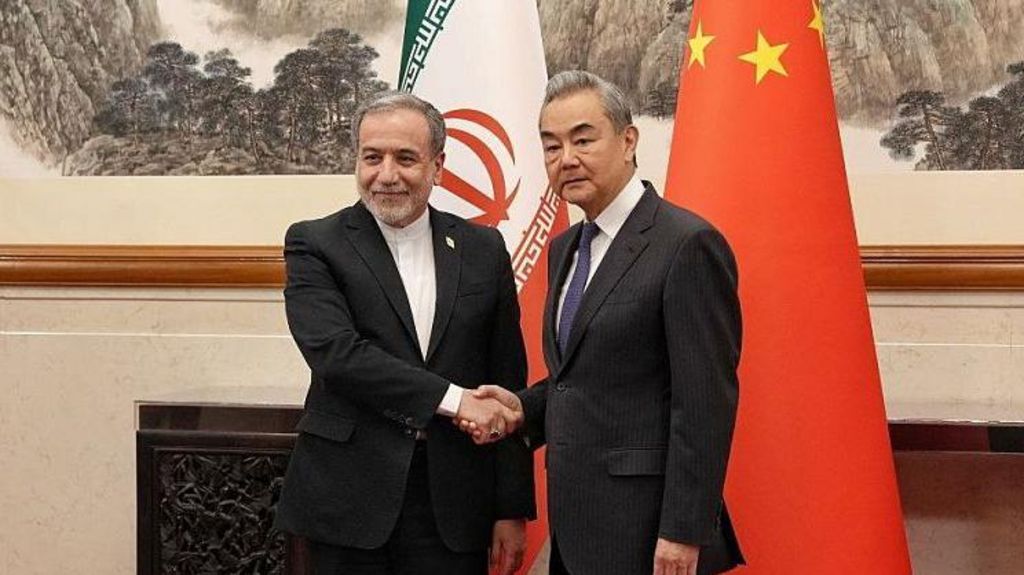
    International pressure continues to mount, with French President Emmanuel Macron publicly urging Iran to “engage in good faith in negotiations” following discussions with Iranian counterpart Masoud Pezeshkian.

  • Has banning phones improved performance at Dutch schools?

    Has banning phones improved performance at Dutch schools?

    The Netherlands has pioneered a groundbreaking educational experiment by implementing a nationwide smartphone ban in schools, with results now demonstrating significant improvements in student behavior and academic performance. Two years after Dutch educational institutions removed mobile devices from classrooms, corridors, and canteens, educators report transformative changes in the learning environment.

    At Amsterdam’s Cygnus Gymnasium, fluorescent yellow signs greet students with the catchy slogan: ‘Telefoon t’huis of in de kluis’ (Phone at home or in the locker). This policy, established through a national agreement between government, schools, parents, and teachers rather than legislation, has created a unified approach across the country.

    Teacher Ida Peters observes tangible differences in her classroom. ‘As a teacher you’re always trying to get kids’ attention. With phones less present, that certainly helps,’ she notes. The hallways, once filled with students checking devices, now feature more relaxed interactions and a calmer atmosphere. The ban extends to breaks and school parties, reducing anxiety about being photographed and posted on social media platforms.

    Empirical evidence supports these observations. A government-commissioned study of 317 secondary schools revealed approximately 75% reported improved concentration, 65% noted better social climate, and about one-third observed enhanced academic performance. Additional surveys indicate reduced bullying incidents since device removal.

    Students themselves express mixed but largely accepting attitudes. Teenagers Hena and Fena acknowledge, ‘Maybe now we are a little bit more in the moment. In the break no one is really on their phones.’ While initially resistant, many students like Felix recognize the benefits: ‘People are talking more, going to the shops instead of just sitting in the cafeteria on their phones. Social connections have improved.’

    The Dutch government now aims to expand these protections beyond school grounds, advocating for EU-wide restrictions on social media access for children under 16. Citing platforms designed to be addictive, officials argue for enforceable age verification systems similar to those for alcohol and gambling.

    Public opinion appears supportive. A Unicef survey found 69% of Dutch children and teenagers favor social media bans for under-18s, while research agency Newcom reported support for age limits among 16-28-year-olds increased from 44% to 60% in one year.

    As the Dutch Research Council examines potential unintended consequences, including whether device-free school days increase after-school usage, the Netherlands provides a compelling case study for other nations considering similar measures. The success of this approach challenges assumptions about young people’s attachment to digital devices while demonstrating the educational benefits of focused, present learning environments.

  • ‘He liked the fear in our eyes’, Epstein survivors tell BBC

    ‘He liked the fear in our eyes’, Epstein survivors tell BBC

    A groundbreaking BBC Newsnight special has united five survivors of Jeffrey Epstein’s abuse for their first joint interview, revealing profound psychological trauma and systemic failures in protecting victims’ identities. The conversation, facilitated by Victoria Derbyshire, followed the unintended public disclosure of victim names in millions of documents released by the US Department of Justice.

    Joanna Harrison, whose anonymity was compromised in the document release, described her decision to speak publicly as an act of survival. “It gets to a point where you’re being suffocated and you need to breathe,” Harrison stated, recounting how Epstein’s assault began with what seemed like a normal massage appointment when she was 18. “When he began to masturbate, I completely froze. I don’t think I said two words in the car in the ride home.” She later detailed being raped by Epstein on his birthday.

    Chauntae Davies shared previously unseen photographs from what she described as a “once-in-a-lifetime trip” to Africa on Epstein’s private plane, featuring Ghislaine Maxwell, Kevin Spacey, and former President Bill Clinton. The humanitarian mission focused on AIDS prevention, yet Davies noted the experience was “tainted by what was happening behind closed doors.” She recalled giving Clinton a massage during a refueling stop in Portugal, describing him as “humble, kind and charismatic” in her journal at the time.

    The survivors expressed unanimous skepticism about Epstein’s official cause of death. “We knew him, we knew the kind of person he was,” stated Lisa Phillips, echoing the group’s disbelief in the suicide ruling. Phillips also revealed disturbing accounts of Epstein’s connections to British royalty, recounting how a friend was allegedly instructed to have sex with Andrew Mountbatten-Windsor at Epstein’s New York apartment in 2003.

    Davies and Phillips provided chilling descriptions of Epstein’s properties, particularly his Zorro Ranch in New Mexico. “That’s where the majority of the assaults happened. I have my darkest memories from Zorro Ranch,” Davies revealed. “It had a cold, dark, eerie feeling in there.” Phillips concurred: “I remember being like ‘this place is really creepy.’”

    The emotional climax occurred when survivors viewed photographs of themselves at the age they first encountered Epstein. Harrison observed, “I don’t smile the same way anymore,” while Phillips recognized Epstein’s island in the background of her photograph. “I was enjoying my life, and I had no idea what was about to happen to me,” she reflected. “This is not what I looked like when I left the island.”

  • Cancer nurse turned archbishop celebrates election as first woman to lead Church of England

    Cancer nurse turned archbishop celebrates election as first woman to lead Church of England

    In a landmark ceremony at Canterbury Cathedral on Wednesday, Sarah Mullally was formally installed as the 113th Archbishop of Canterbury, becoming the first woman to lead the Church of England in its 1,400-year history. The 63-year-old former cancer nurse turned priest marks a transformative moment for the global Anglican Communion, which encompasses over 100 million members across 42 churches worldwide.

    The installation service, attended by Prince William, Princess Catherine, Prime Minister Keir Starmer, and international religious representatives including delegates from the Vatican and Orthodox churches, coincided symbolically with the Feast of the Annunciation—a day celebrating biblical women responding to divine callings.

    Mullally’s journey to this historic position is itself remarkable. After serving as England’s youngest-ever Chief Nursing Officer at 37, she answered her spiritual calling, training for ministry while still working in healthcare. Ordained in 1994 when the Church first permitted female priests, she ascended through ecclesiastical ranks to become Bishop of London in 2018—one of the church’s most prominent positions.

    In her inaugural address, Mullally emphasized her intent to be ‘a shepherd who enables everyone’s ministry and vocation to flourish.’ She acknowledged the pioneering women who paved her path, stating: ‘Today I give thanks for all the women and men who have paved the way for this moment.’

    The ceremony celebrated both tradition and progress, with Mullally securing her ceremonial cloak using a clasp fashioned from her nursing belt buckle—a poignant nod to her previous vocation. The global nature of the Anglican Communion was highlighted through multilingual prayers offered in Bemba, Spanish, and Urdu.

    However, Mullally assumes leadership during a challenging period for the church. She must navigate deep divisions within the Anglican Communion regarding women’s roles and LGBTQ+ inclusion, address ongoing sexual abuse scandals that plagued her predecessor’s tenure, and confront declining congregation numbers. Her appointment potentially widens rifts with more conservative branches of the global communion.

    Theological expert George Gross of King’s College London noted the significance: ‘The stained glass ceiling is smashed. In the world we’re in, when we talk of equality, it’s hard to have that if you have unattainable positions.’

    The Church of England, which broke from Roman Catholicism under Henry VIII in the 1530s, ordained its first female bishops only in 2015. Mullally’s installation represents both a symbolic breakthrough and a practical test of the church’s ability to evolve while maintaining unity.