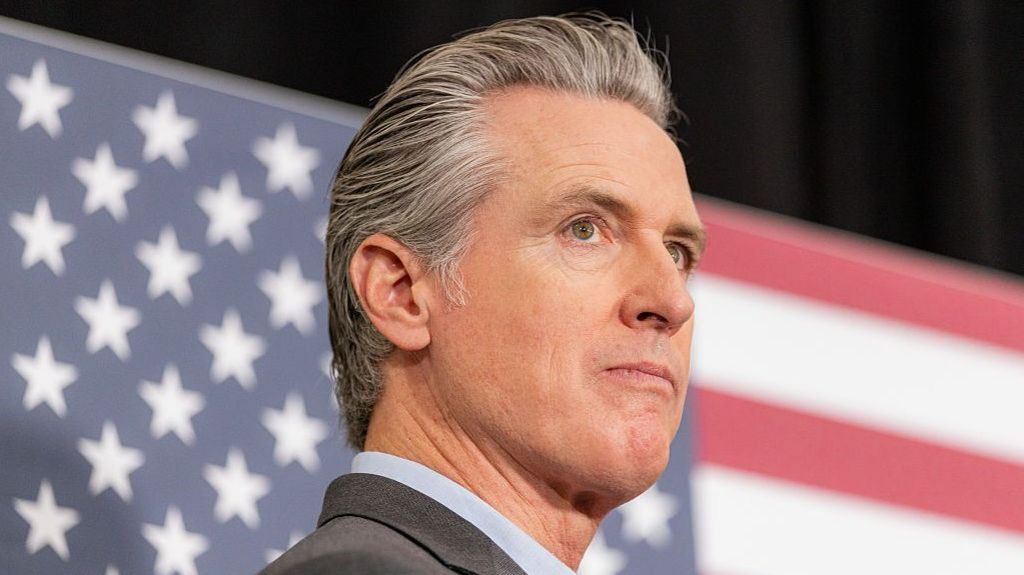
SACRAMENTO, Calif. – In a sweeping, historic exercise of his constitutional clemency authority, outgoing California Governor Gavin Newsom has formally commuted the death sentences of every 548 individuals currently incarcerated on the state’s death row, reclassifying their punishments to life imprisonment with no possibility of release. The landmark executive action, detailed in an official public letter from the Democratic governor, marks a definitive culmination of his years-long push to end state-sanctioned executions in the nation’s most populous state.
Newsom framed the decision as a deeply considered, morally grounded choice aligned with California’s core values, noting that the policy will ensure convicted offenders spend the rest of their lives in permanent obscurity, while public focus remains centered on honoring and supporting the families of violent crime victims. “After nearly 30 years in public office, I have come to understand the limits of what government can justly accomplish,” Newsom wrote in his statement. “I take this action because I firmly believe that state-sanctioned killing is incompatible with California’s values, undermines the foundations of our legal system and diminishes each of us.”
While California has not carried out a single execution since 2006, and only 13 prisoners have been put to death since state voters reinstated capital punishment in 1978, the commutation order moves far beyond the 2019 moratorium Newsom previously imposed on executions, delivering a permanent legal end to active death sentences across the state. Legal and policy analysts estimate the move will save California millions of dollars annually in prolonged, costly death penalty appeals and associated court administrative expenses. Newsom emphasized that California’s decades-long capital punishment system is a proven failure, riddled with structural inequities that have led to the wrongful conviction of innocent people and cannot be administered fairly under any framework. He added that life without the possibility of parole is the harshest punishment the state can lawfully and ethically impose.
The governor, who is term-limited and approaching the final weeks of his tenure ahead of projected incoming successor and fellow Democrat Xavier Becerra’s swearing-in after recent midterm elections, openly acknowledged that the decision will cause pain and anger for many Californians who believe perpetrators of the most brutal violent crimes deserve the death penalty. “As Governor, I alone bear responsibility for this decision and its impact, just as I alone would bear responsibility for each execution,” he wrote, noting that the choice will “always weigh heavily on me” but that he was compelled to act per his conscience and the state constitution for the long-term welfare of California.
The high-profile action unfolds against a shifting national backdrop for U.S. capital punishment: it comes on the heels of a widely publicized botched execution of a female inmate in Tennessee in late September, at a time when overall execution rates across the country are rising. At the federal level, second-term President Donald Trump – a longstanding vocal advocate for the death penalty – has framed capital punishment as a critical tool to deter and punish the most heinous acts of lethal violence against U.S. citizens. During his first term in 2020, Trump ended a nearly 20-year pause on federal executions, overseeing 13 executions over a six-month window. Though a moratorium on federal executions was reinstated under the Biden administration, Trump signed an executive order on his first day back in office in 2025 to restore federal capital punishment, though no federal executions have been carried out to date. U.S. legal structure grants individual states broad authority to set their own prosecution and execution policies, placing final clemency power for state death row inmates in the hands of state governors.
Long home to the largest death row population in the United States, California’s latest policy shift has also drawn fresh public attention to Newsom’s widely speculated potential 2028 U.S. presidential run, as the high-stakes executive move cements his progressive policy legacy ahead of his exit from the governor’s office. This breaking news story remains under active development, with additional details set to be published imminently.