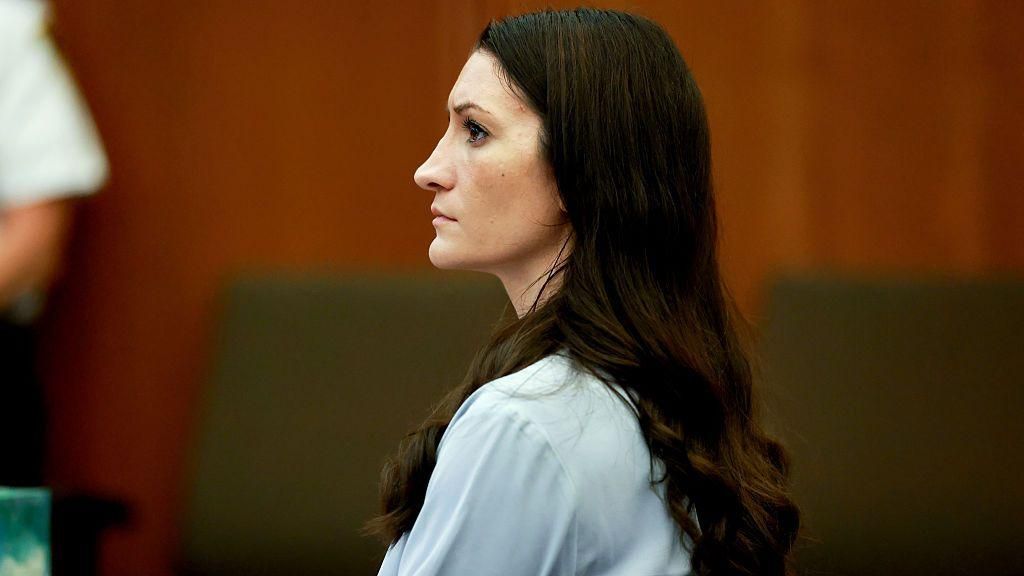
Ahead of a scheduled 16 November court proceeding, Massachusetts state prosecutors have delivered their most explicit public indication to date that they intend to pursue a retrial in the high-profile case of Lindsay Clancy, who faces three counts of first-degree murder in connection with the 2023 deaths of her three young children. The development emerged during a three-hour pre-trial hearing overseen by Judge William Sullivan on Monday, where procedural logistics for the unresolved case were laid out for all involved parties. Clancy’s initial multi-week summer trial collapsed in early September after the 12-member jury was unable to reach a unanimous verdict, resulting in a formal mistrial declaration. Court documents and hearing transcripts confirm 11 of the 12 jurors had voted to find Clancy not guilty by reason of insanity, while a single unidentified holdout juror, referred to in filings as Juror Doe, refused to align with that finding, creating the irreconcilable deadlock. During Monday’s proceedings, Judge Sullivan confirmed he will issue rulings on a full slate of pending motions at the 16 November hearing, including a defence petition to dismiss all first-degree murder charges against Clancy entirely. If a retrial moves forward as anticipated, the earliest possible start date would be March 2027, per the judge’s initial scheduling guidance. The prosecution team, led by Assistant District Attorney Jennifer Sprague, declined to formally commit to either retaining the original first-degree premeditated murder charges or filing amended lesser counts, such as second-degree murder which applies to unlawful killings marked by extreme recklessness but no pre-planning, until after the judge releases his rulings on the outstanding motions. This position drew sharp pushback from Clancy’s lead defence counsel Kevin Reddington, who pressed the court to schedule a new trial as early as the upcoming spring, arguing his client should not remain in pre-trial detention for multiple additional years awaiting resolution of the case. Reddington expressed visible frustration that the prosecution had not yet clarified the scope of charges for any retrial, noting that the lack of clarity created major logistical hurdles for his team’s case preparation. The case has drawn widespread national public attention across the United States, in large part due to the defence’s core argument that Clancy was suffering from an acute, severe episode of postpartum psychosis at the time of her children’s deaths, a severe mental health condition that impairs a person’s ability to reason and distinguish right from wrong. Clancy has never disputed that she caused her children’s deaths, but her legal team maintains her actions were not premeditated, as the original first-degree murder charges allege. The hearing also featured heated exchanges over the defence’s sweeping motion to seize the holdout juror’s personal mobile device and full phone records, as part of its ongoing investigation into the circumstances surrounding the jury deadlock. Heather O’Connor, the legal representative appointed to protect Juror Doe’s rights, argued the defence had aggregated unsubstantiated allegations in an improper bid to reverse the original mistrial ruling, a request Judge Sullivan confirmed he will address alongside the other pending motions on 16 November. Plymouth County District Attorney Timothy Cruz has not yet issued an official public statement formally confirming the prosecution’s retrial plans, despite the clear signals shared in Monday’s court proceedings.