A two-day pivotal hearing commences Tuesday before Australia’s High Court, marking the first major judicial review of the nation’s unprecedented global-first policy that prohibits social media access for all users under the age of 16. The dual consolidated legal challenges, one filed by digital advocacy organization the Digital Freedom Project and the other by social news platform Reddit, represent a defining test of the sweeping online safety framework the Australian government enacted last December.
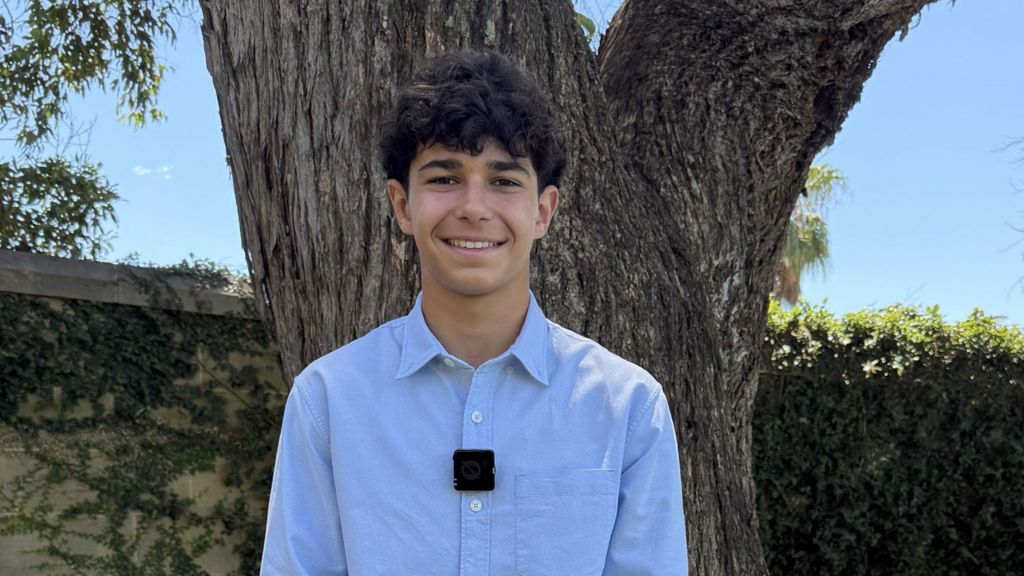
Led by New South Wales parliamentarian John Ruddick, the Digital Freedom Project submitted its constitutional challenge just weeks before the ban officially took effect on December 10, 2024. Though two teenage original lead plaintiffs, Noah Jones and Macy Neyland, have since stepped back from formal party status in the case, Jones is confirmed to attend the opening of proceedings this week. In prior comments to the BBC last November, Jones emphasized that while harmful content and predatory actors are undeniable risks on social platforms, a universal age-based ban is a poorly targeted, heavy-handed solution that misdirects resources. He argued that large social media firms should allocate their budgets to moderating harmful content and removing bad actors rather than diverting funds to avoid government penalties for non-compliance with the blanket age restriction.
Reddit’s parallel legal submission contends that the regulation poses profound, far-reaching risks to user privacy and fundamental political expression rights for young people, framing the mandate as a disproportionate overreach of state power. The policy, which is overseen and enforced by Australia’s dedicated eSafety Commissioner, imposes strict compliance obligations on 10 major platforms: Facebook, Instagram, TikTok, YouTube, Reddit, Snapchat, X, Kick, Threads, and Twitch. These services are required to implement “reasonable steps” to verify user ages and block access for anyone under 16, with penalties for serious or repeated violations reaching as high as A$99 million (approximately US$70 million). To date, no platform has been issued a fine, though the eSafety Commissioner has opened formal non-compliance investigations into Meta-owned platforms Facebook and Instagram, alongside Snapchat, TikTok, and YouTube. Messaging service WhatsApp, popular gaming platforms Roblox and Discord, and child-focused educational tools such as YouTube Kids and Google Classroom are explicitly exempted from the rules.
In the immediate aftermath of the ban’s implementation, Meta reported it had terminated roughly 500,000 underage user accounts across its platforms. However, widespread anecdotal accounts from young Australian users reveal that many have easily bypassed the mandated age verification checks, which range from requests for credit card information to government-issued photo ID and biometric selfies. The policy has sparked fierce national debate: supporters maintain the restriction is a critical safeguard to shield vulnerable children from cyberbullying, exploitative content, and online predators, while critics argue it is an overly blunt measure that undermines young people’s digital literacy and access to peer support, and that policy efforts should instead prioritize targeted improvements to content moderation and age-appropriate online safety infrastructure. Communications Minister Anika Wells has repeatedly reaffirmed the government’s unwavering commitment to the rule, stating last November that officials would not be “intimidated by big tech legal threats” and would stand firm in defending the policy on behalf of Australian families.