A massive, unprecedented data breach has exposed the personal and professional details of over 41,000 personnel employed by the U.S. Department of Homeland Security (DHS), including thousands of frontline immigration enforcement agents, amid a sharp, controversial escalation of deportation operations under the second Trump administration. The leak, posted publicly Wednesday by activist collective the Department of Peace in collaboration with independent cybersecurity researcher maia crimew, was hosted via transparency platform Distributed Denial of Secrets (DDoSecrets) in a publicly accessible database codenamed Icepick.
The trove of leaked records includes full legal names, official work addresses, personal and professional phone numbers, and detailed role descriptions for staff across multiple DHS sub-agencies: more than 21,000 personnel from Customs and Border Protection (CBP), nearly 6,600 agents from Immigration and Customs Enforcement (ICE), plus staff from Homeland Security Investigations, the Federal Protective Service, and even the Cybersecurity and Infrastructure Security Agency. Beyond individual employee data, the leak also uncovers dozens of previously unreported classified operation names, the full rosters of agents assigned to lead and execute those covert missions, and a full inventory of surveillance tools deployed in DHS operations, including technology supplied by private contractors Cellebrite and Palantir.
In a public statement shared alongside the release, DDoSecrets co-founder Emma Best clarified that the leak was never intended to serve as a comprehensive, universal directory of all DHS personnel, but was instead designed to “replace anonymity with accountability.” Best emphasized the unusual scope of the disclosure, noting it identifies senior officials overseeing undercover operations, internal government probes into unauthorized leakers, the botched 2020 BlueLeaks law enforcement data investigation, and key leadership running DHS’s rapidly expanding rendition and mass deportation programs. The Department of Peace explicitly framed the leak as a direct response to what it described as abusive enforcement actions carried out by ICE agents, referencing recent comments from newly sworn-in DHS Secretary Markwayne Mullin, who publicly stated on July 17 that his agency was “turning up the heat” on immigration enforcement targets. The collective claimed it gained access to the full cache of personnel profiles via a vulnerability in Okta, the widely used single-sign-on security platform DHS relies on to restrict access to internal employee portals. An Okta spokesperson pushed back on that claim in a statement, noting the company was aware of the breach allegations but had found no evidence that Okta’s own systems or customer data had been compromised, insisting its platform remains fully secure.
This Wednesday’s breach marks the third high-profile U.S. federal agency security incident in as many weeks. Last month, the FBI suffered a hack carried out by the ShinyHunters cybercriminal group that exfiltrated personal identifiable information for thousands of its special agents. Most recently, the Federal Election Commission was forced to take its public website fully offline to mitigate an active suspected hacking attempt, disrupting public access to federal campaign finance records.
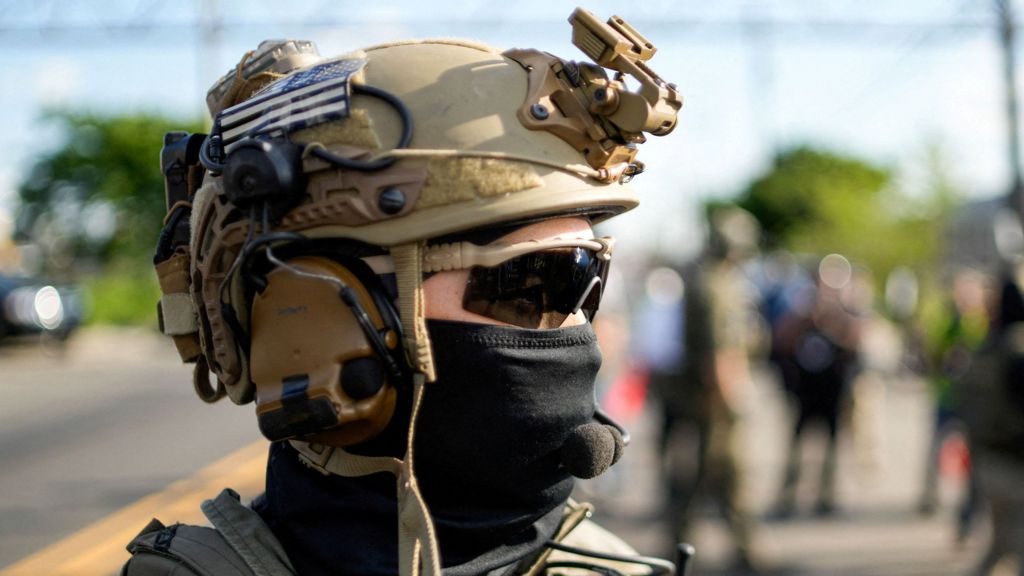
The leak unfolds against a backdrop of soaring public backlash against the Trump administration’s aggressive immigration crackdown, which the Migration Policy Institute confirms has resulted in nearly 1 million total deportations since Trump took office in 2025, more than 70% of which targeted people with no prior criminal record. Immigration enforcement operations this year have also seen a sharp spike in violent encounters: ICE agents have fired weapons at over 24 people, killing at least nine, including high-profile cases of bystanders Alex Pretti and Renee Good, who were fatally shot by ICE teams during enforcement raids in Minnesota earlier this year despite never being listed as arrest targets. Critics have repeatedly called out the standard operating procedure for many ICE field agents to carry out operations with their faces fully covered by masks and tinted sunglasses, and to refuse to display official identification even when legally required to do so – a practice that multiple U.S. elected officials have publicly demanded DHS immediately reform.