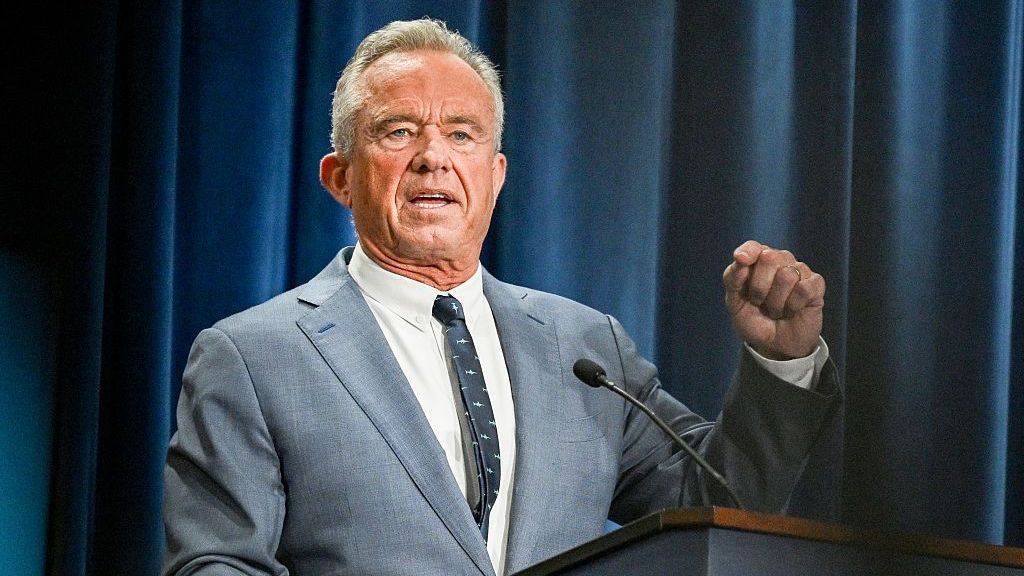
US Department of Health and Human Services Secretary Robert F. Kennedy Jr. has formally tabled new regulatory proposals that would roll back existing restrictions on a set of highly controversial, unapproved peptides, a move that bypasses the standard Food and Drug Administration rulemaking process and has raised alarms among public health experts. The draft framework, published for public review in the US Federal Register this Wednesday, would grant licensed compounding pharmacies explicit permission to manufacture and dispense six widely circulated peptides that have never completed full FDA safety and efficacy testing: BPC-157, TB-500, KPV, MOTS-c, Semax, and a sixth unlisted formulation, allowing pharmacies to combine these substances into custom compounded medications for consumer access. In a marked break from longstanding administrative protocol, the draft rule originated directly from Kennedy’s executive office rather than the FDA’s internal regulatory team, a departure that has drawn scrutiny from public health observers. Following its full official publication later this week, the proposal will open a 14-day window for public feedback before final review. The policy shift follows a narrow July vote by an FDA external advisory panel that supported loosening curbs on these six substances, even as the agency’s own full-time career scientific staff formally recommended against the change, citing insufficient safety data. Kennedy has openly stated he is a vocal proponent of these peptide products, and previously pledged to roll back regulatory barriers targeting the booming unregulated peptide market that the Biden administration moved to crack down on in its final months in office. Peptides are naturally occurring short chains of amino acids, functioning as cellular messengers that support core bodily processes ranging from immune response to hormone balance and skin maintenance; regulated, rigorously tested peptide formulations such as insulin have been standard of care for diabetes management for over 100 years. However, a largely unregulated wellness market for untested peptides has exploded in popularity in recent years, driven by the mainstream success of GLP-1 weight loss peptide drugs. Social media influencers across platforms including TikTok have heavily marketed bundled peptide “stacks” for a range of unproven, off-label benefits, touting them as fast-acting remedies for anti-aging, rapid injury healing, and skin improvement. The trend has particularly taken root among teenage boys on TikTok, who have embraced untested peptides as part of viral “biohacking” and “looksmaxxing” trends that falsely claim the substances can deliver accelerated muscle growth. Leading medical and public health experts have repeatedly issued stark warnings against the unmonitored use of these unapproved peptides, emphasizing that none of the six substances covered by Kennedy’s proposal have completed comprehensive human clinical trials, leaving their long-term health impacts, potential side effects, and safe dosing parameters entirely unknown. The BBC has reached out to the FDA for an official statement on the unprecedented proposed rule change, as stakeholders across the public health and pharmacy sectors prepare to submit feedback during the upcoming public comment period.