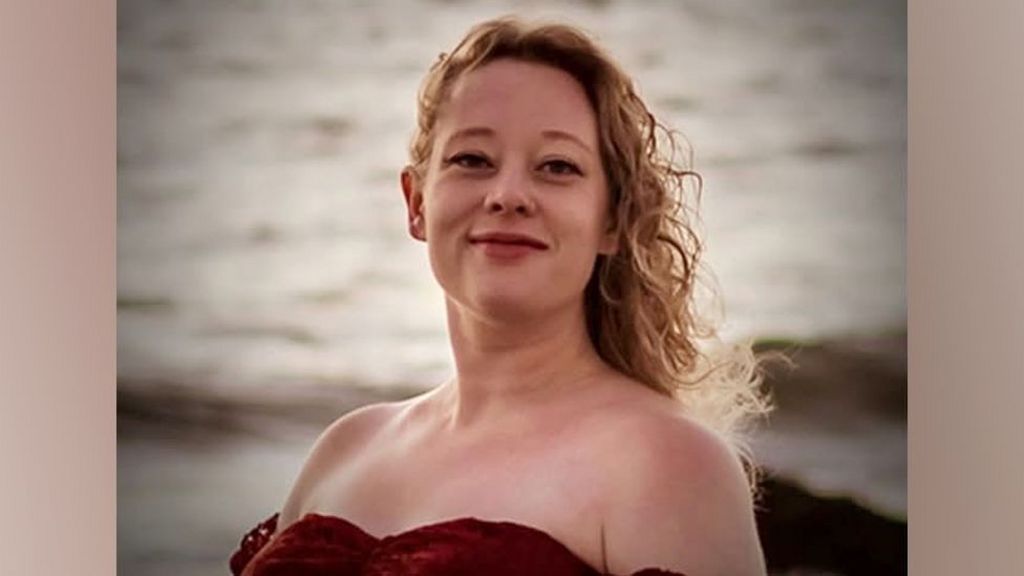
A 37-year-old mother of three, Renee Nicole Good, had only just relocated to Minneapolis, Minnesota when she lost her life to a U.S. Immigration and Customs Enforcement (ICE) officer in January, sparking national civil unrest over federal immigration enforcement tactics. Three months after her killing, Good’s surviving family has launched two landmark legal actions, holding both the federal government and senior Trump administration officials accountable for her death.
Good was fatally shot during Operation Metro Surge, a city-wide sweep carried out by ICE that targeted both undocumented immigrants and individuals classified as criminal offenders. During a Thursday press briefing, family attorney Antonio Romanucci outlined that the first lawsuit, filed under the Federal Tort Claims Act, names the U.S. government as the primary defendant. This legislation allows private citizens to bring claims against the federal government for harm, death or property damage stemming from negligence by federal employees. The suit alleges that the aggressive, sweeping structure of Operation Metro Surge created “an unprecedented environment for state-sponsored violence” that directly led to Good’s death, and formal charges against the government include battery, assault, wrongful imprisonment, intentional infliction of emotional distress and negligence that resulted in Good’s death.
The second legal filing names multiple high-ranking current and former officials directly, including the ICE officer Jonathan Ross who fired the fatal shot, White House Deputy Chief of Staff Stephen Miller, former Homeland Security Secretary Kristi Noem, and White House border chief Tom Homan. The suit accuses these senior federal leaders, immigration enforcement agents, and unnamed private actors of a coordinated conspiracy to violate and interfere with the civil rights of U.S. residents and individuals targeted in immigration sweeps.
To date, neither the White House nor the Department of Homeland Security (DHS) has issued an official statement in response to the lawsuits. According to ICE’s official account of the January 7 shooting, Good was stopped during a traffic check and launched “an attempt to kill or cause bodily harm to agents” in what the agency described as an act of domestic terrorism. That narrative has been firmly rejected by Good’s family and witnesses to the shooting, who confirm Good was inside her own vehicle when she was shot and never posed an imminent threat to officers on scene.
Good’s death drew immediate national outcry, and public anger escalated three weeks later when a second Minneapolis local, Alex Pretti, was also killed by ICE agents during another enforcement action. Following the two consecutive fatal shootings, hundreds of federal agents deployed to Minneapolis as part of the operation were pulled from the city.
Earlier this week, Good’s mother Donna Ganger and brother Brent Ganger testified before Congress to demand accountability for their family member’s death. During her emotional testimony, Ganger, a self-identified registered Republican who voted for former President Trump, said she supported Trump’s immigration agenda under the belief that federal agents would protect U.S. citizens. “She should still be alive. I will say it again, my daughter should still be alive,” Ganger told assembled lawmakers. “But far more than being a Republican, I am a Christian. Jesus teaches us to forgive and I have, but what we are asking for is accountability.”
The lawsuits are being brought by Good’s partner Becca Good and brother Brent Ganger, marking the most high-profile legal challenge to aggressive Trump-era immigration enforcement tactics in recent years.