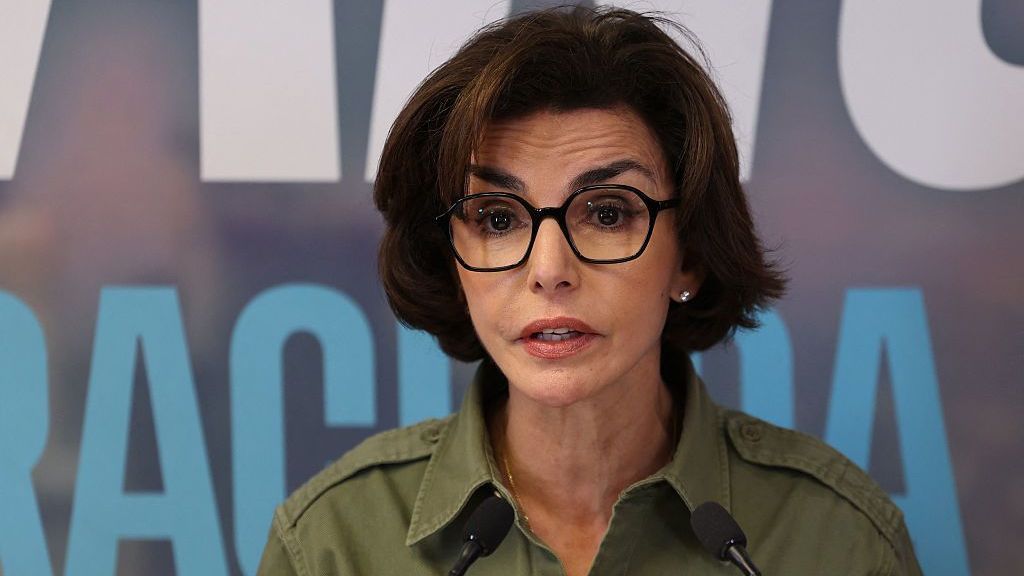
A high-stakes corruption trial has opened in Paris, putting former French government minister Rachida Dati and ousted Renault-Nissan chief executive Carlos Ghosn in the legal spotlight over allegations of improper influence peddling involving the automaker.
The 61-year-old defendant, Dati, is no stranger to top French political circles: she served as justice minister under former conservative President Nicolas Sarkozy and most recently held the culture minister portfolio under current President Emmanuel Macron. Prosecutors allege that between 2009 and 2013, Dati received roughly €900,000 (around £770,000) from the Renault-Nissan alliance in exchange for leveraging her political connections to benefit the car manufacturing giant.
Per court documents, the payments were framed under a legal services contract signed in 2009, shortly after Dati left Sarkozy’s cabinet and won election as a Member of the European Parliament. But investigating magistrates argue the contract was little more than a cover for unreported lobbying work. They claim Ghosn, who led the Renault-Nissan alliance at the time, recruited Dati specifically to lobby on the company’s interests within the European Parliament and to help secure favorable access to then-President Sarkozy, who held office until 2012.
Dati has forcefully denied all the allegations against her, and her legal team is set to mount a rigorous defense throughout the trial. If convicted on the current charges, Dati could face a maximum sentence of 10 years in prison, a substantial fine, and a five-year ban from holding any public office. A conviction would also force her to relinquish her current position as mayor of Paris’ upscale 7th arrondissement, a post she has held continuously since 2008.
Ghosn, 72, is also named as a co-defendant in the case and denies any wrongdoing. He will not appear in court for the proceedings, however, having lived as a fugitive in Lebanon since 2019, when he fled Japan while out on bail awaiting trial there on financial misconduct charges.
The trial comes in the wake of Dati’s recent high-profile bid for the Paris mayoralty. In 2024, Dati stepped down from her post as culture minister to run for mayor, but ultimately lost the election to Socialist candidate Emmanuel Grégoire. Her upcoming corruption trial was a central campaign issue that opponents repeatedly highlighted to undermine her credibility with voters.
Anti-corruption advocacy groups have joined the case as civil plaintiffs, using the trial to push for stronger regulatory guardrails around political lobbying in France. Patrick Lefas, a representative of Transparency International France, noted that the case exposes how private interests can potentially capture public decision-making, underscoring the urgent need for clearer, stricter regulations to prevent such abuses of power.