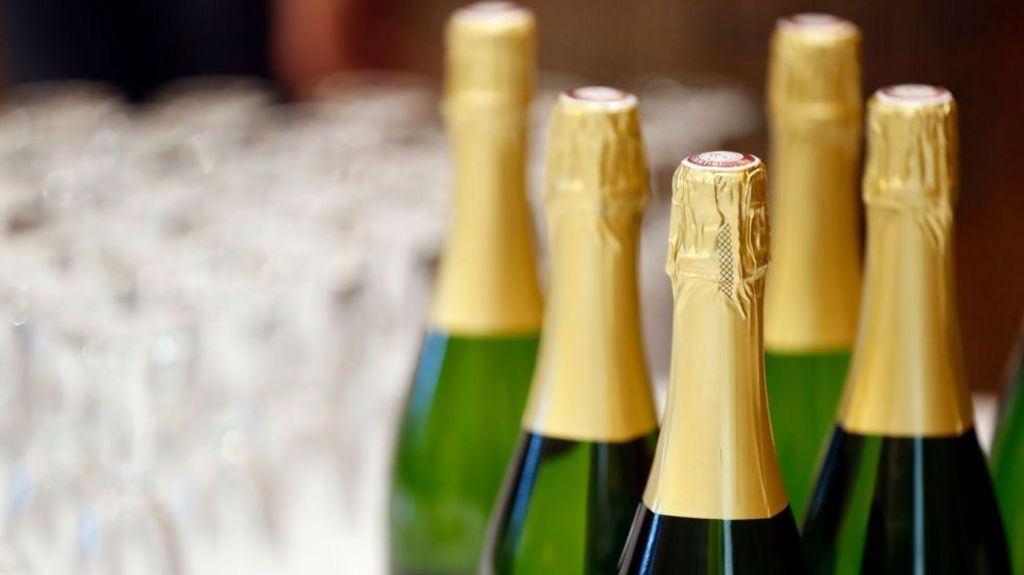
The world’s most iconic sparkling wine is facing an unprecedented shift driven by accelerating climate change, after French champagne producers received a historic, one-time approval to raise the maximum allowed alcohol content for this year’s vintage. The emergency change comes in the wake of a record-breaking summer heatwave and drought that upended traditional growing conditions in Champagne, France.
Industry governing body Comite Champagne confirmed that for the 2026 harvest only, producers will be allowed to sell champagne with an alcohol content capped at 15%, up from the long-standing legal limit of 13%. The rule change was triggered by extreme weather that pushed sugar levels in harvested grapes far higher than usual: during the fermentation process that creates champagne’s signature fizz, yeast converts sugar into alcohol, resulting in naturally higher alcohol concentrations than the existing regulatory cap allows.
A spokesperson for the association told the BBC that only a very small share of this year’s harvest would see marginal increases in alcohol content, with most affected vintages hitting only 13.1% or 13.2% alcohol by volume, just barely over the old 13% limit. Still, the body opted to temporarily lift the cap to accommodate this unusual growing season.
This year’s harvest also made history as the earliest ever recorded in the Champagne region, with first harvests beginning in early August and full operations underway by mid-August. The 2026 growing season was defined by a cascade of extreme weather events: historic severe spring frosts, an extraordinarily early bloom, and five separate summer heatwaves that pushed temperatures far above seasonal averages.
Multiple industry leaders warned that this year’s anomalous conditions are a preview of the region’s future amid human-caused climate change. Maxime Toubart, co-chair of Comite Champagne, told Agence France-Presse that hotter, drier growing seasons like 2026 will likely become the new normal for Champagne within the next 10 to 15 years. Stéphane Vignon, a veteran producer based in Verzenay, echoed that sentiment to The Times, noting that Mediterranean-style climate conditions are steadily shifting north, framing 2026 as the start of a new, warmer growing cycle that will repeat even if it does not occur annually.
The change creates a new tension for champagne producers, as consumer demand has increasingly trended toward lower-alcohol wines in recent years, according to Jane Anson, a Bordeaux-based wine columnist and author. Anson told The Times that the mismatch between what consumers prefer and what a changing climate forces producers to grow creates significant stress for winemakers, and higher alcohol content is unlikely to become a popular selling point for champagne.
For consumers curious to try the 2026 vintage, the wait will stretch into 2028 at the earliest: champagne requires a minimum of 15 months of aging before it can be released to market.
The 2026 extreme heat event is not isolated to France’s wine regions. France was one of the European countries hardest hit by this year’s wave of extreme heat, which also sparked large, destructive wildfires across the continent. Climate scientists have repeatedly confirmed that rising global average temperatures driven by climate change are making heatwaves more frequent and more intense across the globe. Europe is warming faster than any other continent, heating at twice the rate of the global average, according to data from the Copernicus Climate Change Service.