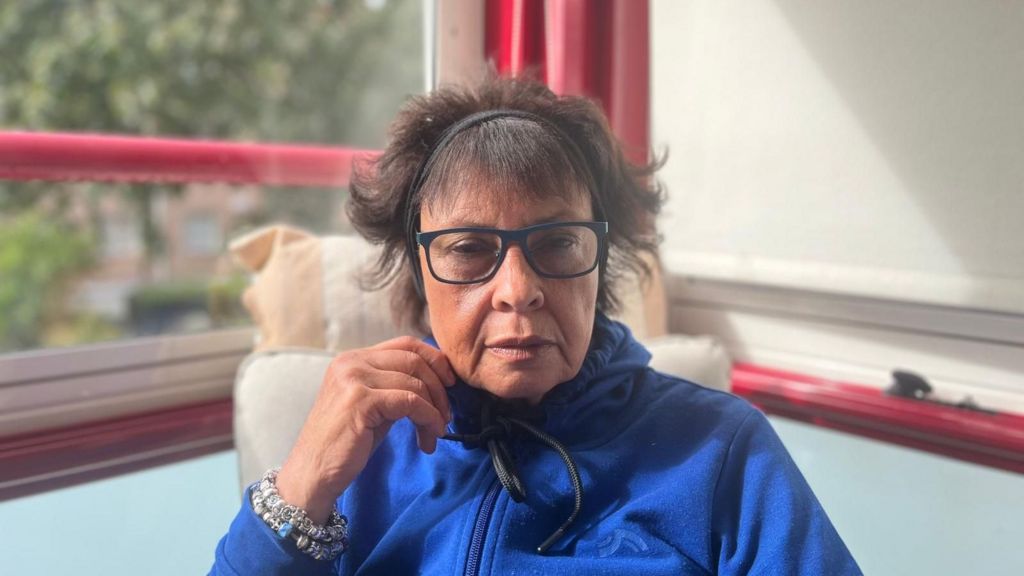
Twenty-two years after moving to Sweden to build a new life with her husband, 78-year-old retired British nurse Joyce Thomas now faces the devastating prospect of being forced from the only home she has known, separated from her son, grandchildren and the grave of her late husband who died of cancer three years ago. Her nightmare stems from a missed post-Brexit residence application, a rule she says she and her husband never even knew existed.
When the UK formally exited the European Union on 31 January 2020, British citizens lost their automatic right of residence across EU member states including Sweden. A transitional grace period under the EU-UK Withdrawal Agreement allowed UK nationals already living in Sweden to apply for new legal residence status, but that window closed on 31 December 2021. Thomas told the BBC she and her husband received no official notification of their obligation to submit a formal application, and she only learned of the requirement when she tried to re-enter Sweden in 2023, long after the deadline had passed.
Since that discovery, every one of Thomas’s multiple applications and appeals for legal status has been rejected by Sweden’s Migration Agency (Migrationsverket). Tuesday 8 September marked her final deadline for voluntary departure from the country she has called home for more than two decades. Speaking from her Swedish home, Thomas described the ongoing uncertainty as unmanageable for an elderly widow. “This is absolute hell,” she said. “I can’t sleep, I can’t eat. You get up in the morning, you don’t know what’s going to happen. I’m tired, I really am tired and I’m not young anymore. Where is the empathy? I’ve lived here for more than 20 years – I’ve got friends, I’ve got family.” For Thomas, the cruelest blow of the deportation order is that it would force her to leave behind her husband’s resting place, as well as her adult son and grandchildren who all reside in Sweden.
Thomas is not an isolated case. Official data from Eurostat shows that between 2021 and 2025, 2,490 UK nationals received deportation orders from Sweden, accounting for nearly a third of all such orders issued to UK citizens across the 27 EU member states over that period. The Migrationsverket has confirmed that 458 British citizens have already been forcibly deported or removed from Sweden since Brexit, though it declined to comment on Thomas’s specific case without her explicit consent and would not share updated figures on how many other UK nationals currently face removal.
Thomas’s case is the second high-profile example of elderly UK long-term residents facing deportation in Sweden in recent weeks. Last month, a family told the BBC their 78-year-old father, who lives in full-time care with dementia and vascular parkinsonism, also received a removal order after more than 20 years of living in the country.
In response to growing public and media attention, Swedish Migration Minister Johan Forssell has signaled a potential shift in the government’s approach. Forssell told the BBC that the current strict regulatory framework was put in place by the previous Swedish administration, and his government is now re-evaluating the situation. “We will therefore look closely at the situation and examine whether there are measures we can take to make the process easier for those affected,” Forssell said. While he did not directly address Thomas’s individual case, he noted that “the government believes the rules should be applied generously. The UK is a very important partner for Sweden, and we want British citizens who live and work in Sweden to be able to remain here. We are currently in dialogue with the relevant Swedish authorities to get a clearer picture of what measures may be possible.”
The UK Foreign, Commonwealth & Development Office has also weighed in on the issue, welcoming Sweden’s promise to review the situation. “We welcome the statement from the Swedish authorities that they will look at this issue,” a FCDO spokesperson said. “We are ready to support them in doing so.”
As of Tuesday’s voluntary departure deadline, Thomas remains in her home, with her legal team still fighting the deportation order. She is waiting anxiously for word on whether the Swedish government will grant her leniency to spend her final years close to her family and her husband’s memory.