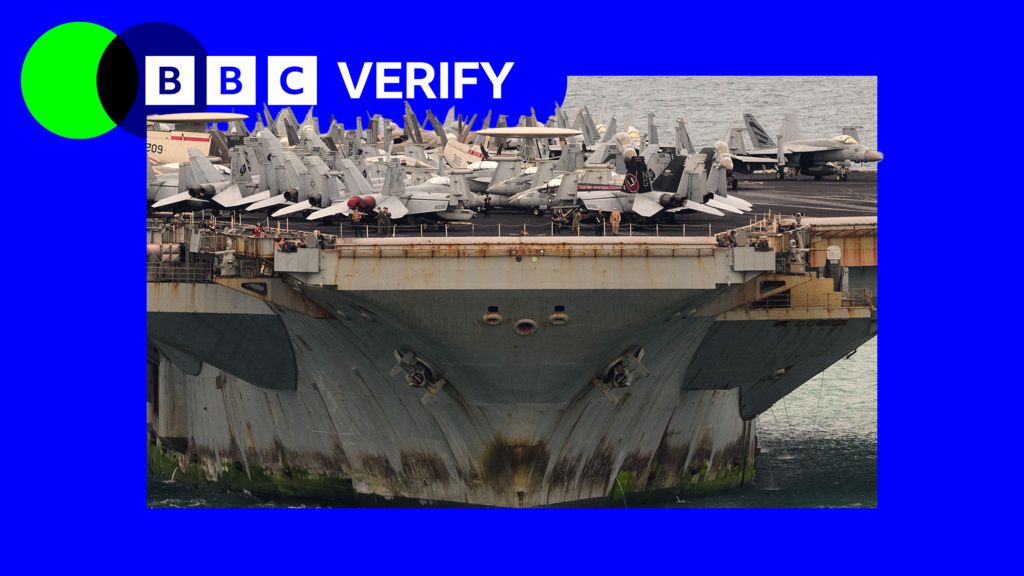
A surprise wave of public discussion erupted this week after the U.S. Navy’s nuclear-powered aircraft carrier USS Abraham Lincoln pulled into a Thai port for a scheduled visit. Social media platforms were quickly flooded with images highlighting extensive visible rust across sections of the vessel’s hull and superstructure, turning a routine diplomatic port call into an unexpected talking point among defense observers and casual onlookers alike.
What makes the incident notable is the timing and context of the deployment: the Abraham Lincoln has been operating in the Indo-Pacific for months, conducting a series of joint exercises with regional allies and freedom of navigation patrols in contested waterways. Navy officials have noted that extended deployments at sea, far from regular maintenance facilities in continental U.S. bases, naturally lead to the buildup of superficial surface corrosion. Saltwater spray, constant humidity and prolonged exposure to the tropical sun all accelerate the oxidation process on exterior metal surfaces, even on the most advanced modern warships.
Critics, however, have pointed to the visible wear as a sign of broader systemic strains on the U.S. Navy, which has faced growing budget constraints, maintenance backlogs at domestic shipyards and increased operational tempo to counter growing security challenges in the Indo-Pacific region. For regional observers, the rusty appearance of one of America’s frontline capital ships has sparked quiet speculation about the sustainability of long-term U.S. military presence in Southeast Asia, even as the Navy reaffirms its commitment to regular rotational deployments and partnership with Thailand, a long-standing U.S. ally in the region.
The port call itself was intended to strengthen diplomatic and military ties between the two nations, allowing for crew rest and recreational activities in Thailand after months at sea. While the rust has drawn unplanned attention, defense analysts emphasize that superficial corrosion does not impact the carrier’s core operational capabilities, and the vessel remains fully mission-capable following its months of deployment in the region.