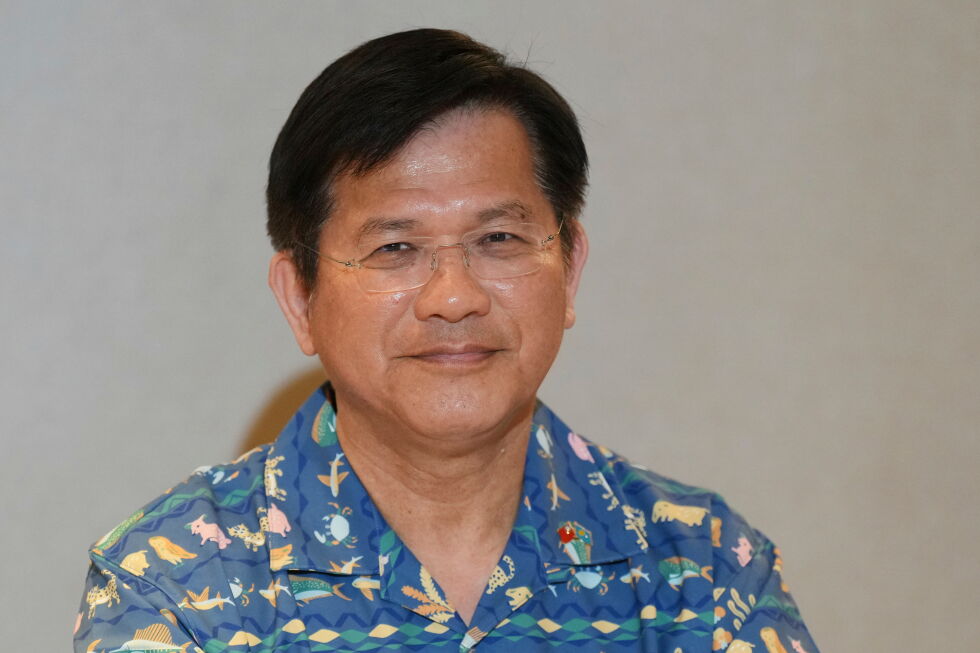
KOROR, Palau — The 52nd annual gathering of the Pacific Islands Forum (PIF), an 18-member bloc of small island nations and territories spanning the Pacific basin, opened this week in Palau’s capital Koror, where long-simmering geopolitical competition between Beijing and Taipei has overshadowed the region’s core policy priorities and sparked a sharp diplomatic standoff. Neither China, the United States, nor Taiwan hold formal membership in the bloc, but great power competition for influence over the region’s strategically vital shipping lanes, resource-rich exclusive economic zones, and key geographic positions has repeatedly turned the annual PIF summit into a proxy stage for global geopolitical rivalry – a dynamic summit host Palau has publicly pushed back against. This year’s meeting was primed for friction from the outset: Palau, a western Pacific nation located east of the Philippines that maintains formal diplomatic ties with Taiwan alongside just 10 other UN member states and the Vatican, invited both Chinese and Taiwanese envoys to participate in pre-summit ceremonial events, a move that drew immediate condemnation from Beijing. Multiple regional leaders skipped the 2024 summit, and while some absences were tied to domestic political obligations or pre-planned health issues, independent analysts have speculated that at least some no-shows were the result of diplomatic pressure from Beijing aimed at isolating Taiwan. The core dispute unfolded around the seating arrangement for the summit’s opening ceremony, where Palauan President Surangel Whipps Jr. placed official delegations from both China and Taiwan in the same front row, separated into distinct seating blocks, after hosting separate welcome events for Taiwanese Foreign Minister Lin Chia-lung, the island’s lead representative to the summit. Following the opening ceremony, Qian Bo, China’s top Pacific envoy, told reporters that allowing Taiwanese officials to participate in the summit activities was “very inappropriate.” When pressed on whether Beijing would impose retaliatory measures over Taiwan’s attendance, Qian confirmed that “there would always be consequences” – a statement he later sought to soften, denying it constituted an explicit threat and declining to share further details on what actions Beijing might pursue. Beijing has a longstanding policy of blocking Taiwan’s participation in multilateral international gatherings through coordinated diplomatic pressure, a stance reinforced this week by Chinese Foreign Ministry spokesperson Guo Jiakun, who argued that Taiwan holds no legitimate status as either a dialogue or development partner of the PIF, and thus had no right to take part in the summit’s proceedings. Lin, speaking to reporters Tuesday, rejected Beijing’s claims that his delegation’s presence was illegitimate, pushing back against what he framed as Chinese overreach in the region. “If we go to a party, we always follow the directions of the host,” Lin said. “However, whenever China goes to a party, it makes itself as if it’s the host and China ruins the whole atmosphere of the party.” He also accused Beijing of sowing division among Pacific island nations to distract from its own expanding influence in the region. Ahead of the opening of formal talks, President Whipps used his keynote address to push back against outside interference in the bloc’s work, urging major non-member powers to let PIF members set their own regional agenda. “Our partners are welcome to sail with us but they do not choose our destination,” Whipps said. “The Pacific agenda must be driven by us and for us.” Over the past decade, major powers have accelerated their efforts to court Pacific island leaders, intensifying a geopolitical contest for influence that pits China against the United States, Australia, New Zealand, and other partners. What began as a low-key annual gathering of regional leaders has grown into a high-stakes international event attracting more than 2,000 attendees this year, as powers seek to lock in new security partnerships, access to natural resources, and strategic port access across the region. Non-member nations attend as official partners: China holds formal dialogue partner status, while Taiwan is registered as a development partner. Taiwan’s participation in PIF summits has long been a flashpoint for tensions: last year’s summit in the Solomon Islands was upended when Beijing’s pressure resulted in Taiwan-aligned partner nations being barred from attending the gathering. The standoff over Taiwan’s attendance this year has exposed deep divisions not just between outside powers, but also among PIF member states themselves. For every summit, regional leaders prioritize a domestic policy agenda focused on issues they frame as existential to their nations: accelerating climate change impacts that threaten to submerge low-lying island states, ongoing economic recovery from the COVID-19 pandemic, and skyrocketing fuel import costs that have strained budgets for nations heavily reliant on tourism and foreign aid. But as competing major powers offer billions in infrastructure funding, security agreements, and visa access in exchange for diplomatic alignment, the bloc’s ability to present a unified regional front has been repeatedly undermined. Just months ago, PIF foreign ministers failed to reach consensus on a public statement criticizing Beijing’s July ballistic missile test launch into the South Pacific Ocean. While a majority of member states strongly condemned the test, the refusal of two member nations to endorse the draft statement prevented it from being released at all. While some analysts see the absence of multiple national leaders at this year’s summit as further evidence of that fragmentation, officials in attendance have downplayed those concerns, noting that senior delegations representing absent leaders will still allow for full, productive negotiations on the region’s priority issues.
China warns of ‘consequences’ for Taiwan after Taipei envoys attend Pacific leaders summit