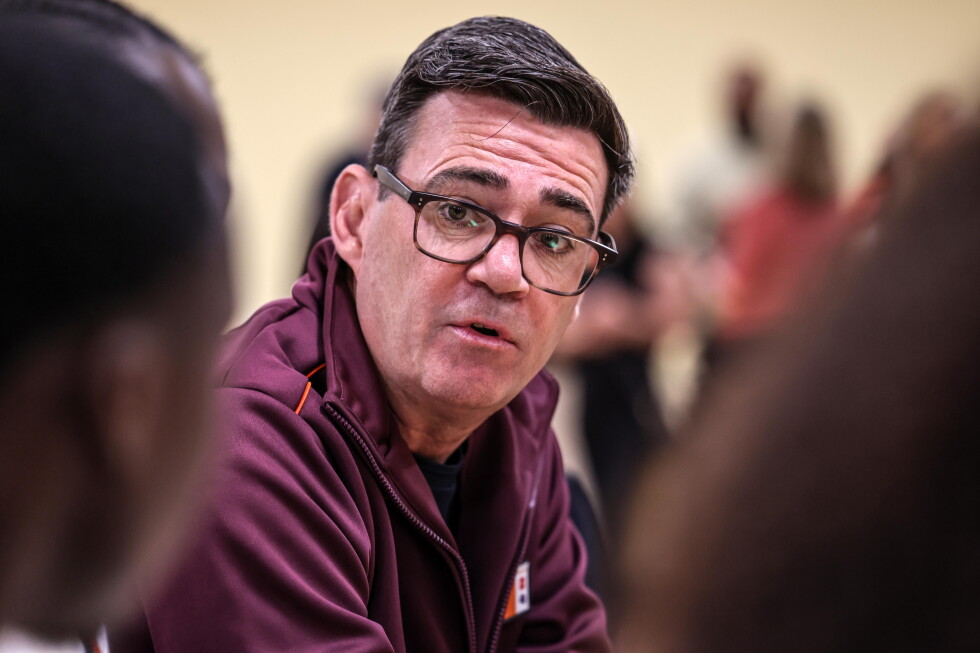
Six weeks after stepping into the role of United Kingdom Prime Minister, Andy Burnham will finally face questioning from fellow lawmakers in the House of Commons on Tuesday, taking the floor at a moment when dual active conflicts in Europe and the Middle East hang heavily over his core campaign pledges to reboot Britain’s stagnant economy and ease the crippling cost of living crisis.
Burnham assumed office on July 20, following Keir Starmer’s two-year tenure marked by widespread public pessimism. Since taking power, he has toured the UK to tout a vision of renewed national optimism, rolling out a slate of targeted, modest cost-cutting policies designed to give households and struggling businesses much-needed “breathing space.” These measures include a tax reduction on residential energy bills and lower business levies for pubs and nightclubs, two sectors hit particularly hard by post-pandemic economic volatility and rising energy costs.
Until Tuesday, however, neither opposition parties nor dissenting voices within Burnham’s own Labour Party have had the opportunity to challenge the prime minister on the details of his commitments, which are being pursued against a fraught backdrop of mounting global security threats and persistent domestic economic strain, amplified by ongoing conflict linked to Iran.
Parliament returns this week from its summer recess, and Conservative Party leader Kemi Badenoch — who reshuffled her top opposition team on Monday to appoint new spokespeople for the economy and foreign affairs — will get her first formal chance to grill Burnham on his policy agenda.
A former Greater Manchester mayor who spent nearly a decade outside of parliamentary politics before winning a House of Commons seat in June, Burnham is set to deliver a flagship statement outlining his vision for a more interventionist yet less centralized British state. According to Downing Street, the prime minister will lay out “a clear plan for how we turn things round” for the UK, highlighting his proposal for greater public oversight of water, energy, and transportation sectors. Burnham argues this increased public involvement will drive long-term economic growth and reduce household financial pressure, though observers remain uncertain how far he intends to reverse decades of privatization in these core economic pillars.
Opposition lawmakers are prepared with a long list of contentious questions, starting with Burnham’s plan to open a second prime ministerial office dubbed “No. 10 North” in Manchester. Burnham frames the project as a key step to devolve more power to regional leaders and rebalance economic growth away from London and the Southeast, but critics have dismissed it as a costly political gimmick that will do little to address regional inequality.
Domestic challenges extend far beyond the devolution debate. Burnham is also facing mounting political pressure over the crisis of overcrowding in British prisons, after he was forced to roll back plans to release some low-risk offenders early. The reversal came after widespread public outcry, including a high-profile appeal from the widow of a police officer killed in a hit-and-run who demanded her husband’s killer remain behind bars.
On the foreign policy front, Burnham has already moved to cement Britain’s longstanding support for Ukraine, making his first international trip as prime minister to Kyiv last month to reaffirm the UK’s commitment to the country’s defense against Russian invasion. Like other Western European allies, the UK faces growing pressure to ramp up military spending to address ongoing aggression from Russia and align with shifting global security priorities, compounded by changes to U.S. foreign policy under the Trump administration.
In the coming weeks, Burnham’s government will be required to detail exactly how it plans to fund its pledge to meet NATO’s target of spending 3.5% of gross domestic product on defense by 2035, a commitment that will require difficult trade-offs with domestic spending priorities. The prime minister also faces a deeply contentious looming decision on whether to approve new oil and gas extraction projects in the North Sea. The policy is publicly backed by U.S. President Donald Trump but faces fierce opposition from climate activists and clean energy advocates who warn expanding fossil fuel production will undermine the UK’s net-zero climate commitments.