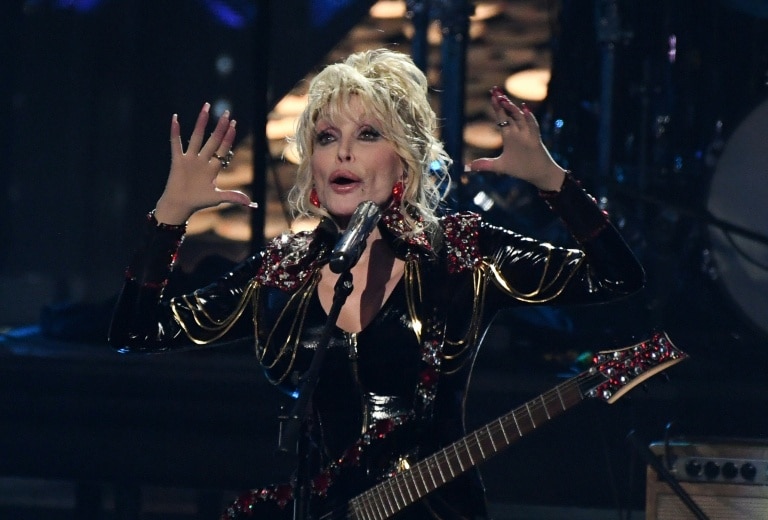
For more than six decades, Dolly Parton stood as one of the most iconic and prolific figures in country music, building a legacy that stretches across genres, generations, and art forms. Before her passing, the beloved entertainer amassed a catalog of nearly 3,000 original songs, ranging from infectious, crowd-ready sing-alongs and gut-wrenching introspective ballads to chart-topping pop anthems that conquered global audiences. To honor Parton’s unparalleled contributions to music, we take a deep dive into five of her most recognizable and culturally impactful tracks, unpacking the real-life inspirations behind their creation and the searing, timeless lyrics that have made them permanent fixtures of popular culture.
First among these standouts is 1973’s *Jolene*, one of Parton’s biggest commercial hits and one of the most widely covered songs in modern music history. Sung in Parton’s signature crystal-clear soprano, the track is a raw, plaintive plea from a heartbroken woman begging the eponymous beautiful Jolene not to steal her partner, the only person she loves. Backed by a propulsive, driving guitar rhythm, Parton delivers the iconic opening verses: “He talks about you in his sleep / And there’s nothing I can do to keep / From crying when he calls your name, Jolene.”
In a 2023 interview with *USA Today*, Parton revealed the track had a surprisingly relatable origin: it was inspired by a bank teller Parton suspected of flirting with her long-time husband, Carl Dean. “I was just a little jealous that she was prettier than me, so you always feel a little threatened when that happens. But it was not a big deal — it was just good for a song, let’s put it that way,” she explained. In the years since its release, *Jolene* has been reimagined by artists across every genre, from Beyoncé, who included a cover on her 2024 country album *Cowboy Carter*, to rock icon Jack White, who performed the track at a London show just hours after news of Parton’s death broke.
Next is the globally beloved ballad *I Will Always Love You*, a track that folklore claims Parton wrote on the same exact night she penned *Jolene*. Parton later clarified that she could no longer confirm the exact timeline, admitting it “could have been a few days apart” but confirming the two tracks were written within a very narrow window of time. Regardless of the writing timeline, the heartfelt track was born as a farewell to Parton’s mentor and long-time collaborator Porter Wagoner, marking her transition to a standalone solo career after years of working together. The song became a worldwide cultural phenomenon when Whitney Houston recorded a cover of it for the 1992 romantic thriller *The Bodyguard*, turning the country ballad into one of the best-selling singles of all time. Its tender, universal lyrics still resonate with audiences today: “I hope life treats you kind / And I hope that you have all that you ever dreamed of / And I wish you joy and happiness / But above all of this, I wish you love / And I will always love you.”
The third iconic track is 1980’s *9 to 5*, recorded as the title theme for the workplace satire film of the same name that starred Parton alongside Hollywood legends Jane Fonda and Lily Tomlin. Parton earned an Academy Award nomination for the upbeat, razor-sharp track, which she wrote in a famously unconventional way while on the film’s set. In a 2020 interview with NBC’s *Today* show, Parton recalled: “I did it on my fingernails. It sounded like a typewriter.” She even kept that playful detail in the final recording, explaining: “I played my nails on the real record just for fun.” The track’s opening verses perfectly capture the exhaustion and grind of everyday working life: “Tumble out of bed and I stumble in the kitchen / Pour myself a cup of ambition / And yawn and stretch and try to come alive / Workin’ 9 to 5, what a way to make a livin’ / Barely gettin’ by, it’s all takin’ and no givin’.”
*Coat of Many Colors*, the 1971 hit, draws directly from Parton’s own humble childhood growing up in deeply rural Tennessee. One of 12 children, Parton grew up in extreme poverty, and when she needed a new coat for the cold fall weather, her mother stitched one together from leftover fabric scraps. Bullied by other kids for her handmade patchwork coat, Parton turned that experience of pain and pride into a deeply personal song that remains one of her most beloved works. She later expanded the story into a best-selling children’s book of the same name, as well as a made-for-television movie. The song’s gentle, heartfelt lyrics highlight the love that went into the simple garment: “And I didn’t have a coat / And it was way down in the fall / Mama sewed the rags together / Sewin’ every piece with love / She made my coat of many colors / That I was so proud of.”
Rounding out the list is 1968’s *The Bridge*, a track that showcases Parton’s unmatched talent for narrative storytelling long before she became a global household name. The song chronicles a doomed romantic relationship that leaves the main character pregnant and abandoned, tackling the deeply taboo mid-century topics of extramarital pregnancy and suicide with unflinching honesty. It ends on a devastating, abrupt note as the protagonist stands despondent on a bridge, contemplating taking her own life. Parton told podcaster Brene Brown that she drew inspiration for the track from overheard conversations about difficult circumstances she listened to as a child growing up in a small community. The song’s haunting final verses lay bare the protagonist’s despair: “Tonight, while standing on the bridge / My heart is beating wild / To think that you could leave me here / With our unborn child.”