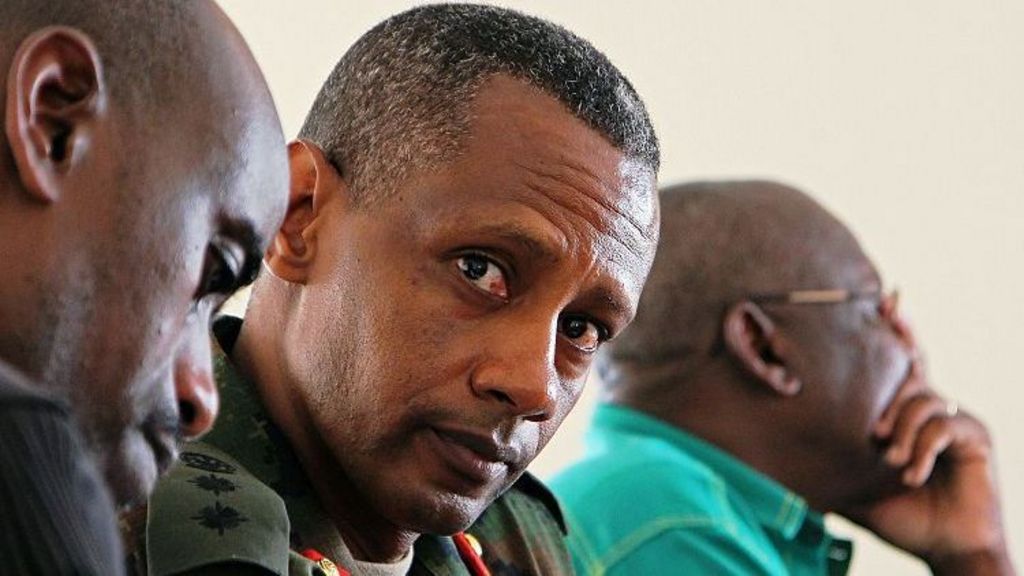
Tom Byabagamba, the 59-year-old former commander of Rwanda’s presidential guard and one-time personal bodyguard to President Paul Kagame, has died while serving a 15-year prison sentence, a development that has reignited longstanding concerns from global human rights organizations about the Rwandan government’s treatment of political dissent.
Byabagamba was first taken into custody in 2014 alongside Frank Rusagara, a retired brigadier-general and former defense ministry secretary-general who was also his brother-in-law. The pair were charged with two widely criticized offenses: spreading unsubstantiated rumors and damaging the reputation of Rwanda and its ruling government. From the opening of his legal proceedings through the conclusion of his appeals process, Byabagamba consistently rejected all allegations against him, maintaining that the charges had been manufactured as a political weapon to silence him.
In 2016, a Rwandan military court found both men guilty and handed down harsh sentences: Byabagamba was originally sentenced to 21 years behind bars, a term that was later cut to 15 years following an appeal. Rusagara received a 20-year prison term. In a tragic parallel to Byabagamba’s death, Rusagara died in custody in March 2023, becoming the second member of the pair to die behind bars after almost a decade of detention.
Details surrounding Byabagamba’s death remain unclear, according to his brother David Himbara. Himbara told the BBC’s Great Lakes service that the family has been given no official information on the cause of death, noting that no family member has been permitted to visit Byabagamba at any point during his decade in detention. This mirrors the circumstances of Rusagara’s death: at the time of his passing, Human Rights Watch (HRW) described it as the “lonely death of a general,” highlighting that Rusagara’s family had not had any contact with him since just days before his 2014 arrest. Authorities only notified his relatives that he had been suffering from terminal cancer after his death, the organization confirmed.
International rights and advocacy groups have long documented what they describe as a consistent pattern of repression targeting political opponents and government critics under President Kagame’s administration. Both Byabagamba and Rusagara’s trials were deeply flawed according to HRW, with credible claims of torture and widespread witness tampering marring the legal process. Washington D.C.-based campaign group Freedom Now has also repeatedly criticized the men’s detention as arbitrary, saying it violated fundamental international human rights law standards. Both groups have renewed their calls for transparency following Byabagamba’s death.
Byabagamba is survived by his wife and two sons.