The UK government has updated its long-running hardship allowance scheme for overseas-based British diplomats, removing eight locations from the list of postings eligible for extra hazard pay and respite breaks, a move that has triggered sharp political debate over the fairness of remaining benefits for civil servants.
Hardship payments have been offered to Foreign Office staff for 30 years, designed to compensate diplomats and their families for the extra costs, health risks, and reduced quality of life that come with living in challenging postings. Eligibility for the benefit is determined by a range of factors, including security threats, high crime rates, severe pollution, extreme climate, natural disaster risk, geographic isolation, and other impacts on daily life. Payments vary significantly by location, and full breakdowns are not published regularly; the last public disclosure of payment amounts came in 2009, when the highest recorded allowance for a coupled posting reached £26,647 annually in Karachi, Pakistan, compared to £1,517 for Buenos Aires and just £777 for Santiago.
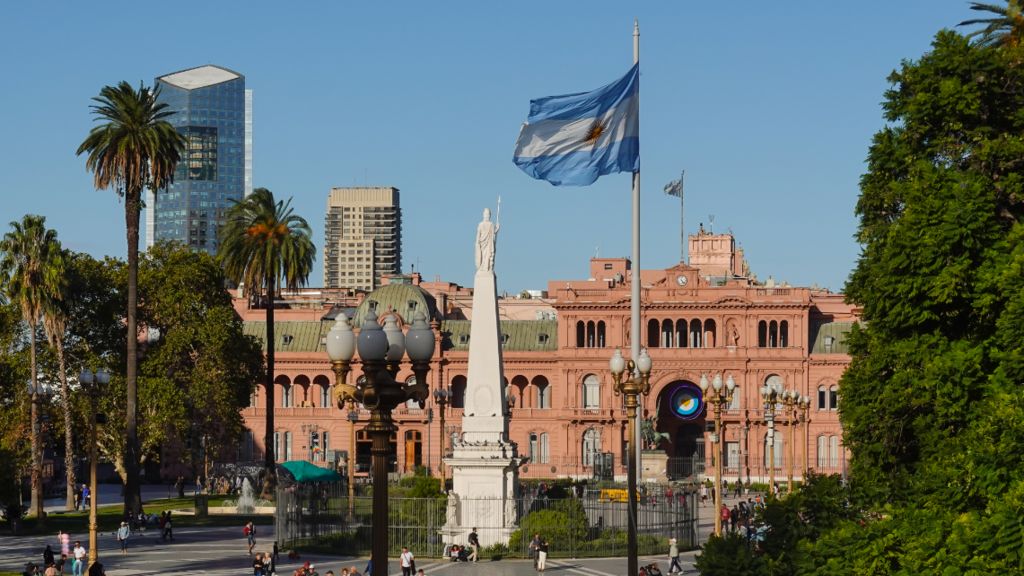
According to the updated list of eligible postings released last week, eight cities and locations are being stripped of their hardship payment status. These include two South American capitals: Argentina’s Buenos Aires, home to Argentina’s presidential offices in the heart of the city, and Chile’s Santiago. The full list of removed locations also adds Panama City (Panama), Pyongyang (North Korea), Bamako (Mali), and Sarajevo (Bosnia and Herzegovina).
While the change removes benefits from these eight locations, 144 postings around the world still retain eligibility for hardship payments. This list includes well-known conflict and high-risk zones, but it also features popular international tourist destinations such as Bali in Indonesia and Rio de Janeiro in Brazil, alongside other major tourist hubs including Bangkok, Cape Town, Kuala Lumpur, Dubai, Abu Dhabi, and Muscat.
This overlap has drawn fierce criticism from the UK Conservative Party, which argues that the current scheme wastes taxpayer money. Conservative Party chairman Kevin Hollinrake claimed that allowing civil servants to collect extra pay for postings in these popular destinations is fundamentally unfair to UK taxpayers. He argued that at a time when British households and businesses are facing elevated tax burdens to fund current government policy, the public should not be forced to cover what he framed as unnecessary taxpayer-funded perks for civil servants. “This kind of nonsense has no place in government,” Hollinrake stated, pledging that a future Conservative government would downsize the civil service to eliminate such waste.
Lord Moylan, a Conservative peer in the House of Lords, submitted a parliamentary question pressing the government on the scheme’s arrangements. Responding to the question, Foreign Office minister Lord Wood of Anfield clarified that hardship assessments account for any need for additional respite breaks to protect diplomats’ physical and mental health. He added that the scheme is not a new policy, and has been applied consistently by successive UK governments over decades.
Defending the framework, a spokesperson for the Foreign, Commonwealth and Development Office argued that the scheme is a necessary protection for staff serving the UK abroad. “British diplomats serve their country around the globe, including in some of the toughest and most challenging physical and political environments in the world,” the spokesperson said. “We have a duty of care to ensure our staff are properly supported, and compensation and other provisions reflect the circumstances of the posting, as it would be in any private sector job.”