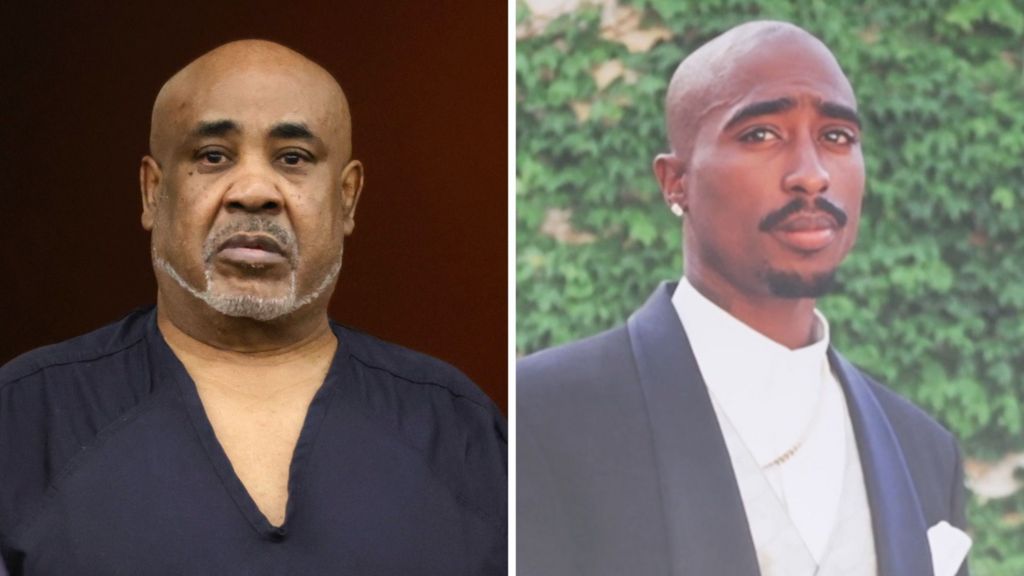
It has been nearly 30 years since legendary hip-hop artist Tupac Shakur was gunned down in a Las Vegas drive-by shooting, one of the most high-profile unsolved murders in modern American cultural history. But this long-stalled case is finally approaching a courtroom milestone, leaving many asking why justice has taken three decades to begin. On September 7, 1996, Shakur was riding as a passenger in a car driven by Death Row Records founder Suge Knight after attending a boxing match at the MGM Grand Hotel in Las Vegas. A white Cadillac pulled alongside their vehicle, and an occupant inside opened fire, striking the rapper four times. Shakur succumbed to his injuries six days later, on September 13, 1996, leaving behind a groundbreaking musical legacy and a case that confounded investigators for generations. For nearly 27 years, no formal charges were filed in connection with the killing, leading to countless conspiracy theories, speculative investigations, and public frustration over the lack of accountability. The break in the case came in 2023, when Las Vegas police secured an indictment against Duane Keith “Keffe D” Davis, a former South Side Compton Crips gang leader who has long been linked to the shooting in public accounts and investigations. To date, Davis remains the only person ever to face formal criminal charges for Shakur’s killing. Multiple factors have contributed to the decades-long delay in bringing the case to trial. For years, investigators faced a wall of silence from potential witnesses, many of whom were affiliated with street gangs and feared retaliation for cooperating with law enforcement. Additionally, the original investigation was hampered by limited forensic technology available in the 1990s, as well as the chaotic, high-profile nature of the case that led to a flood of false tips and misinformation. Prosecutors have also noted that the passage of time itself created procedural hurdles, as evidence degraded and key witnesses died before they could give formal testimony. In recent years, however, new investigative techniques, renewed public pressure, and a shift in willingness from some potential witnesses to cooperate have allowed prosecutors to move forward with the case. The upcoming trial has reignited widespread interest in Shakur’s legacy and the circumstances of his death, with hip-hop fans, legal analysts, and cultural commentators alike waiting to see if the case will finally bring a close to one of the music industry’s most enduring unsolved mysteries.
Watch: Why Tupac Shakur’s murder trial is happening 30 years after he was killed