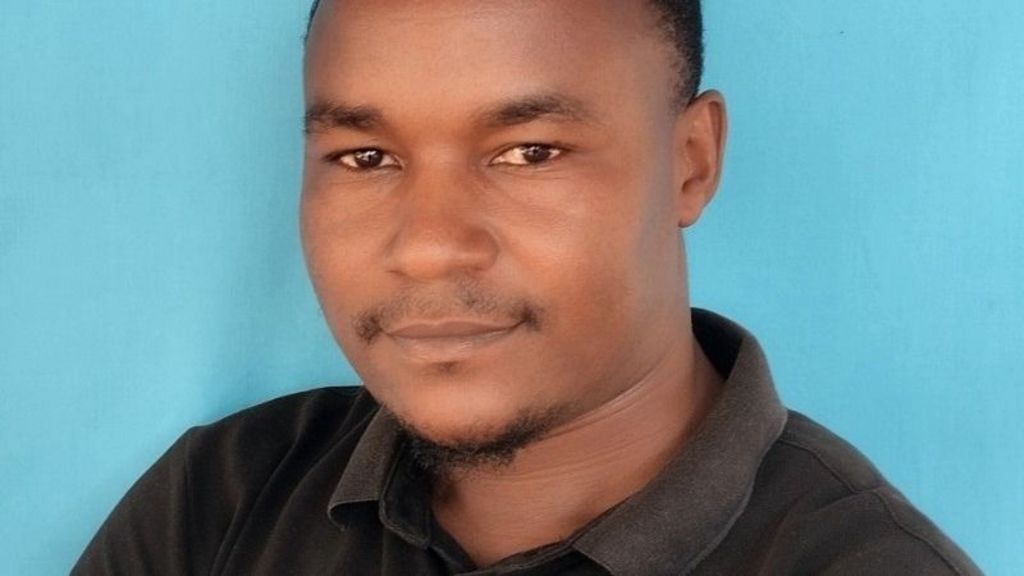
A political science lecturer from one of Tanzania’s top public higher education institutions has been upgraded to a terrorism charge following his arrest earlier this month amid a sweeping government crackdown on opposition-linked dissent. Melkisedek Kaijage, a faculty member at the University of Dodoma, was one of more than 130 people taken into police custody after the planned July 7 pro-democracy demonstrations, which were blocked by authorities before they could get underway.
Kaijage’s case took a sharp turn during a recent bail hearing at a lower magistrate’s court, where prosecutors announced the revised terrorism charge after the lecturer had spent 15 days in initial police detention. The academic was originally arrested one day after the planned nationwide protests, which were organized to demand sweeping democratic reforms and accountability for the hundreds of people killed in a post-election government crackdown that followed the October 2025 general election. Under Tanzanian legal rules, terrorism charges carry an automatic bar to pre-trial bail in nearly all cases, meaning Kaijage will remain behind bars until his full trial proceeds. No plea was requested from the lecturer at Thursday’s preliminary hearing, as terrorism cases fall exclusively under the jurisdiction of the country’s higher courts.
Prosecutors have now added a new allegation that Kaijage threatened to burn down public government buildings as part of what authorities frame as coordinated intimidation tactics to incite unrest. Tanzania’s penal code treats terrorism-related offenses with extreme severity: convictions for activities including recruiting for terrorist groups, facilitating terrorist activity, harboring suspected terrorists, or supporting terrorist operations carry prison sentences ranging from a mandatory 10 years up to life imprisonment.
Gerald Shija, head of the University of Dodoma Academic Staff Association (Udomasa), confirmed that Kaijage has been moved from local police holding facilities to Isanga Prison, located in the country’s capital city of Dodoma. Colleagues who work alongside Kaijage describe him as a widely respected educator whose popularity on campus stems entirely from his teaching work in political science and public administration, not from overt political activism.
Kaijage’s terrorism charge comes amid a broader government campaign targeting opposition figures and government critics under the administration of President Samia Suluhu Hassan. Just last month, authorities issued an indefinite suspension of all political public gatherings across the country, justifying the move as a critical security measure to prevent widespread unrest.
The ongoing crackdown follows deadly violence that erupted after the October 2025 presidential election, which was formally won by President Samia with an overwhelming 99% of the vote. Official findings from a presidential commission of inquiry confirmed that 518 people died from unnatural causes in the post-election unrest, including 192 people killed by gunshot. The scale of this violence upended Tanzania’s long-held international reputation as a stable, consensus-driven East African nation that had avoided large-scale political conflict for nearly 60 years. The opposition rejected the 2025 election result as a undemocratic sham, after President Samia’s two main political challengers were barred from running. In response, President Samia has maintained the election was conducted fairly and transparently, and has blamed foreign actors for orchestrating the post-election unrest as part of a plot to remove her from power.