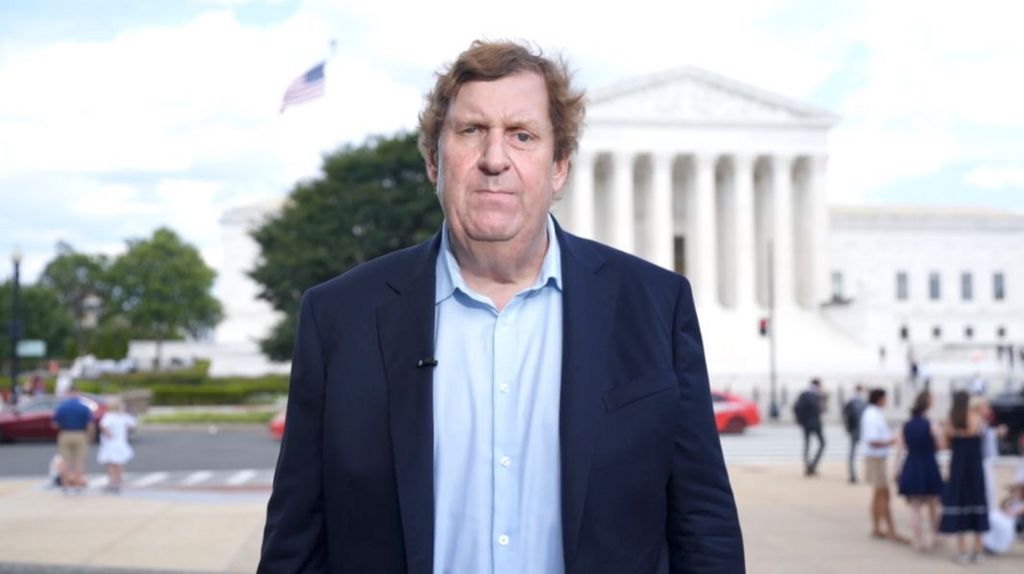
A recent landmark ruling on birthright citizenship issued by the U.S. Supreme Court has delivered a major political and legal setback to former President Donald Trump, according to analysis from BBC senior White House correspondent Gary O’Donoghue. For years, Trump has pushed for controversial changes to the long-standing interpretation of the 14th Amendment of the U.S. Constitution, which has granted automatic citizenship to nearly all people born on U.S. soil since the Reconstruction era. Trump and his supporters have repeatedly argued that the clause does not extend automatic citizenship to children of non-citizens and undocumented immigrants, a position that became a core part of his restrictive immigration policy agenda during his presidency and remained a key policy priority in post-presidency political activity. The Supreme Court’s ruling explicitly upheld the traditional interpretation of the 14th Amendment’s Citizenship Clause, rejecting the legal challenge that aligned with Trump’s long-held policy stance. O’Donoghue breaks down the far-reaching implications of this decision for American immigration policy, the future of Trump’s political agenda, and the broader national debate over citizenship and immigration. The ruling not only blocks one of Trump’s most high-profile policy goals but also sets a firm legal precedent that will make it far harder to enact changes to birthright citizenship through the courts for years to come. It also reshapes the ongoing political conversation around immigration, a defining issue for American national politics heading into upcoming election cycles, strengthening the position of advocates who support inclusive citizenship policies while dealing a blow to hardline immigration reform efforts long championed by Trump and his allies.