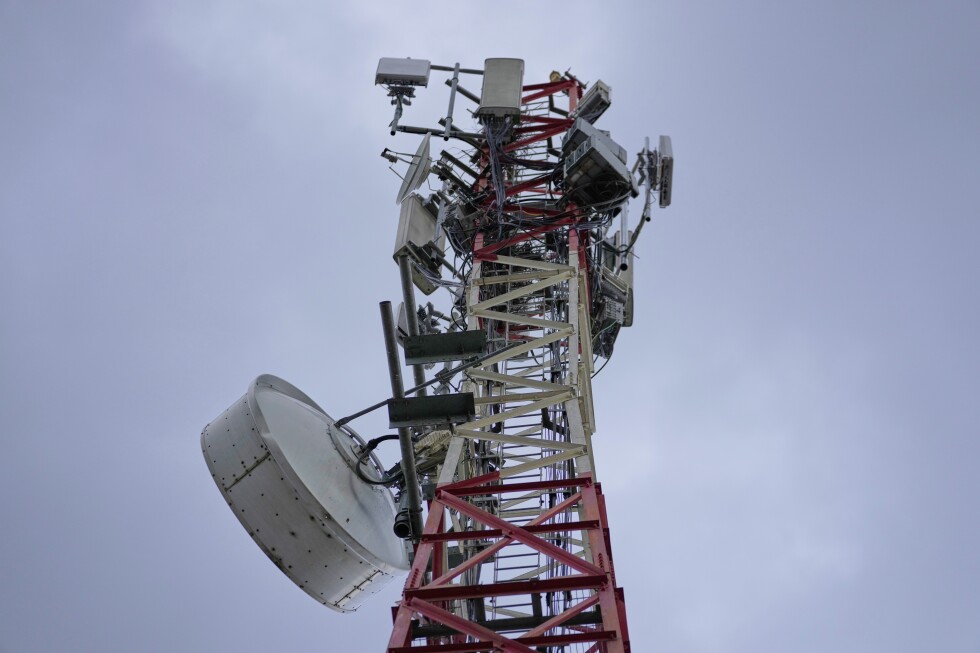
Global market volatility triggered by the Iran conflict has sent diesel prices soaring across Africa, creating new urgency for an already unfolding transition in the continent’s telecommunications sector: moving hundreds of thousands of cellphone towers from fossil fuel-powered generators to solar energy systems.
At present, roughly 500,000 telecommunications towers across Africa depend on diesel to stay operational. In recent weeks, global fuel supplies have tightened dramatically following the outbreak of conflict in the Middle East, leaving many import-dependent African nations grappling with steep price hikes and intermittent supply shortages. These disruptions have forced both national governments and private telecom operators to reevaluate long-held energy strategies.
While the move toward renewable energy for telecom infrastructure predates the latest price shocks, driven by years of steady cost pressures and global climate action commitments, industry leaders confirm the Iran conflict has drastically speed up the transition timeline. “Diesel has always been a major cost, but recent global events have made it even more volatile,” explained Lande Abudu, senior Africa energy specialist at GSMA, the global industry body representing mobile network operators. “That strengthens the case for solar and hybrid solutions immeasurably.”
Across the continent, operators are rapidly rolling out hybrid energy systems that pair solar panels with large-scale battery storage, retaining only small diesel generators for rare, extended periods of low sunlight. Many providers have set long-term targets to transition all their rural and off-grid tower sites — where extending national power infrastructure is prohibitively expensive — to full solar operation.
Unlike most developed markets, where the vast majority of telecom towers are connected to centralized national electricity grids (with diesel only reserved as backup for outages), Africa’s underdeveloped grid infrastructure has left the sector almost entirely dependent on standalone diesel generators for decades. These large industrial units require regular manual refueling, exposing operators to logistical challenges, theft, and maintenance costs. Similar diesel-reliant transitions are now underway in parts of Southeast Asia such as Indonesia, but Africa’s shift stands out for its scale and potential transformative impact.
Recent major industry investments underscore the accelerating momentum. Last month, U.S.-owned Atlas Tower Kenya announced a $52.5 million investment to build 300 new purpose-built solar-powered telecom towers, serving leading regional operators including Safaricom, Airtel and Telkom Kenya. Currently, 82% of the firm’s existing 500 towers already run on solar, a benchmark many industry peers are now working to match.
The economic case for transitioning has become increasingly compelling in recent years, even before the latest global price shock. For off-grid tower sites, energy costs can account for as much as 60% of total operating expenses, and diesel’s long-term price trend has consistently trended upward, compounded by local challenges from poor transport infrastructure to fuel theft.
Vodacom Africa, which operates across six African nations and holds subsidiary stakes in Kenya and Ethiopia through Safaricom, reported a 5% year-over-year rise in total energy costs to $300 million in 2025, driven by higher fuel and electricity tariffs. In response, Safaricom raised $153.6 million in green bonds last year specifically to fund its tower transition to solar. In Nigeria, where government removed long-standing fuel subsidies in 2023, diesel prices have already jumped as much as 200% in a single year, leaving operators paying $400 million annually just to keep diesel-powered towers online. The latest price increases tied to the Iran conflict have added even more pressure to move quickly.
Telecom firms across the continent are responding by scaling up clean energy deployment at an unprecedented rate. Local firm iSAT Africa is rolling out solar-powered towers supported by innovative green financing models, while regional giants including Orange, Vodacom, MTN Group and Airtel Africa are expanding solar and hybrid systems across their entire network footprints. “By replacing diesel-powered telecom towers with fully solar-powered infrastructure, we expect to reduce the carbon emissions associated with mobile network operations,” iSAT Africa CEO Rakesh Kukreja said in March while announcing new funding for the projects.
Early data from completed transitions already shows significant cost and operational gains. MTN’s operations in South Africa have cut total fuel spending by roughly 30% after switching to solar, while Airtel Africa, in partnership with ENGIE Energy Access, has reduced diesel consumption by more than 50% at its tower sites in Zambia and the Democratic Republic of Congo. For Vodacom Africa, connecting towers to national grids where possible and expanding solar and battery storage sits at the core of its 2025 sustainability and operational strategy, company documents show.
Beyond cost savings, the transition delivers major improvements to network reliability, a critical benefit for underserved rural communities. Solar-powered systems are far less vulnerable to the fuel shortages and generator breakdowns that have long plagued diesel-reliant networks. Even before the latest conflict, regular outages tied to fuel shortages in parts of northern Nigeria and Congo disrupted everything from mobile money transactions to life-saving emergency communications.
GSMA data estimates that the shift to solar could help close Africa’s persistent digital connectivity gap, where roughly 65% of people who could access life-changing mobile internet remain unconnected. “Renewable energy systems enable faster and more cost-effective expansion into underserved areas,” Abudu noted.
On the ground in rural off-grid communities in northern Kenya, residents are already seeing tangible improvements. “Before this telecommunication mast was installed, we struggled to process mobile money payment or even call for help during medical emergencies,” said Martin Imwatok, a local teacher. “When these towers go off, business and life stop.”
Africa’s uniquely high reliance on diesel, driven by underdeveloped grid infrastructure, makes the transition more complex than in other regions — but also means it carries far greater transformative potential. Regulators across the continent are now exploring ways to amplify the benefits of the shift; in Nigeria, the national telecom regulator has encouraged operators to integrate solar-powered towers into local solar minigrids that can supply electricity to nearby communities as well.
“These telecom towers can act as anchor clients for solar minigrids, supplying electricity not only to the towers but also to nearby homes, businesses and public services,” explained Aminu Maida, head of the Nigerian Communications Commission.
With global fuel prices set to remain volatile amid ongoing Middle East tensions, industry experts say the case for renewable energy for Africa’s telecom sector will only grow stronger. “This is no longer just about climate,” Abudu said. “It’s about resilience, cost and keeping Africa connected.”
This reporting from The Associated Press on climate and environment receives financial support from multiple private foundations, with AP retaining full editorial control over all content.