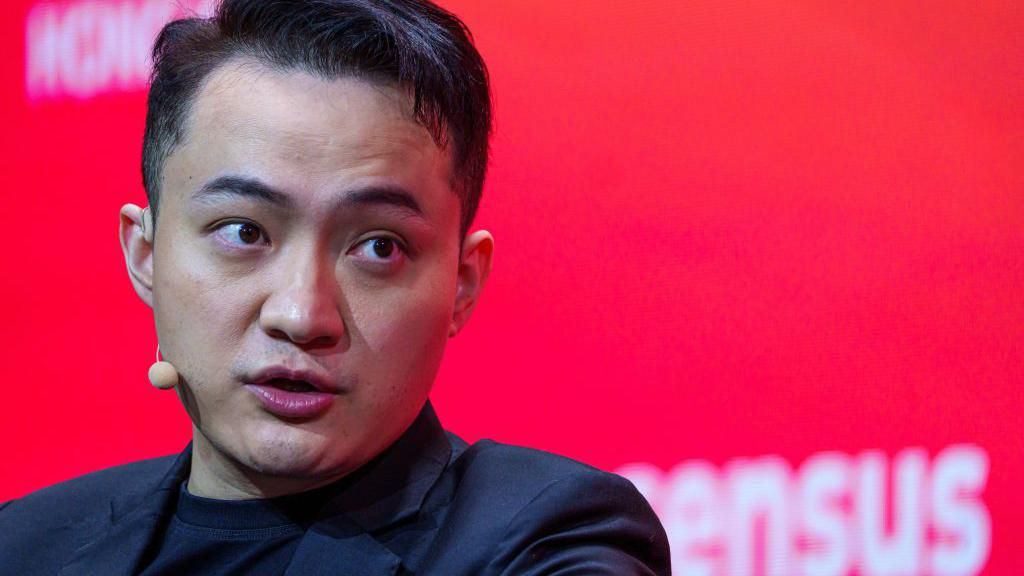
A high-stakes legal dispute has erupted in the cryptocurrency space, as crypto billionaire Justin Sun has filed a federal lawsuit against World Liberty Financial (WLFI), the crypto venture co-founded by U.S. President Donald Trump and his son Eric Trump. Sun, one of the project’s largest early backers and a long-time public supporter of Trump’s crypto-friendly policies, accuses the venture of running an illegal scheme to improperly seize his stake in the company.
In his complaint filed Tuesday in San Francisco federal court, Sun details a series of damaging actions WLFI leadership has taken against his holdings. The crypto entrepreneur, founder of the multi-billion dollar TRON blockchain project, alleges that unnamed individuals tied to the company – including co-founder Chase Herro – have frozen all of his WLFI tokens, revoked his governance voting rights, and threatened to permanently destroy his holdings by “burning” them, all without any formal justification. Sun claims this action is inconsistent with the pro-crypto values Donald Trump has publicly promoted, framing the current leadership’s actions as an exploitative fraud leveraging the Trump family name for private gain.
Sun’s initial investment in World Liberty dates back to the project’s early days, when he poured $45 million into the venture. At its peak, his holdings of WLFI tokens were valued at more than $1 billion. He also demonstrated his broader support for Trump-aligned crypto projects by purchasing $100 million worth of Trump-branded meme coins in July 2025. Like many crypto assets, WLFI has seen a steep market decline since last September: its per-token price has plummeted from 31 cents to less than 8 cents, eroding billions in total market value and leaving many smaller investors concerned about the project’s trajectory.
In his legal filing, Sun also pushes back on the project’s original promises to investors. He argues that initial commitments to allow all token holders to trade their assets on public markets were deliberately false and misleading. While most WLFI tokens were unlocked for public trading earlier this year, Sun says the company has specifically blocked him from selling even a single one of his tokens, leaving his nine-figure investment effectively worthless.
World Liberty has swiftly rejected all of Sun’s allegations, pushing back against his claims by accusing him of manufacturing a victim narrative to distract from his own alleged misconduct. The company has not yet released further details about what misconduct it claims Sun engaged in.
Beyond the immediate legal fight, the dispute has also sparked broader political and regulatory questions. Just weeks before the lawsuit was filed, the U.S. Securities and Exchange Commission (SEC) announced it was dropping a years-long investigation into Sun. The entrepreneur had previously faced allegations that he paid high-profile social media influencers to promote his crypto projects without disclosing these paid partnerships, a violation of U.S. securities disclosure rules. Top Democratic Senator Elizabeth Warren has publicly questioned whether the SEC’s decision to close the investigation was tied to Sun’s massive investments in Trump-linked crypto ventures, raising new ethics concerns about regulatory independence.
The BBC has reached out to both Donald Trump and World Liberty Financial for additional comment on the lawsuit, but has not yet received a response as of press time. Investors are also growing increasingly wary of World Liberty’s financial practices, particularly the company’s strategy of taking out large loans secured by the value of its own tokens, a move that many analysts say carries significant downsize risk if token prices continue to slide.