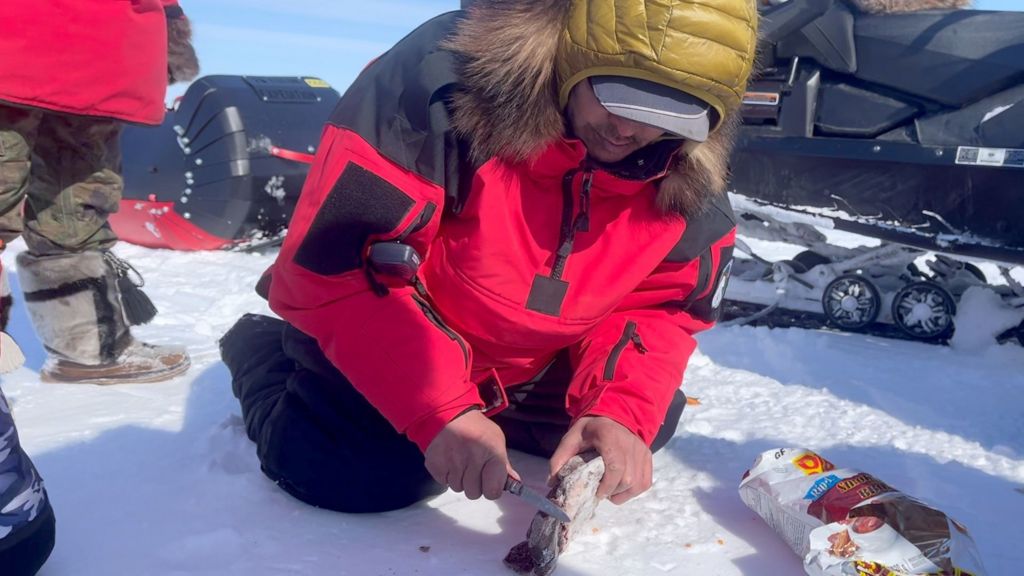
Stretching across thousands of kilometers of frozen, unforgiving terrain, the Canadian Arctic is one of the most extreme environments on the planet, where temperatures can plummet to well below -40 degrees Celsius, wind chills can kill a healthy person in minutes, and vast expanses of sea ice and barren tundra offer few landmarks or safe havens. For those who patrol this remote border region year-round, survival is not a matter of luck—it is a set of hard-earned skills, cultural knowledge, and mental discipline passed down through generations. A recent BBC assignment embedded with Canadian military rangers in Canada’s northernmost territory offered a rare opportunity to learn these first-hand lessons about enduring and adapting to the world’s coldest inhabited landscapes.
Canadian Rangers, a reserve unit of the Canadian Armed Forces made up largely of Indigenous peoples who have called the Arctic home for millennia, have long been the backbone of sovereignty and rescue operations in the far north. Unlike conventional military units trained for large-scale combat, their core mission centers on patrolling remote borders, conducting search and rescue, supporting scientific research, and maintaining a persistent presence in regions inaccessible to most other government forces. To do this work, they rely on a blend of traditional Indigenous knowledge and modern practical skills that allow them to navigate and survive conditions that would defeat even experienced outdoor enthusiasts from more temperate climates.
During the embedding, rangers shared a range of critical lessons for surviving extreme Arctic conditions, starting with the non-negotiable rule of prioritizing layered, windproof clothing that traps heat without trapping moisture. Many visitors to the Arctic make the fatal mistake of overdressing for cold, leading to sweat that freezes against the skin once activity stops, rapidly dropping core body temperature. Rangers also emphasize the importance of constant situational awareness: thin sea ice can crack without warning, blizzards can roll in in minutes reducing visibility to zero, and even small cuts can become life-threatening when hypothermia already strains the body’s ability to regulate heat. Another key insight is the value of local ecological knowledge: reading wind patterns, animal behavior, and ice formations to predict weather changes and find safe routes across the tundra—a skill that cannot be learned from GPS alone, even with modern satellite technology.
Beyond practical skills, the rangers stress that mental resilience is just as critical as physical preparation. Isolation, months of total darkness in winter, and the constant pressure of managing risk in a harsh environment can take a significant psychological toll. The close-knit community bonds among rangers, rooted in shared cultural connection to the land, help them cope with these challenges and support one another through the harshest months. For the rangers, surviving the Arctic is not just about enduring it—it is about respecting the land and working with its natural rhythms, rather than fighting against it.
The insights shared by these rangers come at a time of rapid change in the Arctic, as rising global temperatures melt sea ice, open new shipping routes, and increase human activity in the region. As more researchers, industry workers, and travelers head into the far north, the traditional and practical survival knowledge held by Canadian Rangers has never been more relevant, offering a blueprint for safe, respectful engagement with one of the world’s last great wild landscapes.