In the violence-scarred city of Bamenda, the epicenter of Cameroon’s years-long Anglophone separatist conflict, 52-year-old nurse and mother of six Caro Bih carries a lifetime of trauma that has become all too common for residents of the country’s restive western regions. Once kidnapped, chained, and held for ransom by separatist fighters, Bih has lost multiple relatives to killing, imprisonment, and abduction. Her family home has been burned to the ground, a stroke she suffered while fleeing repeated violence has gone untreated due to conflict-related financial collapse, and her children’s once-bright dreams of professional futures have been cut short by poverty and instability. Today, her only hope for lasting change rests on the arrival of Pope Leo XIV, who is set to visit Cameroon this week as part of a four-nation African tour.
Millions of Cameroonians are awaiting the pope’s Wednesday arrival, which comes at a fragile turning point for the Central African nation. Just months prior, a deeply disputed presidential election that extended the 40-plus-year rule of 93-year-old Paul Biya, the world’s oldest sitting head of state, left dozens dead and deepened existing divisions across the country. The papal visit, centered on a public call for national reconciliation, will shine a long-overdue global spotlight on the separatist conflict that has torn through Cameroon’s two Anglophone regions since 2017, when fighters launched a rebellion seeking an independent state separate from the country’s Francophone-dominated government. The conflict, widely labeled by humanitarian organizations as one of the world’s most neglected crises, has already claimed thousands of lives and displaced hundreds of thousands. In a significant gesture to clear the way for the visit, separatist leaders announced Tuesday a three-day ceasefire to ensure safe passage for the pope, civilians, and visiting dignitaries.
During his time in Cameroon, the pope will preside over a peace gathering with local community leaders in Bamenda on Thursday, followed by a public Mass at the city’s airport. Cameroonian government officials have framed the visit as a historic opportunity to foster national unity across the country’s long-running ethnic and linguistic divides. But outside observers and opposition activists have raised sharp concerns that the Biya administration, which has been repeatedly accused of human rights abuses during the conflict and has rejected meaningful dialogue with separatist groups, will seek to exploit the papal visit to gain international legitimacy.
Benjamin Akih, a U.S.-based Cameroonian activist with the civil society group Council for the Sovereignty of Cameroon, warned that the pope must avoid letting the regime use his visit to distract from deep-rooted historical injustices with empty calls for unity. Eric Chinje, head of the diaspora-based democracy organization Project Cameroon, echoed that skepticism, noting the visit likely aligns more with the pope’s global evangelical mission than with tangible efforts to resolve Cameroon’s political crisis. He added that the pope is unlikely to publicly rebuke Biya, who has clung to power for decades through contested elections and authoritarian rule. This skepticism comes amid a recent controversial move by Cameroon’s parliament, which revived the country’s vice presidency, granting the aging Biya sweeping power to appoint his own successor, further consolidating his control over the state.
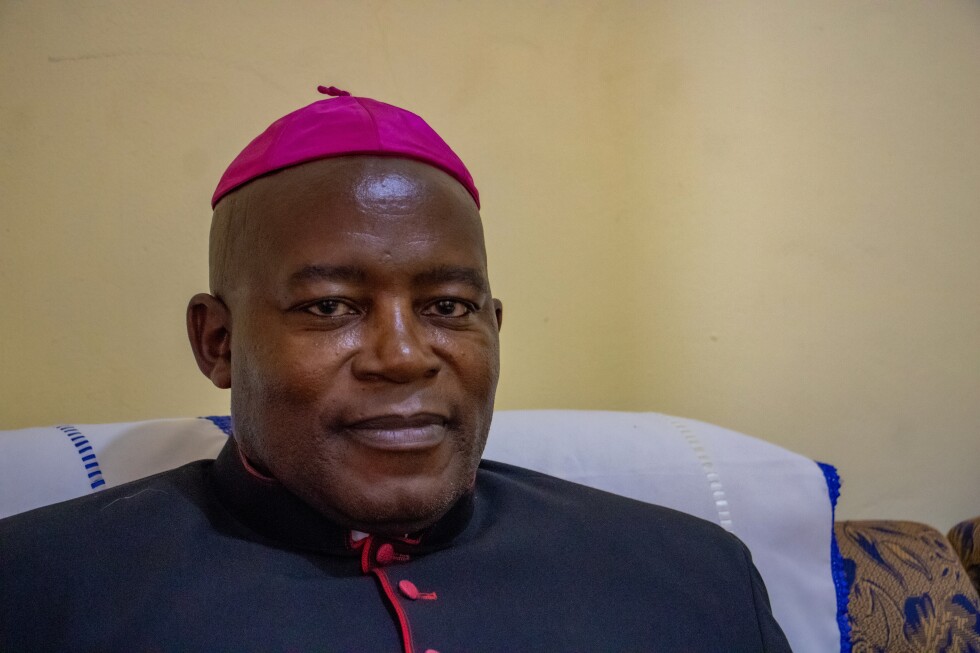
For many clergy and ordinary residents who have endured years of violence, however, the visit remains a source of cautious hope. Catholic priests have been repeatedly targeted by both sides of the conflict: in November, Rev. John Berinyuy Tatah was kidnapped alongside five fellow clergy by separatists and held for two weeks in remote bushland cut off from all outside contact. Despite his own trauma, Tatah, who plans to attend the pope’s Mass, said he believes the pontiff’s visit will plant a seed of reconciliation that can grow to heal the country if nurtured. “The cry of every Cameroonian is for the pope to help us mediate for dialogue in the ongoing crisis,” he said.
Beyond the Anglophone separatist conflict, Cameroon also faces persistent attacks from Boko Haram extremists operating across its northern border with Nigeria, compounding the country’s humanitarian crisis. According to the United Nations World Food Programme, more than 3.3 million Cameroonians impacted by conflict currently face acute food insecurity, with many families forced to skip meals, sell their only livestock, or take on crippling debt to survive.
Yeeika Desmond Nangsinyuy, a Bamenda-based spoken-word artist who has used his work to advocate for peace, was abducted by separatists in 2024 and ordered to stop his anti-violence performances. He refused to end his work, and now says he hopes the pope will center the pain of families torn apart by years of fighting. “My hope is that the pope touches the soft spot of our collective wounds,” he said. “I want him to speak directly to the pain of families torn apart by conflict, and to inspire renewed hope that peace is possible.”
For Caro Bih, that hope is deeply personal. Her family’s total monthly income, from the small vegetable plot she tends and sells from and the odd jobs her older children take to get by, amounts to roughly $53, barely enough to cover basic food needs. Only two of her six children remain in school; 9-year-old Lydiane, who dreamed of becoming an accountant, dropped out to help care for her younger siblings, and Bih’s husband, a former Catholic missionary teacher, was forced to abandon his job due to persistent insecurity. Bih herself abandoned stroke medication and physiotherapy in 2024 to save money for her family, relying instead on cheap herbal remedies to manage her symptoms. “I had dreamt of seeing my children become doctors, magistrates and so on,” she said quietly. “Now their future is uncertain.” But like millions of other conflict-weary Cameroonians, she says she believes the pope’s visit will mark a turning point. “We believe he will be a turning point,” she said.
This reporting is supported by the Gates Foundation as part of AP News’ global health and development coverage in Africa, with the AP retaining full editorial control over all content.