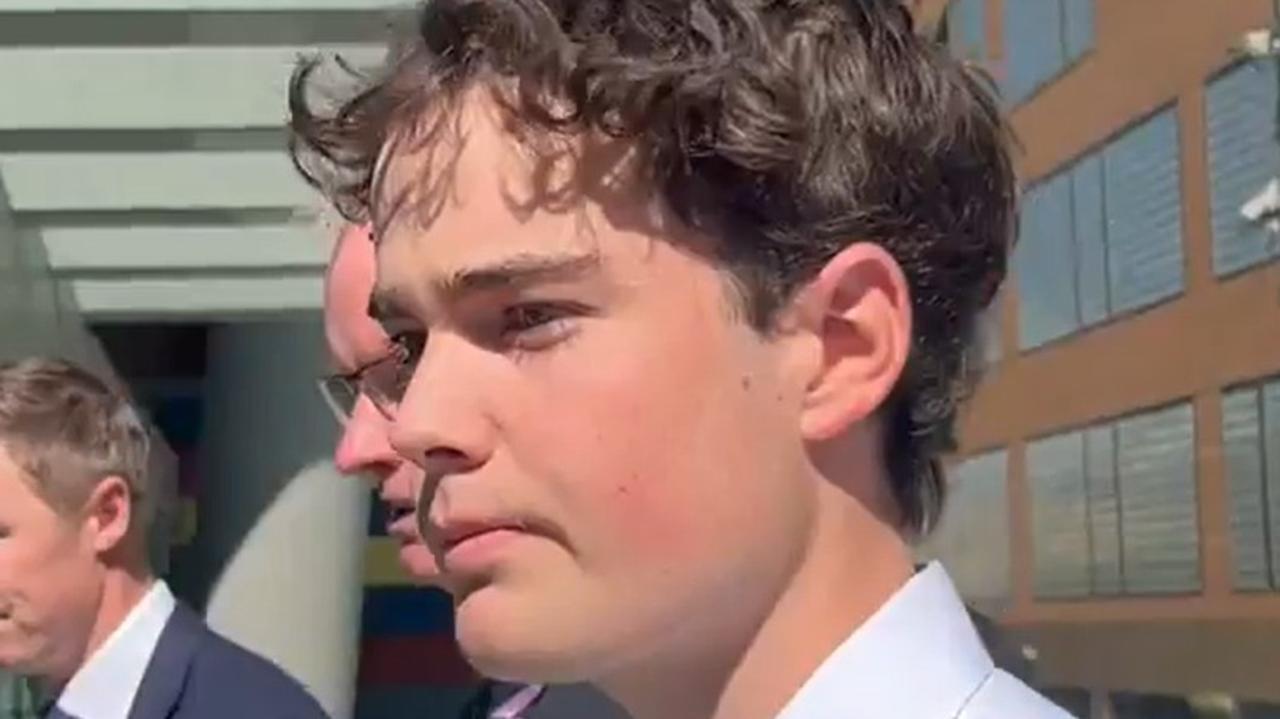
In a landmark legal moment for South Australia, a 19-year-old former private school student has made history as the first person in the state to plead guilty to newly enacted charges related to the creation and distribution of non-consensual sexually explicit deepfake images. William Yeates, an alumnus of Mercedes College — an elite Adelaide institution where annual tuition fees reach as high as $20,000 — entered guilty pleas to four counts under the recently implemented deepfake legislation during a hearing at Adelaide Magistrates Court on Wednesday. This appearance also marks him as the first individual in South Australia to be charged under these new regulations.
Court records detail that Yeates, who was 18 at the time of the offenses, shared manipulated deepfake content on X, the social media platform formerly known as Twitter. Between September 19, 2024, and December 25, 2025, he repeatedly distributed fabricated images that falsely depicted the victim’s explicit body parts, all without her knowledge or consent. Originally, Yeates faced 24 separate charges before the magistrate Justin Wickens, but prosecutors withdrew and dismissed the remaining 20 counts after he pleaded guilty to four specific offenses.
The four confirmed charges to which Yeates admitted guilt are two counts of misuse of a communications service for harassing and offensive purposes, dated September 19, 2024, and December 25, 2025, and two counts of creating and altering sexual explicit material without consent, dated October 28, 2024, and February 8, 2025. Following the short hearing, Yeates left the courthouse without speaking to assembled reporters, declining all requests for comment.
Magistrate Wickens has adjourned the proceedings, with a committal for sentencing scheduled to take place on May 29. The new federal offense targeting non-consensual explicit deepfakes was first introduced at the national level in 2024 as part of a broader government push to curb the spread of harmful manipulated content online. South Australia followed with its own aligned legislation in late 2025, and anyone convicted under the law faces a maximum penalty of seven years imprisonment.