A $20 million taxpayer-funded national advertising campaign designed to encourage voluntary Australian fuel conservation has ignited fierce political debate this week, with opposition figures slamming the initiative as a wasteful, out-of-touch expenditure while the ruling Labor government defends it as a critical investment in national fuel security.
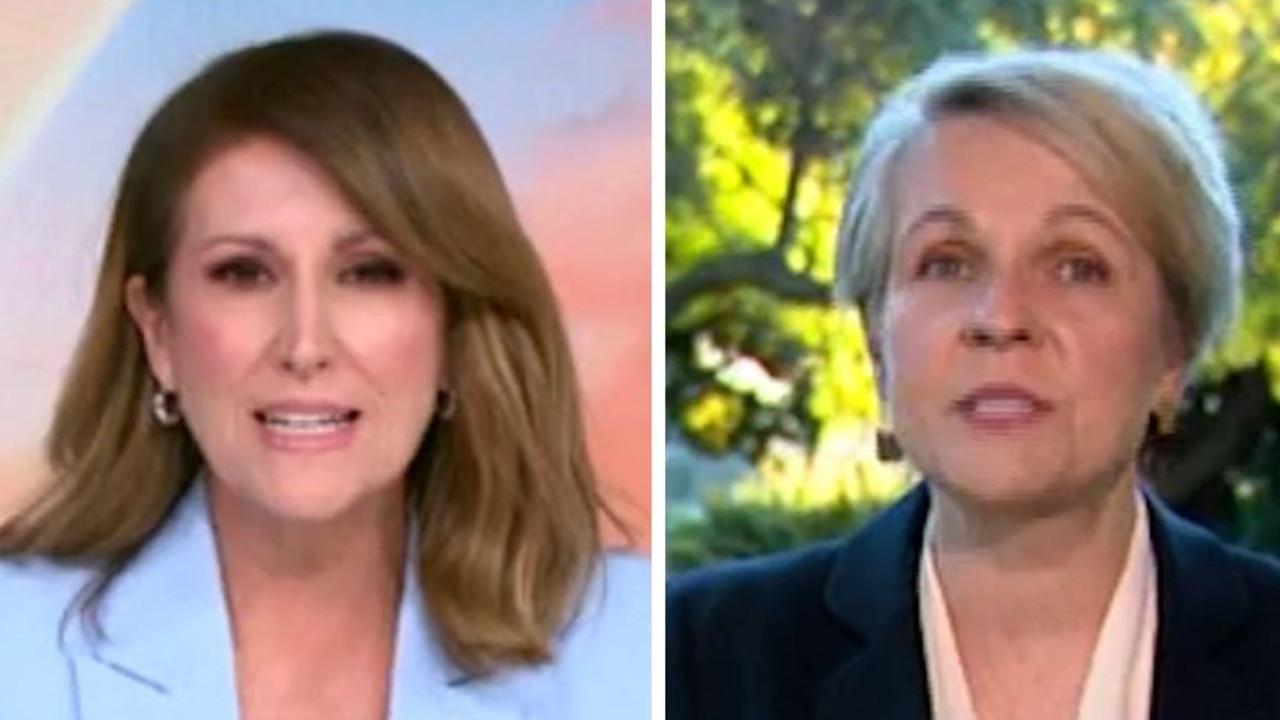
Titled “Every Little Bit Helps”, the campaign officially launches on Monday, delivering practical guidance to Australian motorists on small steps to cut fuel use: cutting excess weight from vehicle boots, removing unused roof racks, inflating tyres to optimal pressure, and shifting to walking, cycling or public transit for short trips where possible. Social Services Minister Tanya Plibersek defended the initiative during a tense Monday morning interview on Channel 7’s *Sunrise*, arguing the campaign is a necessary counter to widespread online misinformation that fueled dangerous panic buying during the current fuel supply crisis.
The effort ties directly to Australia’s four-stage National Fuel Security Plan, which is currently operating at Level 2. Under this framework, national fuel supplies remain secure overall, but localized distribution disruptions have been recorded, prompting precautionary government action and a call for voluntary public participation to stabilize demand. Plibersek pushed back against on-air pushback from host Nat Barr, who questioned why $20 million would be spent on basic advice many motorists already know. The minister noted the campaign’s price tag pales in comparison to the $340 million spent on a 2000 public health campaign run by the previous Howard-era Liberal government, framing the current outlay as a small cost to deliver clear, verified information about national fuel security to the public.
Opposition leaders have rejected that framing. Deputy Liberal leader Jane Hume told Sky News that the expenditure is deeply misaligned with the current economic pressure facing Australian households. She argued that $20 million could instead cover fuel costs for roughly 100,000 Australian motorists amid skyrocketing pump prices, arguing that lecturing the public about minor driving and vehicle adjustments is not a responsible use of public funds at a time of crisis. Prime Minister Anthony Albanese has pushed back against that criticism, describing the $20 million investment as “modest” and the campaign as “sensible” policy.
Albanese highlighted that unregulated panic buying, stoked by misinformation on social media, created unnecessary localized shortages earlier in the crisis. He noted that common panic-driven behaviors, such as storing extra fuel in jerry cans in the back of utes, not only distorted demand but also created serious public safety risks. “There was in some cases a more than doubling of demand when it wasn’t necessary. So that shows that there was misinformation out there. This campaign is a modest campaign but it’s important as well that we get that direct information to people,” the Prime Minister told the ABC.
The campaign comes amid real global supply chain pressures that have hit Australia’s fuel market. Australia imports 90 percent of its overall fuel needs, with most refined product coming from Singapore, South Korea and Japan, which in turn source crude oil from Middle Eastern suppliers. Disruptions tied to recent conflict that led to the closure of the Strait of Hormuz after attacks on Iran in late February have tightened global supplies, sending domestic fuel prices soaring across the country.
As of last week, Energy Minister Chris Bowen confirmed Australia holds 38 days of petrol reserves, 31 days of diesel, and 28 days of jet fuel, with enough supply to meet national demand through May. To shore up long-term supplies, the Albanese government has ramped up diplomatic outreach in the Indo-Pacific. On Friday, Canberra secured a critical agreement with Singapore that rules out export restrictions on refined fuel and commits the city-state to supporting Australian fuel stockpiles, so long as global upstream crude supplies remain steady. In exchange, Australia offered a reciprocal guarantee for continued liquefied natural gas exports to Singapore, and the Prime Minister has left the door open to approving new domestic gas projects to support the arrangement.
Albanese will travel to Malaysia and Brunei this week to continue negotiations for more stable fuel and fertilizer supply. Brunei currently supplies 9 percent of Australia’s diesel imports and 11 percent of Australia’s urea imports, a key input for fertilizer. Malaysia ranks as Australia’s third-largest source of refined fuel, and provides 10 percent of the nation’s urea imports.
The political row over the advertising campaign continues as the government works to secure long-term fuel stability, with more updates expected as diplomatic negotiations progress this week.