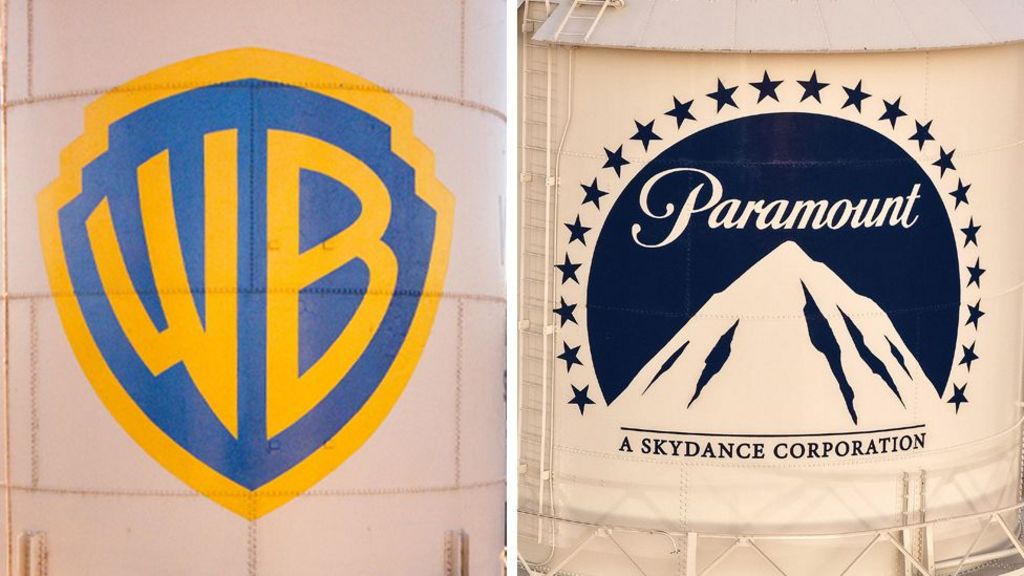
A potential seismic shift in the media landscape is underway as Paramount Skydance advances its proposed acquisition of Warner Bros, though regulatory approval remains a significant hurdle. This consolidation would fundamentally alter Hollywood’s competitive dynamics while raising critical questions about content strategy, pricing models, and editorial independence.
The centerpiece of the proposed merger involves combining Paramount+ with HBO Max to create a strengthened streaming platform capable of competing with industry giants Netflix, Amazon, and Disney. Subscribers would gain access to an extensive content library spanning current productions like ‘The Pitt’ to iconic franchises including ‘Star Trek’, ‘Friends’, ‘The Sopranos’, and classic films such as ‘Casablanca’.
Financial analysts present diverging views on subscription pricing implications. Initially, bundled services might offer cost savings for existing subscribers of both platforms. However, reduced market competition could eventually enable price increases, though industry experts note Netflix would likely remain the market’s primary price-setter, potentially limiting significant hikes.
The merger’s regulatory pathway appears complex. While approval might proceed rapidly under the current administration, state attorneys general—particularly California’s—have pledged vigorous investigations focusing on potential consumer harm and workforce impacts. The complete integration timeline extends years due to regulatory processes and existing distribution agreements.
Unlike purely streaming-focused companies, both Paramount and Warner Bros maintain substantial theatrical distribution operations. Industry observers note this traditional studio approach would likely continue prioritizing cinema releases rather than rushing films directly to streaming platforms—a development that would provide stability for theater operators despite not reversing long-term attendance declines.
Concerns have emerged regarding editorial independence should the merger proceed. The Ellison family’s existing relationship with the White House has raised questions about potential influences on CNN’s coverage, with media advocates warning about possible reduced criticism of the administration and personnel changes affecting journalists known for adversarial reporting.
The financial viability of combining two legacy media companies facing significant debt obligations remains uncertain. Content investment constraints may emerge as both entities seek to manage financial burdens acquired through previous mergers and acquisitions.
Beyond traditional streaming competition, industry analysts identify YouTube’s evolution toward long-form content as the most substantial threat. The platform’s trending videos increasingly resemble traditional television programming, positioning it as a direct competitor to ad-supported streaming services while short-form content continues eroding traditional media audiences.